





 Portuguese
  English
  Spanish
  2 min of reading


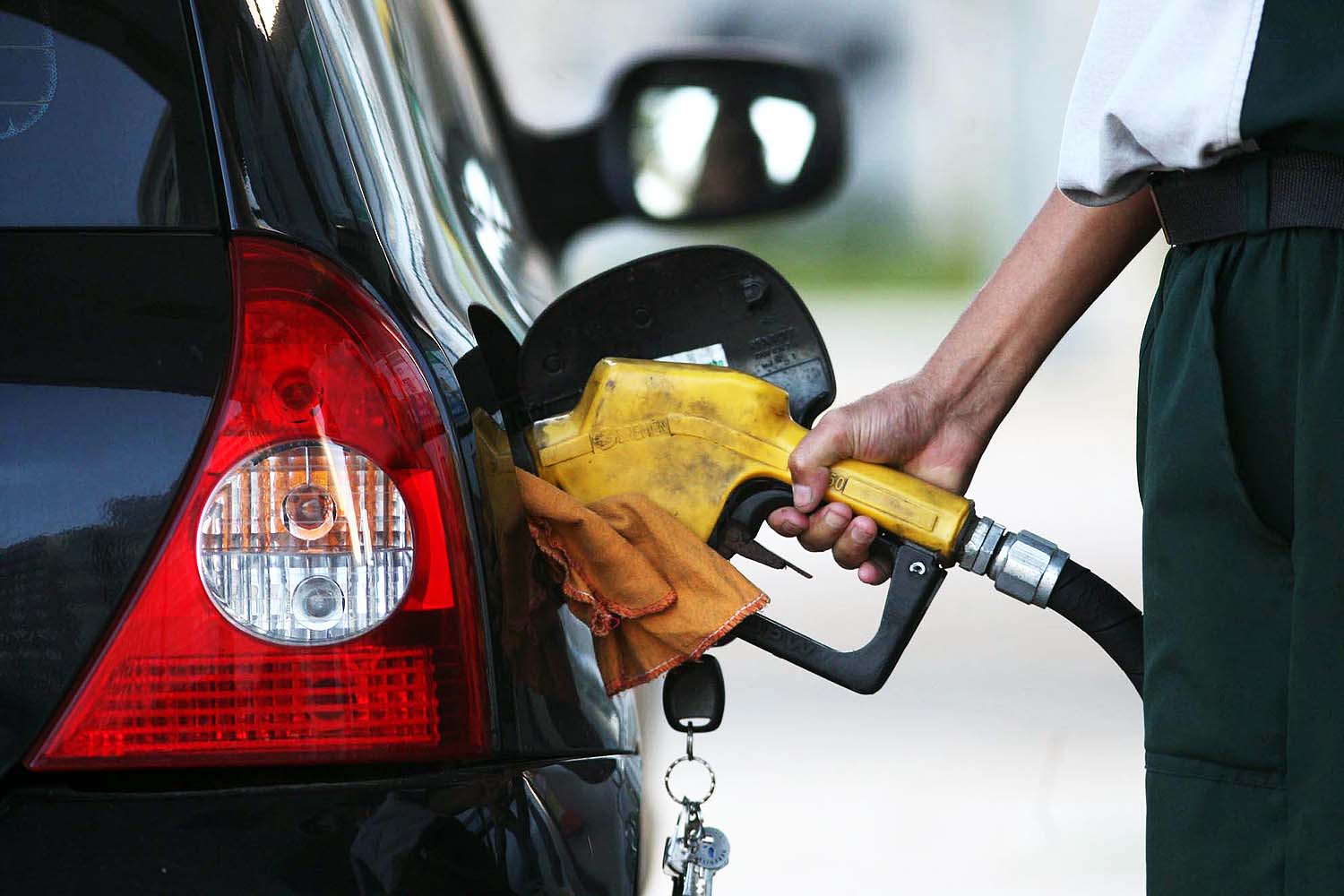
In a Statement, Petrobras Informed That Average Gasoline and Diesel Prices Would Increase by 5%; LPG Will Also Be Adjusted
Yesterday (01), Petrobras announced new adjustments at the refineries, an increase of 4.8% in gasoline and 5% in diesel. The adjustment took effect this Tuesday (2). The LPG sold by Petrobras also underwent a 5% adjustment, now costing R$3.05 per kg, equivalent to R$39.69 for 13kg.
See Other News of the Day:
Consecutive Adjustments:
This year, gasoline increased by 42%, while diesel increased by 34%. This means that as of yesterday, gasoline prices at gas stations increased by 8.8% this year.
The previous adjustment was announced on February 18 and prompted the change in Petrobras’ president, Roberto Castello Branco. The President of the Republic, Jair Bolsonaro, appointed retired General Joaquim Silva e Luna to the position, but the appointment has not yet been approved in the Petrobras meeting.
-
Petrobras evaluates suspension of sales to distributors and considers canceling the cooking gas auction following guidelines from the Federal Government.
-
Lula reveals a masterstroke by Petrobras to undo a deal made by Bolsonaro, which involves the return of an important refinery that currently produces less than half of what was expected and makes Brazil dependent on international diesel.
-
A study confirms that the natural gas sector will reduce greenhouse gas emissions in Brazil by 0.5% and accelerate the energy transition by 2026.

-
Petrobras implements a severe adjustment and confirms a 55% increase in the price of aviation kerosene with a proposal for installment payments for the companies.

The company stated that “The prices practiced by Petrobras are based on import parity prices and, thus, follow the variations in the value of the product in the international market and the exchange rate, going up and down.”
“It is also important to highlight that the prices practiced at the refineries by Petrobras are different from those perceived by the end consumer at retail. By the time it reaches the consumer, federal and state taxes, costs for acquisition and mandatory blending of biofuels by distributors, in the case of gasoline and diesel, as well as costs and margins of distribution companies and fuel resellers are added,” concluded the state-owned company.









Seja o primeiro a reagir!