





 Portuguese
  English
  Spanish
  2 min of reading



In Exclusive Interview For CNN, Petrobras President Jean Paul Prates Affirmed That Petrobras Has Competition In The Fuel Market In Brazil And, For This Reason, Does Not Understand The Pressure On The State-Owned Company To Practice Prices Tied To Import (PPI).
According to Jean Paul Prates, “Petrobras has competition; all refineries in the world are competitors. In Brazil, we have in Amazonas (Ream) and in Bahia (Mataripe)”. He argues that if the company imports only 1%, it cannot sell the product at the import price for the other 99% that the company produces.
Although Petrobras is still the main company in the fuel market in Brazil, accounting for about 80%, there are other companies representing around 19% of the market, such as Acelen and other small refineries and imports, mainly of diesel.
Jean Paul Prates Said That The New Pricing Policy Of Petrobras Is Necessary Because The Company Has Been Losing Customers To Its Competitors, Among Them, Importers.
He also stated that the PPI was an “abstraction,” a word he has used since taking over the company in 2021. According to him, the PPI did not provide the predictability that they demand from the state-owned company. From now on, the company intends to manage the price according to the normal fluctuations of the market.
-
The rise in oil prices could ensure an extra revenue of R$ 100 billion for the Federal Government, indicates a recent economic study.

-
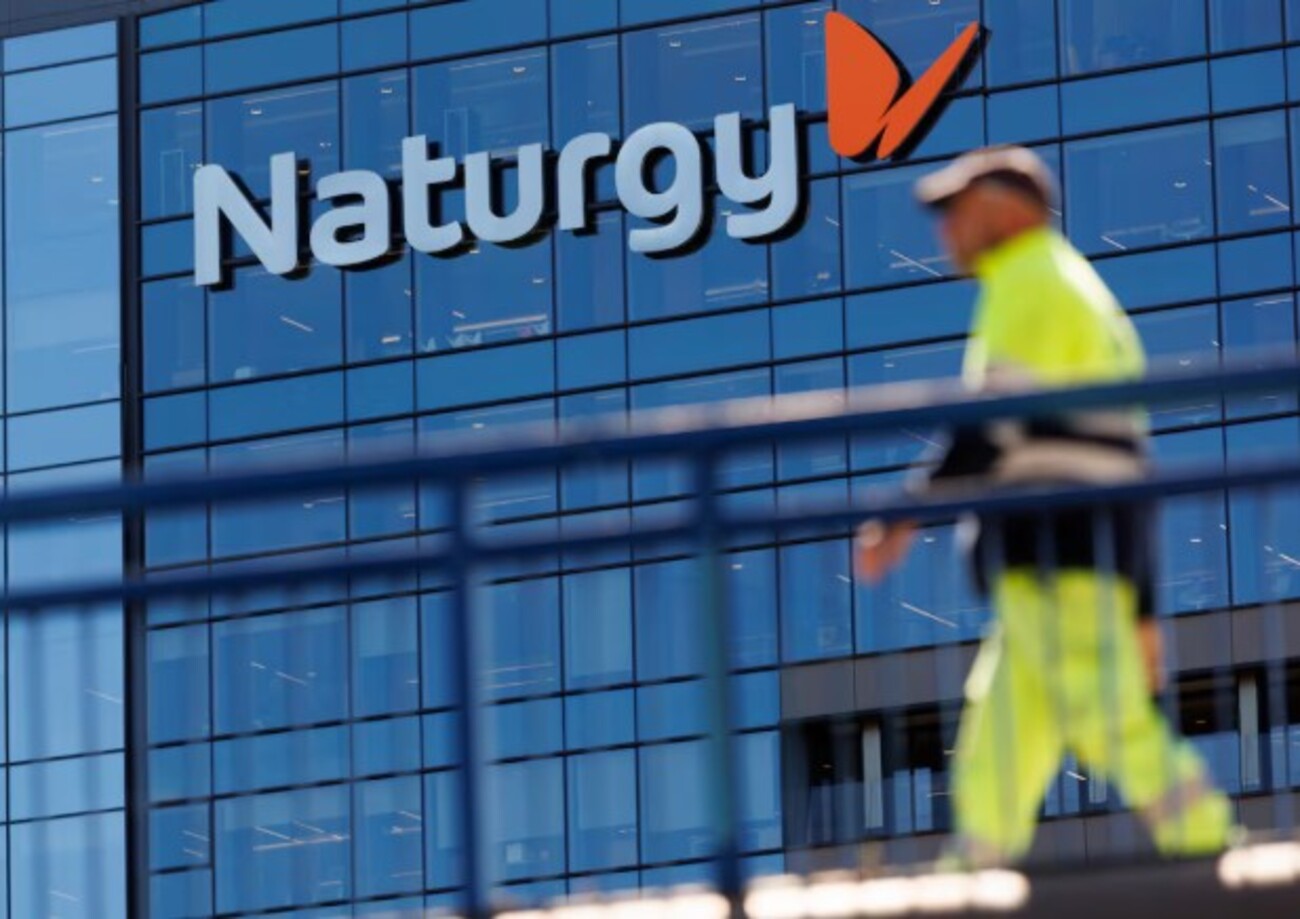
Naturgy begins an investment of R$ 1.6 million to expand the gas network in Niterói and benefit thousands of new residences and businesses.
-
A major turn in the Justice system suspends tax increases and directly impacts oil and gas companies in Brazil by affecting costs, contracts, and financial planning, leaving uncertain what could happen to the sector if these costs had increased.

-
Brava Energia begins drilling in Papa-Terra and Atlanta and could change the game by reducing costs in oil while increasing production and strengthening competitiveness in the offshore market.


The new pricing policy, which was announced on Tuesday (16), aims to increase the competitiveness of the company. “It’s a limited cushion, but by managing the refineries we can handle it,” said Jean Paul Prates.
Regarding the pricing policy tied to the PPI, Prates stated that “the idea that we need a table, that we need to know what the price will be in three months, is an abstraction. We are giving up an abstraction and moving to real life.”
This change in the pricing policy of Petrobras is crucial for the competitiveness of the company, which needs to adapt to changes in the market and ensure its survival and growth. With this new stance, Petrobras should offer more competitive prices, allowing the company to attract new customers and increase its market share.
Petrobras aims to continue expanding its operations in the fuel market in Brazil, offering quality products and fair prices. The company also intends to expand its operations in other sectors, such as biofuels and renewable energy.
Petrobras Announces End Of Oil Price Parity With The Dollar










Seja o primeiro a reagir!