Portuguese
  Spanish


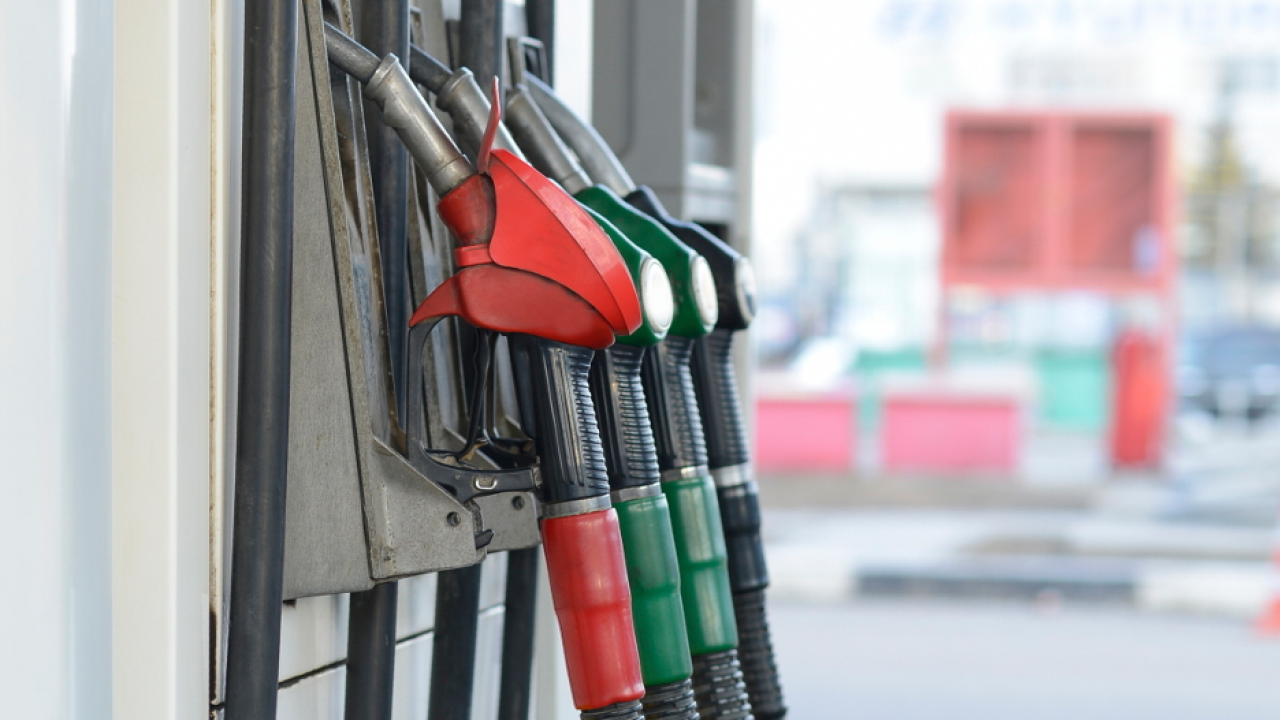

The Decision Is Essential to Prevent Unfair Competition from Fraudulent Agendas, Which Tend to Exploit State Tax Differences to Disrupt the Market. At the Same Time, By Delinking the Tax from the Product Price, the Measure Helps to Avoid Amplifying Price Volatility, a Common Dynamic in the Fuel Market, Especially in Commodities.
Thus, through the monophase system for charging ICMS for transactions involving diesel oil and biodiesel, state governments make the rules more transparent, allowing for efficiency gains, improvements in the business environment, reduction of illegality in the fuel market, and relief in the consumption of the product.
Furthermore, this new model for calculating the tax allows Brazil to align itself with the best global practices for the fuel market.
ICMS Reform Changes the Landscape of the Fuel Market in Brazil
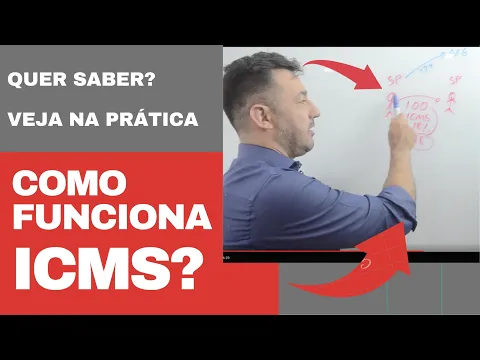

Before the decision, each state adopted its own calculation base and rates of ICMS for each fuel. As a result, we faced significant difficulties in assessing and collecting the tax, thereby allowing for greater noncompliance and increased burden in the entire tax process.
-
Trump warns Europe with 100% tariff threat on digital tax, potentially impacting wine and trade agreements

-
As Homeownership Becomes Unattainable in Brazil, Japanese Municipalities Offer Abandoned Houses for as Low as $3,000 to Revitalize Aging, Emptying Cities

-
Job Market in 2026 Welcomes High School Graduates: Logistics, Retail, and Construction Hire Without College Degrees; Quick Courses in Forklifting, Building Electricity, and Welding Boost Salary Prospects

-
Brazil’s ANP Reforms Natural Gas Market, Opens LNG Terminals and Pipelines to More Companies, Raising Hopes for Lower Future Bills


Thus, the unification of rates will follow the agreement established between the Union and the States, which has already been ratified by the Supreme Federal Court (STF). For diesel oil and biodiesel, the agreed rate to be charged by states is R$0.9456 per liter. For LPG, the charge will be R$1.2571 per kilo. These changes, belonging to the complementary law 192/2022, as pointed out by the STF, came into effect on April 1st.
After the unification of ICMS for diesel, biodiesel, and LPG, the fuel market is now focused on the urgent need to advance taxation for gasoline, anhydrous ethanol, and hydrated ethanol, which are also typically impacted by the complexity of the current tax system.
New Agreement Excludes Gasoline
Although the monophase tax on gasoline and ethanol is included in the complementary law 192/2022, it was not discussed in the agreement established after the STF ruling, thus limiting its decision to the three products. On the other hand, the tax regime for hydrated ethanol was not addressed by Congress and included in the legislation.
However, extending the changes to the two fuels is essential to complement this significant sector reform, thus enabling tax simplification for fuel operations.
In this regard, it is worth mentioning that due to being an extremely relevant product in the Brazilian market, any tax advancement involving gasoline represents gains for various economic activities, especially for reducing inflation and improving the budgets of Brazilian families.
Finally, the Brazilian Institute of Oil and Gas (IBP) supports the unfolding of the ICMS collection system on fuels; however, it understands that the unification of state rates should be applied to all oil derivatives.