





 Portuguese
  English
  Spanish
  4 min of reading
  1 comment


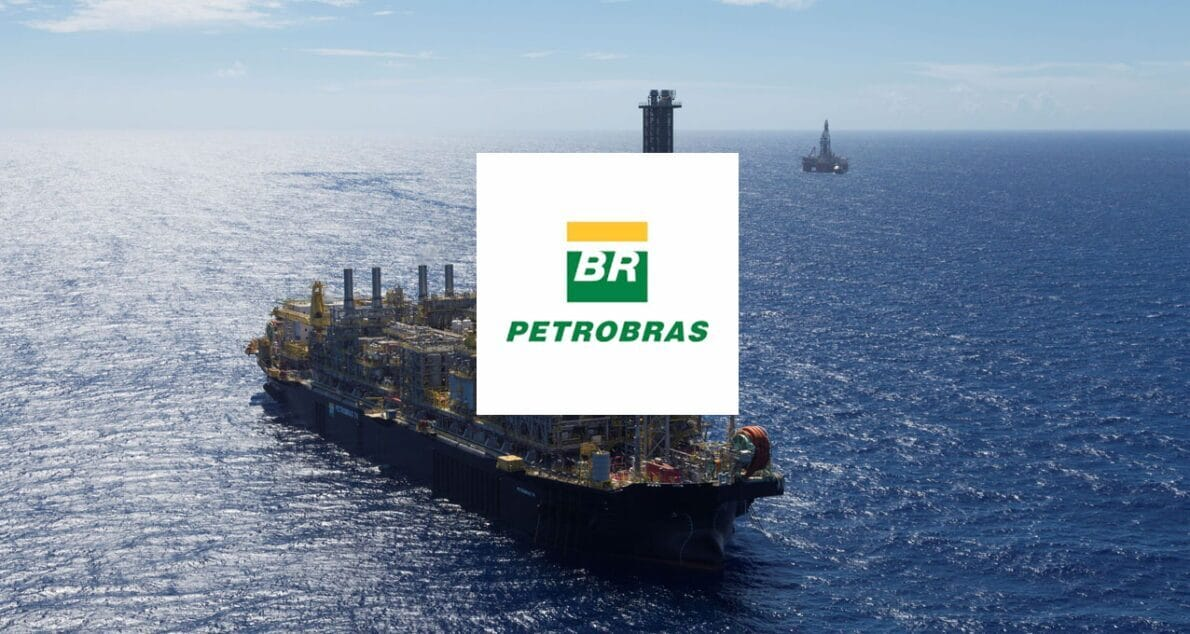

Petrobras Announces One of the Largest Plans in History! With 15 New Platforms Expected by 2030 and Billions in Investments, the State-Owned Company Aims to Lead the Global Market. The Pre-Salt Will Be the Center of This Expansion, Which Promises to Generate Thousands of Jobs and Boost the Economy.
At the heart of the Petrobras strategy, an ambitious plan promises to transform the energy sector.
The company plans to build a monumental fleet of 15 new platforms, solidifying its position as one of the largest oil companies in the world.
This expansion, in addition to shaking up the global market, also raises expectations about the impact on employment and the Brazilian economy. But what are the challenges to achieve these ambitious goals?
-
He sold his share for R$ 4 thousand, saw the company become a giant worth R$ 19 trillion, and missed the opportunity of a lifetime.

-
Elon Musk’s Starship megafrocket puts $8 billion at risk, raises alarms in the market, and could affect technology, mining, and space internet startups in the coming years.

-
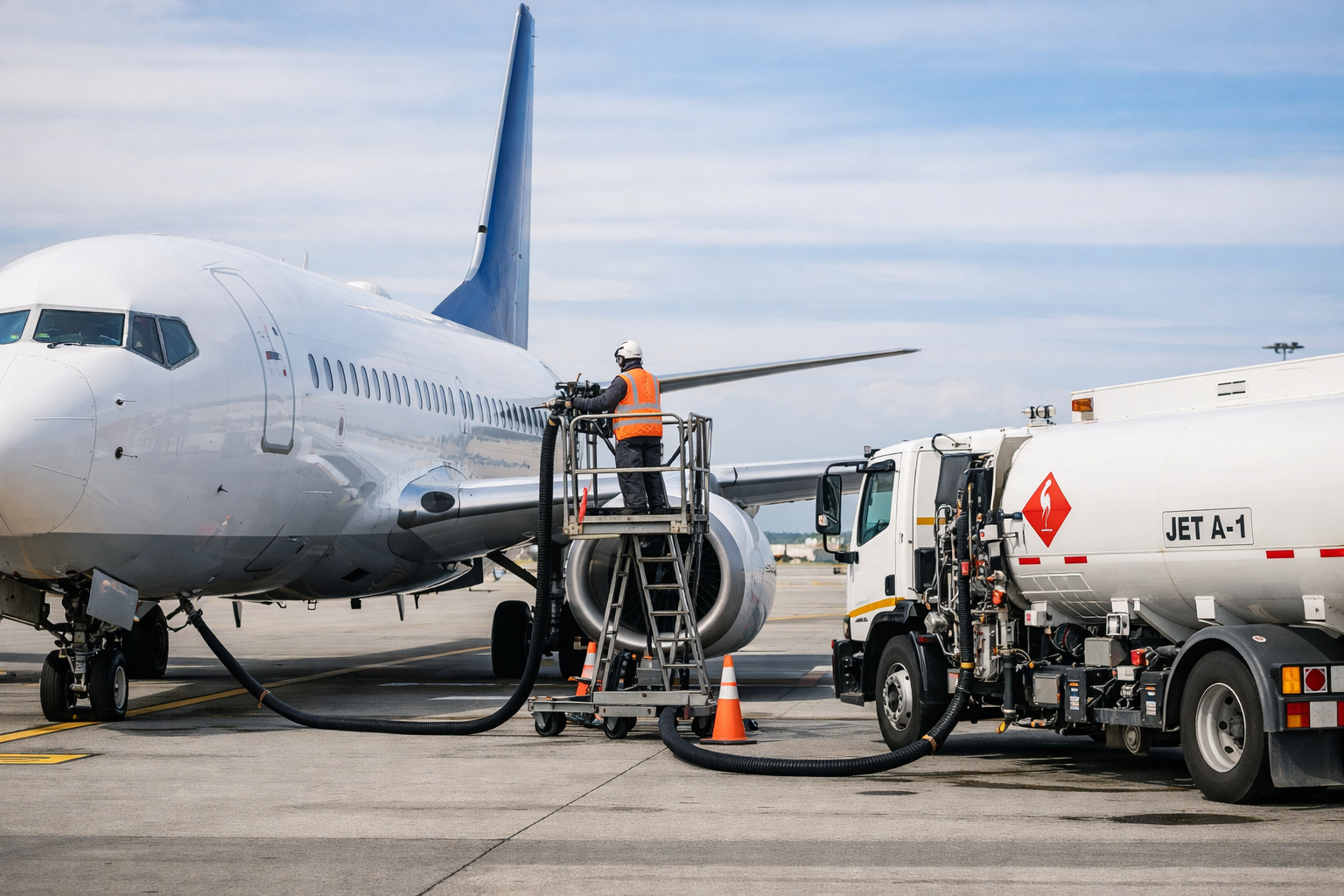
Airfare prices may rise with increasing fuel costs, and the government is considering urgent measures to avoid a direct impact on the wallets of Brazilians.
-
Chocolate prices soar nearly 15% and become a luxury item for Easter 2026, with increases surpassing inflation and changes in Brazilian consumption habits.


15 Platforms in 15 Years
According to the new strategic plan for 2025-2029, Petrobras expects to start the operation of 10 new production units by 2029, all located in the coveted pre-salt.
After this period, an additional five platforms are planned for the post-2030 period, distributed between the pre-salt and post-salt.
Among the first units to enter into operation is the FPSO Alexandre de Gusmão, in the Mero field, and the P-78, in the Búzios field, both expected to come online in 2025.
Before that, according to the Petronotícias website, the Almirante Tamandaré platform, also in Búzios, had its inauguration moved up to the end of 2024.
These projects reinforce Petrobras’s vision of achieving a production of 1 million barrels per day solely in the Búzios field.
Búzios: The Giant of the Pre-Salt
The Búzios field is the state-owned company’s center of attention.
In addition to the platforms planned for 2024 and 2025, other units are added to the schedule, such as the P-79 in 2026 and the P-80, P-81, and P-83, all operational by 2027.
As a result, the goal of consolidating Búzios as one of the most productive fields in the world gains strength.
By 2029, Petrobras will work alongside Equinor on the Raia project in the Campos Basin.
This partnership symbolizes the state-owned company’s effort to collaborate with foreign companies to achieve its ambitious goals.
Plans Beyond 2030
Petrobras’s horizon does not end with the 2025-2029 five-year plan.
After 2030, the company intends to inaugurate five additional platforms, including the P-85 (Sépia), revitalization projects for Albacora and Marlim, in addition to the Sergipe Deep Waters 1 and 2.
In addition, six other projects are in the study phase, including Búzios 12, revitalization of Tupi, and Mero 5.
These investments consolidate Petrobras’s role as one of the largest global players in the oil and gas sector.
Challenges of a Billion-Dollar Plan
With such bold targets, Petrobras faces complex challenges, especially regarding the supply chain.
According to Renata Baruzzi, Petrobras’s Director of Engineering, Technology and Innovation, financing and logistics difficulties are bottlenecks that need to be overcome.
During a recent visit to Singapore, Baruzzi sought to strengthen ties with potential suppliers to ensure that the demands are met.
In addition, adjustments to the contracting model have been made to facilitate the participation of companies in bids for platform vessels.
Sustainability and Decommissioning
While advancing in new projects, Petrobras also focuses on sustainability and the decommissioning of mature assets.
The sustainable disposal of equipment and the abandonment of wells will require US$ 9.9 billion over the next five years. These efforts aim to extend the life of production systems and minimize environmental impacts.
Exploration and Natural Gas
To offset the replenishment of reserves, the state-owned company has increased investments in exploration, totaling a CAPEX of US$ 7.9 billion.
The planning also includes initiatives to increase the availability of natural gas, an essential sector for energy diversification.
Impact on the Economy and Jobs
This mega plan not only positions Petrobras as a global giant but also generates expectations of thousands of new direct and indirect jobs in Brazil.
The movement of the supply chain and the billion-dollar investments promise to boost the national economy, especially in producing states.
Is Petrobras’s Future Guaranteed?
With such an ambitious plan, the question remains: will Petrobras be able to overcome the challenges and consolidate its global leadership?





O que o **** acha?