





 Portuguese
  English
  Spanish
 4 min of reading
  0 comments



Oil and Gas Are Highlights at I CBME, with the EPE Director Discussing Energy Transition, Sustainable Exploration, New Frontiers, Green Jobs, and Future Opportunities in Brazil
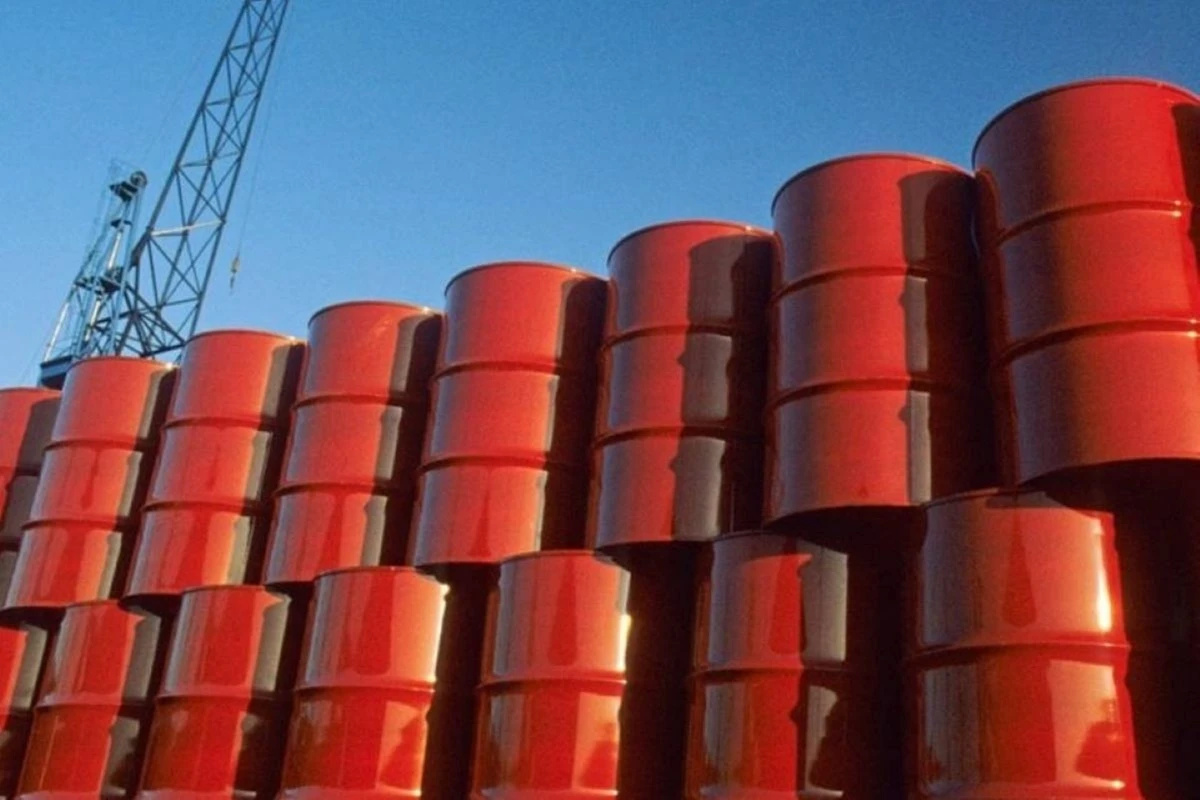
Oil and gas in Brazil are two topics that spark curiosity, as they are part of everyone’s lives, even when we don’t realize it.
From the gasoline that powers cars to the plastics used in everyday life, they are everywhere. But the big question is: how to continue using these resources while the world talks so much about clean energy?
This was precisely the debate that marked the Brazilian Congress of Mines and Energy (CBME 2025), held on September 23.
-
Petrobras confirms that it will reimburse amounts to distributors and return the price difference from the gas auction following a regulatory decision.
-
Petrobras buys back fields for billions — what no one is talking about regarding this decision and how it could impact jobs and oil in Brazil.

-
Revolution in the Northeast: Ceará accelerates investments in environmental technology and inaugurates an innovative plant that uses waste to promote sustainable sanitation.
-
Brazilian state reaches historic milestone in sustainability: Study reveals that nearly all the energy produced comes from clean sources and boosts the electric matrix of Minas Gerais.
The Director of Oil, Gas, and Biofuels Studies at the Energy Research Company (EPE), Heloisa Borges, presented a panel on “New Frontiers” and provided information that helps to understand where the sector is headed, according to an article published.
The meeting discussed exploration in areas such as the Equatorial Margin and the Pelotas Basin, as well as the need to integrate oil and gas into the energy transition.
More than just talking about fossil fuels, Heloisa emphasized that the main challenge is to balance economic growth, job creation, and environmental preservation.
The goal is simple: to seek an energy future that is inclusive, sustainable, and capable of reducing regional inequalities in Brazil.
Energy Transition: Key Word in the Oil and Gas Sector
During I CBME, Heloisa Borges highlighted the importance of thinking about oil and gas within the so-called energy transition, which involves moving to cleaner sources like solar and wind.
However, according to her, even with these transformations, the world will continue to need oil in any scenario, whether climate goals are achieved or not.
This vision is also present in the National Energy Plan (PNE), which aims to combine carbon neutrality with social inclusion, job creation, and reduction of inequalities.
Heloisa reminded that the energy transition needs to be fair, meaning it should bring benefits to all regions of the country without leaving anyone behind.
Thus, it becomes clear that the debate is not about completely eliminating oil and gas, but rather about using them in a balanced way while new technologies gain ground.
Sustainable Exploration: New Frontiers of Oil and Gas
Another highlight was the discussion about new frontiers in exploration, especially in the Equatorial Margin and the Pelotas Basin.
These regions are seen as strategic for Brazil, as they could increase production without neglecting environmental care.
Heloisa reinforced that, even in a scenario of climate neutrality, the global demand for oil will still exist.
Therefore, the strategy should focus on concentrating production in areas with lower pollution risk, something already mentioned by experts like Professor Roberto Shaeffer from UFRJ (Coppe).
This perspective on sustainable exploration shows that oil and gas will still have a central role in the country’s energy matrix, but with a focus on reducing impacts and better utilizing available resources.
Green Jobs and Opportunities in the Oil and Gas Sector
Another topic that caught attention was the social and economic impact of the sector. According to Heloisa Borges, the National Energy Plan foresees job and income generation as an essential part of the transition.
This means that, while Brazil advances in renewables, oil and gas continue to be engines of opportunity.
The idea is that investments in new frontiers and energy transition projects also create green jobs aimed at activities that respect environmental and social criteria.
This movement creates opportunities for workers in various regions of the country, strengthening the local economy.
Additionally, the debate reinforced that mining, fertilizers, and other areas related to energy are also part of this same development ecosystem. Thus, oil and gas connect with various strategic sectors in Brazil.
Brazil’s Role in the Coming Decades
The meeting at I CBME showed that Brazil has an important role in the global energy landscape. The country seeks to balance oil and gas exploration with advances in clean energy and carbon neutrality goals.
Heloisa Borges’ remarks made it clear that the demand for fossil fuels still exists, but the challenge is to reduce inequalities, generate jobs, and ensure that everyone has access to quality energy.
With this, Brazil positions itself as a reference in combining economic growth and environmental responsibility.







Seja o primeiro a reagir!