





 Portuguese
  English
  Spanish
  4 min of reading
  0 comments


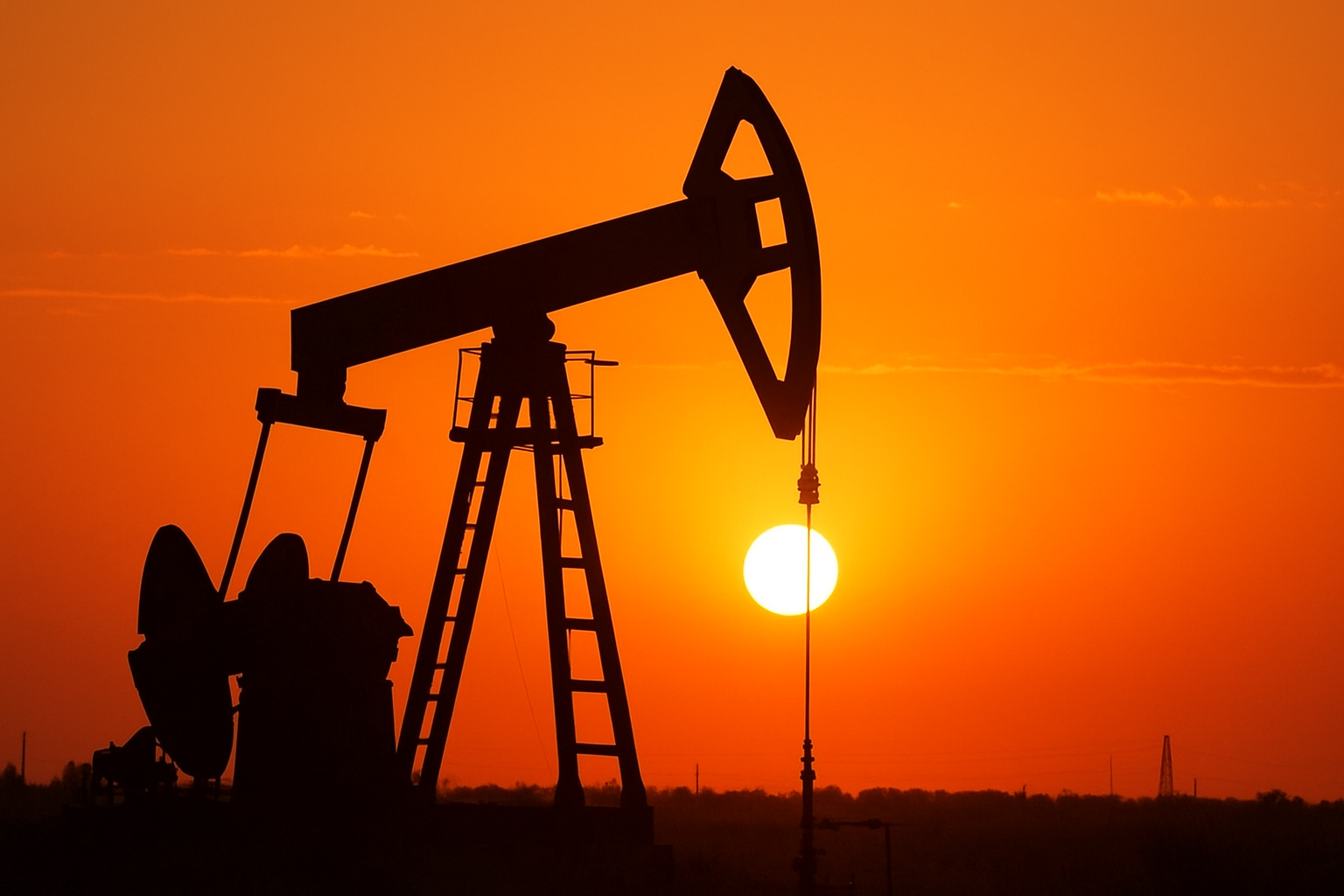
The recent decision by OPEC+ to keep oil production stable in the first quarter of 2026 has raised commodity prices. The measure reignites the debate on sustainability, as the world faces pressure to reduce emissions and seek clean sources.
At Monday’s market close, December 1, 2025, crude oil prices surged. The increase came just after OPEC+ announced its commitment to the current supply and signaled caution amid uncertainties in the global market.
Decision to Maintain Supply Concerns Environmentalists and Markets in Light of New Supply Risk — With Oil in the Spotlight
The recent decision by OPEC+ to keep oil production stable in the first quarter of 2026 has raised commodity prices. The measure reignites the debate on sustainability, as the world faces pressure to reduce emissions and seek clean sources.
-
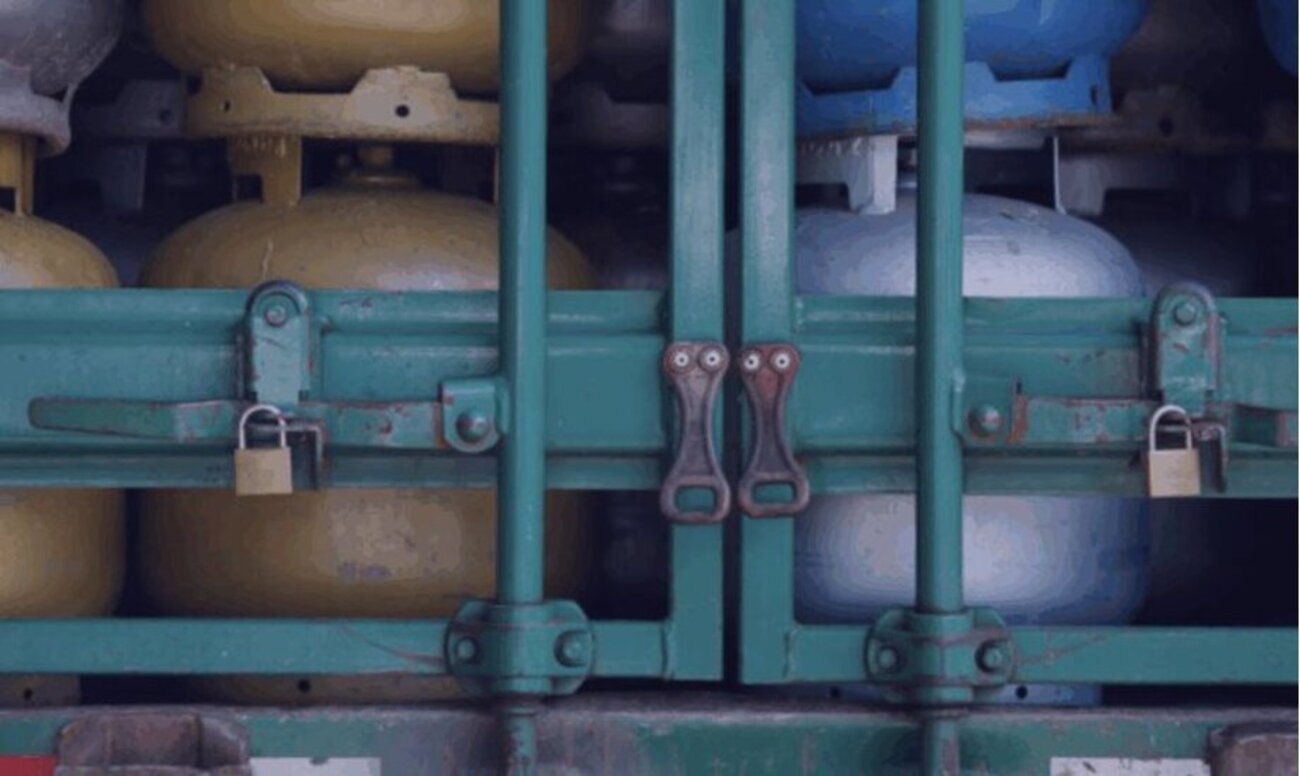
Petrobras evaluates suspension of sales to distributors and considers canceling the cooking gas auction following guidelines from the Federal Government.
-
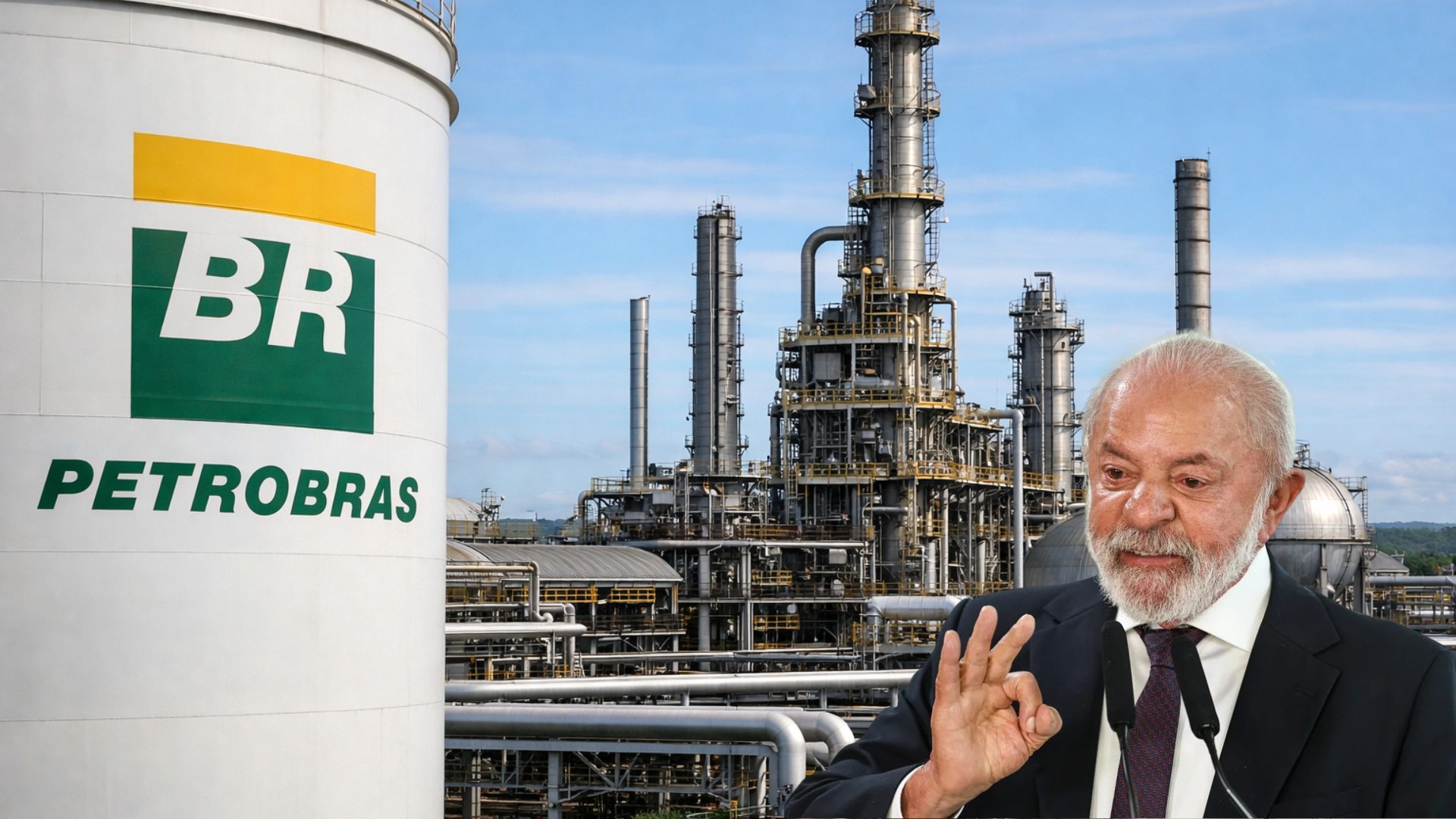
Lula reveals a masterstroke by Petrobras to undo a deal made by Bolsonaro, which involves the return of an important refinery that currently produces less than half of what was expected and makes Brazil dependent on international diesel.
-
A study confirms that the natural gas sector will reduce greenhouse gas emissions in Brazil by 0.5% and accelerate the energy transition by 2026.

-
Petrobras implements a severe adjustment and confirms a 55% increase in the price of aviation kerosene with a proposal for installment payments for the companies.


At Monday’s market close, December 1, 2025, crude oil prices surged. The increase came just after OPEC+ announced its commitment to the current supply and signaled caution amid uncertainties in the global market.
Decision to Maintain Supply Concerns Environmentalists and Markets in Light of New Supply Risk — With Oil in the Spotlight
The recent decision by OPEC+ to keep oil production stable in the first quarter of 2026 has raised commodity prices. The measure reignites the debate on sustainability, as the world faces pressure to reduce emissions and seek clean sources.
At Monday’s market close, December 1, 2025, crude oil prices surged. The increase came just after OPEC+ announced its commitment to the current supply and signaled caution amid uncertainties in the global market.
Market Reactions and Price Increases
Immediately after the decision, markets reacted. Oil futures rose by more than 1%. For instance, Brent oil futures closed at around US$ 63 per barrel.
This appreciation reflects the concern of agents and investors regarding the possibility of supply constraints in a global demand scenario that, while weak, still relies heavily on oil.
However, this increase raises a dilemma: while benefiting producers and oil-based economies, it strains the global energy transition and commitment to environmental sustainability.
Historical Context: The Cycles of Oil and Today’s Challenges
Oil has always been the engine of the world economy since the 20th century. However, environmental crises and climate change are demanding a rebalancing.
In recent decades, the world has begun questioning its dependence on fossil fuels, investing in renewable energy and carbon reduction targets. Yet, oil remains essential for transportation, industry, and the global economy.
In this context, OPEC+ decisions influence not only prices but also the trajectory of the global energy matrix. Each cut, maintenance, or increase in supply reverberates in the future of fossil sources and the urgency of a real transition.
The Sustainability Dilemma with Oil in Focus
With the recent increase, relevant questions arise. Firstly, the environmental impact: oil exploration and consumption maintain high CO₂ emissions and other greenhouse gases.
Secondly, the risk of prolonged dependence on fossil fuels. By keeping prices attractive, oil remains competitive against renewable alternatives, which may delay investments in clean energy.
Moreover, there is the economic vulnerability of countries dependent on oil exports. Price fluctuations, OPEC+ decisions, and geopolitical factors render their economies fragile amid global crises.
Therefore, the recent decision reinforces the urgency for policies that promote the energy transition with planning, diversification, and environmental commitment.
Possible Scenarios: The Future of Oil and Sustainability
If OPEC+ maintains its current profile through 2027, there is a chance that the global market will face new adjustments: the combination of controlled supply and uncertain demand may raise fuel prices and pressure energy policies.
This environment may encourage investments in renewables, energy efficiency, and technological innovation. The rise in oil prices makes clean energy more competitive in the long run.
On the other hand, if producing nations decide to increase production after 2026, the outlook for fossil sources will remain — which may delay the energy transition and intensify environmental impacts.
The ideal scenario for sustainability requires balance: rational use of fossil resources, gradual transition to renewables, and policies that protect the environment while ensuring energy security.
The Role of Governments and Society
Governments, businesses, and citizens need to seize moments like this to rethink strategies. The rise in oil prices should serve as a warning to accelerate the adoption of clean energy, energy efficiency, and emission reductions.
Furthermore, the economic diversification of oil-dependent countries is essential. Relying solely on the commodity weakens the economy in the face of external crises and environmental pressures.
Finally, transparency and regulation are fundamental. Especially in a global context of climate change, decisions like those of OPEC+ gain significance for society as a whole.








Seja o primeiro a reagir!