





 Portuguese
  English
  Spanish
  4 min of reading
  0 comments


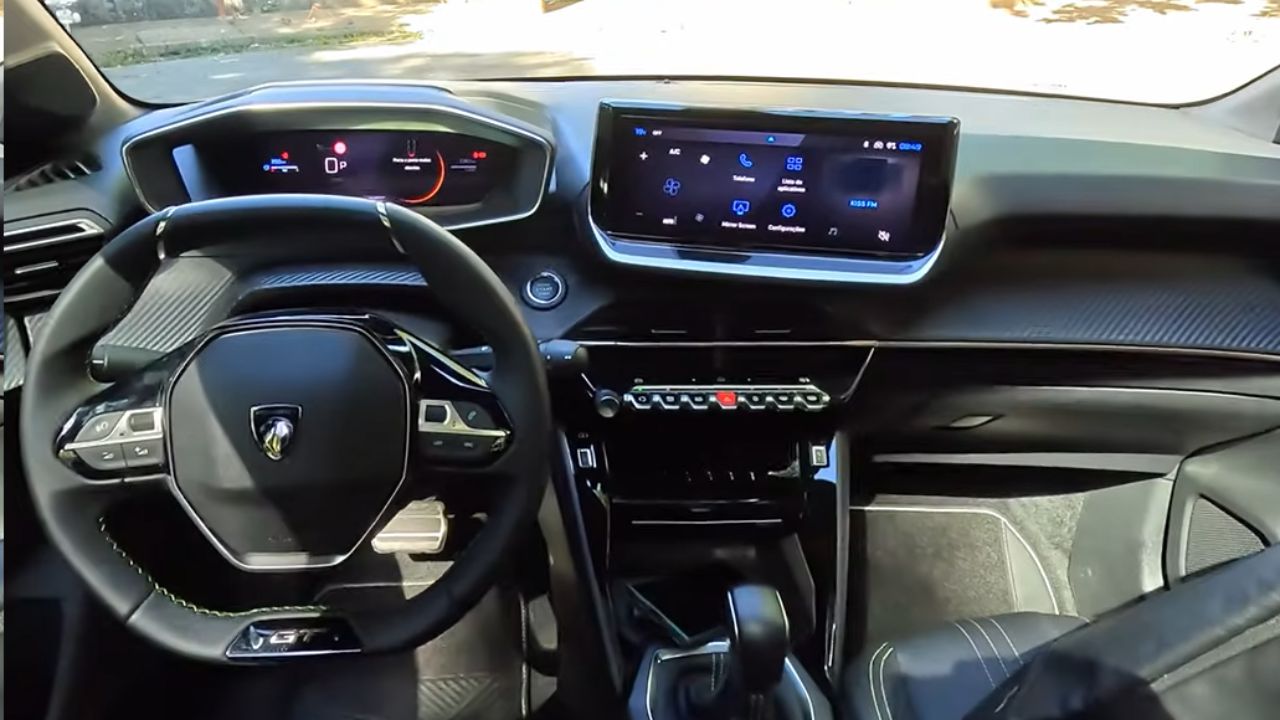
The Top Version Delivers Go-Kart Handling and Award-Winning Design, But the Light 12V Hybrid System Divides Opinions When It Comes to Cost-Benefit and Space.
The new PEUGEOT 208 HYBRID hits the market with the promise of being the definitive version of the French hatchback, positioning itself as the top option in the lineup. According to specialized evaluations from the channel Carro Chefe, this model stands out by offering the best driving experience in the segment. The combination of a short wheelbase with a firm suspension setup provides a “go-kart feeling”, ensuring fun at the wheel and cornering grip that surpasses direct competitors.
However, the nomenclature “Hybrid” requires a careful look from the consumer. The PEUGEOT 208 HYBRID utilizes a light 12V system that, in practice, does not drive the wheels electrically. Although the mechanical setup from the Stellantis shelf is robust and efficient, the model pays its price in utility aspects: it has the least interior space in the category, which raises debates about its viability for families, despite its stunning design and equipment list.
Performance and Mechanics: The Heart of the GT
Under the hood, the PEUGEOT 208 HYBRID boasts a 1.0 Turbo three-cylinder engine (T200), the same that powers Fiat models such as the Pulse and Fastback. This engine delivers 130 horsepower on ethanol and 126 on gasoline, with a vigorous torque of 20.4 kgfm available at just 1,750 rpm. The engineering includes a timing chain and direct injection, eliminating the need for an oil-bathed belt. Weighing in at 1,167 kg, the car presents a weight/power ratio of 8.9 kg/hp, justifying its urban agility and secure accelerations on the highway.
-
Thefts of catalytic converters are increasing in Brazil, a component that contains platinum, palladium, and rhodium, metals that can be worth more than gold, and can be removed from under a car in less than 2 minutes, causing losses of up to R$ 8,000 and only being noticed when the driver starts the vehicle and hears an extreme noise from the exhaust.

-
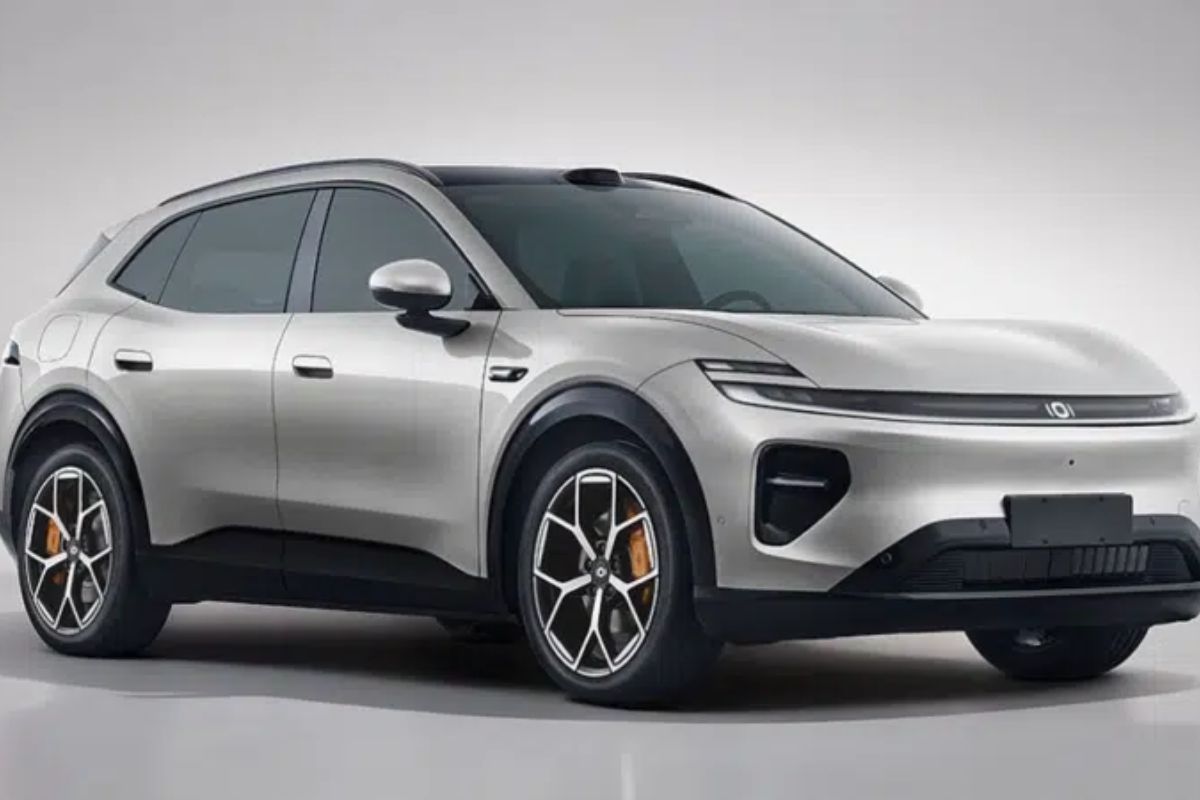
Changan launches Nevo Q06 with 800V architecture and 6C ultra-fast charging, AWD option with two rear motors, EV and EREV versions, LiDAR on the roof, and up to 14 different wheels now.
-
Losses that can exceed R$ 15,000 affect owners of Jeep Renegade and Compass after a failure in the heat exchanger mixes oil with coolant, generating emulsion in the system and causing overheating that can destroy the transmission.

-
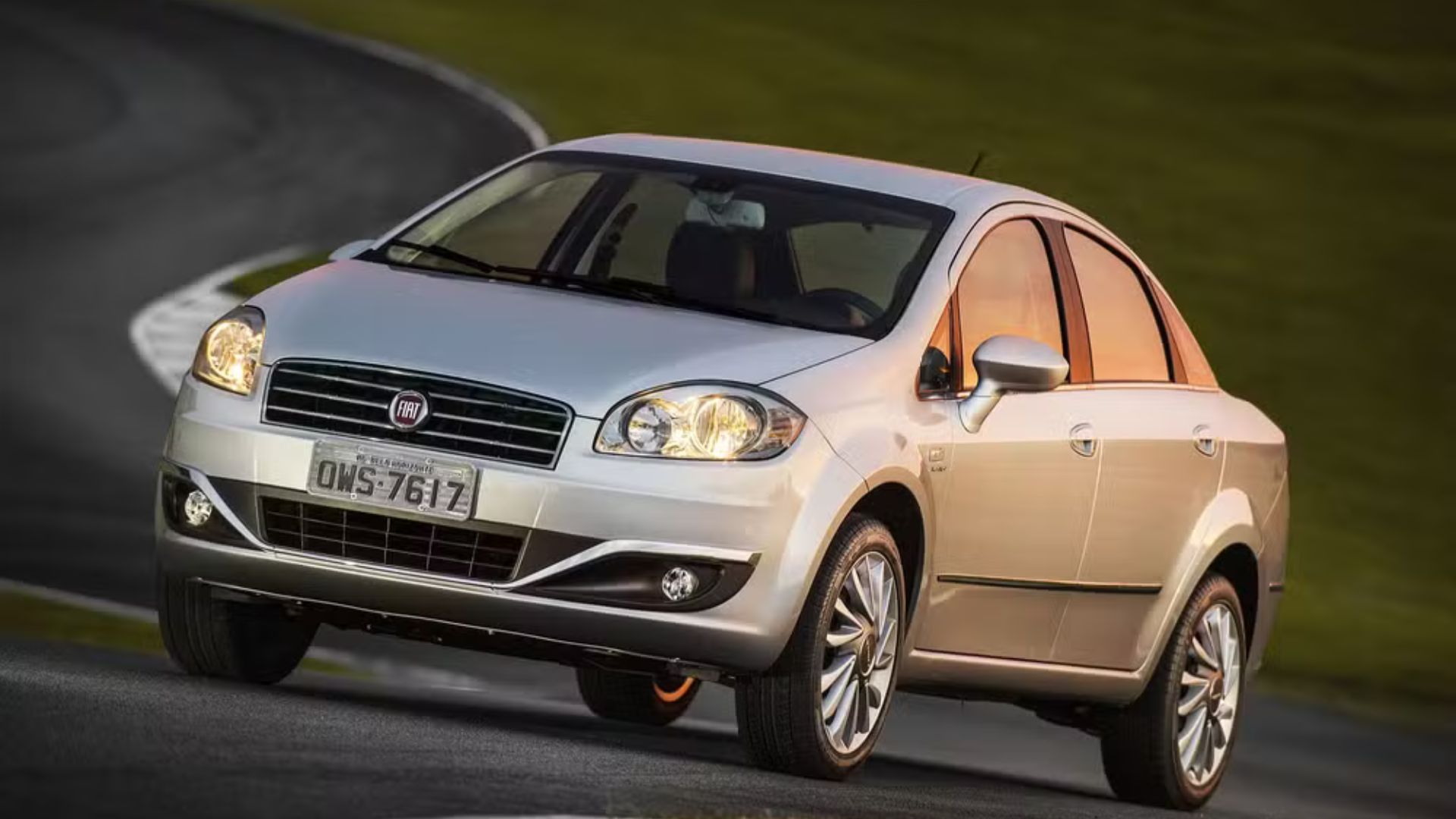
Car starting from R$ 29 thousand with Fiat’s unbreakable engine: 4 used options with up to 167 hp, 23 kgfm, and 0 to 100 km/h in 7.4 s; turbo with overboost and surprising performance.
The management of this power is handled by a CVT with seven simulated gears (supplied by Toyota), which pairs well with the engine. The dynamic behavior is the highlight: the car’s platform allows for quick lane changes and high-speed stability that few rivals can match. However, the rear drum brakes and torsion beam suspension (non-independent) are cost-saving features that stand out against the price charged for the GT version.
The Truth About the 12V Hybrid System


It is essential to clarify the functioning of the technology present in the PEUGEOT 208 HYBRID. Unlike conventional or plug-in hybrids, this model uses an MHEV (Mild Hybrid) system. A small battery, located under the driver’s seat, stores energy to power electronic components and peripherals, “unburdening” the combustion engine from this task. The system replaces the conventional alternator but does not generate traction for the wheels.
In practice, this means that the driver will not drive in 100% electric mode at any time. The gain in fuel consumption is marginal, serving more to comply with emission regulations than to provide significant savings at the pump. The main benefits for the owner end up being fiscal and regulatory, such as the exemption from the municipal traffic restriction in São Paulo and discounts on vehicle tax in some states, depending on local legislation.
Interior, Technology, and Limited Space
The interior of the PEUGEOT 208 HYBRID remains a reference in design, featuring the i-Cockpit concept (small steering wheel and elevated dashboard) and an interior that, while heavy on plastics, has pleasant textures. The digital instrument panel with 3D effect is a visually impactful technological highlight. The equipment list includes a panoramic sunroof (which doesn’t open, being merely glazed), a cooled wireless charging pad, and multimedia with wireless connection for Android Auto and Apple CarPlay.
However, the interior space is the “ Achilles heel” of the project. The rear seat is extremely cramped; with a driver measuring 1.83m, the legroom for rear passengers is practically nonexistent (about two fingers). The 265-liter trunk is modest, and the lack of air vents or USB ports for rear occupants diminishes the experience. Furthermore, the rearview camera, marketed as “360º view”, is actually a simulation that records the image as the car moves, without real front sensors.
Real Consumption and Market Verdict
In practical tests cited by Carro Chefe, the consumption of the PEUGEOT 208 HYBRID averaged 12 km/l in the city and 14.5 km/l on the highway with gasoline. On ethanol, the numbers drop to 9 km/l and 11 km/l, respectively. These are honest figures, but they reinforce that the mild hybrid system does not perform miracles in energy efficiency.
With a list price hovering around R$ 135,000 (though dealership promotions may reduce this amount considerably), the model is positioned as a niche car. It is ideal for singles or couples without children who prioritize style and driving pleasure above all else. For those needing family versatility, the limited interior space makes the purchase unfeasible, being the “less rational” model but certainly the most exciting in the category.
Do you believe that the exemption from traffic restrictions and the pleasure of driving justify the price of this version, or is the “mild hybrid” system just marketing? Leave your opinion in the comments; we want to know if you would buy this “false hybrid” or prefer a conventional SUV for the same price.








Seja o primeiro a reagir!