





 Portuguese
  English
  Spanish
  5 min of reading
  2 comments


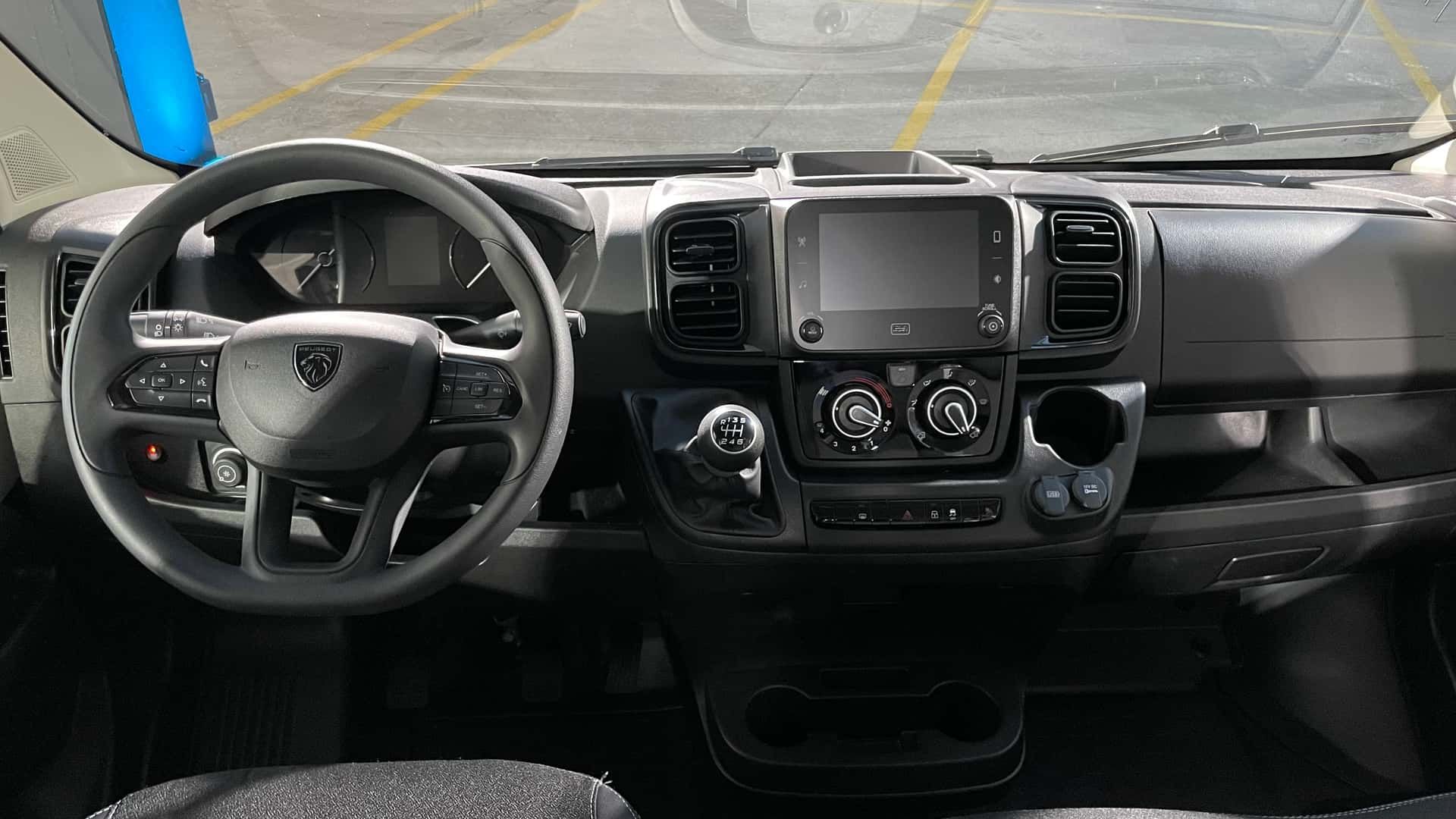


Model Bet On Connectivity, Enhanced Ergonomics, and Robust Safety Package to Compete in the Van and Utility Segment in the Brazilian Market.
Peugeot officially presented the 2026 line of the light commercial Boxer in Brazil.
The model arrives with a 2.2 turbodiesel engine, capacity for up to 18 occupants, and a series of visual, mechanical, and technological innovations.
The automaker seeks to strengthen its presence in the van segment, targeting traditional competitors such as Toyota Hiace, Fiat Ducato, and Ford Transit, and is betting on differentiators that include a robust equipment package, customization options, and connected services.
-
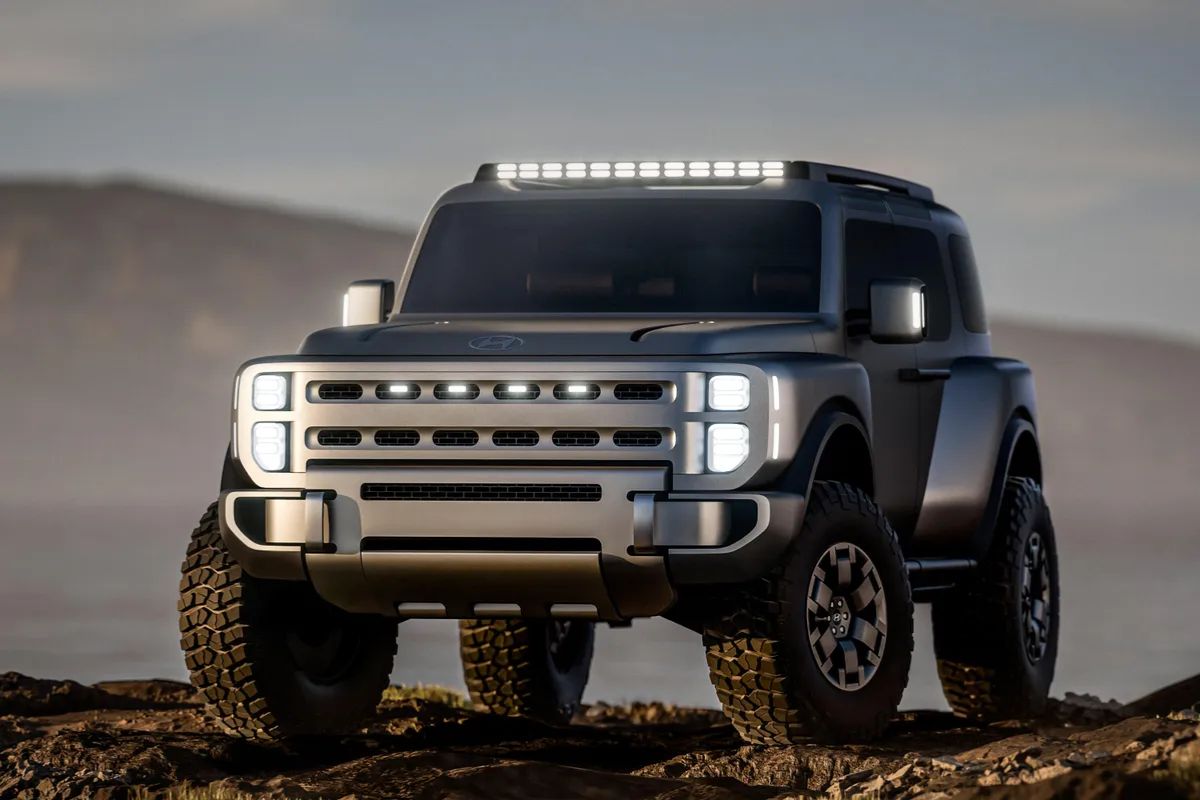
Hyundai has unveiled the Boulder, a square SUV with a body-on-frame design, 37-inch mud tires, and carriage-style doors that seems to be made to take on the Ford Bronco and the Scout Traveller in the United States.
-
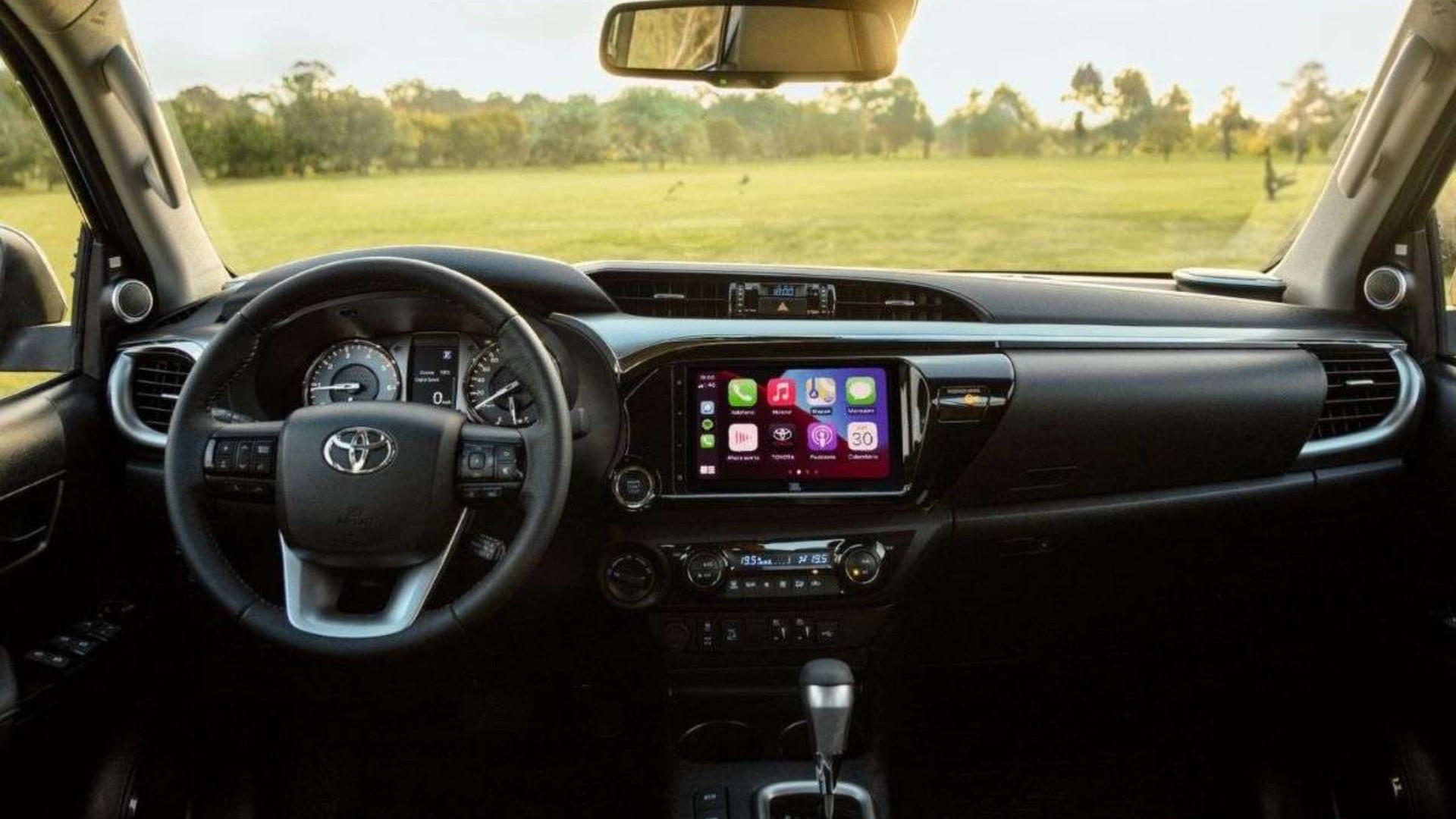
The Toyota Hilux is R$ 75.5 thousand cheaper and bets on the 2.8 turbodiesel engine with up to 204 hp and 50.9 kgfm to catch up with the VW Saveiro, which leads with 4,472 sales.
-
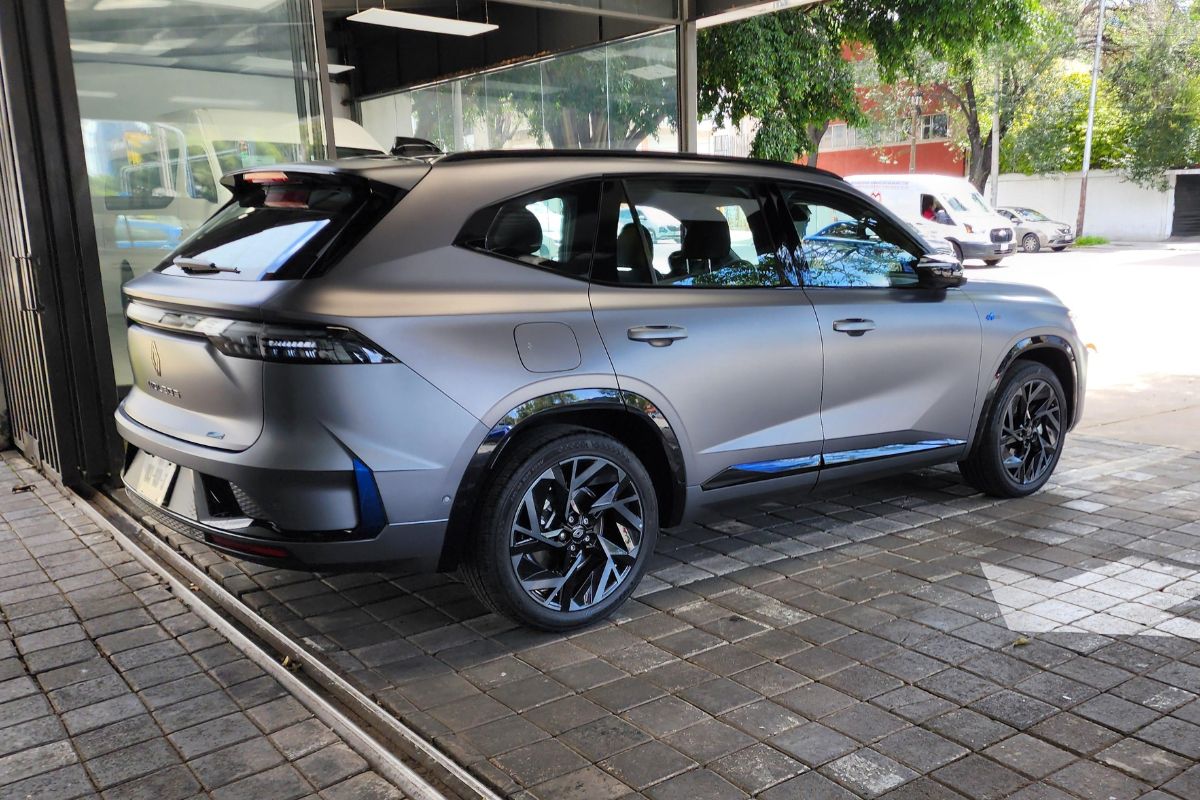
The new Renault Koleos has a screen exclusively for the passenger that is invisible to the driver, heated rear seats, and 29 assistance systems, but its Chinese competitors cost R$ 40,000 less and deliver more power.
-
The car stored for 38 years: when opening the barn door, what appears is breathtaking and looks like a scene from a movie!


Dimensions and Versatility of the Peugeot Boxer 2026 Van
The new generation of the Peugeot Boxer maintains its versatility by being offered in versions for cargo and passenger transport.
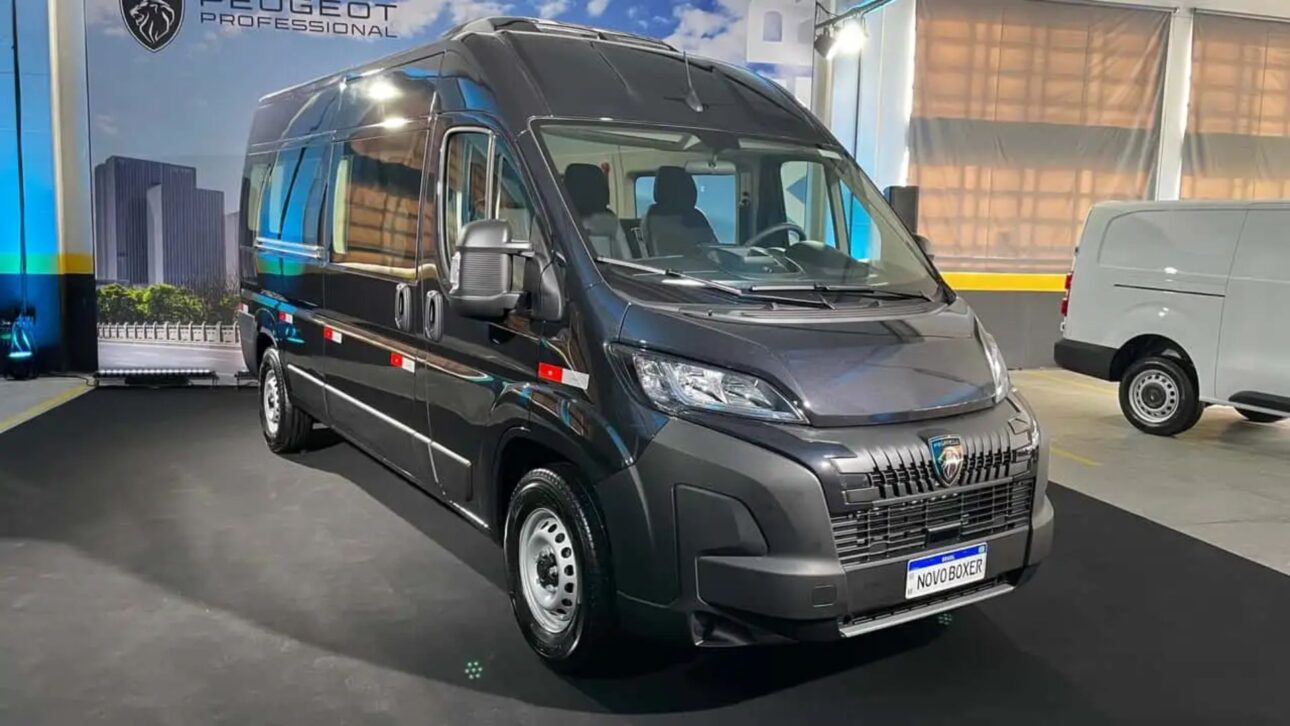
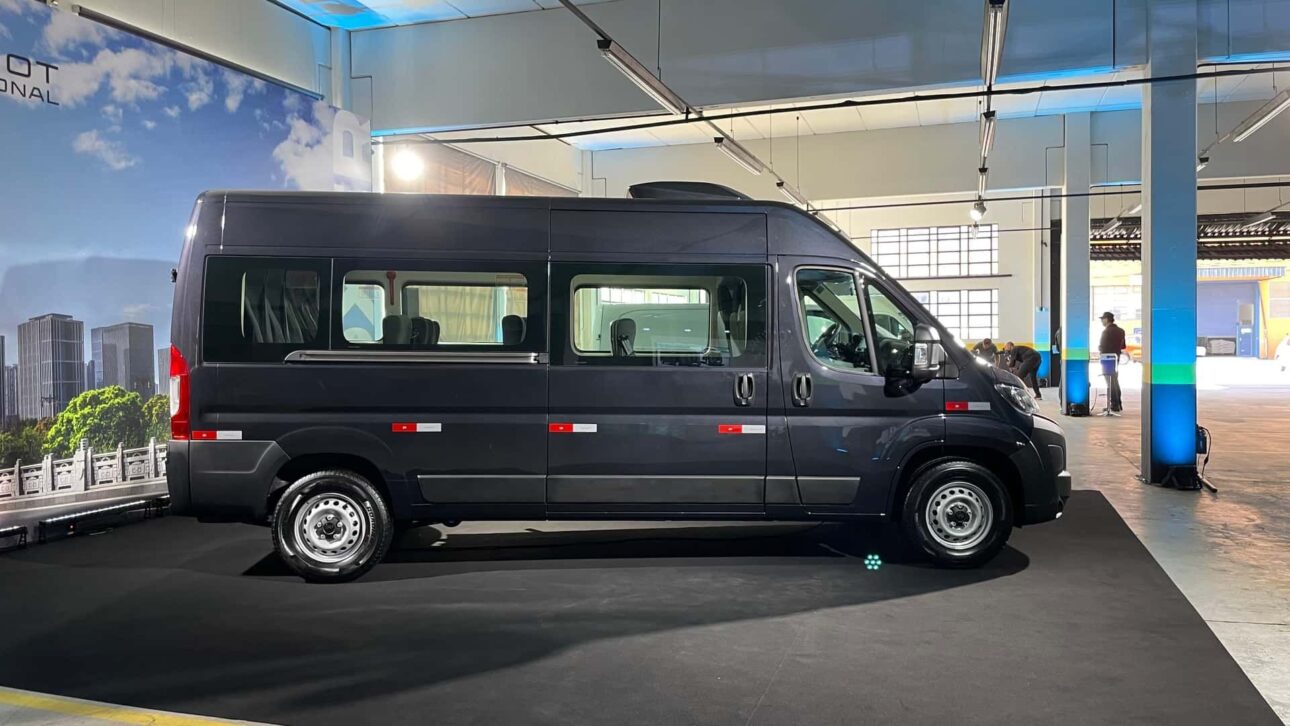
The L3H2 configuration is standard for the entire line, with a length of 5.99 meters, a wheelbase of 4.03 meters, a height of 2.52 meters, and a width of 2.10 meters (2.69 meters with mirrors).
These dimensions were planned to balance volumetric capacity and maneuverability, favoring operations in urban centers and highways.
Renovated Visual and Internal Improvements
The external design has been revamped.
The front now features a new grille with the brand’s updated logo, as well as a redesigned bumper.
The headlights now include daytime running lights (DRL), still with halogen bulbs, while the side mirrors have been enlarged and aerodynamically optimized, facilitating driving and maneuvers in urban environments or loading areas.
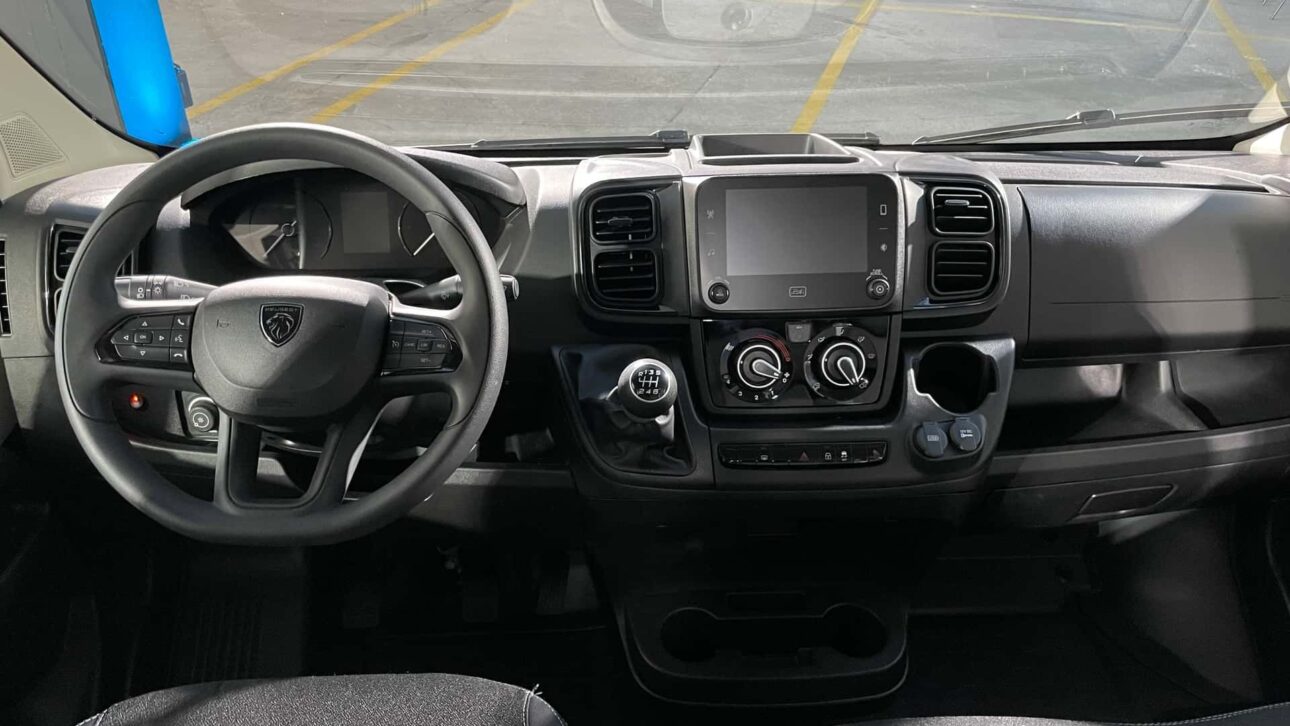
Internally, all versions of the Peugeot Boxer 2026 received updates to the dashboard, which now offers more storage compartments, cup holders, USB-C ports, and a dashboard lighting with a black background and white light.
The multimedia system now allows wireless mirroring for Android Auto and Apple Carplay, enhancing connectivity for drivers and passengers.
The ergonomics have also been improved with a new steering wheel, shift knob, and seats with increased density foam, providing more comfort during long trips.
Safety Equipment and Technology
Regarding safety and drivability, the Peugeot Boxer 2026 now includes as standard electric steering, rear parking sensors, stability control, trailer stabilization control, hill start assist, tire pressure monitoring, crosswind assist, and post-collision braking system.
The version intended for passenger transport adds a rearview camera and blind spot monitor, enhancing protection for drivers and passengers.
Turbodiesel Engine and Performance of the Peugeot Boxer 2026
The 2.2 turbodiesel engine is the main highlight of the line.
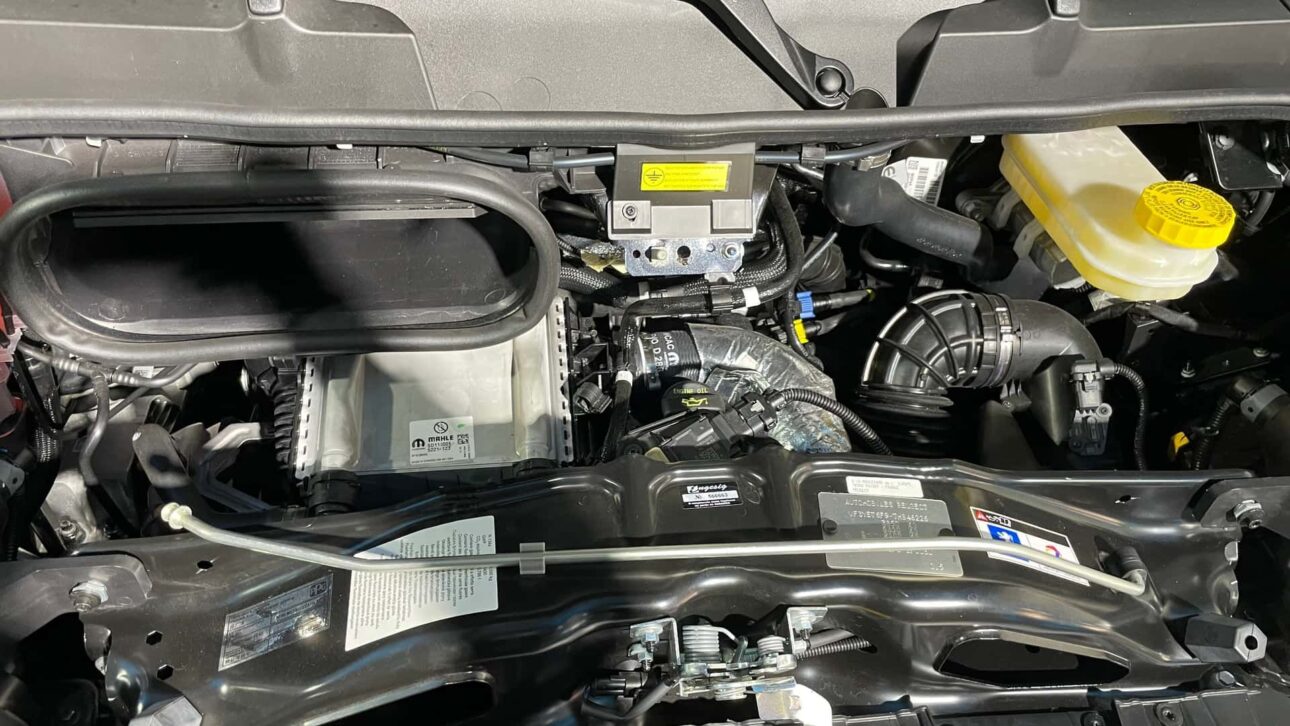
The unit gained a variable intake manifold, variable geometry turbine, and a new liquid-cooled intercooler.
Although the power remains at 140 horsepower, the torque has been increased to 35.7 kgfm.
According to Peugeot, fuel consumption has also improved: the urban average is now 10.8 km/l, while on the road it reached 10.4 km/l, representing advancements of up to 8% compared to the previous generation.
The transmission remains a six-speed manual, with no plans for an automatic option – a characteristic that still differentiates the Boxer from rivals like the Ford Transit, which already offers an automatic transmission.
Versions, Load Capacity, and Passenger Transport
The Peugeot Boxer 2026 line consists of four main versions.
For cargo transport, the Cargo and Van configurations are available, both with 13 cubic meters of usable area.
The Cargo version can carry up to 1,240 kg, with a gross vehicle weight (GVW) of 3.5 tons and can be driven with a category B license, with no restrictions for circulation in urban areas.
On the other hand, the Van version reaches 1,590 kg of useful load and a GVW of 3.85 tons, requiring a category C driver’s license.
In the passenger segment, there are the Minibus Comfort version, with capacity for 17 passengers and the driver (17+1), and the Minibus Luxury, which carries 15 passengers and the driver, offering more space between seats.
These variations enhance the competitiveness of the Boxer against models such as Fiat Ducato, Citroën Jumper, and Toyota Hiace, all recognized in the Brazilian market.
Differentiators in Connectivity, Services, and After-Sales
One of the key differentiators highlighted by Peugeot is the MyPeugeot Pro connected services package, which integrates tracking, telematics, and fleet monitoring via app and website.
The system, free in the first year, also allows for online maintenance scheduling at Peugeot Professional workshops.
According to the manufacturer, “connectivity provides greater control for the fleet manager and helps reduce operational costs”.
The Boxer 2026 also now offers rear doors that open up to 270º as standard in all versions, facilitating loading and unloading operations in docks or dry ports – a feature that was optional until the previous line.
Among the after-sales innovations, Peugeot has certified ten transformation companies to customize the vehicles according to customer needs, without losing the one-year warranty.
Additionally, Peugeot Financial Services allows for financing both the vehicle and any adaptations.
Fixed-price service packages and a scheduled number of maintenance visits can be included in the financing, protecting the buyer from annual price increases.
Prices of Versions and Maintenance of the Peugeot Boxer 2026
The suggested prices for the Peugeot Boxer 2026 line, in the Small Business table, are:
- Cargo: R$ 260.473
- Van: R$ 266.941
- Minibus Comfort (17+1): R$ 319.592
- Minibus Luxury (15+1): R$ 327.242
According to the brand, “the full prices of the vehicle are not disclosed to the public.”
The scheduled maintenance table, valid for all versions, provides for maintenance every 20,000 kilometers or 12 months, whichever occurs first.
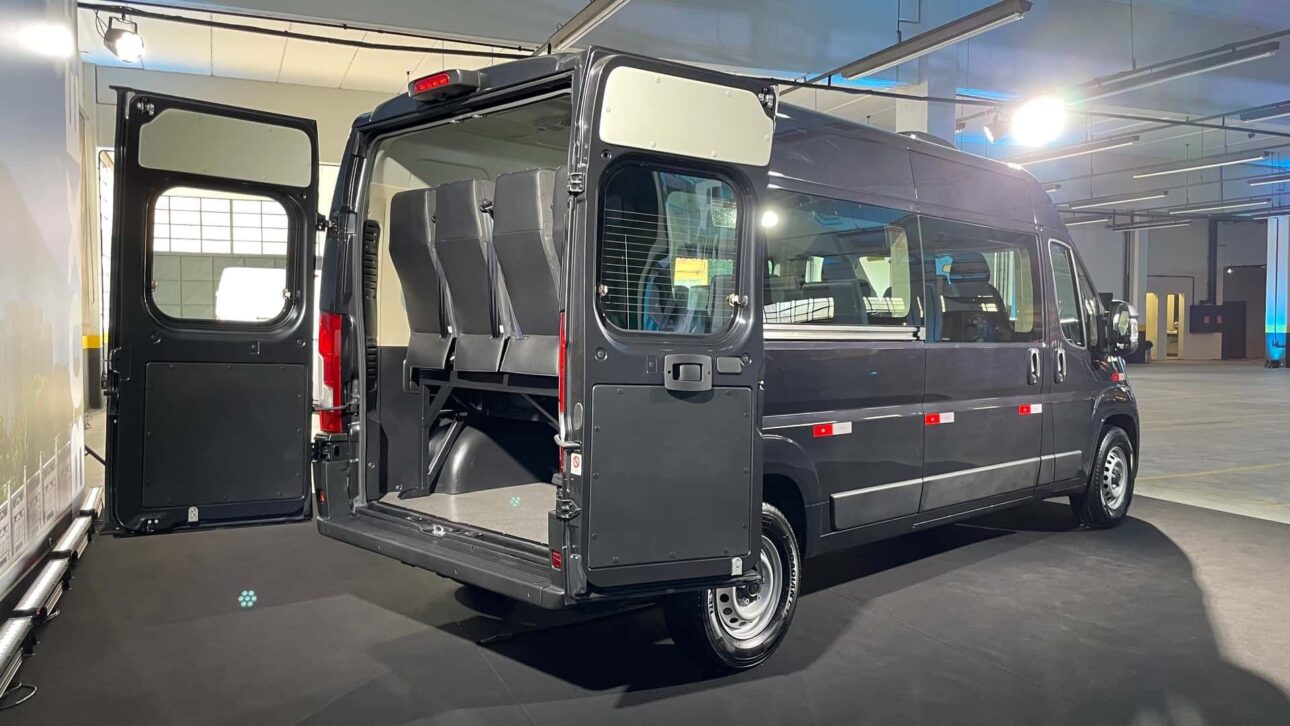
Prices range between R$ 1,612 (20,000, 100,000, 140,000 km) and R$ 4,596 (120,000 km), depending on the required services outlined in the maintenance plan.
Peugeot Boxer 2026 Competes in the Market with Rivals
The arrival of the Peugeot Boxer 2026 in the national market reinforces the French automaker’s strategy to compete with Fiat Ducato, Citroën Jumper, Toyota Hiace, and Ford Transit, betting on differentiators such as connectivity, configuration flexibility, and safety equipment packages.
In light of the new offerings, the competition in the van and light truck segment is expected to intensify even further in the coming months.
For you, what weighs more in the choice of a utility vehicle of this size: onboard technology, maintenance costs, comfort, or customization possibilities?





Será q vai passar dos 100 mil km? Tem 2 aqui fundida, obs uma trocou motor garantia já
Carro bom, manda trazer a gasolina flex, diesel no brasil não presta