





 Portuguese
  English
  Spanish
  5 min of reading
  0 comments



The Newest Municipality in Brazil Was Created in 2013, Has Just Over 3,000 Inhabitants, and Still Struggles to Establish Itself as an Independent City. From the Pride of Emancipation to Infrastructure Challenges, Its History Reflects the Dilemmas of Creating New Municipalities in the Country.
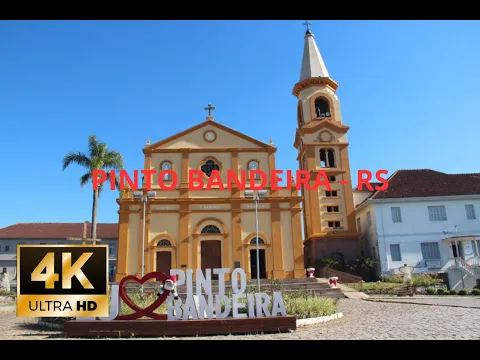
In a country with more than 5,500 municipalities, few know that the youngest of them can still be considered a “teenager.” Officially created in 2013, the municipality of Pinto Bandeira (RS) has only 12 years of existence and symbolizes the challenges of a city that still fights to establish itself as an independent federative entity.
With just over 3,000 inhabitants, the city was born out of a process of emancipation from a larger municipality, after years of political disputes, legal actions, and demands from residents who wanted more administrative autonomy. Since then, it has faced the challenge of proving that it can stand on its own, balancing budget, basic infrastructure, and public policies. Nonetheless, Pinto Bandeira has already gained national prominence by combining winemaking tradition and natural beauty, becoming a reference in the production of sparkling wines and gastronomic tourism in the Serra Gaúcha.
The Emancipation Process: A Struggle of Decades
The birth of a new municipality in Brazil is not simple. Since the 1990s, the federal government has begun to restrict the creation of cities through Constitutional Amendment No. 15/1996, which established stricter criteria for emancipations.
-
Sleeping at different times each day can be a bomb for your heart and even double your risk of having a heart attack.

-
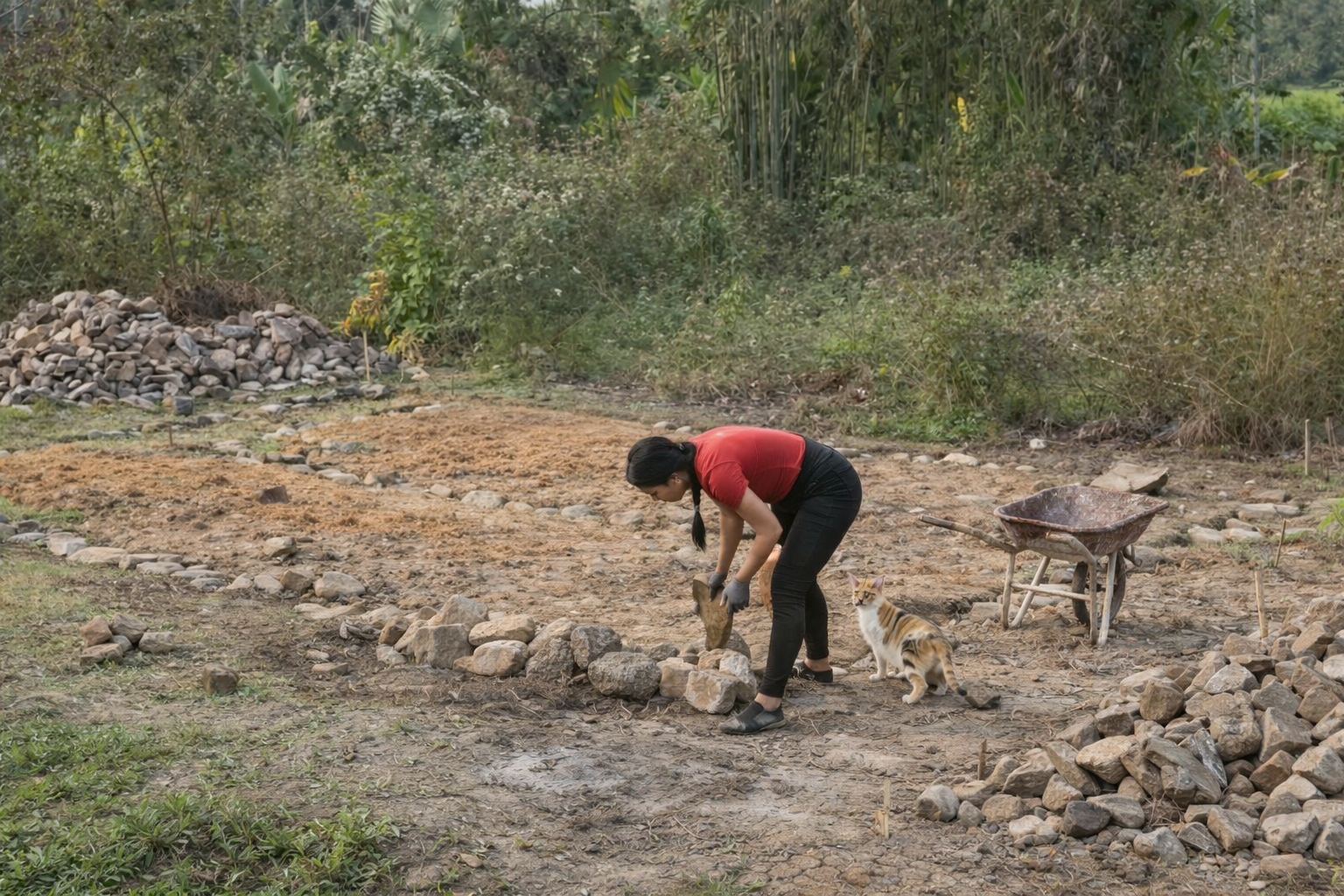
Without help and without heavy machinery, a woman builds a house from scratch with stone, wood, and cement, erects a chimney, creates a complete leisure area, and transforms an empty lot into her dream home.
-
Couple transforms abandoned house after years of being closed; residence was overgrown with weeds, had a green pool, and a deteriorated structure in the interior of Rio de Janeiro.

-
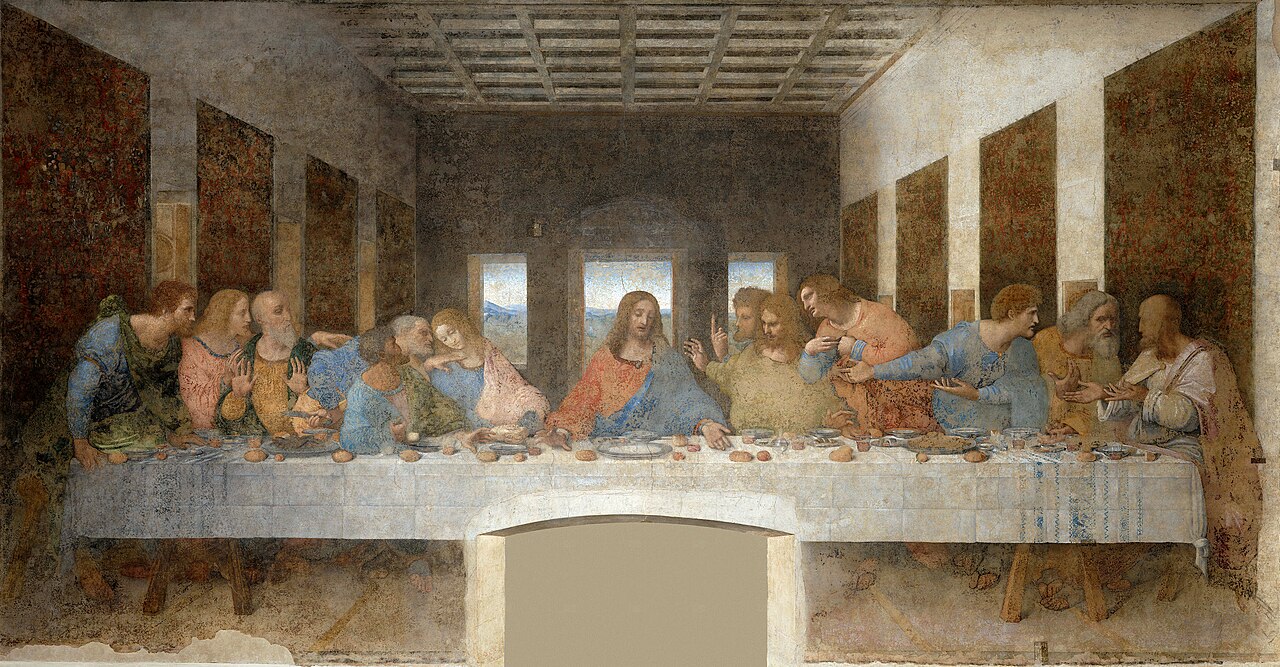
Hidden marks on the walls of the site associated with the Last Supper of Jesus for centuries have been deciphered in Jerusalem, revealing medieval inscriptions left by pilgrims, European nobles, and travelers from the Middle East.
In the case of the newest municipality in the country, the fight for independence began in the 1990s. Residents claimed that, as a district, the area suffered from administrative neglect and did not receive adequate attention in health, education, and infrastructure. After plebiscites, state laws, and a lengthy legal battle, the emancipation of Pinto Bandeira was confirmed in 2013.


A Small City in Population, but Large in Challenges
Despite having just over 100 km² of area and about 3,000 inhabitants, Pinto Bandeira faces typical obstacles faced by many small municipalities in the interior. The municipality still seeks to expand urban and rural infrastructure, with ongoing paving works and improvements in rural roads.
In the economy, family farming and wineries sustain a good part of the local activity, which makes municipal revenue limited and dependent on state and federal transfers. In public services, schools and health posts serve the population, but there is a constant need for investments to meet demand, especially in rural areas. With a tight budget, the city hall balances maintaining basic structure and investing in areas that ensure quality of life and development.
Life in a Newly Created City
For residents, living in the newest municipality in Brazil means dealing with contrasts. On one hand, there is the pride of a unique identity, with new symbols, anthem, and local festivals that reinforce the autonomy achieved. On the other, there is the frustration of seeing that reality still does not exactly match the dream sold during the emancipation process.
According to testimonies from community leaders in Pinto Bandeira, the creation of the city brought advancements: greater presence of local public services, own schools, and municipal management closer to the population. However, problems such as low budget, dependence on state transfers, and limitations in job creation remain obstacles.
How Does a New City Sustain Itself?
The main economic base is family farming, especially the cultivation of grapes, artisanal wines, vegetables, and small agro-industries. The municipality also seeks to rely on rural tourism as an income alternative, taking advantage of natural landscapes, wineries, and cultural traditions.
However, without large companies or industrial parks, tax collection is low. This causes the city to heavily depend on the Municipal Participation Fund (FPM), a federal transfer that guarantees a significant portion of the revenue for small localities.
Comparison with Other Young Municipalities
The case of the newest municipality in Brazil is not isolated. Other cities created recently have also faced similar dilemmas:
- Luís Eduardo Magalhães (BA), emancipated in 2000, took years to structure its basic services, but today it is one of the main agricultural hubs in the country;
- Mojuí dos Campos (PA), created in 2010, still struggles with deficient infrastructure, despite advances in sectors such as health and education.
These examples show that emancipating a municipality is not just a political decision, but a long-term process that requires planning, efficient management, and economic development policies.
A National Issue: Should We Create New Municipalities?
The experience of the newest municipality in Brazil reignites the debate on emancipation. For some experts, new cities generate more costs for the Union, with an increase in the number of city halls, municipal chambers, and political positions. For others, local autonomy can mean greater administrative efficiency, as remote districts gain their own management.
The National Congress has discussed various times projects to allow the creation of new municipalities, but the topic is controversial. According to studies by the National Confederation of Municipalities (CNM), more than 400 Brazilian districts have ongoing emancipation movements but remain stalled due to a lack of legislation.
Pinto Bandeira Is Already a Reference in Sparkling Wines and Enogastronomic Tourism
Despite being a young municipality, Pinto Bandeira has already gained national prominence by combining winemaking tradition and natural beauty. Recognized as the first exclusive Designation of Origin for sparkling wines in Brazil, the city has turned its vineyards into references for quality and prestige.
This success has also boosted enogastronomic tourism, attracting visitors interested not only in tasting award-winning labels but in experiencing the unique landscape of the Serra Gaúcha, characterized by valleys, mountains, and a welcoming atmosphere. Beautiful and welcoming, Pinto Bandeira shows that even at a young age, it can stand out on the national stage for its combination of nature and excellence in sparkling wines.









-

-

-

-

-

-

189 pessoas reagiram a isso.