Portuguese
  Spanish




The “Fathers of Wind,” Henrik Stiesdal and Andrew Garrad, Warn About the Risks of Donald Trump’s Policies That Threaten to Halt the Advancement of Wind Energy and Global Energy Transition. Experts Highlight Economic and Environmental Impacts.
Amid the global growth of renewable energies, two of the biggest names in wind energy — Danish Henrik Stiesdal and British Andrew Garrad — expressed deep concern over the direction of U.S. energy policy under the influence of Donald Trump. Known as the “fathers of wind,” the engineers warn that the former American president’s recent attacks on clean energy represent a dangerous setback in the fight against climate change.
According to them, the current scenario reflects a growing climate apathy and a resistance to the energy transition that the planet urgently needs to undertake. “Trump’s government represents a shift in mood that could negatively impact global efforts to combat climate change,” Garrad stated during a meeting with journalists specialized in sustainability.
Donald Trump and the Direct Impact on Wind Energy Policies
Since the beginning of his term, Trump has been one of the biggest critics of wind energy, questioning its efficiency and suspending green incentives created by previous administrations. This political stance has caused immediate effects on major companies in the sector, particularly in the offshore segment.
-
Billion-Dollar Winds Propel Wind Energy Growth in Brazil, Boosting Unprecedented Technical Workforce Development

-
Brazil filled the Northeast with wind turbines but now faces the side effect of 705 giant blades reaching the end of their lifespan by 2032 just in Rio Grande do Norte, while the world projects 43 million tons of waste by 2050.
-
Brazil has filled the Northeast with wind turbines, but now it faces the side effect of 705 giant blades reaching the end of their useful life by 2032 just in Rio Grande do Norte, while the world projects 43 million tons of waste by 2050.
-
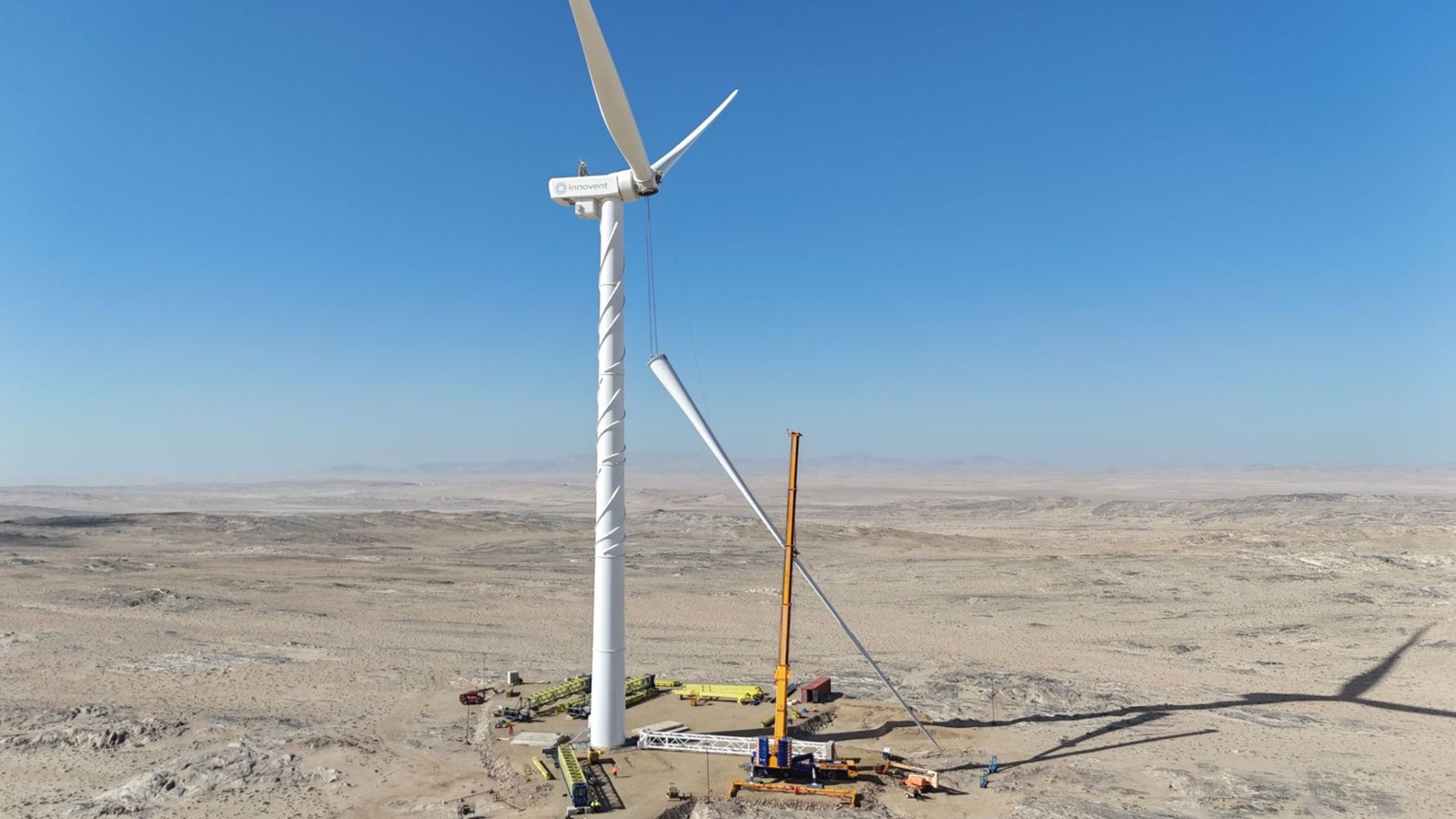
Wind farm in Namibia will have wind turbines assembled without giant cranes and is expected to avoid 200,000 tons of carbon dioxide per year when it becomes operational.


Danish Orsted, considered the largest wind energy company in the world, saw its shares plummet more than 80% since the peak in 2021. The drop was exacerbated after U.S. government orders to suspend the development of an almost completed offshore wind farm.
Another European giant, Vestas, is also feeling the effects of political instability. The company’s CEO, Henrik Andersen, stated that while the company maintains a solid supply chain in the United States, “recent policy changes create uncertainties that affect long-term planning.”
These obstacles, according to the “fathers of wind,” jeopardize not only the energy transition but also thousands of jobs and billions of dollars in investments in the wind sector.
Rhetorical Attacks and Misinformation About Wind Energy
Trump’s criticisms of the sector go beyond administrative measures. The former U.S. president has described offshore wind turbines as “pathetic” and “expensive.” In a speech at the UN General Assembly, he stated that the “green energy fraud” could lead countries to economic failure.
These statements, widely contested by the scientific community, have been classified by experts as climate misinformation. Researchers point out that climate change denial occurs just as extreme events — such as heatwaves, wildfires, and hurricanes — become increasingly frequent and devastating.
Stiesdal, who developed the design principles for modern wind turbines and led the installation of the world’s first offshore wind farm in 1991, preferred not to comment directly on Trump but emphasized that there is “a fundamental misunderstanding among those who oppose the energy transition.”
According to him, “many supporters of conservative policies directly benefit from the reduction of energy costs and job opportunities brought about by renewable energies, even without realizing it.”
Wind Energy as a Pillar of Energy Security and Local Development
For the pioneers of wind energy, the debate needs to go beyond party politics. They argue that the local benefits of clean energy generation — such as energy security, skilled jobs, and regional growth — must be communicated more clearly to society.
Henrik Stiesdal and Andrew Garrad emphasize that wind energy is not just an environmental issue but also a strategic factor of energy sovereignty, especially in light of geopolitical crises that affect the supply of fossil fuels.
“Wind energy represents one of the biggest opportunities for sustainable economic development of our time,” Garrad stated. “But it requires vision and political commitment for this to become a reality.”
International Recognition and the Legacy of the “Fathers of Wind”
Both engineers will be honored with the Queen Elizabeth Engineering Prize 2024, awarded by King Charles III in a ceremony at St. James’s Palace in London. The award recognizes the transformative impact of their contributions to the global wind energy industry and the fight against climate change.
Henrik Stiesdal and Andrew Garrad believe that the moment demands more than technological innovation — it requires political leadership and collective commitment to maintain the advancement of renewable energies, even in the face of rhetoric that seeks to discredit them.