





 Portuguese
  English
  Spanish
  4 min of reading
  0 comments


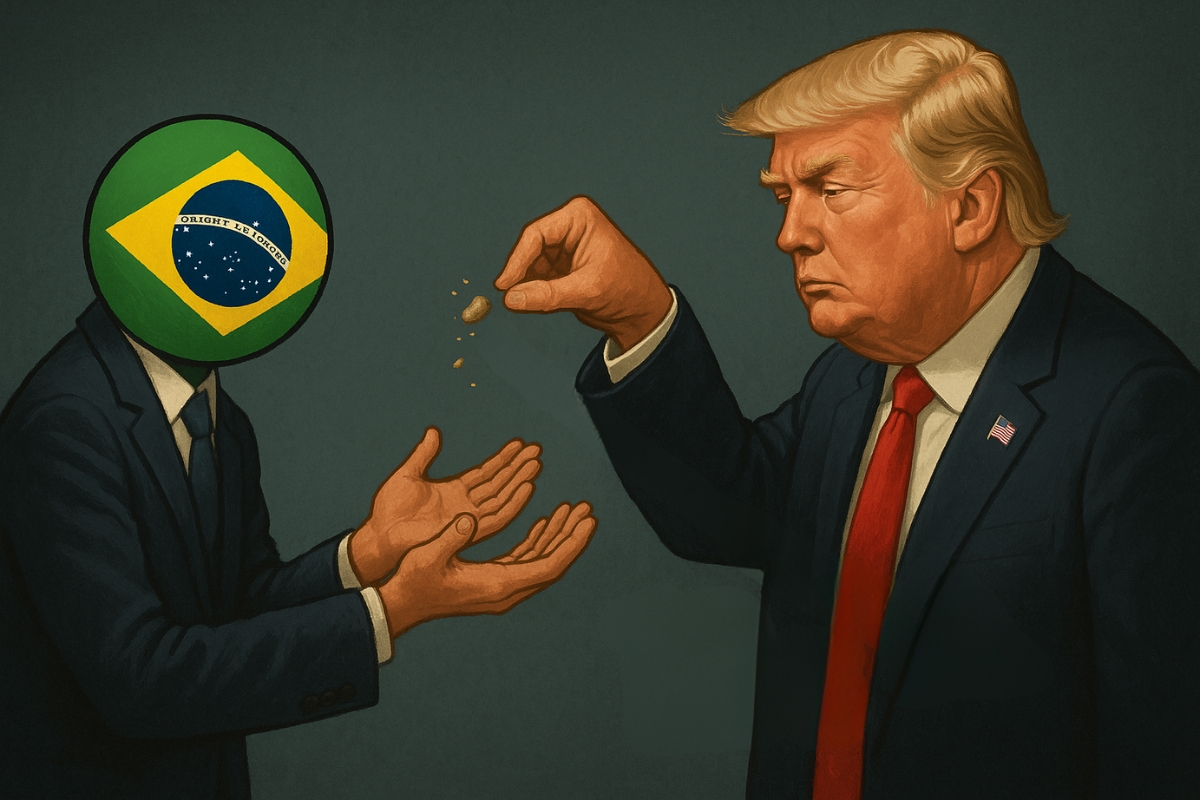
The U.S. Only Reduced 10% of Tariffs and Maintained the 40% Tariff, Leaving Brazil with Minimal Relief While Negotiations Remain Stalled and Export Sectors Continue to Suffer
The decision by the Donald Trump administration to reduce some of the tariffs applied to Brazil seemed, at first glance, like a significant diplomatic victory. However, when analyzing the numbers and the political context, the gesture loses its strength.
The effective reduction was only ten percent, an amount insufficient to concretely alleviate the burden that the forty percent tariff has imposed on Brazilian exports since August. The announcement does not dismantle the core of the American measure and highlights that the trade tension between the two countries is still far from being resolved.
Even with the partial removal of the tariffs, the Brazilian government claims that the economic impact is much lower than initially reported. The additional exemption increased the volume of Brazilian products entering without surcharge from twenty-three to twenty-six percent, a modest variation considering the size of the American market.
-
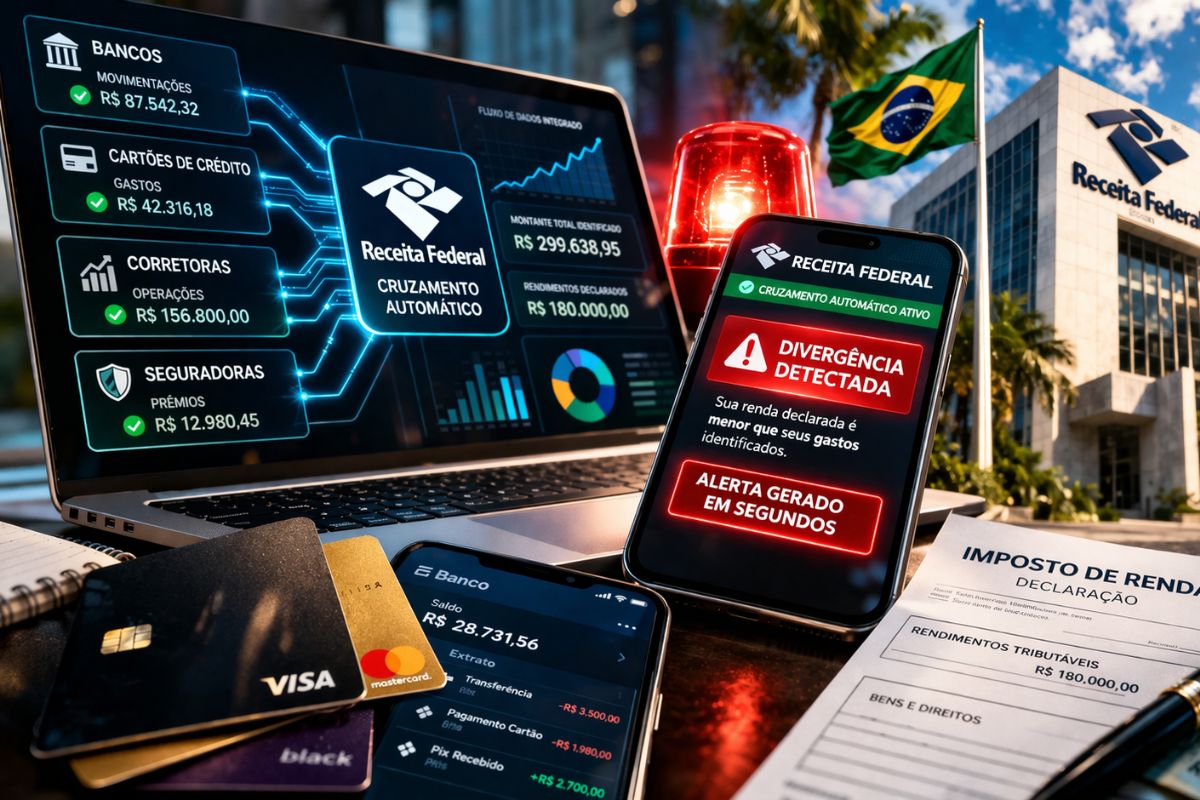
The Federal Revenue Service now automatically cross-references everything you declare with data from banks, credit cards, brokerage firms, and insurance companies, and any discrepancy between your income and your expenses triggers an alert in seconds.
-
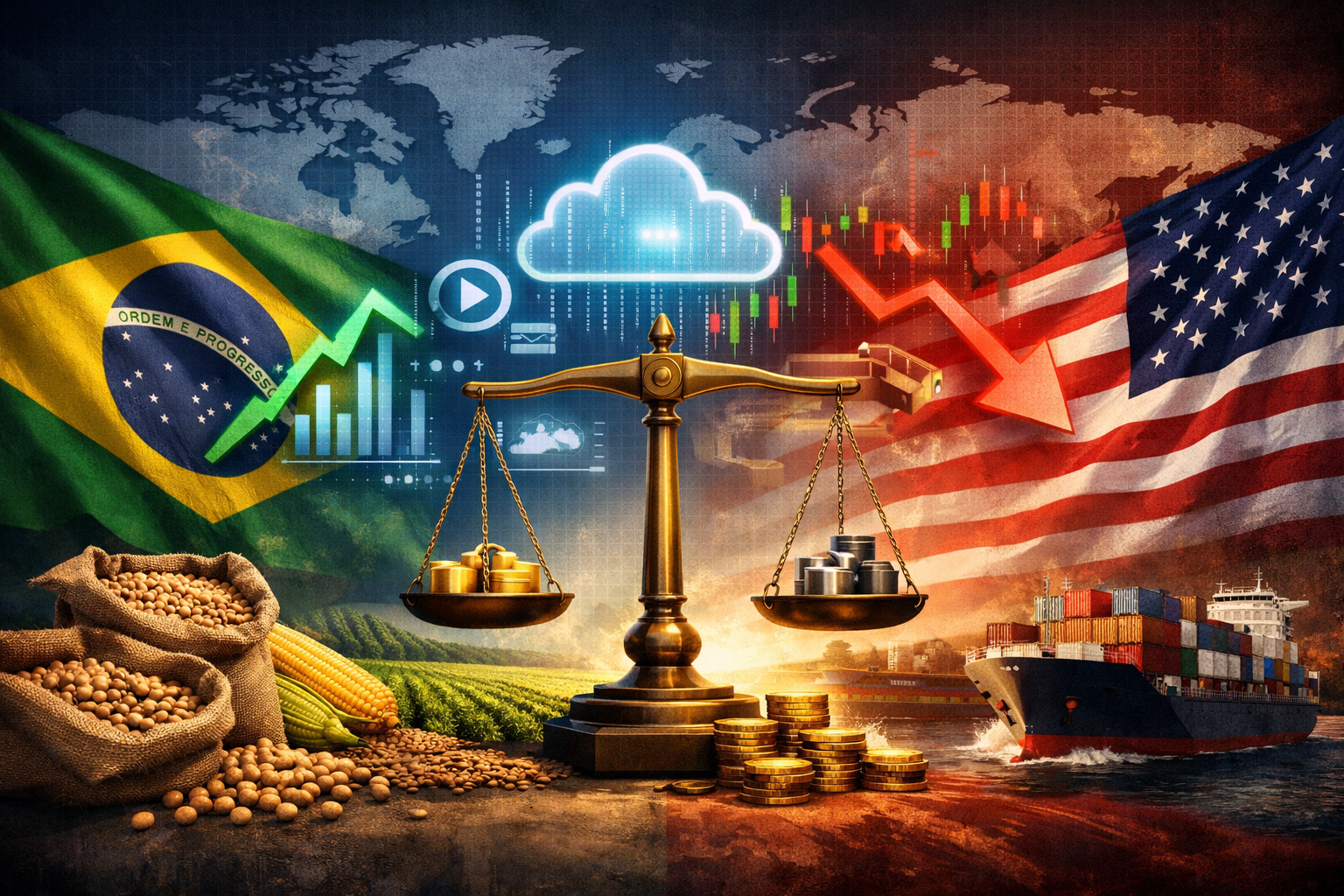
Amid global tensions, Brazil blocks the United States’ proposal at the WTO and paves the way for a trade crisis and possible retaliations.
-
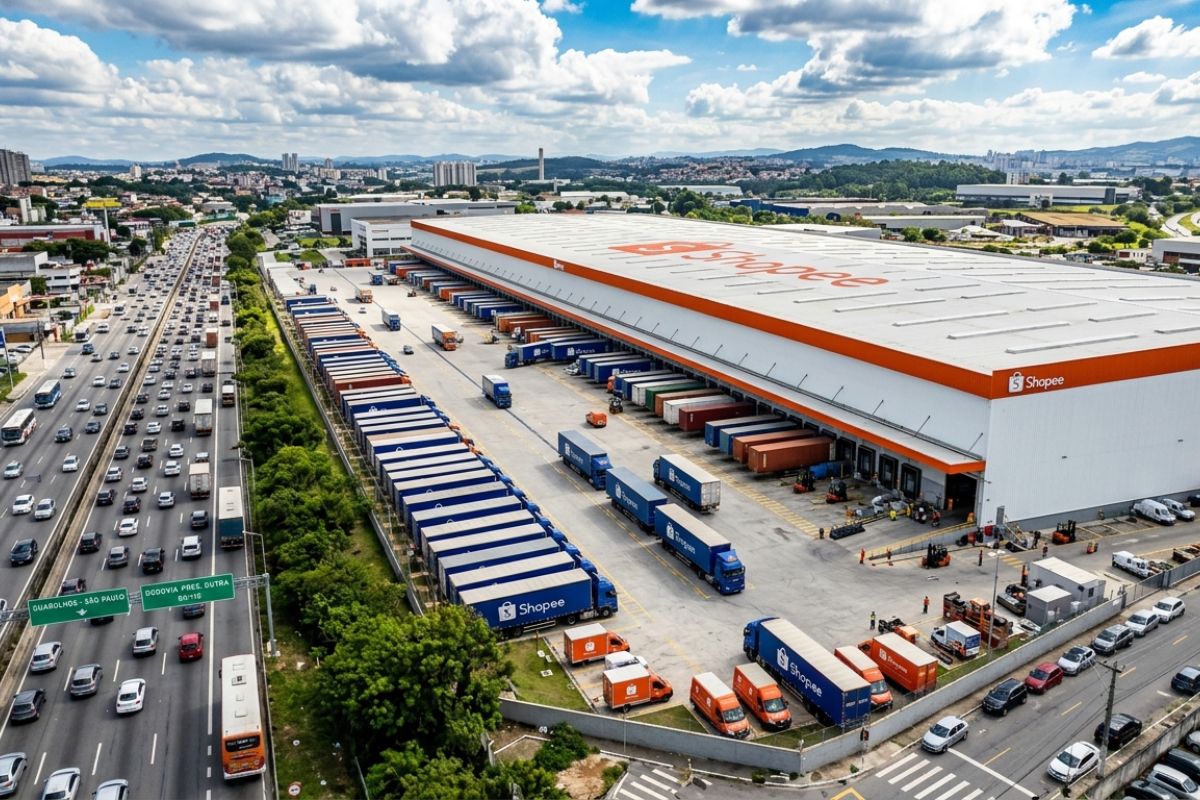
Shopee opens the largest logistics warehouse in Brazil in Guarulhos: 220,000 m² on Dutra, contract signed before construction, pays R$ 45/m² and accelerates deliveries at scale, putting pressure on Mercado Livre and Amazon.
-
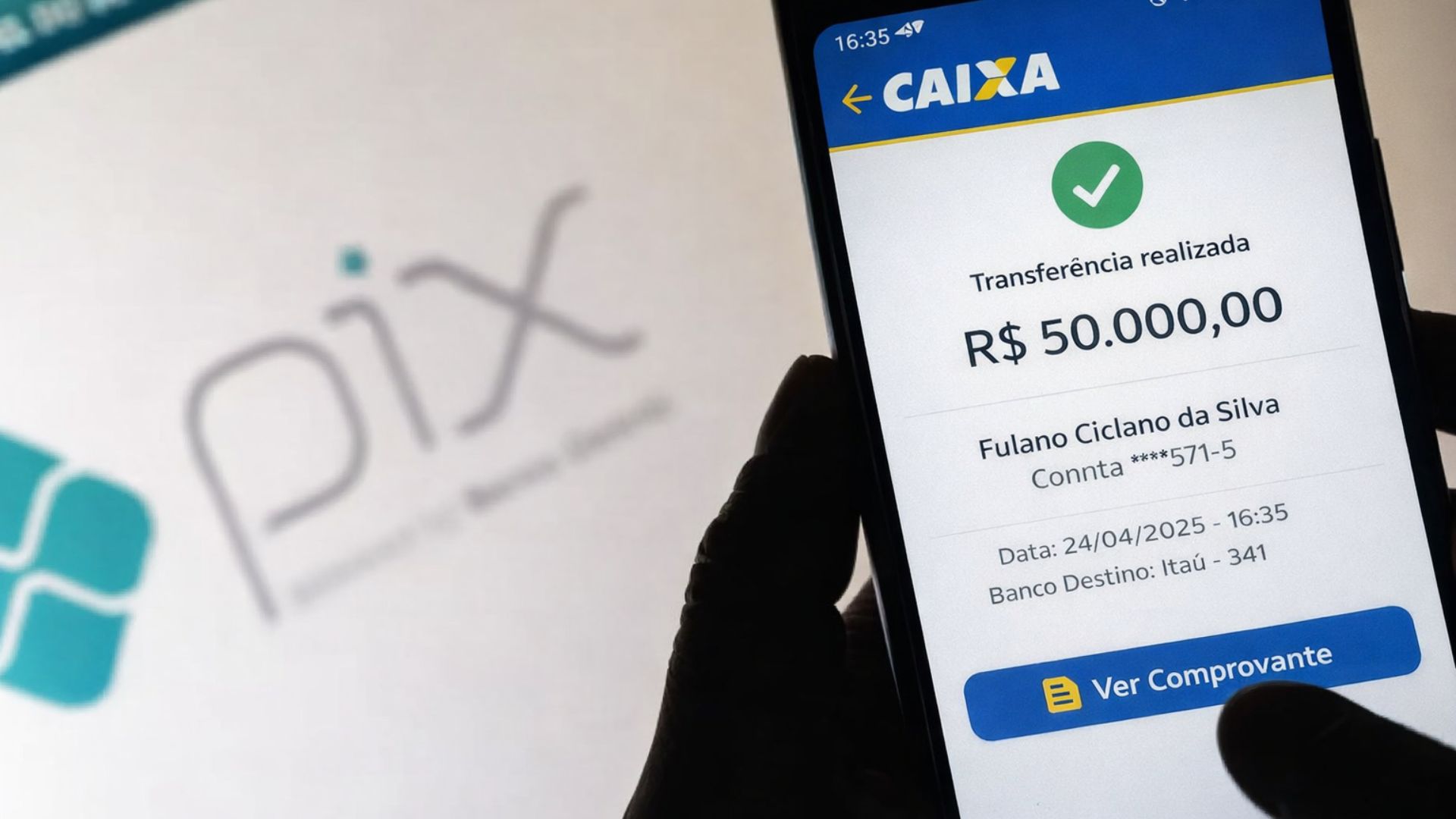
After mistakenly transferring R$ 50,000 via Pix, a man will receive the amount back along with R$ 10,000 for moral damages from the recipient.

The message Brasília received is clear: Washington retreated as little as possible while assessing the internal electoral landscape and monitoring growing economic pressures.
The 40% Tariff Remains Strong and Is the Biggest Obstacle
The toughest measure of U.S. trade policy has not been altered. The forty percent surcharge continues to be applied to most Brazilian exports, especially on agricultural and industrial products. In practice, even with the removal of the extra ten percent tariff, many items still face a total import cost of up to fifty percent in some cases.
This tariff burden has caused a decline in exports from entire sectors. Sales of Brazilian coffee to the U.S., for example, plummeted nearly by half in September compared to the same month the previous year.
Fruit producers, food processors, and meatpackers report canceled contracts, stranded shipments, and compromised margins. For these groups, the reduction announced by Trump does not bring real relief, as the bulk of the charges remains untouched.
Vice President Geraldo Alckmin stated that Brazil will continue to pressure for the complete removal of the additional tariffs. According to him, there is no economic justification for keeping such high surcharges on products that Americans import on a large scale. The economic team sees the gesture as merely a first step, insufficient to restore predictability in bilateral trade.
The Political Calculation and Inflation in the U.S. Explain the Limited Reduction
The executive order that removed the ten percent mentions technical factors, internal recommendations, and strategic adjustments in international negotiations. The real reason, however, is related to the domestic environment in the United States. Inflation in the food sector has increased pressure on the Trump administration, which is trying to balance its protectionist rhetoric with the cost of living that directly affects its electorate.
Brazilian items played an important role in this price escalation. The reduction of tariffs by only ten percent acts as a form of damage control, allowing for the alleviation of pressures without completely dismantling the rhetoric of protecting American industry.
For Trump, retreating too much could be interpreted as weakness in a year of intense political competition. Therefore, the government opted for a minimal reduction, keeping the tariff as a sign of strength and control.
Nonetheless, the decision indicates that the White House acknowledges the negative impact caused by the measures. In the first conversation with Lula on the subject, Trump admitted that the country was missing certain Brazilian products and explicitly mentioned coffee. The current gesture confirms that American consumer pressure has begun to influence the tone of negotiations.
Disputes Continue and Brazil Expects More Than 10%
Despite the climate of rapprochement between Lula and Trump in recent months, the gesture of reducing only ten percent does not meet Brasília’s expectations. The Brazilian government believes that significant progress will only occur with the elimination or at least the lowering of the forty percent tariff, which is central to the discussions that began in September.
Mauro Vieira and Marco Rubio met twice this week and left open the possibility of an agreement still this month. According to the chancellor, Brazil presented a detailed counterproposal and is awaiting the American response.
The assessment at Itamaraty is that the partial retreat was a positive sign but insufficient. As long as the tariff remains in effect, bilateral trade will continue to be compromised, and entire sectors will remain at risk.
In Brasília, the prevailing view is that Trump’s gesture opens a door but not a pathway. The reduction of only ten percent was regarded as symbolic, not structural. The trade dispute remains active, and, thus far, Brazil continues to face heavy barriers that directly affect its performance in the world’s largest consumer market.









Seja o primeiro a reagir!