Portuguese
 Spanish


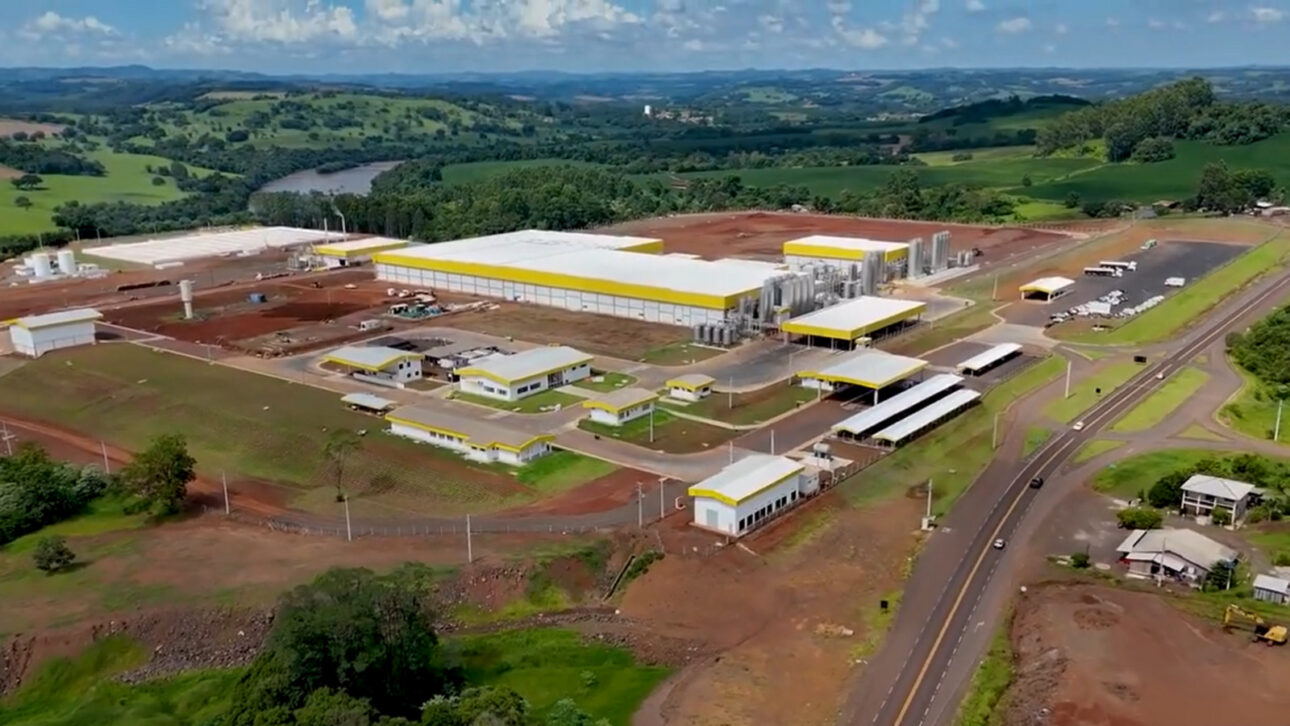

With capacity to process 1.2 million liters of milk per day, São Jorge D’Oeste plant plans new protein ingredient and lactose lines to reduce Brazil’s dependence on imports
Piracanjuba is preparing to make whey protein and powdered lactose at its plant in São Jorge D’Oeste, Paraná, to meet part of Brazil’s demand for these ingredients. The country currently imports 54% of the whey protein concentrate it consumes and 67% of the lactose used in its domestic market.
Piracanjuba targets a market dominated by imported products
Piracanjuba is expected to enter the protein ingredients market in the next phases of operations at its Paraná plant. The project includes production of protein concentrates and isolates, as well as powdered lactose and Brazilian-style cream cheese.
The figures help explain the company’s interest. Data from Brazil’s Federal Inspection Service (SIF) and Ministry of Development, Industry, Trade and Services (MDIC) for 2024 show that foreign suppliers still account for a significant share of this market.
-
Brazilian cotton producers take part in Shanghai trade show to expand business with textile manufacturers across Asia

-
Brazilian government makes R$184.5 million in financing available to modernize the country’s telecommunications industry and develop domestic technology
-
Manaus Free Trade Zone approves 56 projects worth R$1.3 billion in planned investment, with about 1,505 jobs expected
-
Brazilian industrial confidence rises 0.4 point in November, ending a four-month losing streak

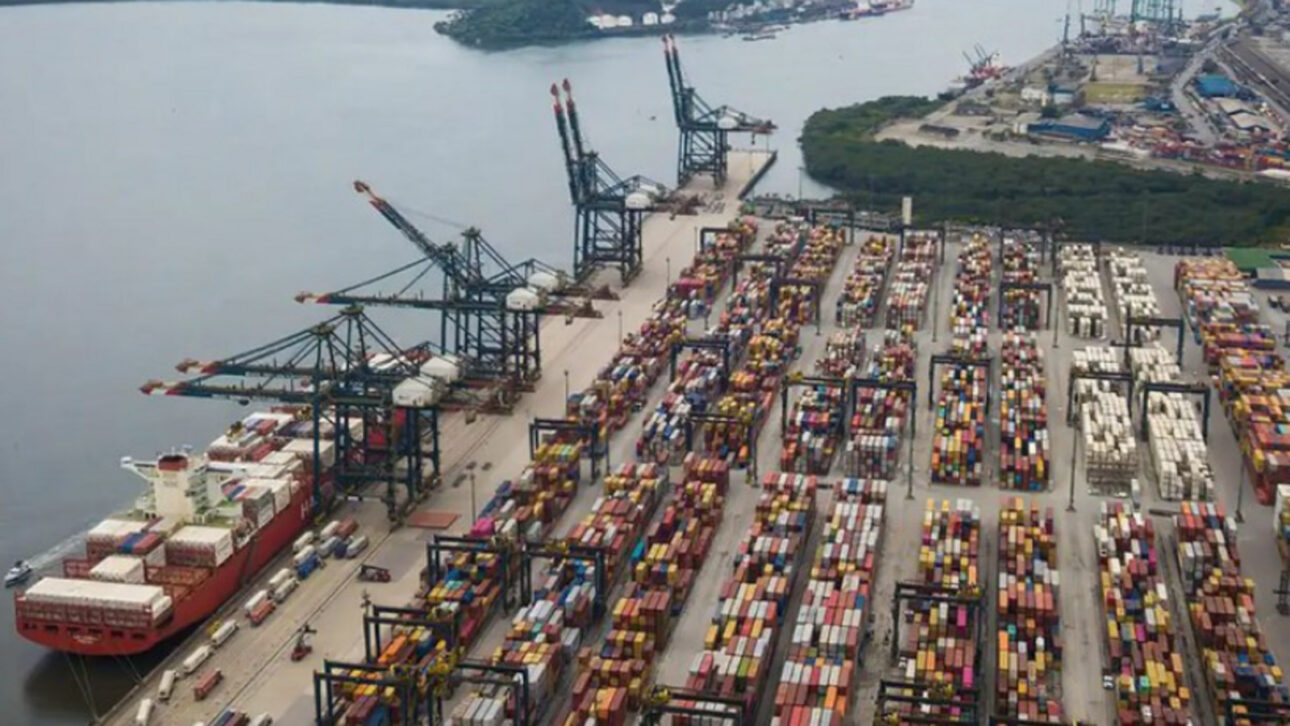
Imports supply 54% of Brazil’s whey protein concentrate (WPC) consumption. For lactose, dependence reaches 67%. Domestic production of these ingredients could expand the supply available from companies based in Brazil.
Piracanjuba Group President Luiz Claudio Lorenzo said the strategy is intended to add value to production, reduce reliance on foreign suppliers and make the company more competitive in categories considered strategic.
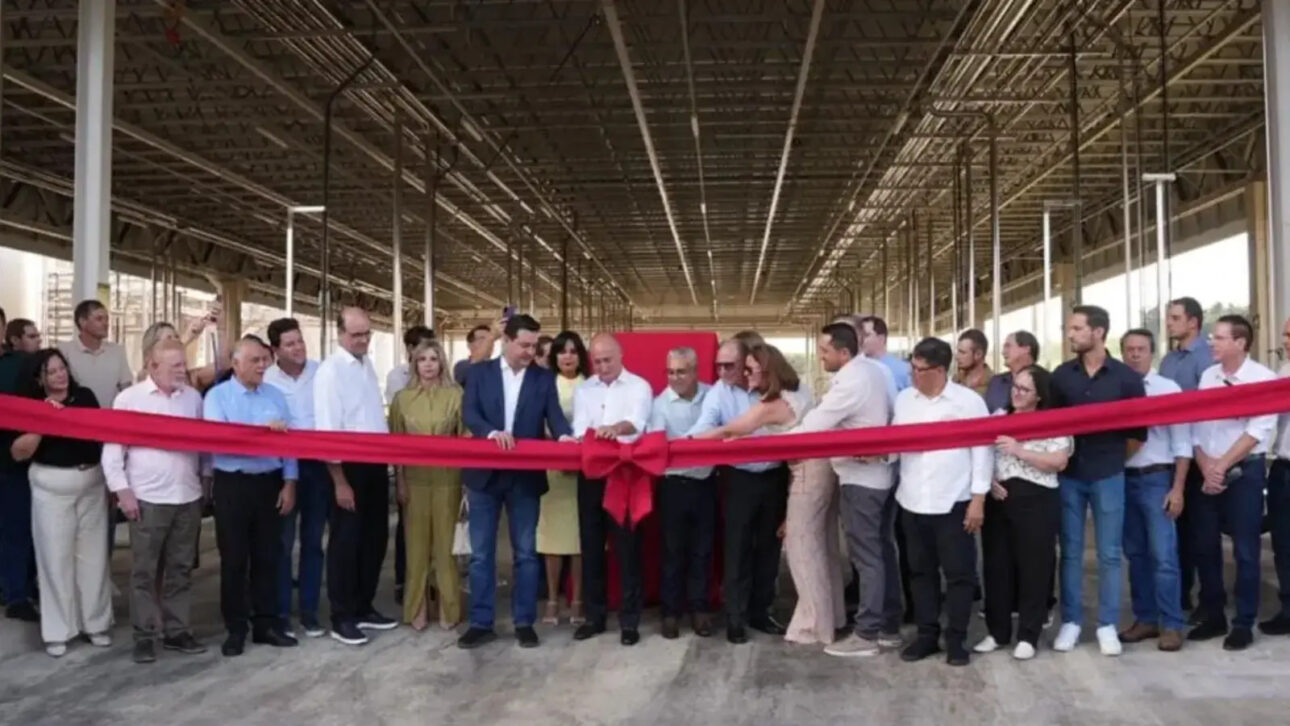
Plant processes 1.2 million liters of milk per day
The São Jorge D’Oeste plant received an investment of R$612 million and has 54,000 square meters of built-up area. Its installed capacity allows it to process up to 1.2 million liters of milk daily.
At the start of operations, the plant is focused on producing butter and cheese, sold both in blocks and sliced. New production lines will be added gradually as the industrial project advances.
The facility is also equipped with water treatment and reuse systems. It also produces biogas, which is used on-site as a source of renewable energy for industrial operations.
Operations begin with 250 direct jobs
The plant began operations with approximately 250 direct jobs. The workforce is expected to grow as new production stages are brought online.
The activity also involves farmers, suppliers and service providers that are part of the industry’s supply and operations chain.
The project received support from Paraná Competitivo, an investment incentive program in the Brazilian state of Paraná, and financing from the Brazilian Development Bank (BNDES).


Acquisition in Minas Gerais expands cheese portfolio
Piracanjuba’s expansion also includes investments and acquisitions in other segments of the dairy market.
In January 2026, the group announced its acquisition of Básel Lácteos, a company based in Antônio Carlos, Minas Gerais, known for making premium cheeses. The deal expands the company’s presence in this market and complements its product diversification strategy.
Grupo Piracanjuba currently has 10 manufacturing facilities and 16 milk cooling stations, as well as more than 4,600 employees. Across its entire industrial network, processing capacity exceeds 7 million liters of milk per day.