





 Portuguese
  English
  Spanish
  3 min of reading


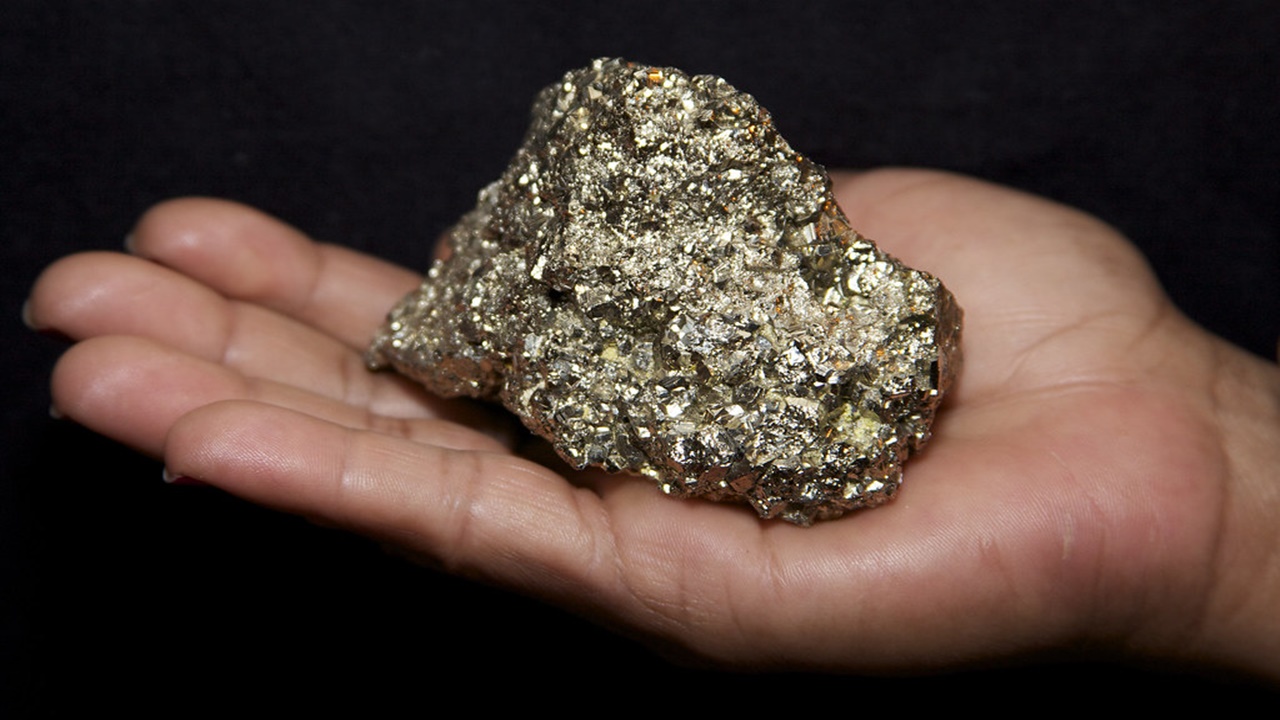
Gold Extraction Process from Pyrite With This New Discovery Would Be Less Harmful to Our Environment Than Traditional Processes
The history of gold is as old as humanity, and its relentless pursuit has often led to surprising discoveries. Among the shiny rocks and dreams of wealth, pyrite, also known as “fool’s gold”, has sparked the curiosity of prospectors and scientists for decades. Recently, an innovative discovery opened a new chapter in the search for hidden gold within pyrite, potentially altering the course of gold extraction.
Pyrite, with its shiny gold-like appearance, deceived less experienced prospectors during the California Gold Rush. It earned the nickname “fool’s gold” due to the misguided belief that it was genuine gold. However, it soon became clear that this substance could not be profitably exploited, leaving prospectors discouraged.
When it comes to iron disulfide (FeS²), for prospectors in the 1840s, this meant they had more searches to undertake. It was better than dirt or rock, but still not worth keeping – there was no way to extract anything useful from the mineral in question.
-
USA and China compete for Brazil over resources that could be worth trillions — rare earths put the country at the center of a global dispute

-
With 74% of companies facing difficulties in hiring, technicians and engineers in renewable energy are becoming scarce in Brazil and are essential to support the expansion of solar, wind, and green hydrogen projects.

-
After China, it’s now the turn of the USA to ‘secure’ a share of Brazil’s natural resources: the country buys critical rare earths for R$ 3 billion and enters the center of the global technology dispute.
-
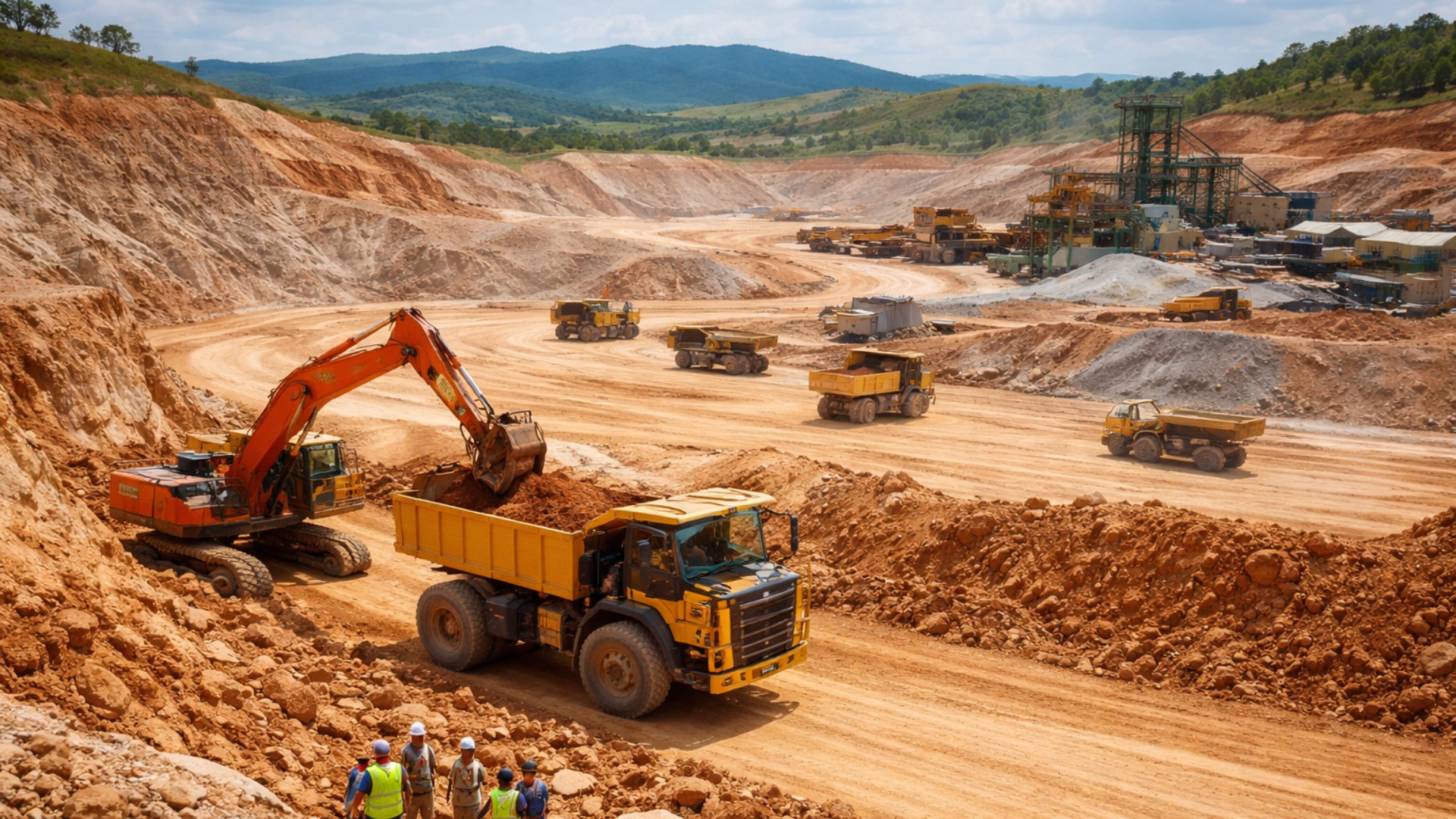
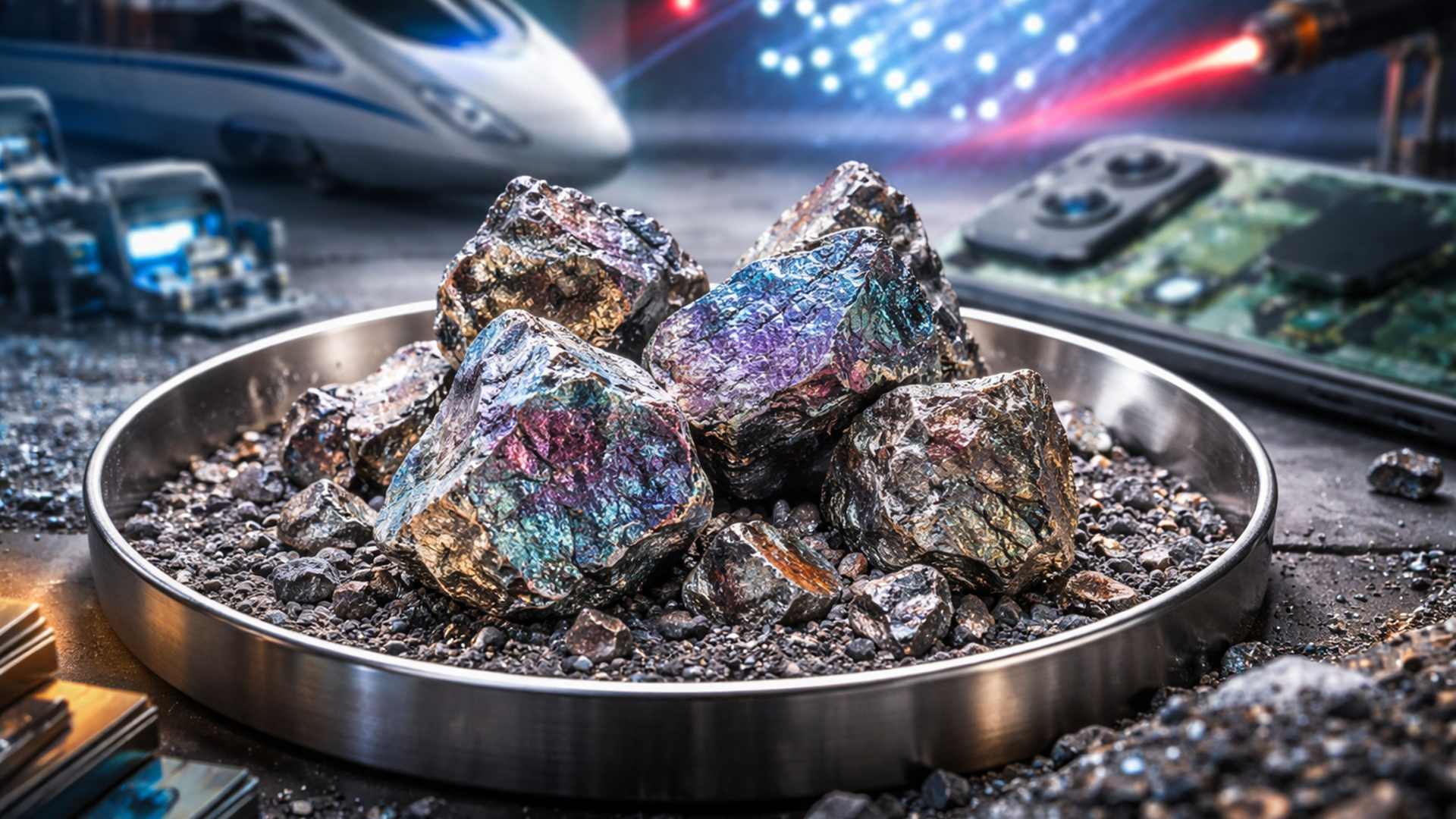
Rare earths are in everything, from cell phones to bullet trains, and what almost no one realizes is why they have become the target of such a delicate global war.

Is It Possible to Really Extract This So-Coveted Mineral From Pyrite?
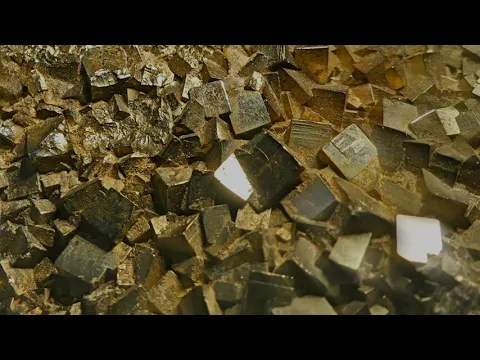

The Nature of “Invisible” Gold in Arsenopyrite
The true potential of pyrite as a host for gold began to be revealed in 1989, when an article titled “The Nature of ‘Invisible’ Gold in Arsenopyrite” was published in the The Canadian Mineralogist. In this study, small gold particles were found structurally linked to pyrite. This shed light on the possibility of pyrite hiding gold in unexpected ways. However, the real revolution was about to happen.
Last June, a study revealed a surprising third way in which gold can be found in pyrite. The study, titled “A New Kind of Invisible Gold in Pyrite Hosted in Deformation-Related Dislocations”, presented a fascinating insight into this process. Gold was found enriching small imperfections in pyrite, formed under extreme pressure and/or heat.
Here lies the potential for a true revolution in the extraction of this mineral. Denis Fougerouse, a researcher at the School of Earth and Planetary Sciences at Curtin University, emphasizes that this new method could be significantly less harmful to the environment than traditional extraction processes. But how is this possible?
New Extraction Discovery Would Be Less Harmful to the Environment
Denis Fougerouse, a researcher at the School of Earth and Planetary Sciences at Curtin University, worked on this research and suggests that the process of gold extraction from pyrite with this new discovery would be less harmful to our environment than traditional processes.
“The dislocation sites within the crystals could potentially offer enhanced partial leaching or a target for bacteria to attack and break down the crystal, releasing the ore in a process known as ‘biolixiviation’”, Fougerouse said, “potentially reducing the energy consumption needed for extraction“.
Bibliography:
Article: A New Kind of Invisible Gold in Pyrite Hosted in Deformation-Related Dislocations
Authors: Denis Fougerouse, Steven M. Reddy, Mark Aylmore, Lin Yang, Paul Guagliardo, David W. Saxey, William D.A. Rickard, Nicholas Timms
Journal: Geology










-

3 pessoas reagiram a isso.