





 Portuguese
  English
  Spanish
  4 min of reading
  0 comments


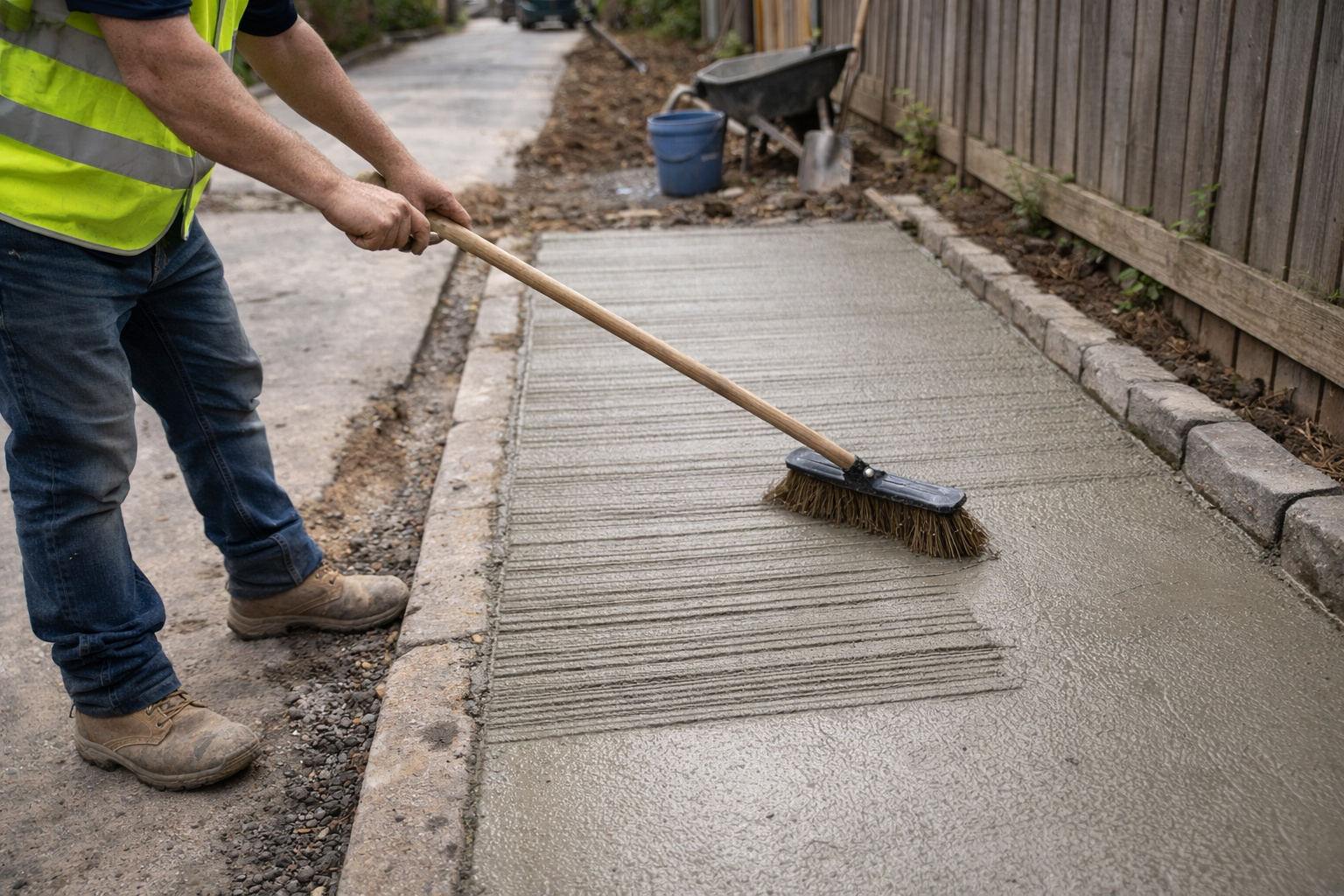
Mason Shows Broom Technique on Fresh Mortar to Create Non-Slip Floor with Grooves that Increase Traction and Help Drain Water.
In civil construction, some extremely simple solutions continue to be widely used due to their efficiency and durability. One of them is the finish known as “broom effect” applied on fresh mortar or concrete. This method consists of using a stiff-bristled broom on the surface of the floor right after leveling, creating small parallel grooves that enhance the surface’s grip. The result is a textured floor that significantly reduces the risk of slipping.
The technique has been used for decades in different types of construction, primarily in outdoor areas exposed to rain, such as sidewalks, garage ramps, yards, walkways, and vehicle circulation areas. In addition to the non-slip effect, the finish also helps drain rainwater, contributing to avoid puddles and enhance floor safety.
What is the Finish Known as Broom Effect
The broom effect is a type of surface finish applied on concrete or mortar. It is executed while the material is still fresh but has begun to gain sufficient consistency to maintain the texture. At this moment, the mason uses a coconut broom or stiff brush on the surface, creating lines or grooves in the floor.
-
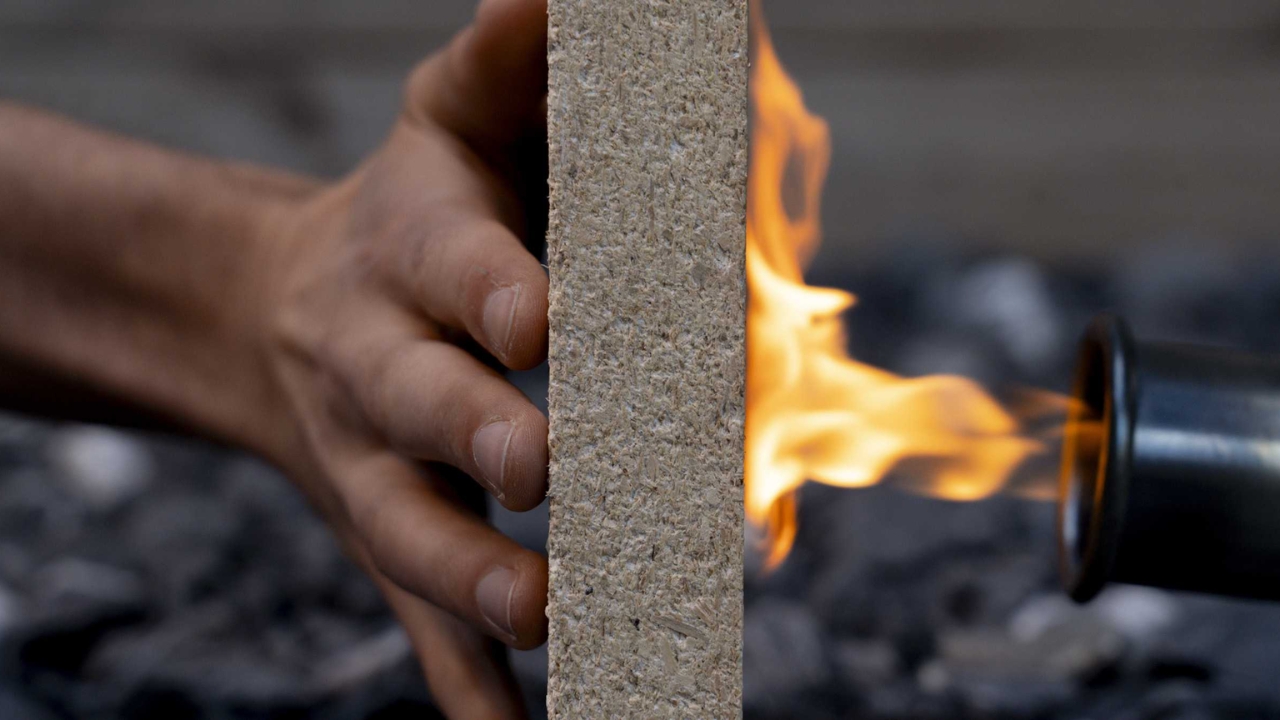
Scientists transform sawdust into fire-resistant panels, stabilize the compound with an enzyme extracted from watermelon seeds, and turn waste into promising material for construction.
-
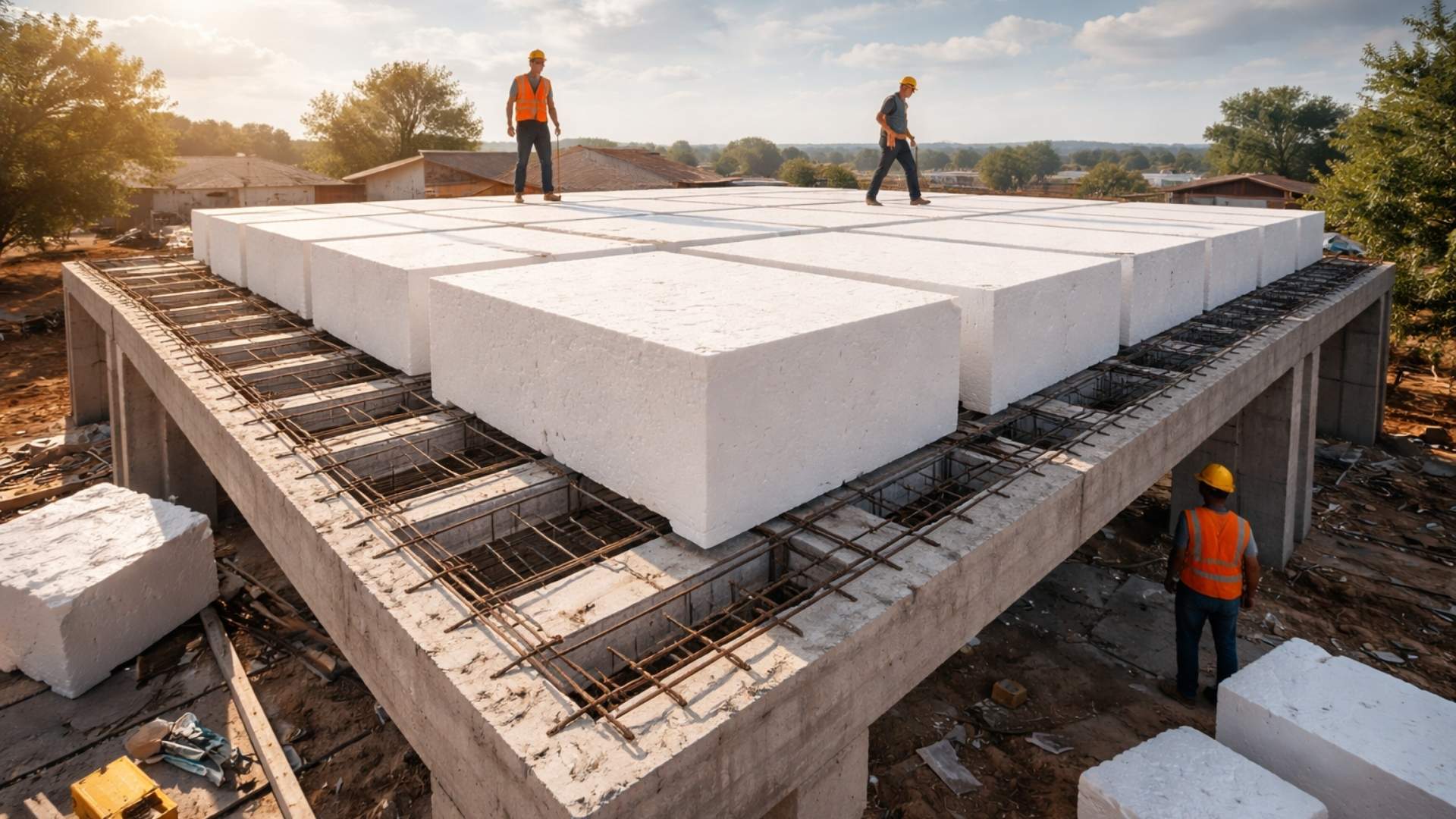
Forget concrete: architects are replacing tons of concrete with giant blocks of expanded polystyrene to build the roofs of houses and reduce structural weight by up to 50%, cut costs, improve thermal insulation, and speed up construction.
-
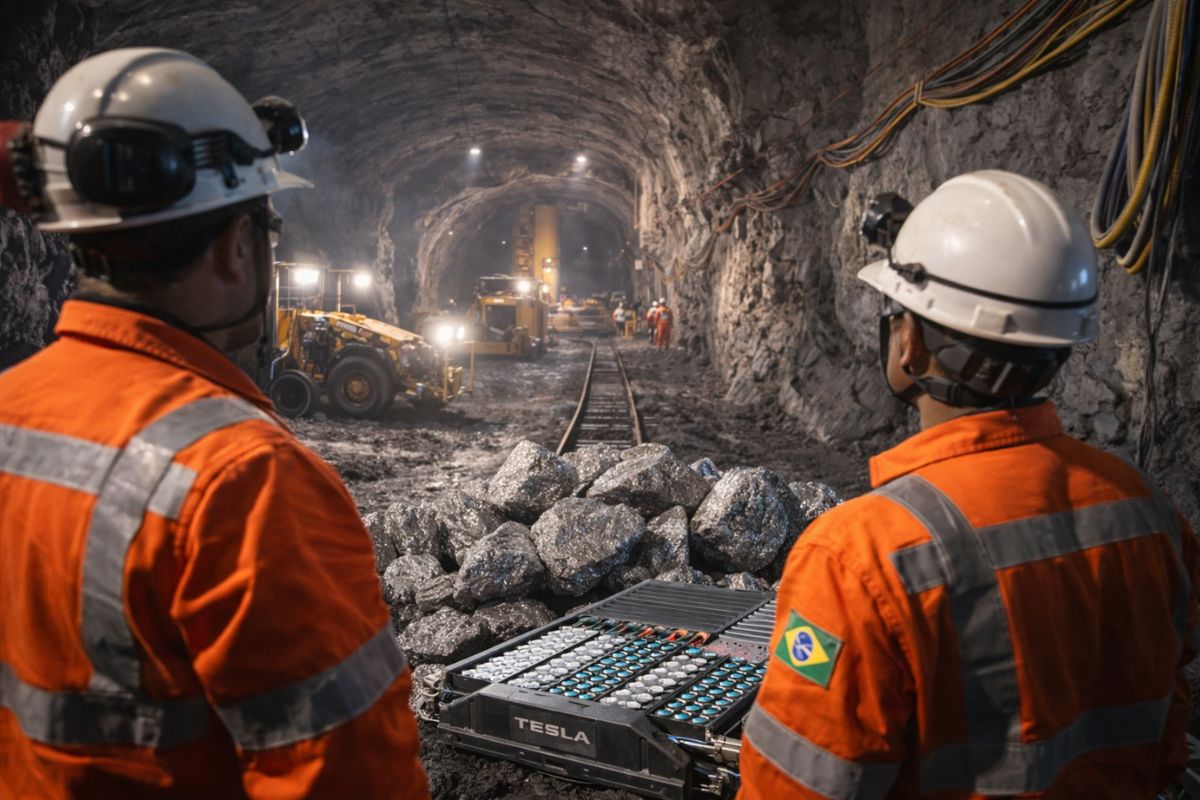
The Brazilian state enters the center of the global race for critical minerals by starting the construction of the largest underground nickel mine in Latin America, a mineral essential for electric car batteries that the entire world is competing for at this moment.
-
New CCR concrete paving technology promises roads up to 3x more durable, less maintenance, and cost reduction in Brazil.


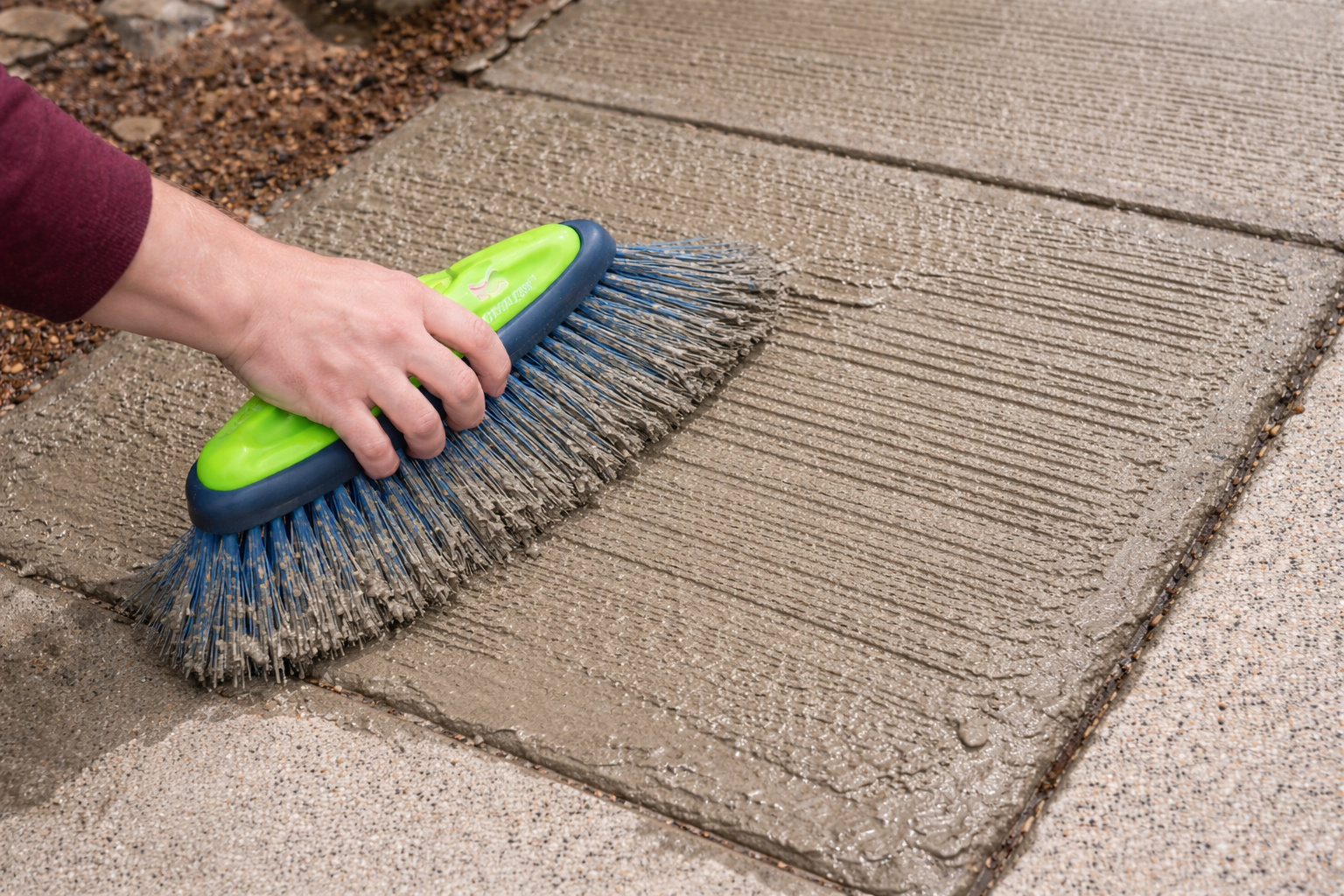
These marks form a textured pattern that alters the behavior of the surface. While a completely smooth floor can become slippery when wet, the texture created by the broom increases the friction between the floor and footwear or tires, making the surface safer. For this reason, the finish is considered a highly functional solution often used in outdoor constructions.
Why the Broom Effect Reduces the Risk of Slipping
The secret of the technique lies in the texture created by the grooves. When the surface of the concrete remains completely smooth, rainwater can form a thin film between the floor and the shoe or tire. This layer reduces friction and increases the risk of slipping.
With the brushed finish, the grooves created by the broom increase the surface friction, facilitate water drainage, and break the water film that forms over the floor. This combination of factors significantly improves the floor’s grip, especially in areas exposed to rain. For this reason, the brushed finish is highly recommended for high-traffic areas.
Where This Technique is Most Used
The broom effect appears in various urban and residential infrastructure works. Among the most common places where this finish is applied are:
- Public Sidewalks
- Garage Ramps
- Parking Lots
- Residential Yards
- Outdoor Walkways
- Industrial Floors
In all these environments, the main objective is to increase the safety of the floor. The texture can also help reduce wear caused by the constant traffic of people and vehicles.
How the Broom Effect is Applied in Practice
The execution of the technique follows a relatively simple process within the floor construction sequence. First, the mortar or concrete is poured over the prepared base and spread across the desired area.
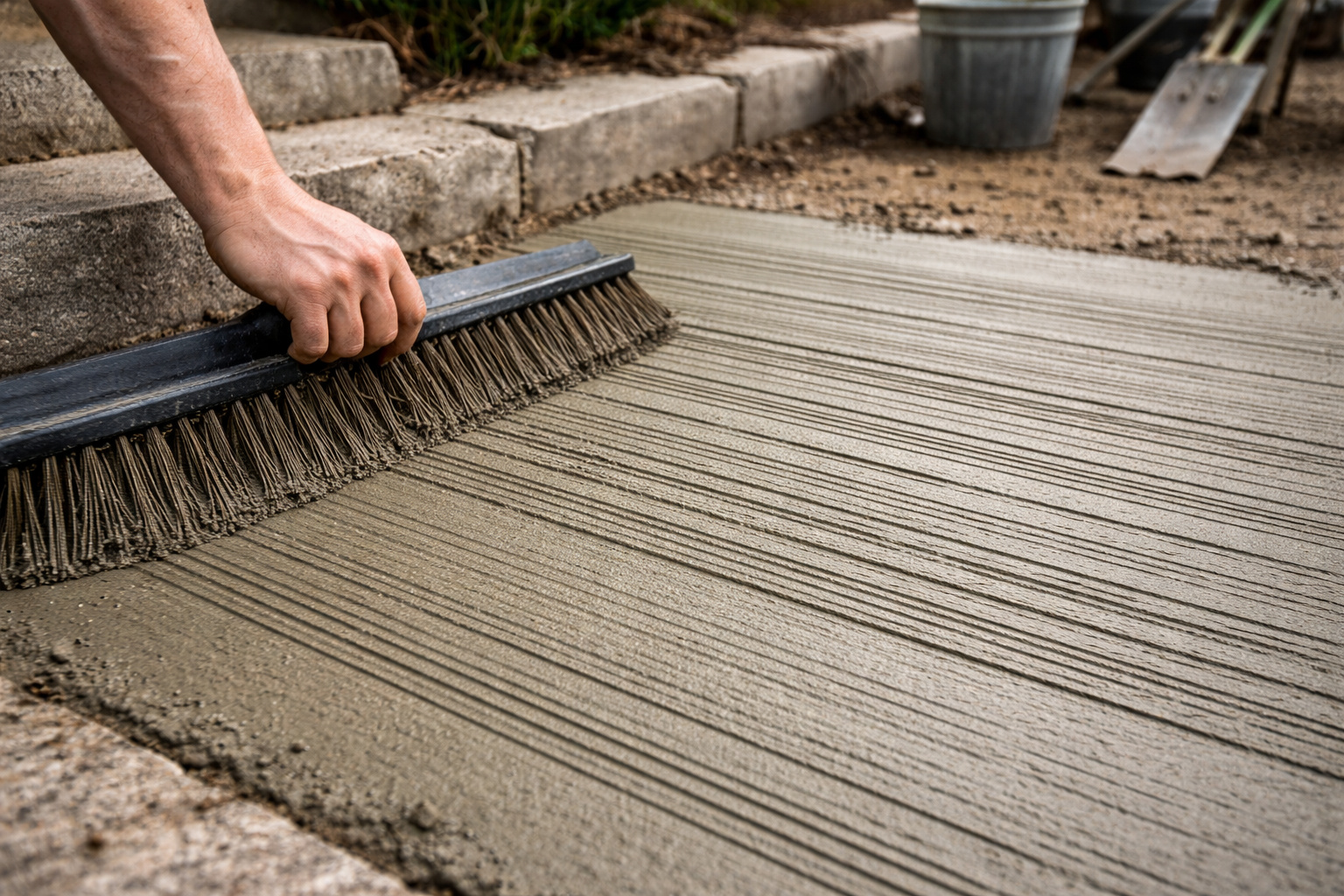
Next, the material is leveled with tools such as a metal ruler and trowel. After the concrete begins to gain consistency but is still workable, the mason performs the finish.
At this moment, the broom is brushed over the surface in continuous movements, forming parallel lines. The direction of the grooves may vary depending on the project’s objective. In ramps, for example, the lines are usually made transversely to increase tire traction.
Types of Tools Used
Although the name of the technique refers to the traditional broom, different tools can be used to create the finish. Among the most common are:
- Coconut Broom
- Stiff Bristle Brush
- Industrial Broom
- Texturizing Roller
Each tool creates a slightly different texture pattern. Brooms with thicker bristles produce deeper grooves, while finer brushes create a smoother texture. The choice depends on the type of floor and the level of grip desired.
Resistance and Durability of the Finish
One of the advantages of the broom effect is that it does not rely on additional materials. The finish is made directly on the concrete or mortar of the floor itself. This means that the texture is part of the coating structure, not just a superficial layer.
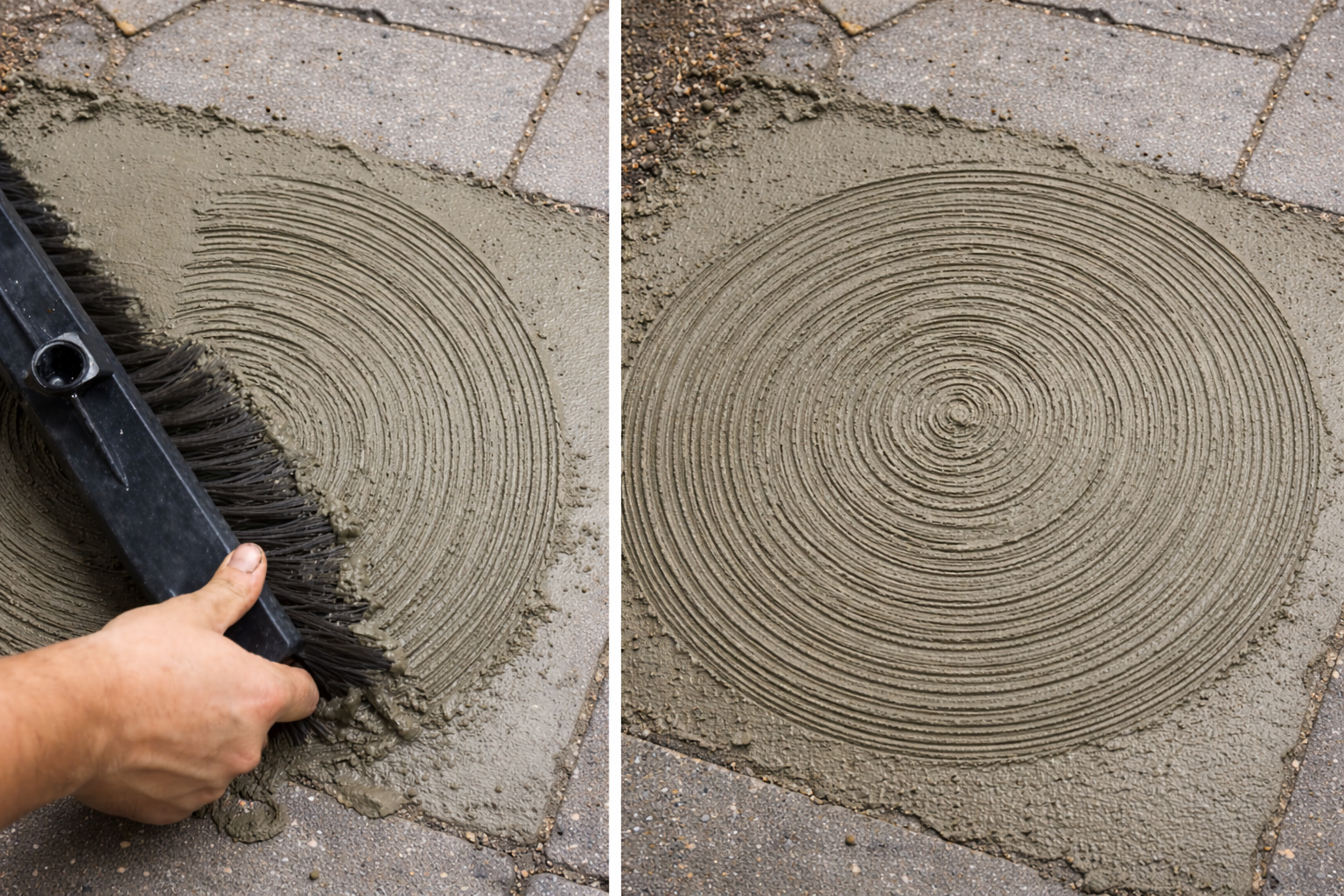
When the concrete fully cures, the grooves remain incorporated into the floor, ensuring long durability. This type of finish can remain functional for many years, even in areas with heavy traffic.
Maintenance of the Floor with Brushed Finish
Another positive aspect of this type of floor is the ease of maintenance. Since there are no additional coverings or decorative layers, cleaning can usually be done with just water and a brush.
Moreover, the texture helps disguise wear marks that typically appear on completely smooth surfaces. This factor contributes to maintaining the visual aspect of the floor over time.
A Simple Technique that Continues to be Used in Modern Construction
Even with the emergence of new industrial coatings and special floors, the broom effect remains an extremely common solution in civil construction. This is because the technique combines three important characteristics: simplicity of execution, low cost, and high functional efficiency.
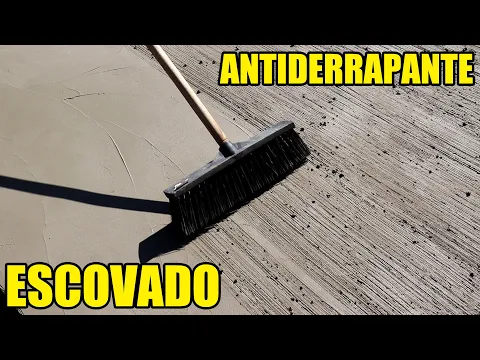

By using only a simple tool and the concrete from the construction, the brushed finish is able to turn an ordinary floor into a safer and more resilient surface. For this reason, the method remains prevalent in residential projects, public works, and industrial constructions, demonstrating how a simple solution can continue to be extremely efficient even with the advancement of construction technologies.










-

Uma pessoa reagiu a isso.