






 Portuguese


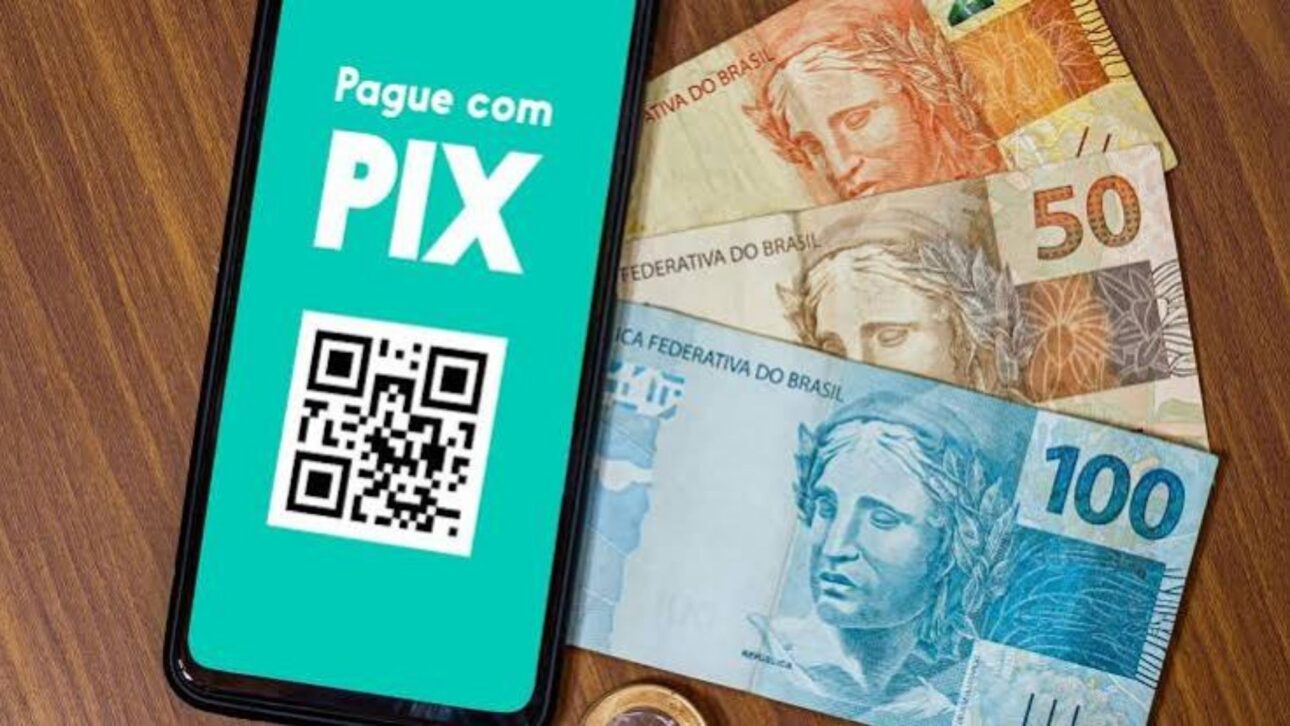

Research Shows 61% of Brazilians Have Reduced or Abandoned Cash Use After Pix’s Popularization. While 82% of the Population Uses the System, Adoption Drops to 48% Among Those Over 60, While it Reaches 90% in the 35 to 44 Age Group, Revealing a Strong Generational Divide.
The Pix system has accelerated the replacement of paper money since its launch in Brazil in November 2020. A survey conducted by Serasa in partnership with the Opinion Box Institute indicates that 61% of Brazilians report having reduced or abandoned cash usage following the system’s popularization of instant payments.
The information was published by Correio do Povo on August 23, 2026, in a report by Renê Almeida. Although Pix is now part of the daily routine for most of the population, the data and accounts collected highlight a significant difference between age groups, particularly among older individuals who still prefer cash, paper bills settled in person, or debit cards.
Pix Started Operation in November 2020 and Quickly Gained Traction

Created by the Central Bank, Pix officially started operations in November 2020. The system allows payments and transfers to be completed within seconds, regardless of the day of the week or time.
-
Brazilians Who Moved to Canada Face Harsh Winters and a Housing Crisis that Affects Nearly Half the Population, but Stability, Salaries, and Safety Explain a Community of 151,000

-
Brazilians Who Moved to Portugal Encounter Tight Salaries and Rising Rent, but Language, Safety, and European Life Continue to Attract, With a Community Now Reaching 628,000
-
Brazilians Cross the Border for a New Life in Paraguay, Drawn by Low Taxes Despite Lower Salaries and a Distinct Job Market
-
Transpetro Bets on Ethanol, Dual-Fuel Ships, and Shore Power to Cut Fleet Emissions by Up to 30%



The ease of moving money directly through mobile devices has helped change habits that previously relied on cash, invoices, cards, and trips to financial institutions.
61% Report Having Reduced or Abandoned Cash Use

A survey by Serasa in partnership with the Opinion Box Institute highlights the scale of this shift. Approximately six out of ten Brazilians report they have decreased or completely stopped using physical cash following the expansion of Pix.
This transformation has also affected other payment methods. Among respondents, 28% reported reducing their use of bank slips, while 17% indicated they are using physical debit cards less frequently.
Ipsos-Ipec Survey Indicates 82% of Brazilians Use Pix
Another study conducted by Ipsos-Ipec in June found that 82% of the Brazilian population uses Pix for payments or transfers.
The remaining 18% stated they do not use the system. Even among users and non-users, the overall evaluation was strongly favorable: 93% of respondents expressed a positive view of the tool.
Adoption Reaches 90% Among Brazilians Aged 35 to 44
Age is one of the most relevant factors influencing the use of instant payments.
Among Brazilians aged 35 to 44, adoption of Pix reaches 90%, one of the highest rates reported by the survey.
In the next age group, consisting of individuals aged 45 to 59, the percentage drops to 81%.
Among Those Over 60, Use of Pix Drops to 48%
The gap widens among interviewees aged 60 and older. In this group, only 48% claim to use Pix.
This result creates a difference of 42 percentage points compared to the 35 to 44 age group, where nine out of ten interviewees use the system.
Fear of Digital Scams Emerges as a Reason for Resistance
Some older adults associate the use of Pix with concerns about fraud. Digital scams, lack of understanding regarding how the tool works, and distrust about payment confirmations are among the reasons for continuing to rely on physical cash.
Serasa’s financial educator Karla Pontes attributes this resistance mainly to the lower familiarity of some in this demographic with mobile phones and banking apps.
According to her, those who are not accustomed to using these devices may find physical cash offers a greater sense of security.
At 77, Cledi Paim Prefers to Continue Visiting the Bank
77-year-old Cledi Paim from Porto Alegre is among Brazilians who still avoid using Pix. She expresses fear of digital payments given the number of scams and frauds she hears about.
“I find it dangerous. I have this feeling. I’m honestly afraid. There are so many things happening, so many scams, that I become suspicious,” she said.
Cledi prefers to make payments in person and sees going to the bank as an opportunity to leave her house. When she needs to make an electronic transfer, she asks her son for help.
Debit Card Does Not Cause the Same Insecurity for Cledi
Cledi’s resistance does not extend to all digital banking tools. She regularly uses a debit card for purchases and reports having no trouble with this payment method.
Pix, however, remains outside of her direct routine. When asked about a potential change, she jokingly remarked that she would use it “only if they get rid of cash.”
Alexandre Prints Slips and Seeks Physical Proof at the Lottery
Retiree Alexandre Duarte, 77, also prefers to maintain procedures that result in physical records. To pay bills, he prints invoices at a nearby copy shop.
Afterward, he goes to a lottery outlet, makes the payment, and keeps the receipt.
“I have no doubts. I feel more at ease this way because I have proof. I see the return directly in my hand,” he explained.
Lack of materiality leaves retiree suspicious of Pix
Alexandre knows about Pix, but he claims that the absence of a physical receipt similar to the documents he receives in person causes insecurity.
When his wife makes a transfer, the couple even writes down on paper that a certain bill has already been paid.
Therefore, the distrust is less about not knowing the existence of the system and more about how he understands the confirmation of a transaction.
Jorge Mello uses debit but relies on his son to make Pix transfers
Jorge Mello, 64, also a resident of Porto Alegre, has practically replaced cash with a debit card.
However, Pix remains a technological barrier. “I know about Pix, but I don’t know how to do the procedure. My son does it for me,” he shared.
This account exemplifies another aspect highlighted in research: knowing the tool does not necessarily mean being able to use it independently.
Income also significantly affects Pix adoption
Age is not the only difference observed in the use of the system. Household income also significantly affects the percentages.
Among people earning up to the minimum wage, approximately 70% use Pix.
For those with incomes above five minimum wages, the adoption rate rises to 95%.
Central Bank has been enhancing security and functionalities since 2020
Since its launch, the Central Bank has been making improvements to Pix to incorporate new features and enhance transaction protection.
Karla Pontes emphasizes that consumers should carefully verify the information before completing a transfer, especially the recipient and the amount.
“Consumers can rest assured about security, but it’s very important to be careful and certain about the transactions they are making, especially who they are sending that amount to,” she stated.
Cash is losing ground, but the generational gap remains significant
Pix is already used by 82% of the population, while 61% of Brazilians report having reduced or abandoned cash since its popularization. Adoption, however, remains unevenly distributed across age and income.
While 90% of people aged 35 to 44 use the system, among Brazilians aged 60 and older, the proportion drops to 48%. Fear of fraud, limited familiarity with banking apps, and a preference for the perceived security of cash continue to be factors that help explain this gap.
In your opinion, should banks and institutions invest more in in-person guidance to help seniors use Pix safely, or should cash continue to remain an important alternative? Share your thoughts in the comments.


