





 Portuguese
  English
  Spanish
  3 min of reading
  0 comments


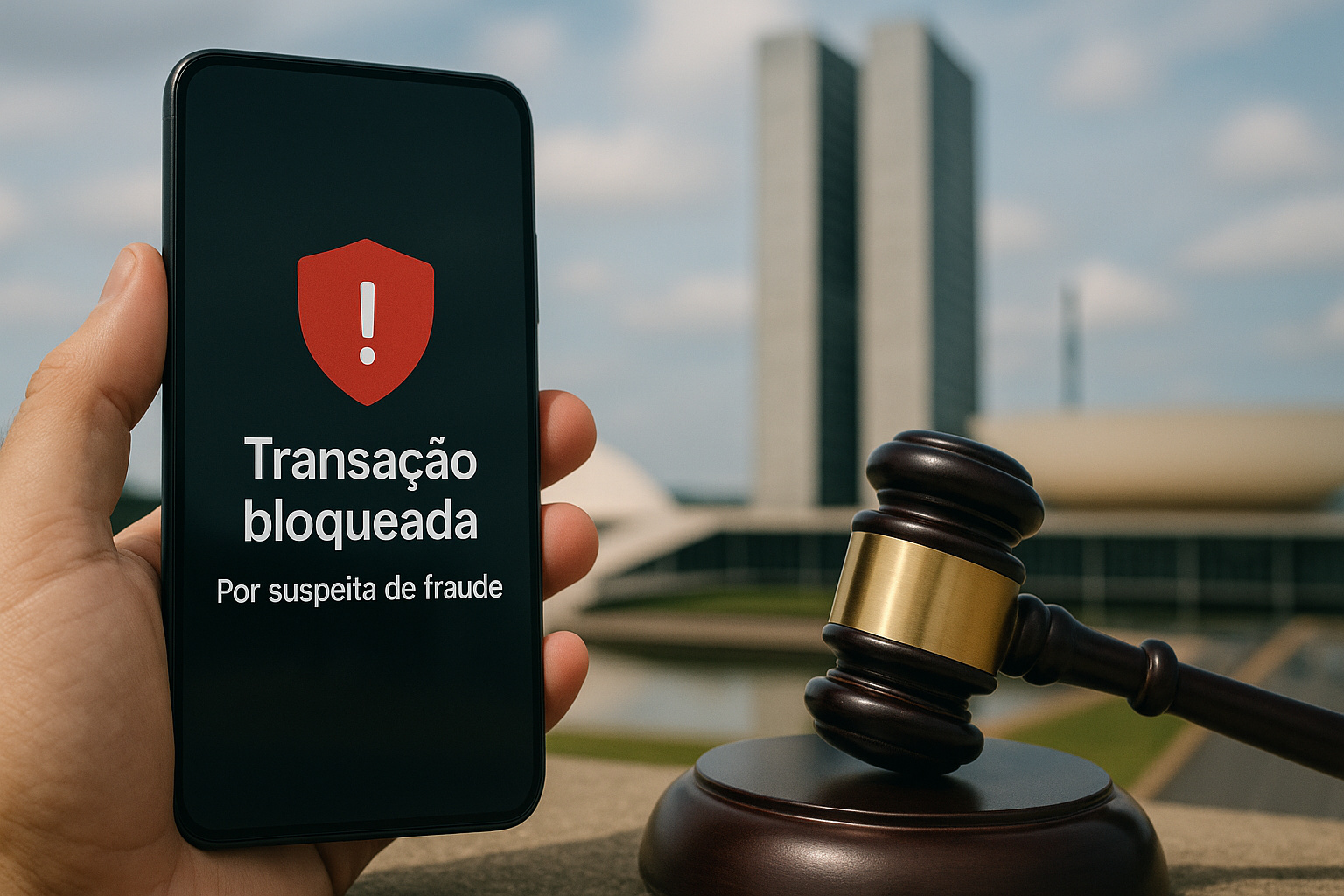
Bill 2,912/2025 Proposes National System for Blocking Financial Scams. Text Requires Banks to Use Biometrics, Halt Suspicious Transfers, and Refund Amounts Within 48 Hours.
In June 2025, a bill entered the Chamber of Deputies that could radically change how banks handle fraud and digital scams in Brazil. The PL No. 2,912/2025, authored by Deputy Roberto Monteiro Pai (RJ), proposes the creation of a National System for Blocking Financial Scams, aiming to protect clients against transfers and payments made by criminals on behalf of third parties.
The text requires financial institutions, including digital banks and fintechs, to use biometric authentication, facial recognition, and automatic halting of suspicious transfers. The proposal also stipulates that in the event of confirmed fraud, the bank must refund the amount to the client within 48 hours.
What The Project Proposes
According to the summary published on the Chamber’s portal, PL 2,912/2025 “requires financial and payment institutions to adopt effective security mechanisms and procedures aimed at preventing the fraudulent opening and management of bank accounts, including undue transactions and transfers carried out remotely.”
-
The noise law will no longer be in effect at 10 PM starting in June with a new rule valid during the 2026 World Cup.

-
The Chamber opens a debate on driver’s licenses at 16 years old as part of a reform that includes around 270 proposals to change the Brazilian Traffic Code and may redesign rules for licensing, enforcement, and circulation in the country.

-
The new Civil Code could revolutionize marriages in Brazil with “express divorce” and changes that could exclude spouses from inheritance.
-
Banco do Brasil sues famous influencer for million-dollar debt and intensifies debate on delinquency, risks of seizure, and direct impact on Gkay’s credibility.




In practice, the text aims to make it mandatory for immediate blocking of suspicious transactions, especially in cases of scams via Pix, messaging apps, and fake banking centers. Among the main measures provided are:
- Mandatory Biometric Authentication for transfers above values defined by the Central Bank;
- Facial Recognition to verify identity in remote operations;
- Automatic Temporary Blocking when unusual movement is detected in the client’s account;
- Mandatory Reversal of Amounts within 48 hours after confirmation of fraud;
- And heavy fines for banks that fail to comply with security protocols.
Bank Scams Have Become An Epidemic in Brazil
According to the Brazilian Federation of Banks (Febraban), there were more than 2.7 million attempts of digital fraud recorded in 2024 — a 34% increase compared to the previous year. The most common scams involve Pix, fake links, social engineering, and loans made without authorization, mainly against the elderly and retirees.
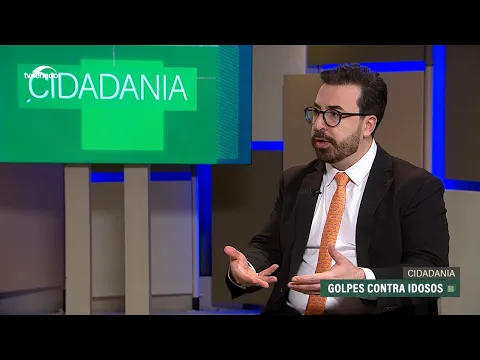
The Public Defender’s Office of the Union estimates that over 60% of the victims are over 60 years old, and in many cases, the money disappears in less than 5 minutes, without the bank being able to block the transactions in time.
Currently, the Central Bank has an emergency blocking mechanism via Pix, but it relies on immediate reporting and does not cover other forms of scams. The new project aims to extend this type of blocking to all electronic transfers, including through TED, boleto, and card.
How The System Would Work
The project proposes the creation of an integrated national database, shared among financial institutions and security agencies. This system would allow real-time tracking of accounts used in scams and the automatic blocking of transactions based on risk patterns defined by the Central Bank.
Additionally, institutions would be required to report suspicious transactions to the Financial Activities Control Council (COAF) within 24 hours, under penalty of fines.
Processing and Next Steps
PL 2,912/2025 has been forwarded for analysis in the Consumer Defense, Finance and Taxation, and Constitution and Justice Committees of the Chamber. If approved, it will go to the Federal Senate before being sent for presidential sanction.
The expectation is that the text will be voted on in the second half of 2025, driven by the increase in scams and pressure from consumer advocacy entities, such as Idec and Procon-SP, that support the proposal.
Expected Impact
Experts believe that if approved, the project could drastically reduce financial losses caused by virtual scams, especially among the elderly and retirees. The initiative would also force banks to invest more in security technology, as well as improve cooperation between institutions and law enforcement authorities.
On the other hand, representatives from the financial sector warn that the requirement for reimbursement within 48 hours could create complex litigation over fraud validation and increase banks’ operational costs. Still, there is a consensus that the project marks a new phase in the defense of digital consumers in Brazil.










-

-

2 pessoas reagiram a isso.