





 Portuguese
  English
  Spanish
  4 min of reading
  32 comments


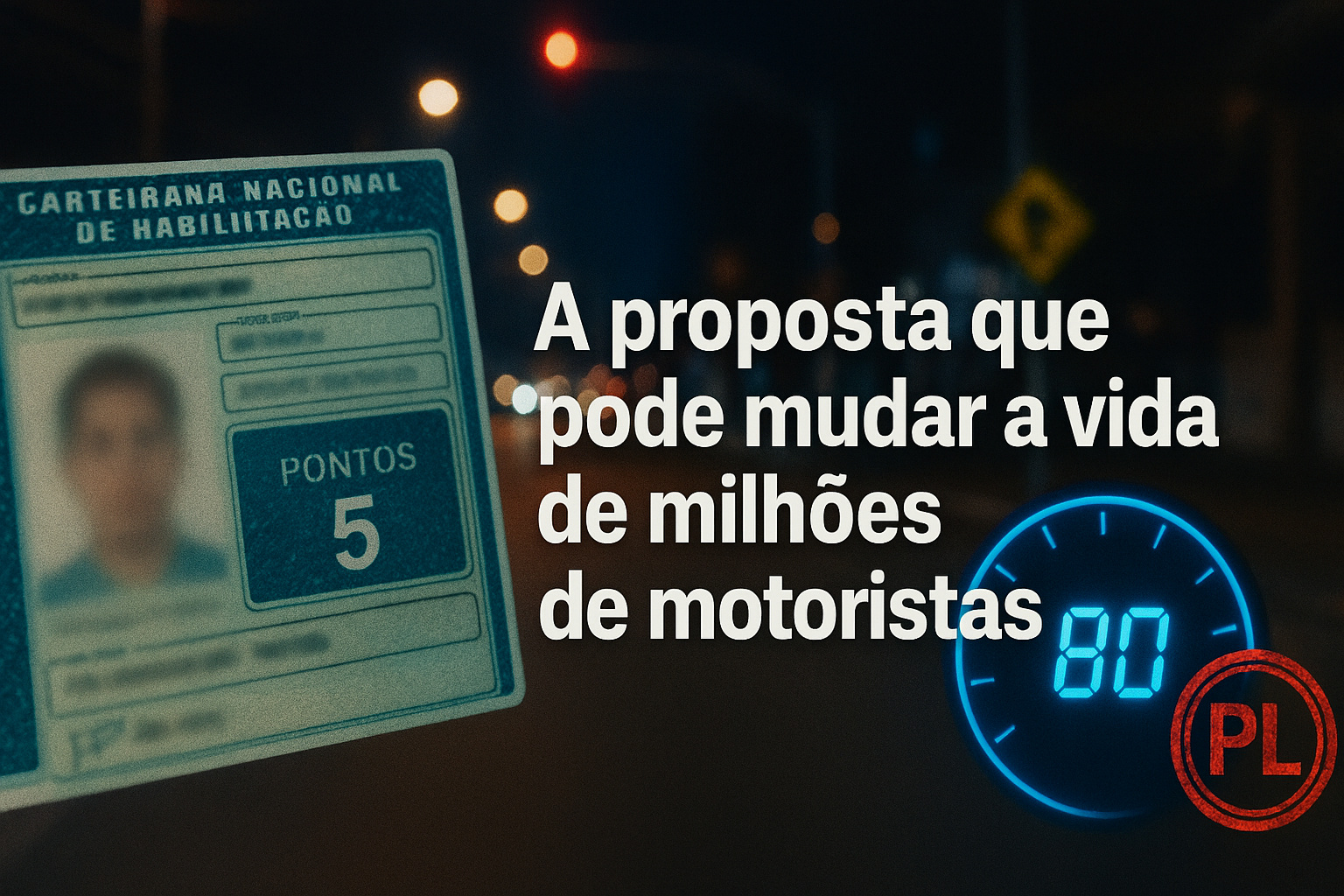


Bill Aims to Reduce by 1/3 the Points of the Driver’s License for Drivers Who Stay 6 Months Without Violations and Reignites the Debate About Punishment, Education, and Justice in Brazilian Traffic.
The discussion about justice in the driver’s license points system has returned to the center of national debate with the processing of a new bill that directly affects the lives of over 60 million drivers. The proposal seeks to balance punishment and incentive, rewarding those who maintain exemplary behavior behind the wheel and creating an unprecedented loophole in the legislation to alleviate the pressure from the accumulation of points — currently responsible for thousands of suspensions each year.
The text, which is still under consideration in Congress, raises a classic question in Brazilian traffic: is it possible to punish rigorously those who make mistakes and, at the same time, reward those who drive responsibly? This bill attempts to answer exactly that.
Reduction of Points in the Driver’s License: What Does the New Project Propose
The project establishes that any driver who goes 6 months without committing a violation may receive automatic reduction of one-third of the accumulated points on their Driver’s License. In practice, this means:
-
The noise law will no longer be in effect at 10 PM starting in June with a new rule valid during the 2026 World Cup.

-
The Chamber opens a debate on driver’s licenses at 16 years old as part of a reform that includes around 270 proposals to change the Brazilian Traffic Code and may redesign rules for licensing, enforcement, and circulation in the country.

-
The new Civil Code could revolutionize marriages in Brazil with “express divorce” and changes that could exclude spouses from inheritance.
-
Banco do Brasil sues famous influencer for million-dollar debt and intensifies debate on delinquency, risks of seizure, and direct impact on Gkay’s credibility.


— Those with 12 accumulated points could drop to 8.
— Those close to suspension with 18 points could return to 12.
— Professional drivers (categories C, D, and E), who are more exposed to fines, would gain extra breathing room in their activities.
The text also states that the count of the period only applies if the driver does not commit any violations during the determined period, regardless of the severity — light, medium, severe, or very severe.
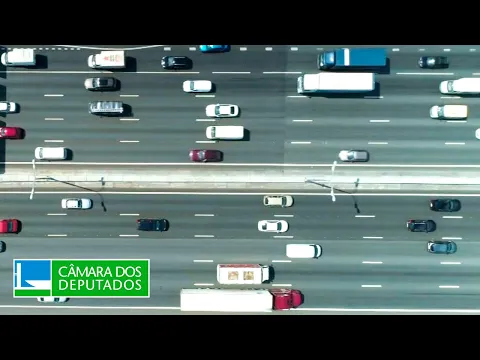

How This Change Would Affect the Current Scoring System
Today, the Brazilian Traffic Code works like this:
- 20 points in 12 months can lead to suspension if there is a very serious violation.
- 30 points if there is a serious violation.
- 40 points for those who have not committed serious or very serious violations.
- Professional drivers always have a limit of 40 points.
The new bill does not change the limits but creates a kind of “time reversal”, removing some of the weight imposed by the accumulation of violations and bringing a logic of rewards similar to that used in insurance and loyalty programs.
Experts believe that the change could reduce the number of administrative suspensions, but it would also require more rigorous monitoring by the State Departments of Transit (Detrans), since the reduction depends on an absolutely clean behavior of the driver during the analyzed period.
Why the Bill Reignited One of the Biggest Debates About Traffic in Brazil
Brazilian traffic carries a contradiction: we are one of the countries with the highest number of fatal accidents in the world, but at the same time, millions of drivers complain about the lack of proportionality in the application of fines and the accumulation of points.
For supporters of the project, the reduction of points:
- would value good behavior;
- would decrease the impact of accumulated light violations;
- would provide a real incentive for drivers to drive more attentively;
- would reduce the automatic application of suspensions deemed unfair.
On the other hand, critics warn that the measure may be interpreted as “excessive relief” for those who accumulate violations, diminishing the educational effect of the system.
It is precisely this conflict — punishment versus incentive — that has turned the bill into one of the most discussed topics in the urban mobility sector.
Drivers and Experts: What They Say About the Reduction of Points
Interviews with road safety experts show a clear division:
- Some argue that responsible driving should be rewarded, because behavior change only occurs when the driver perceives a positive return.
- Another group defends that the focus should be on increasing enforcement, rather than relaxing the points system.
In the view of legislative analysts, however, the proposal aligns with a global trend: traffic systems that do not only focus on mistakes but also take the driver’s history into account.
What Happens Now With the Project
As it is under consideration, the text may still:
- Receive amendments;
- Be combined with other traffic projects;
- Go through public hearings;
- Be voted first in the Transportation and Traffic Commission and then in the plenary.
Only after these steps, and eventual approval in the Senate, could the change be sanctioned or vetoed by the President of the Republic.
In other words: it is still far from coming into effect, but it already mobilizes experts, traffic authorities, and millions of drivers who face the constant risk of exceeding the points limit.
The proposal tries to balance punishment and justice, creating a space for good behavior to have real value within the traffic system. But it also opens up space for in-depth discussions about responsibility, education, and limits.
And you, reader: do you believe that those who drive well deserve to have points reduced from their driver’s license? Or do you fear that this may overly relax enforcement?









Concordo e gostaria muita se aprovada for essa medida ,pois premia o bom motorista ,aquele q é responsável e zeloso pelo q faz ,pq o mau motorista , esse não vai mudar em nada a vida deles ,continuarão a fazer os erros!!!!
Só aqui nesse Brasil pra vc se punido duas vezes pelo mesmo motivo, pra mim ou pontos ou valores, os dois é demais.
Enfim, esse não é mesmo o país da impunidade?!