





 Portuguese
  English
  Spanish
  3 min of reading
  0 comments


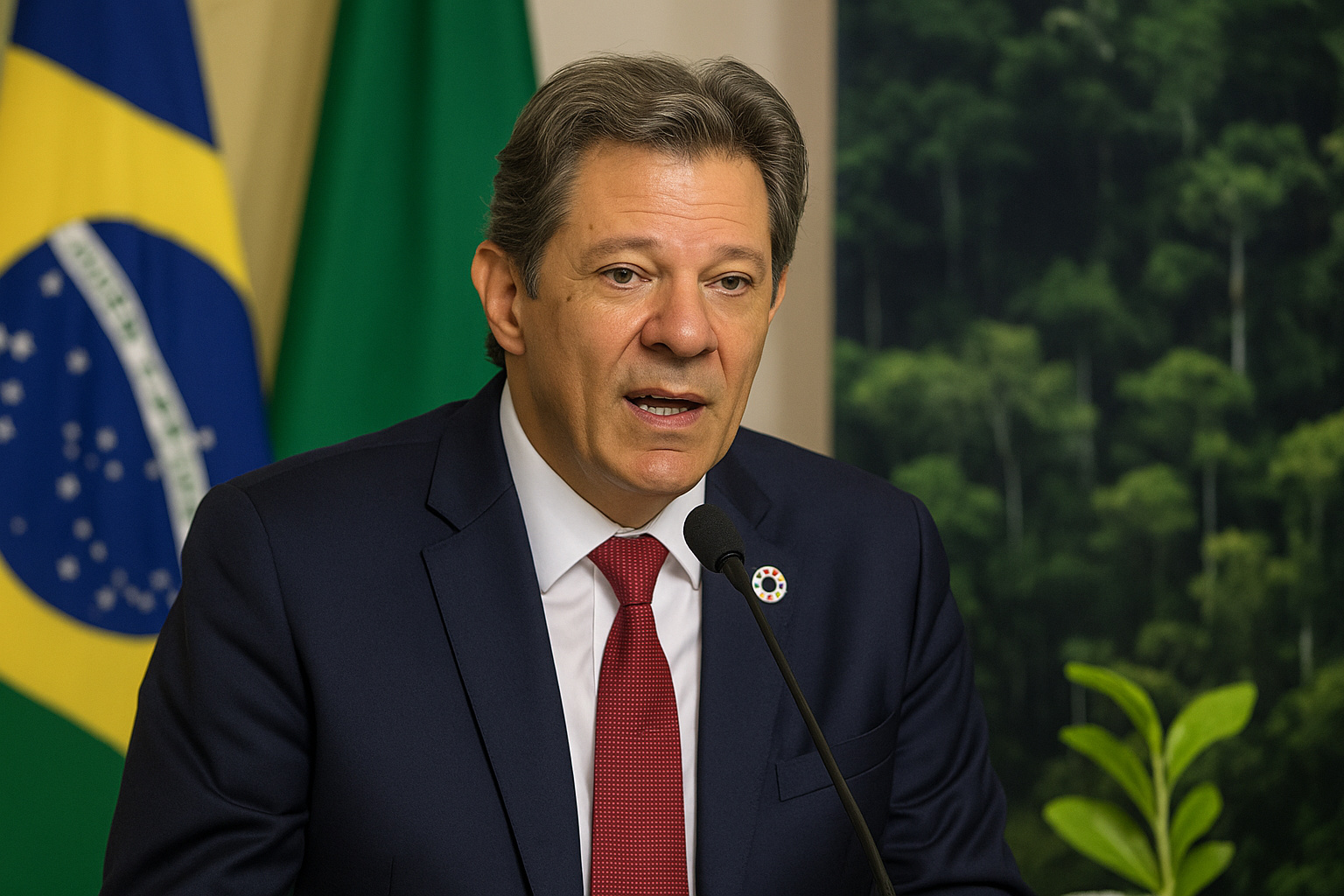
Haddad Presented Priorities to Unlock Trillions by 2035
The Minister of Finance, Fernando Haddad, presented on October 13, during the Pre-COP30 in Brasília, an ambitious plan to boost global climate financing.
The proposal outlines five priorities and three structural initiatives to strengthen sustainable investment mechanisms by 2035.
Additionally, the plan aligns multilateral banks, governments, and the private sector, in order to accelerate joint actions.
Finally, the material will be submitted at COP30, which will take place in Belém, starting on November 6, 2025.
Circle of Ministers and International Consultations
Since April, the Circle of Finance Ministers has served as a platform for dialogue and governance, under Haddad’s leadership.
Furthermore, over 25 formal consultations have been conducted, with the support of three advisory groups and the participation of multilateral banks, the private sector, civil society, and international organizations.
Throughout 2025, the group gathered 1,200 contributions from countries and institutions.
Thus, the consolidated document aims to expand access to climate financing, promoting transparency, efficiency, and global cooperation.

Reform Banks and Integrate Private Capital
Among the priorities presented, the proposal to reform multilateral development banks stands out.
These institutions must become more agile, integrated, and capable of catalyzing private capital, strengthening partnerships between countries.
Moreover, the plan advocates for strengthening domestic capacities and national investment platforms, in order to improve institutional coordination and enhance the attractiveness of sustainable projects.
Similarly, the text proposes to mobilize the private sector, promoting financial innovation that reduces risks and multiplies the impact of available resources.
Finally, it emphasizes the need to improve regulatory frameworks to ensure integrity, interoperability, and trust in the international financial system.
-
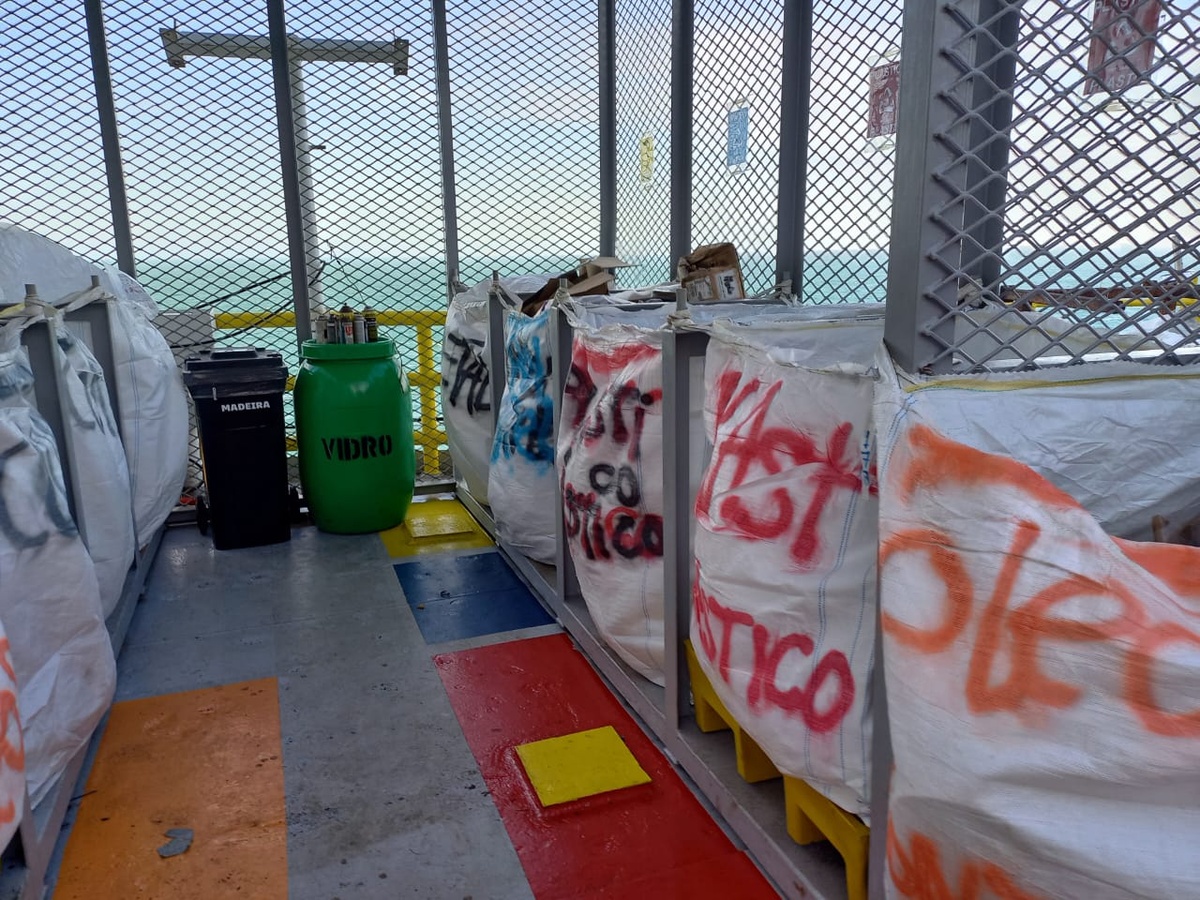
Foresea achieves 100% offshore waste reuse in 2025, eliminates landfill disposal, and consolidates sustainable strategy with 1,500 tons recycled.
-
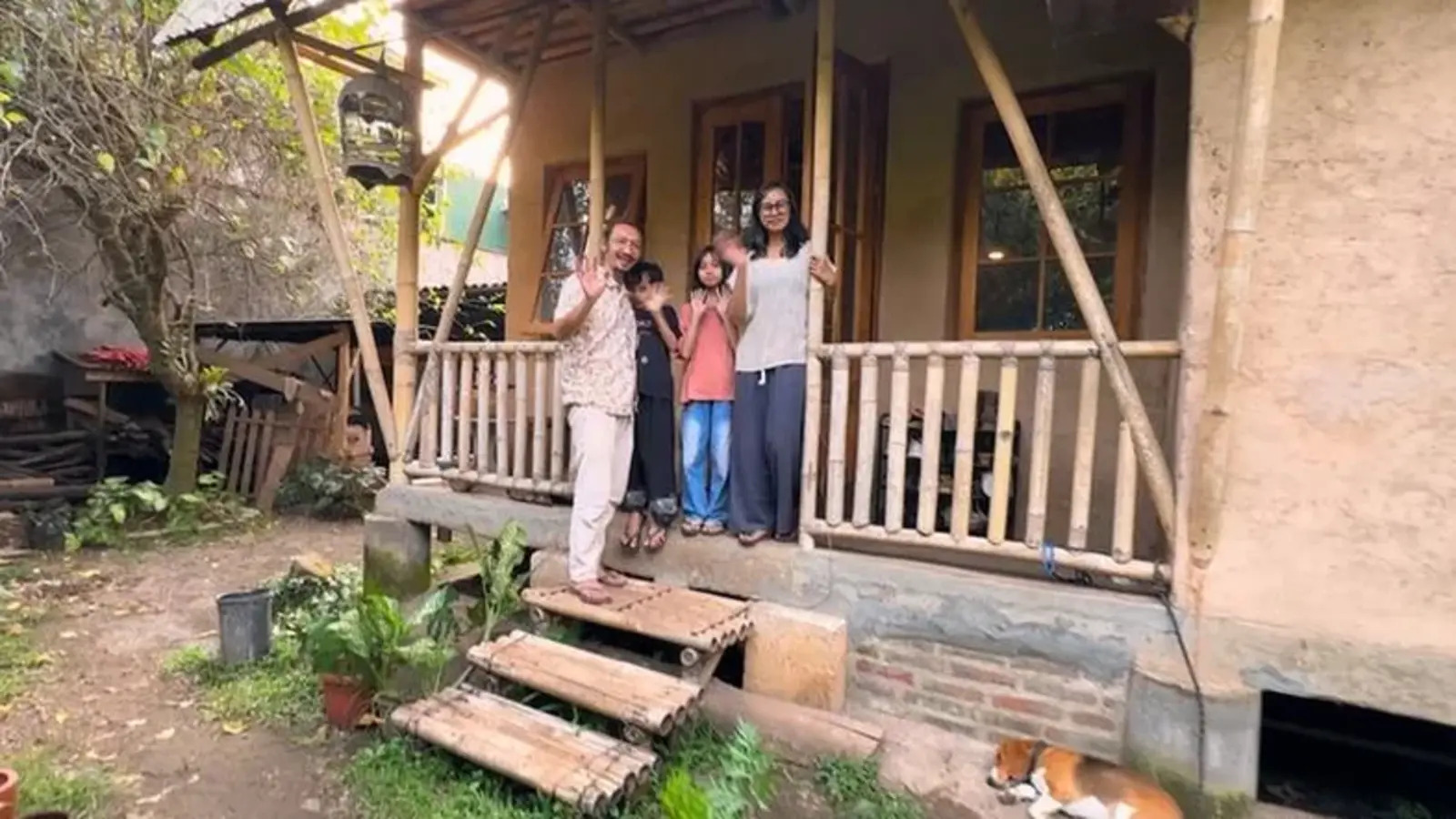
With earth, bamboo, straw, and lime mortar, a specialist builds a house for just over $460 and draws attention for its cost being much lower than traditional construction.
-
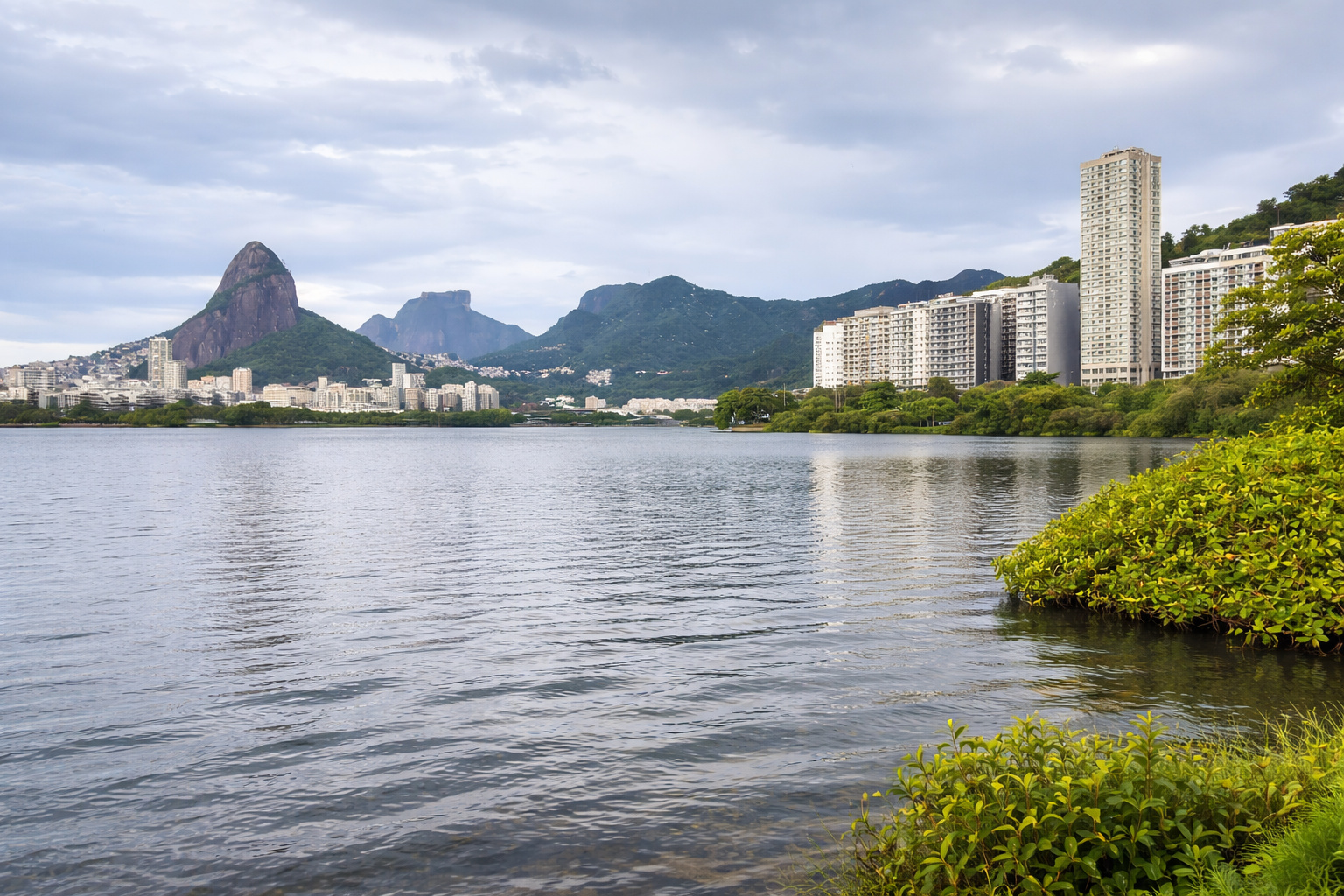
Rodrigo de Freitas Lagoon advances in environmental recovery with sanitation, elimination of irregular sewage, and the resumption of water sports in Rio de Janeiro.
-
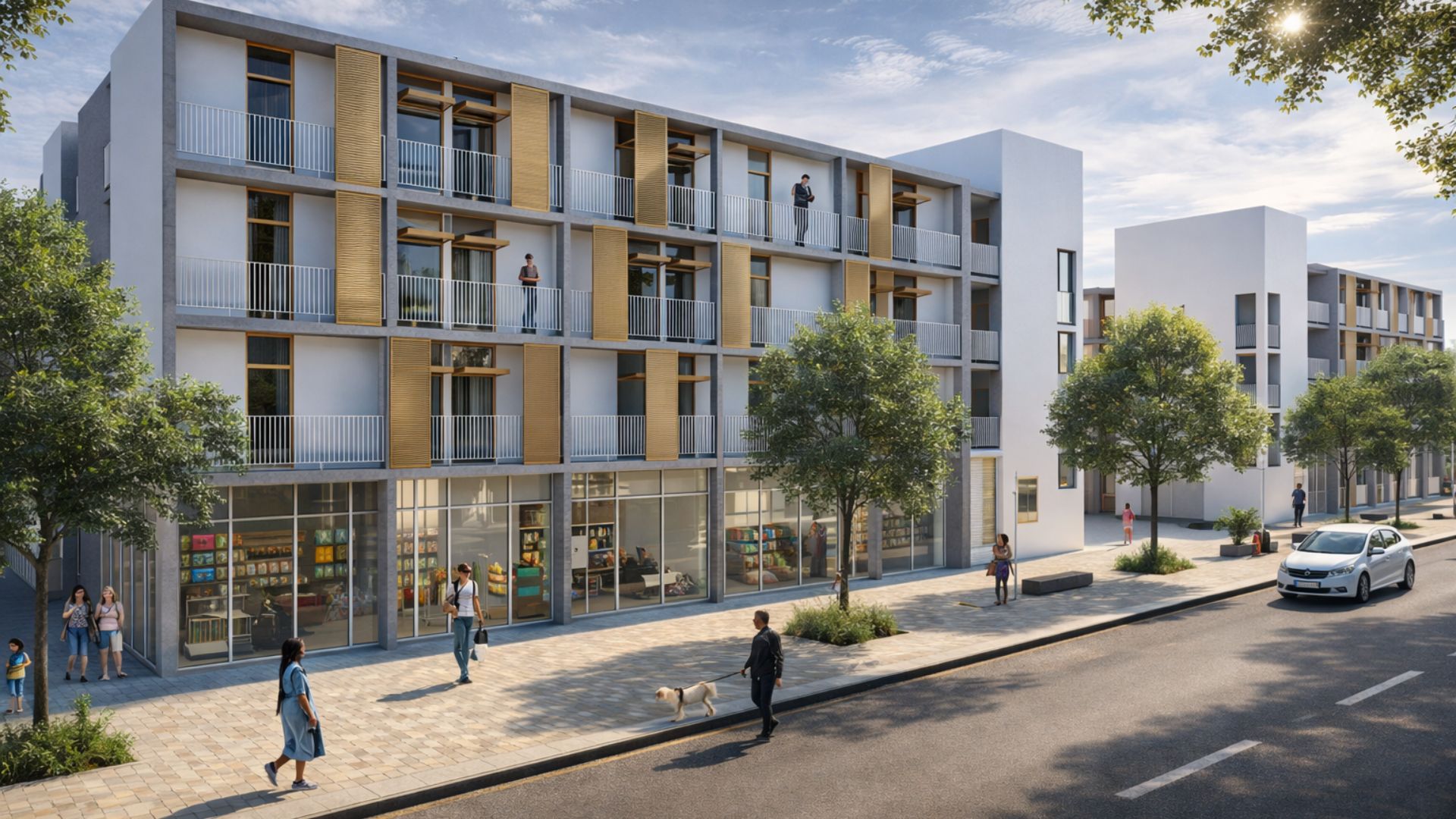
Sustainable housing gains strength with a nationally awarded project in Campo Grande, highlighting innovative solutions that combine sustainability, urban integration, and efficiency in the use of natural resources.

Five Strategic Priorities
— Increase concessional financing flows and climate funds, ensuring predictability and proper conditions for adaptation and just transition.
— Reform multilateral development banks to be more agile and efficient, as well as more integrated.
— Strengthen national platforms and institutional coordination, enhancing cooperation between countries and financial institutions.
— Promote financial innovation and mobilize the private sector, ensuring that investments are sustainable and lasting.
— Enhance regulatory frameworks, ensuring transparency, interoperability, and systemic trust.
Three Initiatives for the Action Agenda
In addition to the priorities, Haddad presented three initiatives related to the COP30 Action Agenda.
The first is the Rainforest Fund Forever, which proposes an investment-based model, rather than donations, making the mechanism more self-sustainable.
On the other hand, the second, called Open Coalition for Market Integration, seeks to promote harmonization and interoperability among regulated markets.
Meanwhile, the third, named Supertaxonomy, aims to ensure comparability and integrity among different national taxonomies, guiding sustainable investments and strengthening trust in the international market.
Deliverables and International Timeline
The final report will be presented this week in Washington, during the Annual Meetings of the World Bank and the IMF.
Subsequently, the document will be discussed in São Paulo, at the beginning of November, with the aim of involving the national financial sector.
Later, it will be delivered in Belém, directly to the COP30 president, as an official contribution.
Furthermore, the material will integrate the Map from Baku to Belém, which aims to unlock US$ 1.3 trillion in climate financing.
This investment aims to benefit developing countries by 2035, according to a commitment made at COP29.
Pre-COP30 in Brasília and Global Presence
The Pre-COP30 in Brasília gathered 66 countries and over 500 participants, including ministers, negotiators, civil society representatives, and journalists.
Among those present were China, India, European Union, United Kingdom, and Australia, as well as small island states and emerging economies.
During the event, indicators of climate adaptation, policies for just transition, and the implementation of the Global Balance were discussed.
The discussions aligned with the decisions of COP28, held in 2023, in Dubai, which reinforces the institutional continuity of negotiations.









-

Uma pessoa reagiu a isso.