





 Portuguese
  English
  Spanish
  3 min of reading



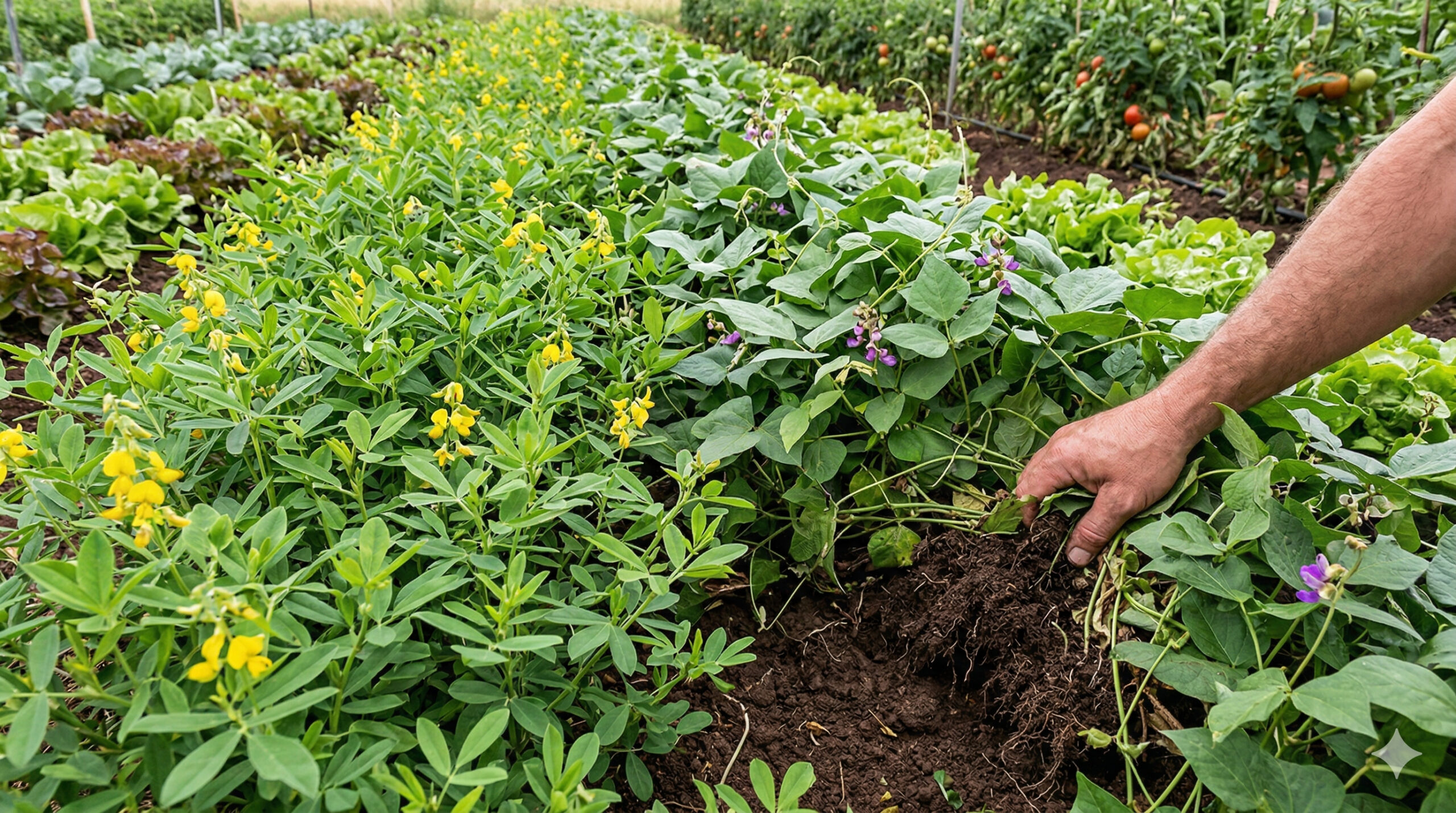
This Tuesday, the Minister of Agriculture, Carlos Fávaro spoke about the next Safra Plan (2023/24). According to him, the Plan should include the strengthening of an even more robust program for the stimulation of the conversion of degraded pastures into some crops, all this so that the country expands the planted area with grain by 5% every season for several years without the implementation of deforestation.
In an interview with Reuters, the minister reaffirmed that all this growth would be even more likely with the country utilizing about 40 million hectares of degraded pastures, which can be converted into crops. For this to happen, agricultural credits with suitable rates will be offered, Carlos added, quoting that the other priorities of the government will be to support the expansion of agricultural insurance.
Fávaro said, before his ministerial trip to Germany, that the plan would allow for a considerable increase in Brazil’s grain and oilseed production, which currently plants nearly 77 million hectares, respecting the concerns related to the environment.
“We will have an increase in resources to equalize interest rates for this program we are going to create to invest in the conversion of pastures,” said Carlos, citing the main priorities of the next Safra Plan.
-
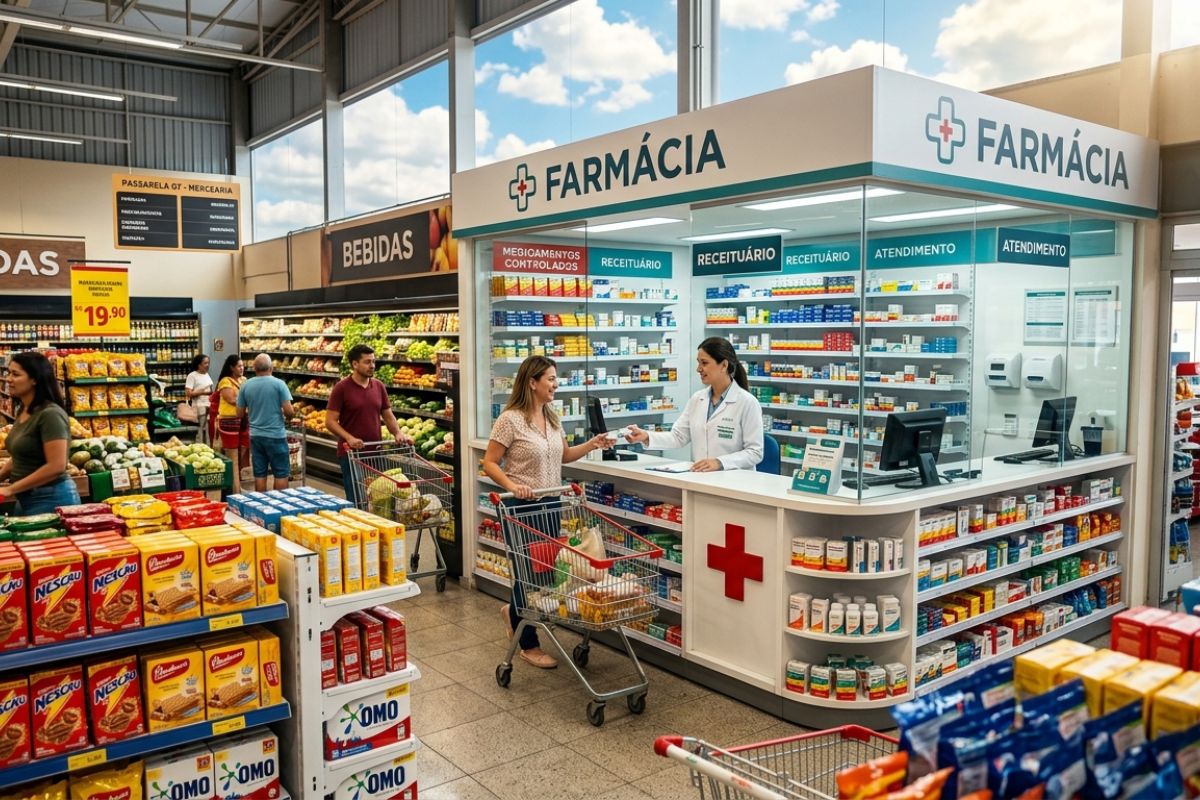
Pharmacy inside the supermarket: what changes now in your purchase, why medicines won’t go on the shelves, which rules remain strict, mandatory pharmacist, separate space, controlled storage, more convenience and competition in the country.
-
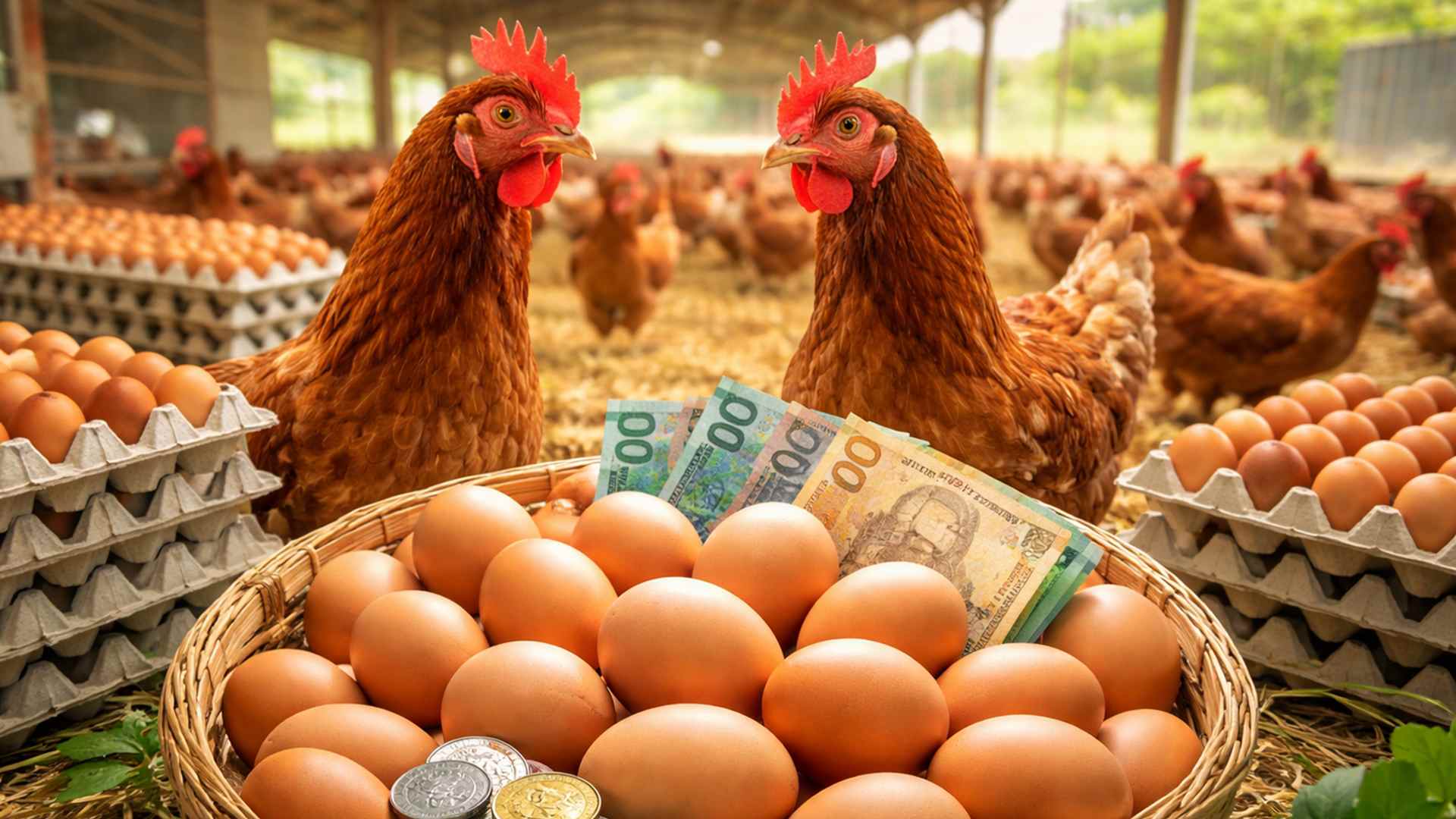
Money with chickens: how much can 200 laying hens yield per month with eggs at R$ 12 per dozen?
-
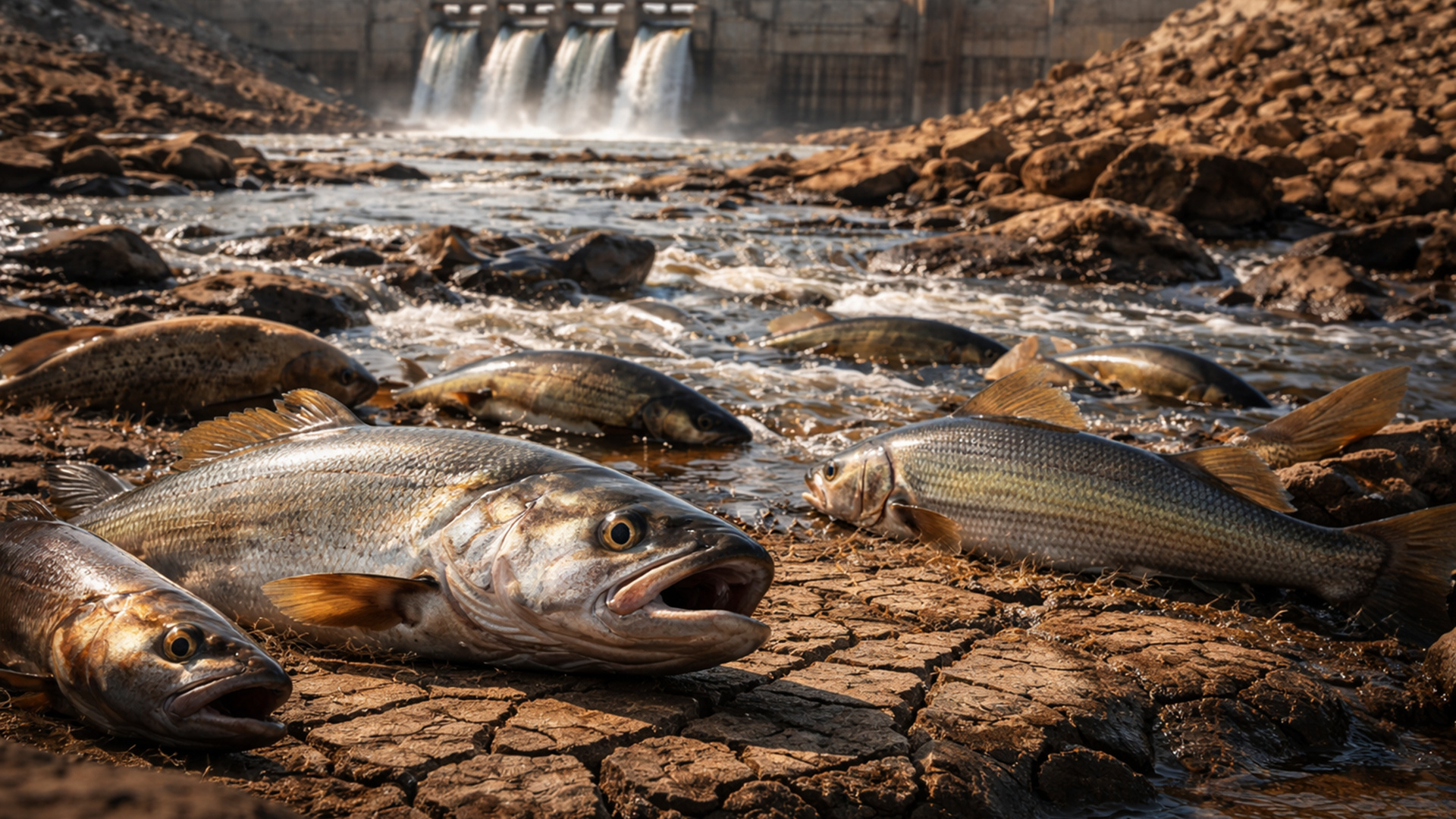
As dams and pollution advance, migratory freshwater fish are facing a silent global crisis that has already decimated populations, threatened fisheries, and raised alarms in major basins.
-
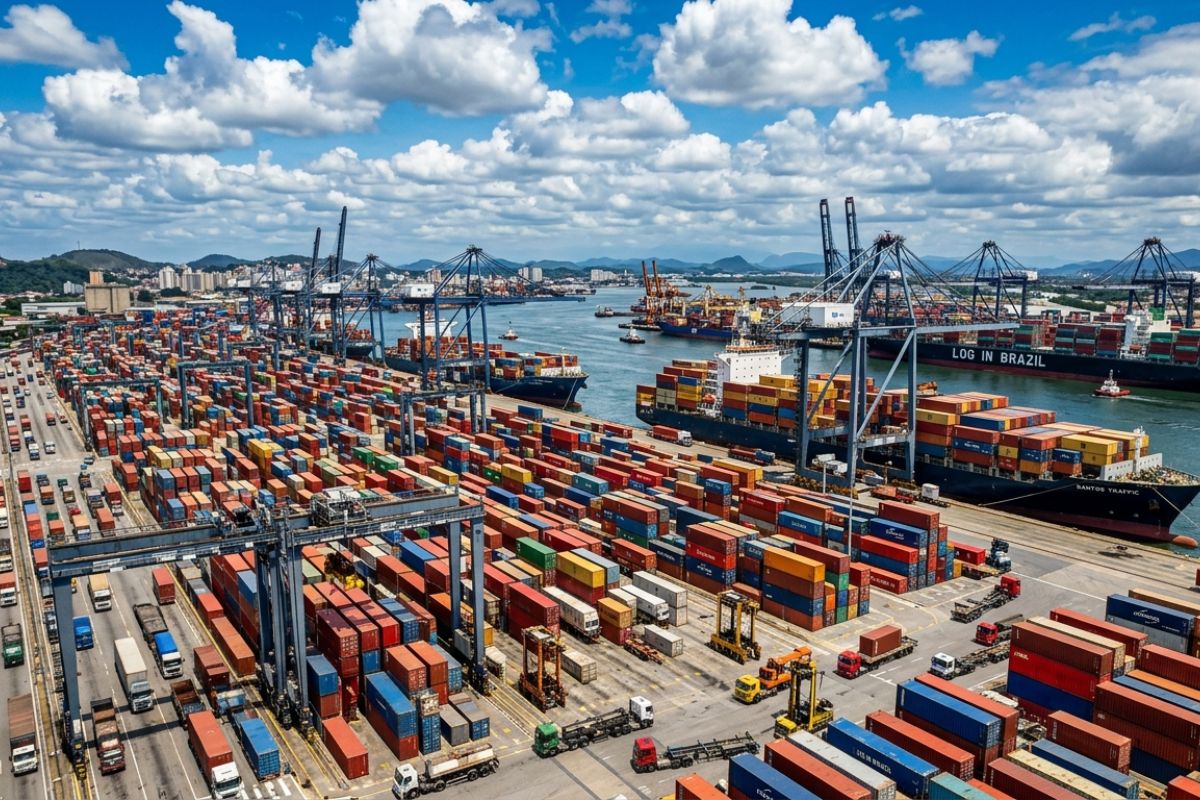
Ports like Santos and Paranaguá are operating at their limits and may block containers as early as 2030, warns a study by Macroinfra; bottlenecks increase costs and delays and push cargo to Rio, Salvador, Pecém, and Suape across Brazil.

Fávaro’s plan idea recalls the objectives of the ABC Plan, which was launched at the end of President Lula’s second term. However, this program aimed at stimulating sustainable agriculture has had comparatively small follow-up in recent years, in relation to the overall Safra Plan.
The minister recalled that the country currently has about 150 million hectares with low productivity or even in the process of degradation or already totally degraded areas, when talking about the stock of land that Brazil possesses.
“Why isn’t this converted into crops? Due to lack of investment. So we will create a line of credit, with compatible interest rates, with grace periods, with extended terms… So that the producer can take this resource and make this conversion…,” said the minister, over the phone.
Thus, he believes in an increase in planted areas of 5% per year for several harvests. “It is feasible, at a Chinese pace, but in a sustainable way.”
“The new government respects the environment and combats illegal deforestation, but one cannot take away the rights provided for in national legislation for a producer to clear part of the forests on their property,” said Minister Carlos.
Fávaro argued that payments for environmental services should be made if consumers want zero deforestation in Brazil, so that farmers and landowners receive their rewards for maintaining the forest standing.
“We are a government that values legality. If deforestation outside the Forest Code must be combated because it is against the law, how can we take away the right provided by law for the producer to deforest 20% of the forest and 65% in the Cerrado?” he stated, after being questioned about the topic. Furthermore, he reinforced that it is possible to have zero deforestation in the country, “but then payments for environmental services are needed, those who do not want deforestation should pay the producer.”
The minister reaffirmed that he wants to improve the information about the entire agricultural and production market and also the stocks presented by Conab.





Seja o primeiro a reagir!