





 Portuguese
  English
  Spanish
  3 min of reading
  0 comments


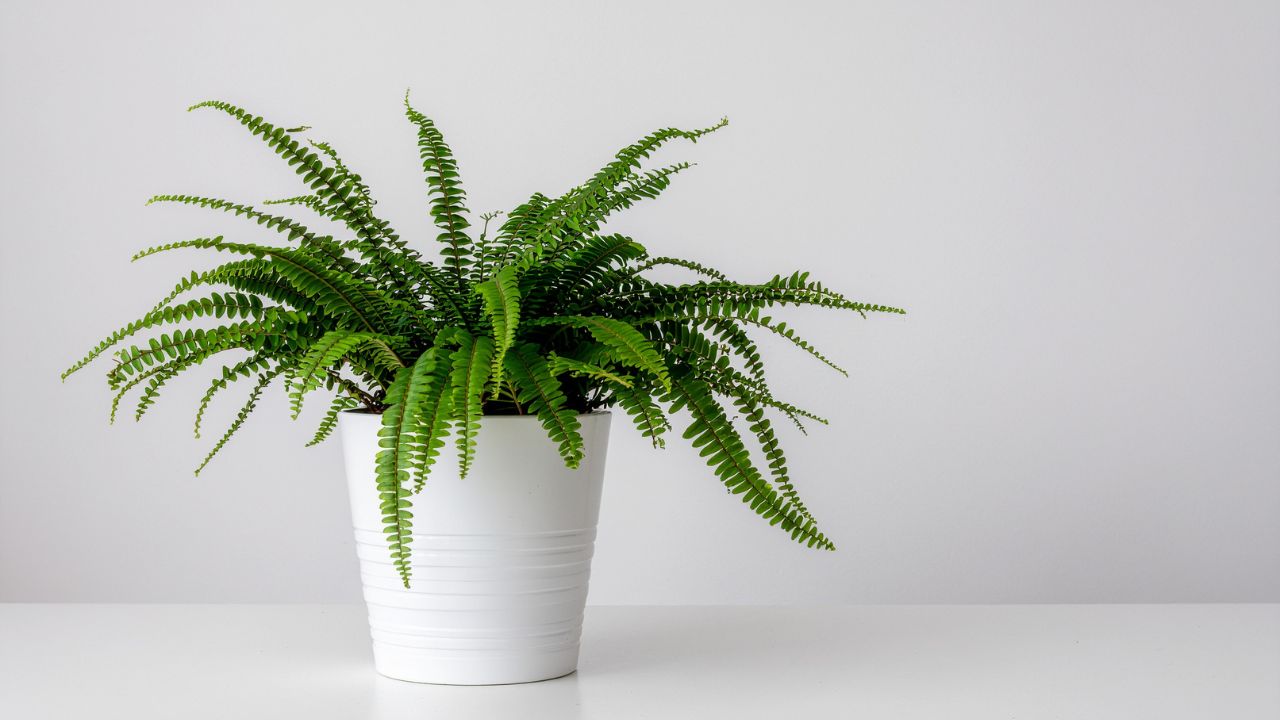
Discover Why the Boston Fern Is Called “Natural Air Conditioning” and How This Plant Helps Make the Environment Cooler, Humid, and Comfortable Inside the House.
On hot days or in enclosed spaces, stuffiness can be uncomfortable even without extreme temperatures. In this context, a plant quite common in Brazilian homes has gained fame as “natural air conditioning”: the Boston fern.
The nickname is not an exaggeration, as it helps improve thermal comfort by making the air more humid and pleasant.
Often found in living rooms, balconies, and apartments, this plant draws attention not only for its voluminous appearance but also for the effect it has on the environment.
-
The city has 33 islands, urban beaches, and the highest education rating among all the capitals of Brazil, but almost no one remembers it when thinking about living or traveling in the Southeast.

-
Drones come into action as teams of young people build 74 artificial dams and 100 rock structures to contain erosion, restore threatened streams, and try to return moisture and stability to degraded areas.

-
Have you ever wondered why the clock shows 60 minutes and not 100? The answer involves a mystery of 5,000 years that began in Mesopotamia, and no one has been able to change it to this day.

-
A 90-meter secret corridor remained hidden for 2,000 years under gladiator sand in Croatia and now reveals how the Roman Empire organized death away from the public eye.

In dry places, especially those with little air circulation, the fern can make a noticeable difference in daily life.
Why Is the Boston Fern Called “Natural Air Conditioning”?
The popular name arose because the Boston fern releases moisture into the air through its leaves.
This natural process helps reduce the drying out of the environment, which directly affects the thermal sensation.
When the air is very dry, the human body tends to feel heat more intensely and uncomfortably.
By increasing humidity, the plant creates a sense of coolness, making the space feel lighter and more breathable, especially in enclosed areas.
How the Plant Contributes to Home Thermal Comfort
Unlike electrical devices, the Boston fern does not lower the temperature of the environment.
The effect is more subtle and continuous, working on air quality and well-being.
This benefit is usually felt over the hours, especially in places that get stuffy during the day.
With a healthy and well-cared-for plant, the space conveys a lighter atmosphere, without promises of artificial cooling.
The Importance of Humidity for Indoor Environments
Very dry environments can cause discomforts such as excessive heat, dry skin, and irritation in the respiratory tract.
In this sense, plants like the Boston fern help balance the microclimate of the space.
Besides thermal comfort, increased humidity contributes to a more welcoming atmosphere.
For this reason, many people turn to plants as a natural alternative to improve air quality inside the house.
Where to Position the Boston Fern for Best Results
The choice of location makes all the difference. The Boston fern thrives better in spaces with plenty of indirect light, such as living rooms near windows with light curtains or covered balconies.
Very dry places, with constant wind or direct sunlight exposure, can harm the leaves.
For good results, the ideal environment is bright, shielded from strong sunlight, and with good air circulation.
Besides its comfort benefits, the Boston fern also plays an important aesthetic role.
Its long green leaves help decorate the environment, bringing a sense of visual freshness and a connection to nature.
For this reason, the plant has become a frequent choice for those who want to combine decor, well-being, and natural solutions in their daily lives.


Can the Fern Replace Air Conditioning?
Although it helps make the environment more pleasant, the Boston fern does not replace an air conditioning system on very hot days.
However, it acts as a natural and accessible complement.
For those seeking thermal comfort without increasing energy consumption, the plant can be a simple, efficient, and sustainable ally inside the house.










-

-

2 pessoas reagiram a isso.