





 Portuguese
  English
  Spanish
  5 min of reading
  0 comments


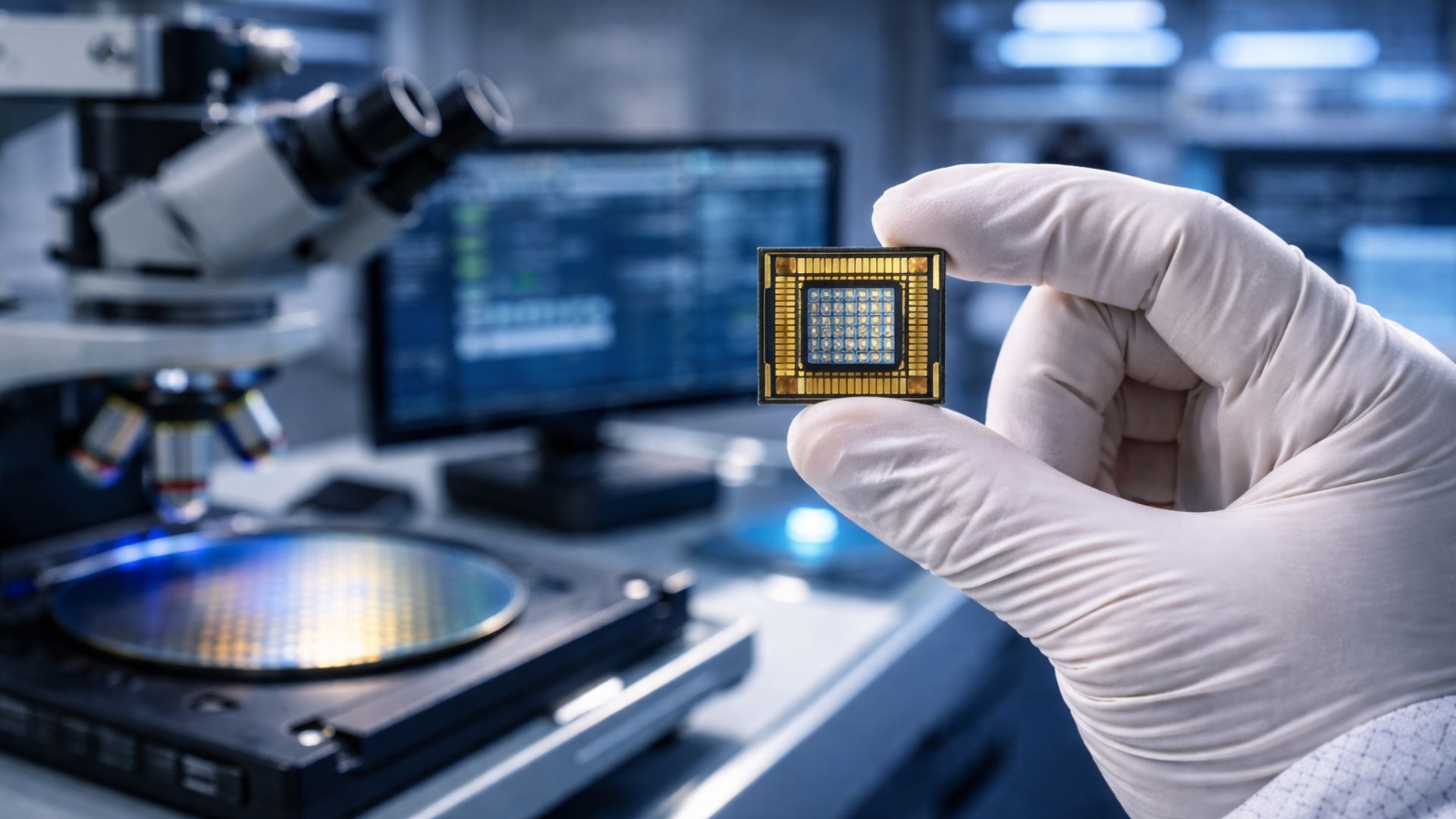
Understand how USP advances with the Pocket-Fab model to boost semiconductors in Brazil, creating a new factory with national technology, generating qualified jobs and reducing external dependence.
The University of São Paulo (USP) is leading a strategic initiative in the Brazilian industry by betting on the Pocket-Fab model for semiconductor production. The proposal involves the creation of a new compact, portable, and replicable factory, with the potential to impact the technological landscape of the country.
According to a publication by Jornal Nacional, through the G1, the central idea is simple but ambitious: to produce chips in Brazil to reduce external dependence and strengthen the national industry. Today, most of the semiconductors used in the country come from abroad, mainly from Asia, which makes the economy vulnerable to global crises.
With Pocket-Fab, USP aims to reverse this logic. The project combines technology, innovation, and industrial planning to create a new productive base. The initial investment already amounts to R$ 89 million, showing the strategic weight of the initiative.
-
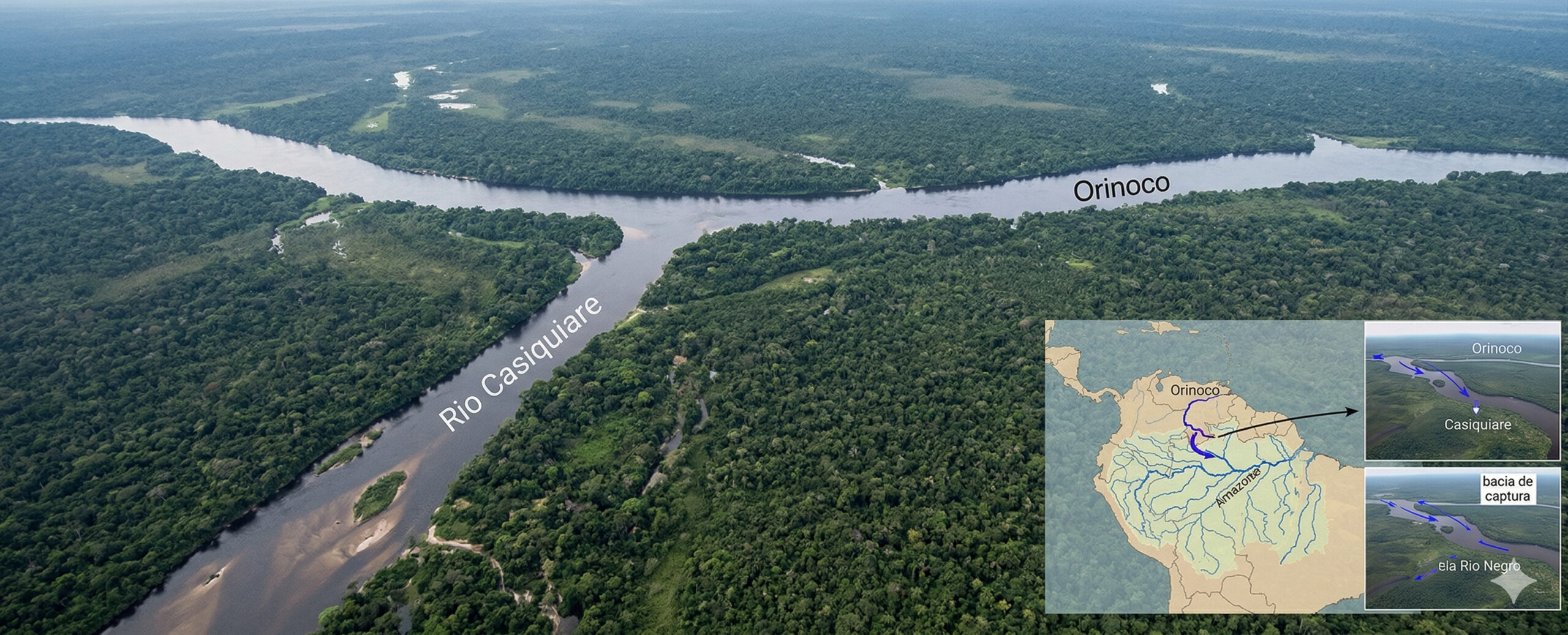
Casiquiare, a river that connects the Orinoco and Amazon, has challenged hydrology for centuries; cartographers created fictitious mountains to deny its existence, and Humboldt traveled 1,725 miles through the jungle in 1800 to prove that the maps were wrong.
-
At a depth of 2,900 km, Tuzo and Jason form two colossal structures buried beneath Africa and the Pacific that have challenged science for decades, and a new study suggests that these gigantic structures may have originated from material exchanges between the core and the mantle in the early days of Earth.

-
NASA and France use a high-precision radar satellite to monitor 127,000 river segments and discover incredible data about the global fluctuations in water volume.

-
Amazon is moving forward with the discontinuation of old Kindles, directly impacting users; discover an effective alternative that allows you to maintain access to digital books and avoid immediate replacement of the device.

How the new compact factory redefines semiconductor production in Brazil
The Pocket-Fab proposal breaks with the traditional model of large semiconductor factories. Instead of gigantic structures, the new factory will have about 150 square meters, with highly efficient operation and focus on specific demands.
This compact format allows production to be taken to different regions of the country, something practically impossible with conventional models. The technology employed also favors flexibility, allowing for quick adjustments according to industry needs.
Moreover, the estimated production capacity is significant. Each unit can manufacture up to 60 million chips per year, a substantial volume to meet strategic sectors of the Brazilian economy.
Among the main differentiators of this model are:
- Reduced and easily installable structure
- Decentralized production closer to demand
- Lower implementation cost compared to large factories
- Possibility of replication in various regions of the country
This approach can help increase competitiveness in the semiconductor sector.
Why semiconductors are strategic and how national technology gains strength
Semiconductors are essential components for virtually all modern technology. They are present in cell phones, vehicles, household appliances, medical equipment, and industrial systems.
Despite this importance, Brazil still does not have significant production of these components. This creates an external dependence that can directly affect the economy.
During the pandemic, for example, the global chip shortage caused immediate impacts:
- Shutdown of automotive production lines
- Increase in prices of vehicles and electronics
- Delays in the delivery of technological equipment
This scenario made it clear that investing in national technology is not just a choice, but a strategic necessity. By betting on Pocket-Fab, USP strengthens the country’s capacity to produce its own semiconductors, reducing risks and increasing autonomy.


USP’s strategy with Pocket-Fab to create a network of new technological factories in the country
The USP project is not limited to a single unit. The proposal is to create a replicable model of a new factory, capable of being implemented in different regions of Brazil.
The goal is ambitious: to build about ten semiconductor production hubs. This decentralized network can form a true technology ecosystem, integrating universities, industry, and research centers.
Partnerships also play a fundamental role in this process. Institutions such as the Federation of Industries of the State of São Paulo and the National Service for Industrial Training contribute to aligning production with the real needs of the market.
This integration allows for process optimization and directs manufacturing towards components with higher demand, increasing the efficiency of the new factory.

Pocket-Fab, qualified jobs, and the direct impact on the Brazilian economy
One of the most relevant effects of the expansion of Pocket-Fabs is the generation of qualified jobs. Each new factory can employ about 500 professionals, including engineers, technicians, researchers, and students.
This impact goes beyond the numbers. The creation of opportunities in technology contributes to talent development and the retention of professionals in the country.
Among the main economic benefits are:
- Training of specialized labor in semiconductors
- Encouragement of innovation in different industrial sectors
- Strengthening of the national production chain
- Increase in Brazil’s technological competitiveness
This movement can also boost areas such as artificial intelligence, automation, and digital industry, expanding the reach of USP’s initiative.

New factory based on national technology strengthens autonomy and reduces global risks
The dependence on semiconductor imports has always been a critical point for Brazil. A large part of the chips used in the country comes from markets like China and Taiwan, regions subject to geopolitical instabilities.
The creation of a new factory with national technology changes this scenario. By producing internally, Brazil gains greater control over its supply chain.
Professor Marcelo Zuffo, coordinator of the project, emphasizes that the country has all the necessary elements to enable this industry, including natural resources, energy, water, and human capital.
With these combined factors, Pocket-Fab presents itself as a realistic and strategic solution to strengthen Brazilian technological autonomy.
The role of Pocket-Fab technology from USP in repositioning Brazil in the global scenario
The global semiconductor market is highly concentrated, with few countries dominating production. However, innovative initiatives like Pocket-Fab can open space for new participants.
By investing in more accessible and replicable technology, USP creates a concrete opportunity for Brazil to enter this market. Local production can also evolve into export, expanding the country’s international presence.
Another relevant point is the ability to adapt. The new factory model allows for quick responses to market changes, something essential in a highly dynamic sector like semiconductors.
A new path for the Brazilian industry with Pocket-Fab, semiconductors, and technology
USP’s initiative with Pocket-Fab represents more than a technological advancement. It signals a shift in mindset regarding Brazil’s role in the global economy.
By investing in semiconductors and a new factory based on national technology, the country begins to build a more solid and independent foundation. The project shows that it is possible to transform historical challenges into real opportunities.
With an initial investment of R$ 89 million, a production capacity of 60 million chips per year, and the potential to generate 500 jobs per unit, the proposal brings together concrete elements to create impact.
More than just producing chips, USP is helping to shape a future where Brazil actively participates in the digital economy. Pocket-Fab thus emerges as a symbol of innovation, autonomy, and sustainable development.







Seja o primeiro a reagir!