





 Portuguese
  English
  Spanish
  5 min of reading
  74 comments





Valve Timing Technology Adopted By Chevrolet Promises Long Service Life, But Imposes Strict Maintenance Rules, Especially On Correct Oil Use, Directly Influencing Durability, Mechanical Reliability, And Routine Of Workshops And Owners Of Turbo Models In Brazil.
The timing belt that operates in direct contact with the engine oil has become one of the most discussed topics in the maintenance of modern Chevrolet vehicles in Brazil.
Known as Belt in Oil (BIO), the technology is presented by the manufacturer as a solution aimed at reducing friction, noise, and fuel consumption, with a projected service life of 240,000 kilometers, provided that the specified usage and maintenance conditions are respected.
At the same time, the system imposes stricter requirements regarding the type of lubricant used and the adherence to the scheduled maintenance intervals established in the vehicle manual.
-
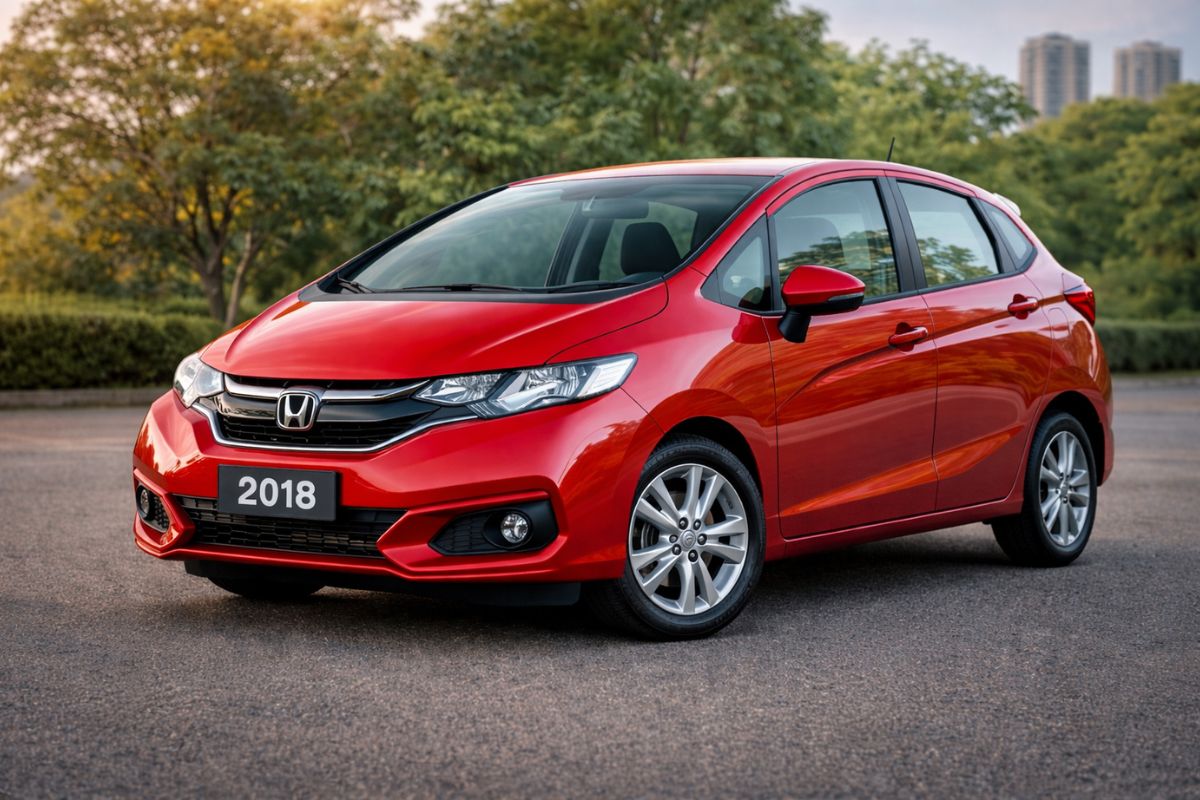
The Honda Fit has been discontinued for years, but the 2018 model is worth more today in the Fipe table than it cost brand new, proving that this used car, valued with a 1.5 i-VTEC engine and Magic Seat, only increases in price.
-
Volkswagen unveiled the 2027 Atlas with a 282-horsepower EA888 turbo engine, a 15-inch screen, massage seats, and a completely new interior to finally elevate the three-row SUV built on the MQB platform to a new level.

-
After decades out of the spotlight, Citroën is preparing to bring back the legendary 2CV as a low-cost electric vehicle, betting on the revival of one of the most popular cars in history and aiming to enter the race for affordable compact cars.

-
The 2026 electric Vitara arrives in Brazil and proves that Suzuki is not leaving: 4×4 traction, 184 hp, 61 kWh LFP battery, 293 km range, R$ 259,000, and a trunk capacity of 224 L.

The debate has gained traction in recent years because the oil-immersed belt structurally differs from traditional belts, which operate outside of the engine in a dry environment.
In the BIO system, the component remains inside the mechanical assembly and operates immersed in the lubricant, which alters the wear and maintenance logic.
For this reason, automotive industry experts point out that the condition of the oil now has a direct influence on the durability of the belt.
Oil-Immersed Belt And The Evolution Of Modern Engines
The development of more efficient engines with lower emission levels has led automakers to reevaluate traditional mechanical solutions.
In this context, the oil-immersed belt emerged as an alternative to chain-driven mechanisms and external belts, combining reduced internal friction and lower operational noise levels.
According to technical materials and industry analyses, the system’s proposal is conceptually simple: by constantly working lubricated, the belt faces less mechanical resistance.
This can contribute to energy efficiency gains and a quieter engine operation.
To enable this application, manufacturers have begun using specific materials, including synthetic rubbers and structural reinforcements designed to withstand permanent contact with oil and additives at high temperatures.
Difference Between Oil-Immersed Belt And Conventional Belt
In traditional systems, the wear of the belt is usually associated with exposure to heat, dust, and the natural aging of the material, leading to relatively predictable replacement intervals.
On the other hand, the oil-immersed belt remains protected from the external environment but directly depends on the internal conditions of the engine.
The constant presence of lubricant tends to reduce vibrations and noise while favoring the stability of the timing between the crankshaft and the camshaft, an aspect considered relevant in compact and turbocharged engines.
Conversely, technicians and specialized publications warn that using oil outside of specifications or in degraded conditions can accelerate the wear of the belt, compromising the system as a whole.
Service Life Of 240,000 KM And Conditions Required By Chevrolet
Chevrolet states that the oil-immersed belt is designed for replacement after up to 240,000 kilometers, provided that the maintenance plan is strictly followed.
The disclosed durability is therefore contingent upon using approved lubricant and adhering to the replacement intervals specified by the manufacturer.
In practice, this point often generates varying interpretations among owners.
While some view the belt as a long-lasting component requiring no frequent attention, manuals and technical guidelines make it clear that the service life depends on the maintenance history.
Unlike external belts, the performance of the BIO system cannot be dissociated from the quality of oil used over time.
Correct Oil And Maintenance As A Decisive Factor
The adoption of the oil-immersed belt has amplified the importance of a well-known but not always strictly followed aspect: the correct selection of lubricant.
Besides viscosity, the homologation standards play a central role in preserving the system.
In technical documents and specialized reports, reference to the recommended specifications for Chevrolet engines sold in Brazil is common.
For the Onix and Onix Plus, for instance, oil 0W-20 is recommended for the 1.0 naturally aspirated engine and 5W-30 for the 1.0 turbo, both meeting the Dexos 1 Gen 3 standard developed by General Motors for its latest engines.
Automotive maintenance specialists point out that using unsuitable oil can cause accelerated degradation of the belt, with the possibility of particle detachment.
In such situations, residues may circulate through the lubrication system and affect other components, increasing the risk of failures and the complexity of repairs.
Impacts Of The Oil-Immersed Belt On The Workshops Routine
From the workshops’ perspective, the oil-immersed belt demands a different approach compared to conventional systems.
The history of revisions, the type of oil used, and adherence to the manufacturer’s recommendations become central elements in assessing the condition of the engine, even when there are no apparent symptoms.
Industry professionals report that communication with the customer has also changed.
Instead of maintenance based solely on generic intervals, the BIO system requires greater attention to procedures and technical specifications.
This shift helps explain why the topic frequently appears associated with discussions on maintenance costs and reliability, especially in turbo engines.
Chevrolet Engines In Brazil With Oil-Immersed Belt
In the Brazilian market, Chevrolet employs the oil-immersed belt in engines that equip models such as Onix, Onix Plus, Tracker, and Montana, including turbocharged versions.
These powertrains are part of a global downsizing strategy that seeks to combine lower displacement with compatible performance and reduced emissions.
According to technical information released by the manufacturer itself, the BIO system contributes to reduced consumption and precise operation of these engines, provided that the revisions are carried out according to the official plan.
The projected durability of the belt is directly linked to these conditions.
What Changes For The Driver In Practice
For the owner, the main change lies in the level of attention required by preventive maintenance.
Oil changes are no longer just a periodic routine and now must strictly follow the manufacturer’s specifications, both in type and interval.
Experts emphasize that short trips, heavy traffic, and severe usage can accelerate the degradation of the lubricant, making the adherence to the maintenance plan even more critical.
Under these conditions, the oil-immersed belt can achieve the projected service life and operate as intended.
With a technology that combines mechanical efficiency with a declared durability of up to 240,000 kilometers, conditioned on strict adherence to technical recommendations, how will drivers adapt to a scenario where oil maintenance assumes an even more decisive role?








E muita burrice trocar o motor com corrente de comando por uma correia de plástico e vim dizer que dura mais!
Depois na hora que der MRDA, como sempre a Chevrolet diz que foi mau uso, aí o cliente que se lasque.
Eu tou fora!! Nunca vou trocar e certo pelo duvidoso.
Tenho um Ônix Plus 2020 1.0 Aspirado, nunca me deu problema, sempre uso o óleo 0W20. Esses que está reclamando é porque usam o óleo errado.
Deus me livre!!!!! Essa **** de correia banhada à óleo🤬!!!! Bom mesmo é o Kardian que é moderno e com corrente de comando 😃👍