





 Portuguese
  English
  Spanish
  4 min of reading
  0 comments


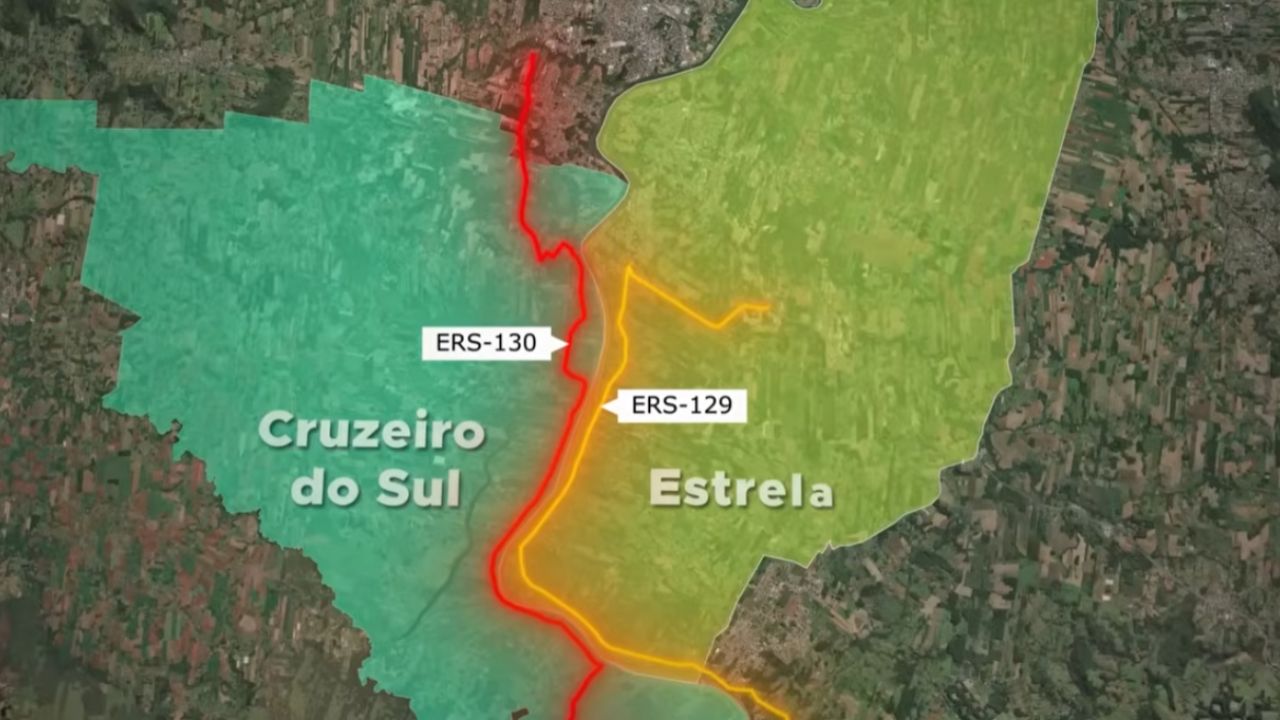
The Bridge of Valleys is a High-Level Connection Between IRS 130 and Transantarita in Estrela, Creating a Safe Detour Between BR386 and RS287 with an Estimated Investment of R$ 288 Million
The Bridge of Valleys emerges as a direct response to the logistical collapse caused by the 2024 flood in the Taquari Valley. When the river left its bed, it didn’t just take streets and bridges, it took the flow that sustained daily life and a significant part of the region’s economy, leaving trucks stranded, improvised routes, and essential services operating at their limits.
The Bridge of Valleys enters the map as a redundancy solution: a raised crossing, long and designed to continue operating even when the Taquari regains strength, creating a real alternative between the corridors of BR386 and RS287.
Why the Bridge of Valleys Became a Priority After the 2024 Flood

The idea of a new connection between Cruzeiro do Sul and Estrela did not originate now. Studies and discussions about the route circulated for decades, but two pieces that rarely come together were missing: clear political urgency and compatible resources with the scale of the project.
-
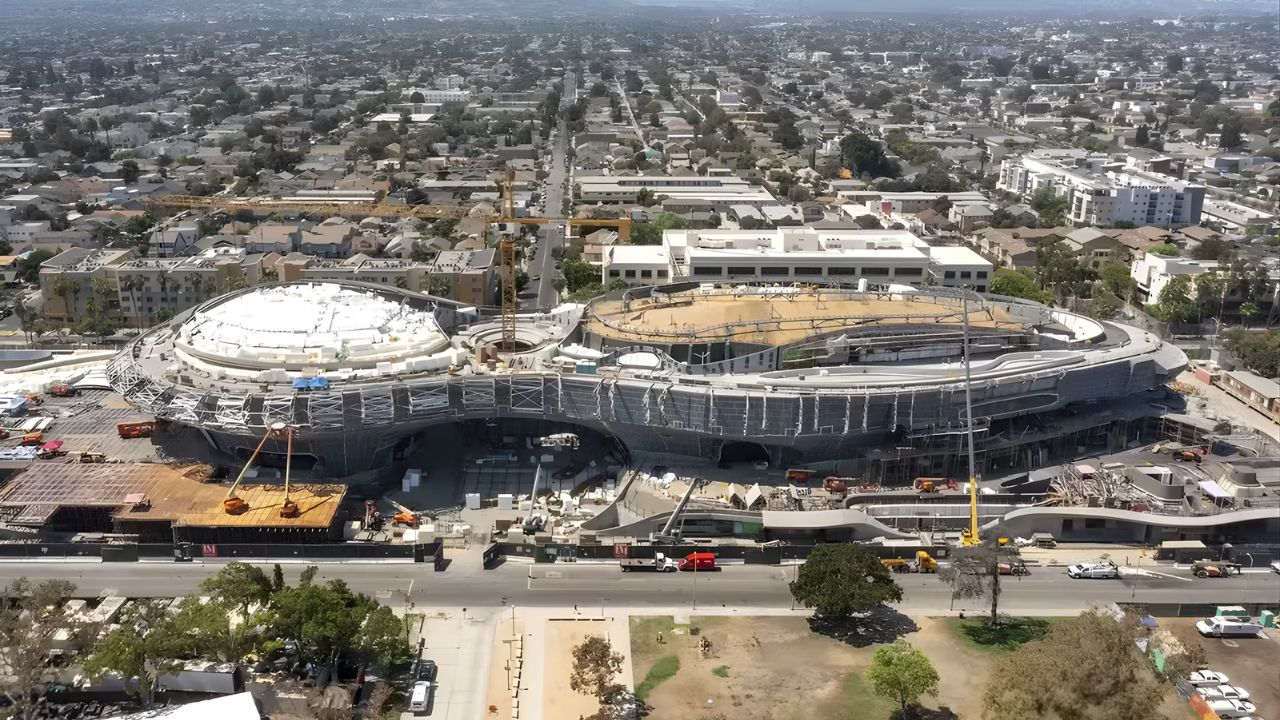
Created by George Lucas with over $1 billion, a futuristic museum in the shape of a spaceship with 1,500 curved panels is about to open in Los Angeles and will house one of the largest private collections of narrative art in the world.
-
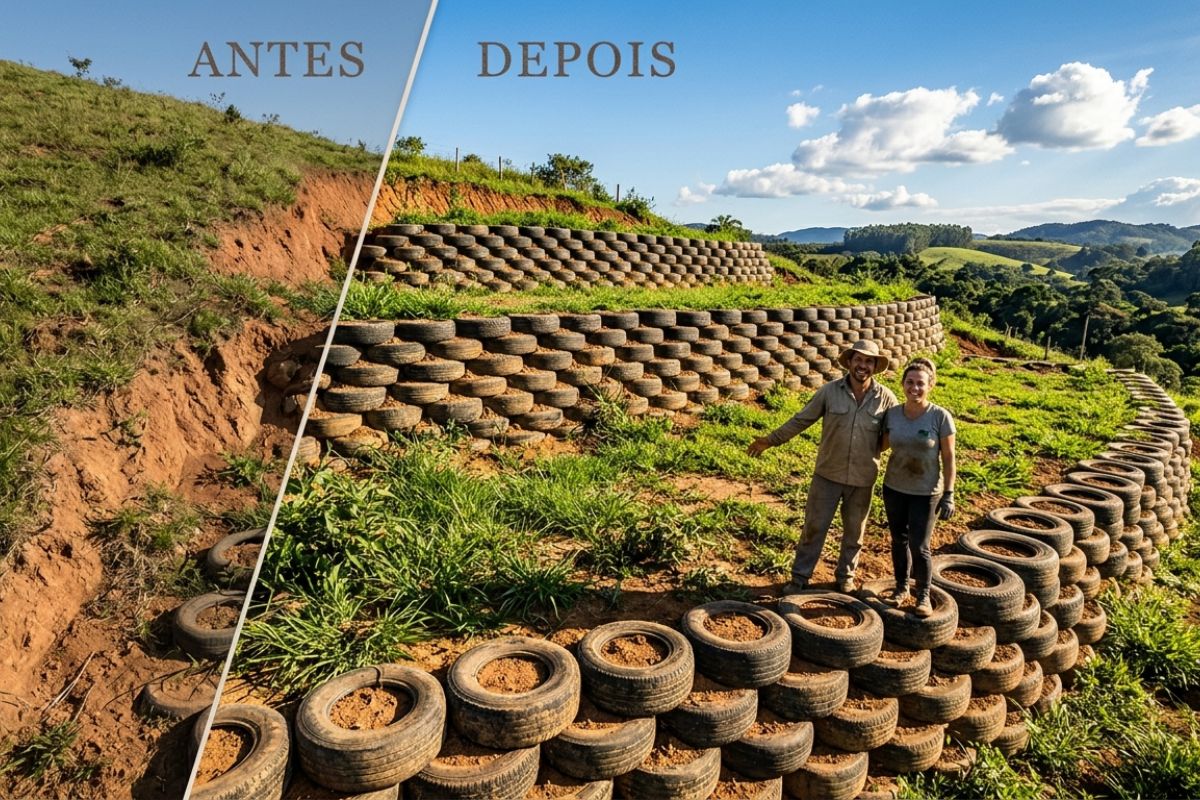
Couple shows how they built a retaining wall on their property using 400 old tires: sloped land turned into plateaus, tires are aligned, filled, and compacted with layers of soil, with grass helping in support and at almost zero cost.
-
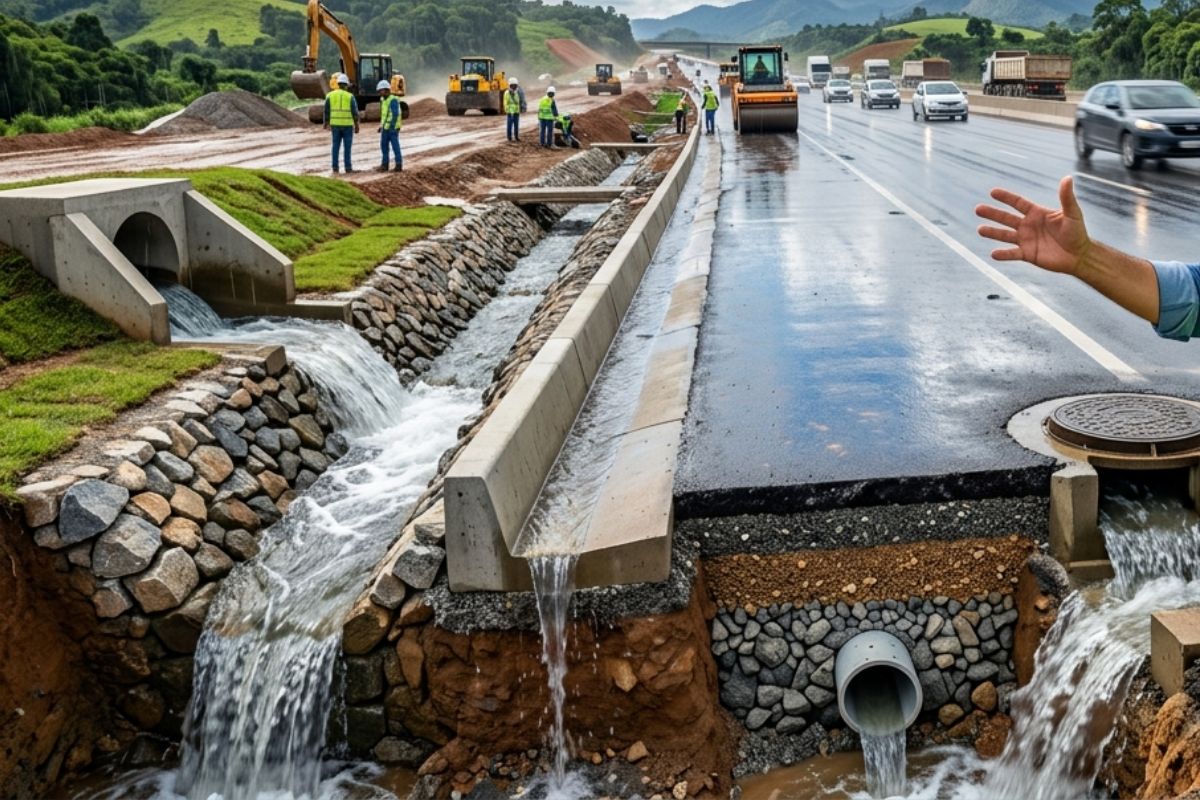
Engineer explains drainage during the rainy season: the difference between surface water and deep water, ditches, gutters, and water outlets on the road, as well as drains and drainage mattresses, to prevent erosion, aquaplaning, and flooding at the construction site today.
-
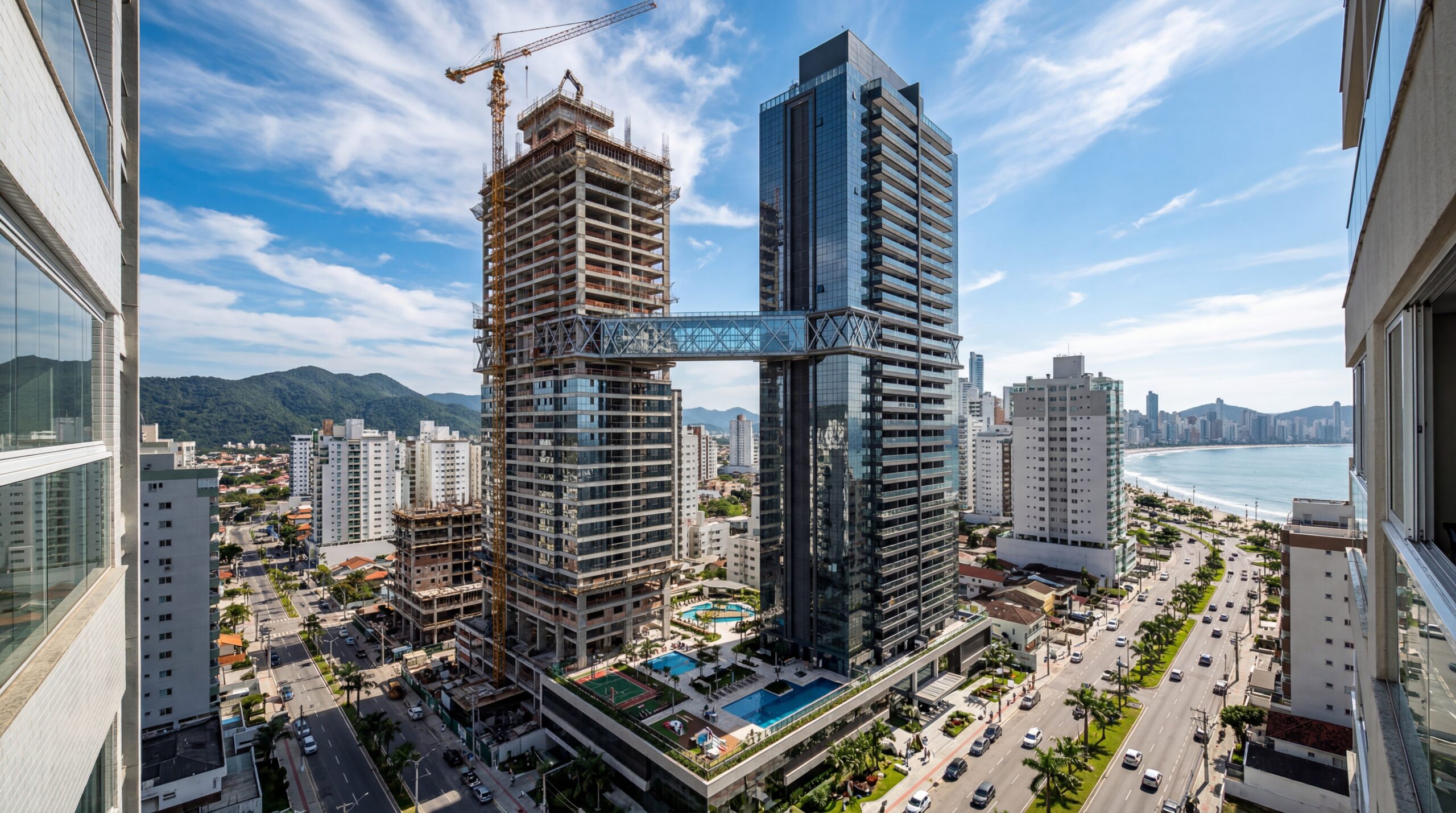
With 55 floors, 177 meters in height, a 15-meter walkway between the twin towers, ventilated facade, and 6,300 m² of leisure space, Ápice Towers already has one tower completed and another nearly at the top.

The 2024 flood changed this scenario. The bottleneck went from being a statistic to a practical experience for those who produce, transport, sell, and depend on the road to access services, accelerating the need for a safe alternative that does not rely on a single crossing.
Where the Crossing Will Connect and What Changes in Regional Travel

The Bridge of Valleys will be installed in the heart of the Taquari Valley, connecting one side by IRS 130 in Cruzeiro do Sul and the other by Transantarita in Estrela, an area already regarded as the future main access of the municipality.
The goal is to reorganize the regional flow by creating a detour ring between BR386 and RS287. In practice, the bridge functions as a “fuse” of the system, alleviating the risk of isolation when one axis collapses and maintaining the circulation of people, cargo, and services.
Dimensions, Structure, and Projected Capacity of the Bridge of Valleys
The total structure amounts to about 3.1 km of infrastructure. Of this total, approximately 1.2 km corresponds to the main bridge over the Taquari River, with the rest distributed in elevated sections and access roads.
The structure was designed above the historic flood level of 2024, with safety margins in the beams. Two lanes and lateral shoulders are planned, with preparation for a daily flow exceeding 11,000 vehicles. This is a large scale for a rural area and a concrete change in how to cross the valley on a daily basis.
Investment, Contract, and Who is Behind the Work
The estimated investment is around R$ 288 million. The bridge has been treated as a structural work within the context of reconstruction and resilience after the floods, with financing linked to FUNRIGS, associated with the Rio Grande Plan.
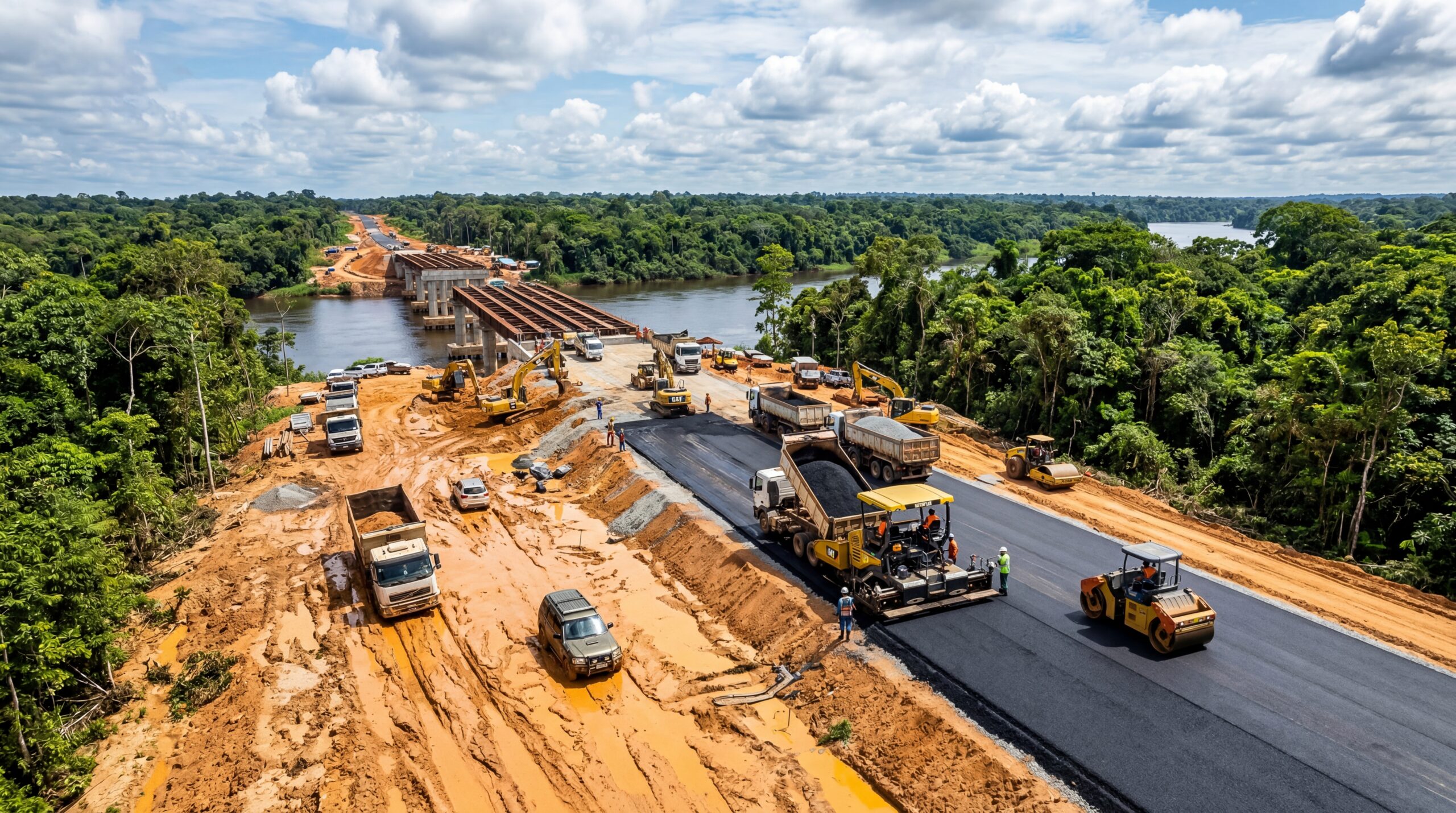
In December 2025, the Bridge of Valleys advanced to the practical phase with the signing of the contract and the start of field activities, such as drilling on the Estrela bank. The model is an integrated contract, combining executive project and construction in the same package. This shortens stages and allows engineering to run alongside execution, with simultaneous fronts.
Timeline Until 2027 and the Method that Accelerates Construction

The described timeline is for 18 months of execution, with delivery scheduled by May 2027. In the first months, the focus is on drilling, reading the subsoil, and completing the executive project. Then come foundations, pillars, launching metal beams, concreting the slab, and paving the accesses, in various fronts.
A key point to make the timeline viable is the use of the Accelerated Bridge Construction method, known as ABC. Instead of building everything within the riverbed, relevant parts of the metal structure are prefabricated in more controlled areas and then launched over the Taquari in modules. This reduces direct interference in the river, decreases risk during flood periods, and increases timeline predictability and operational safety.
The Expected Logistical, Economic, and Social Impact of the Bridge of Valleys
The Bridge of Valleys is not just another crossing. It reorganizes flows, shortens routes, and improves predictability for agribusiness, industry, and the transport of inputs and goods that rely on this corridor.
On the social front, redundancy is critical. Ambulances, Civil Defense, firefighters, and rescue teams gain another safe option to cross the river, reducing the risk of isolation in extreme events. In the medium term, the surroundings of the new accesses are expected to attract urban growth and services, which increases the need for planning to ensure the expansion occurs safely.
The Bridge of Valleys and the Projects Coming Along in the Estrela and Cruzeiro do Sul Axis
The Bridge of Valleys pulls a larger package of regional reconfiguration. In Estrela, the new crossing is associated with the duplication of Transantarita, with an estimated investment of around R$ 40 million, including improvements such as bike paths, sidewalks, and a new access portal.
This set changes the local map: where there was once dependence on a critical crossing, there is now a more resilient network, capable of sustaining daily life and the economy even in adverse climatic scenarios.
Do you believe that the Bridge of Valleys will truly prevent the region from stopping in the next flood, or are there still other routes and works needed for real safety in the Taquari Valley?








Seja o primeiro a reagir!