





 Portuguese
  English
  Spanish
  3 min of reading
  0 comments


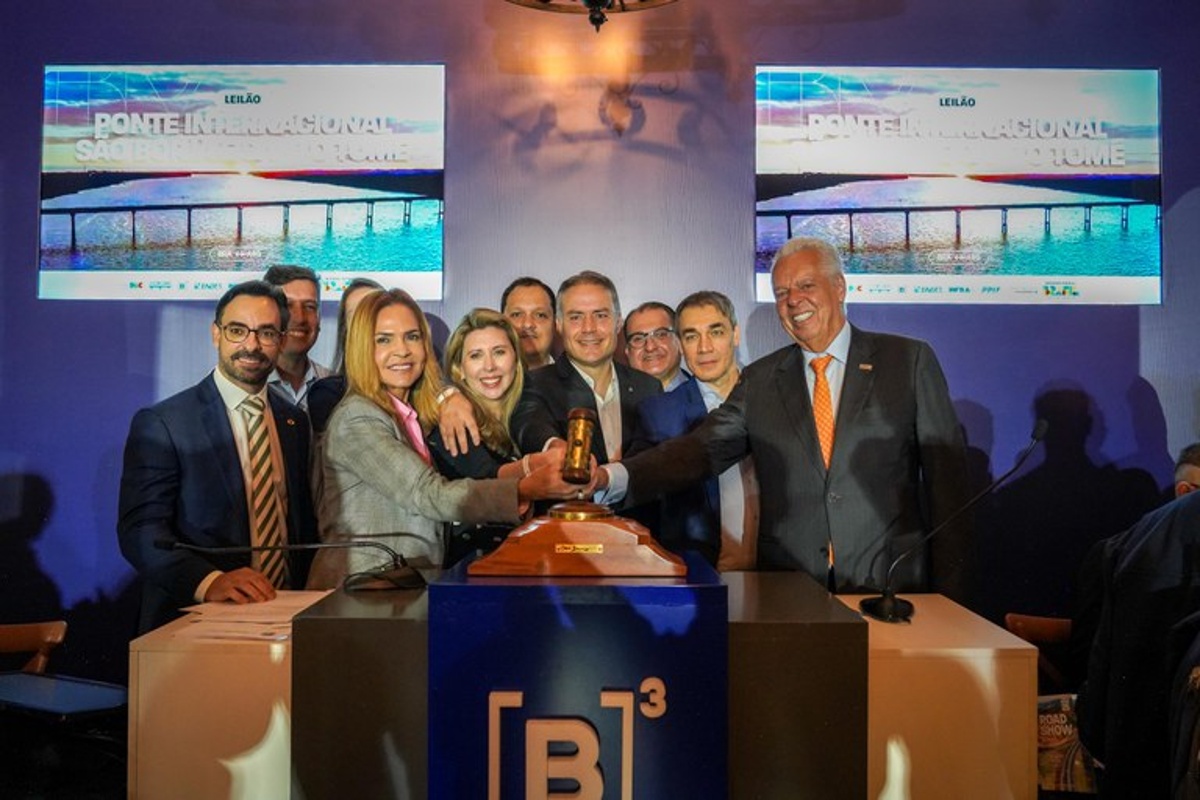
Company Takes Over Operation with Promise of Modernization
Plusbyte won, on July 15, 2025, the concession for the bridge connecting São Borja (RS) to Santo Tomé, Argentina.
The structure is part of the international corridor of BR-285 and will be under the responsibility of the Brazilian company for a period of 10 years.
With the signing of the contract, made by the Superintendency of the Free Trade Zone of Manaus, Plusbyte committed to making robust investments in local infrastructure.
The Ministry of Transportation is expected to begin improvements in the second half of this year.
The expected deadline for the completion of the main stages is five years.
-
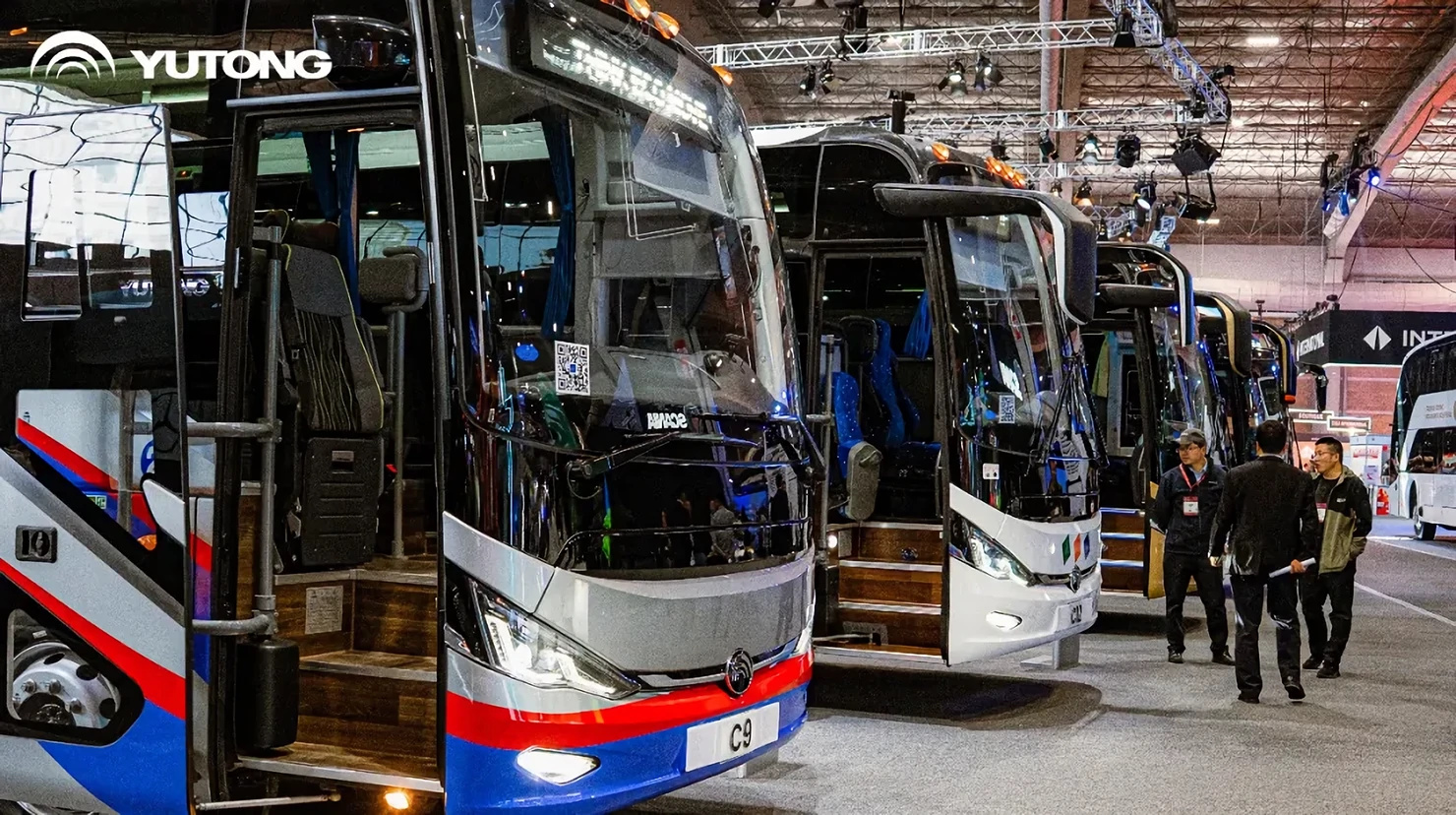
China advances into Mexico’s transportation with an electric bus that has a range of up to 530 km, bringing a complete line to the country in 2026 and transforming its partnership with Yutong into one of the most strategic in Latin American mobility.
-
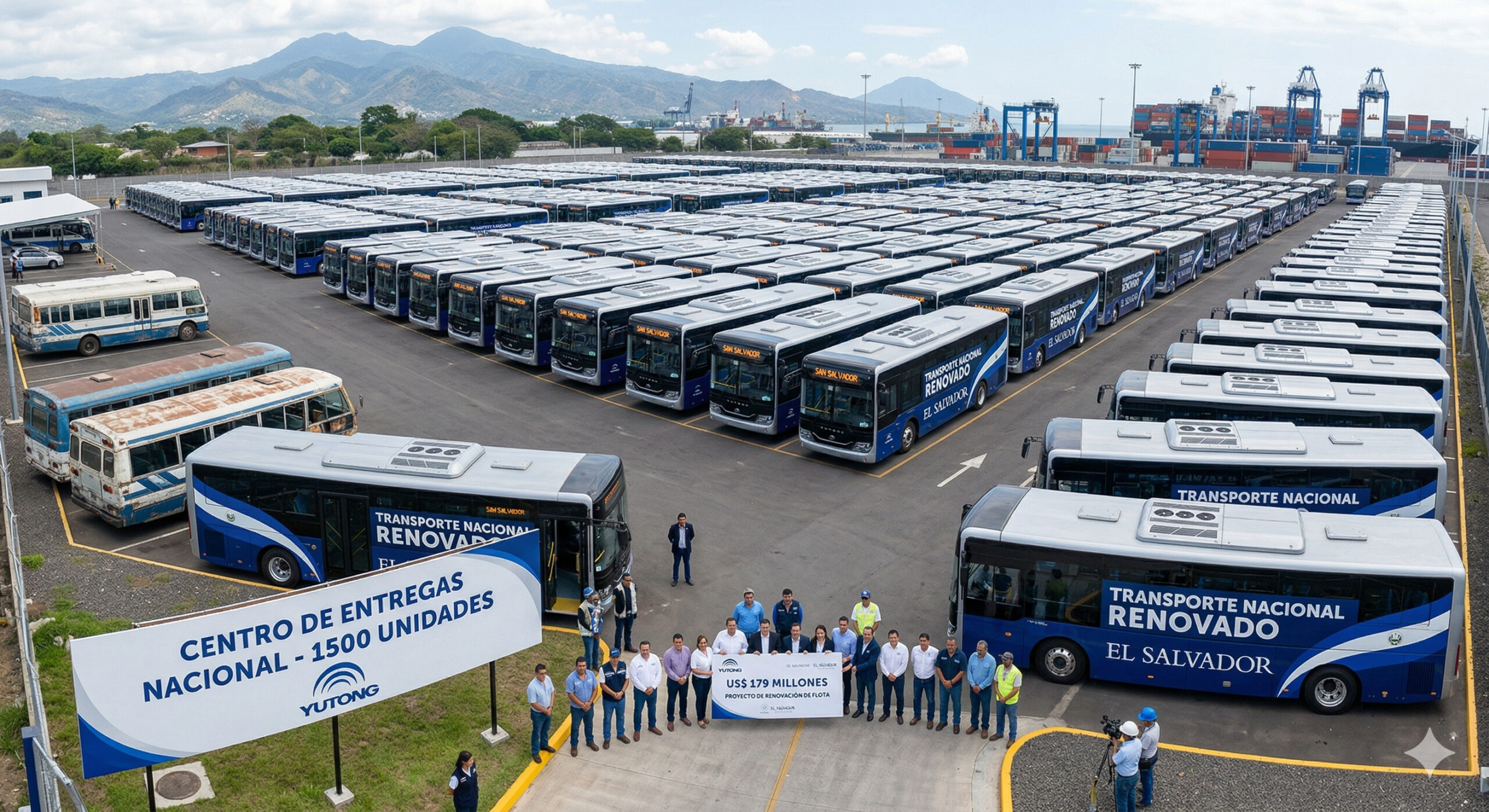
With 1,500 new buses financed by an international agreement, El Salvador is preparing the largest renewal in the history of its public transportation, a plan of $179 million with vehicles from the Chinese company Yutong that could replace practically the entire fleet of the country.
-
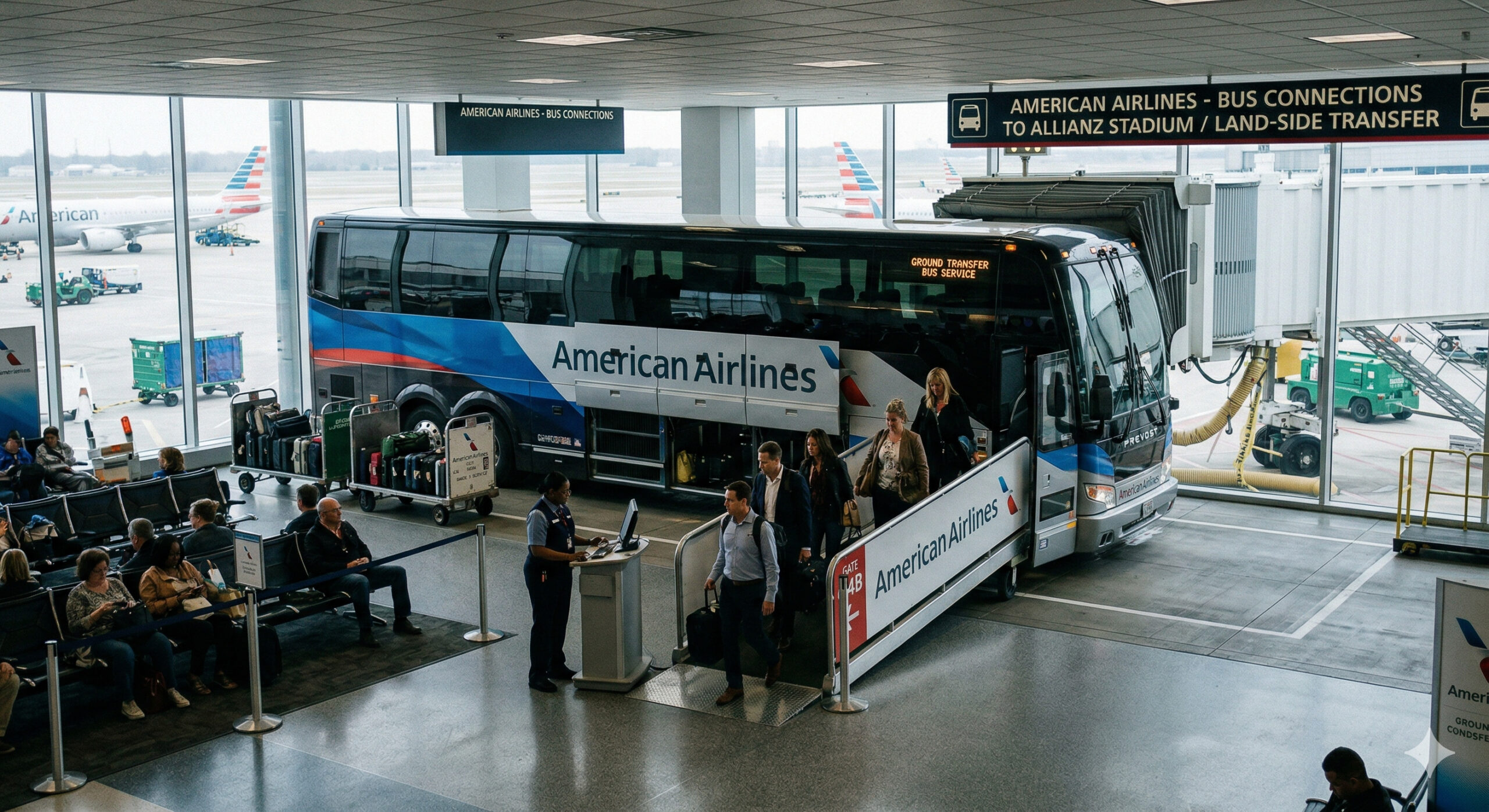
American Airlines starts selling trips as if they were flights, with check-in and baggage check at the airport, but on short routes, passengers board luxury buses connecting cities to major hubs in the U.S.
-
São Paulo surprises the world with a colossal railway network project that promises over 1,000 km of tracks, R$ 194 billion in investments, and 40 projects connecting the capital to the interior with fast and sustainable trains.

Furthermore, the new management will modernize the customs control system.
The proposal is to enhance efficiency in the transit of goods and passengers between the two countries.
The company also promises to implement technologies aimed at process digitization and logistical security, respecting the regulations of Brazil and Argentina.
Binational Infrastructure Will Receive Structural Improvements
During the announcement ceremony, the Minister of Transportation, Renan Filho, emphasized the strategic importance of the bridge for Mercosur.
According to him, the concession represents a decisive step for logistical integration between Brazil and Argentina.
This is expected to benefit regional trade and also border mobility.
According to the Ministry, the contract provides for the complete revitalization of the physical structure of the bridge.
In addition, the construction of new inspection portals and the installation of electronic control structures are planned.
The responsible team is expected to set up the first construction sites as early as August.
The priority will be to maintain the fluidity of local traffic even during the works.
Although traffic will remain active, Plusbyte will adopt control systems using alternate lanes.
Smart panels will avoid congestion.
Technicians from DNIT and Argentine authorities will supervise all implementation stages outlined in the contract.
The joint oversight aims to ensure compliance with deadlines and quality standards.


Toll System Will Bring Pricing Changes
With the new contract, the toll charging model will undergo adjustments in both countries.
The company will be able to apply tariffs for passenger vehicles, public transport, and trucks.
The governments of Brazil and Argentina will define tariffs based on previously agreed rules.
The Ministry of Transportation will adjust the values according to criteria of moderation and predictability.
The expectation is that the adjusted tariffs will come into effect by December 2025.
Plusbyte is expected to implement an electronic toll system with greater speed and security by 2026.
The new model will integrate the customs databases of Brazil and Argentina.
This will facilitate border control and reduce waiting times at crossings.
International Agreement Strengthens Regional Integration
The government conducted the concession process based on a bilateral agreement signed between Brazil and Argentina in 1997.
Since then, a consortium managed the bridge, but it no longer met the required technical standards.
According to the Civil House, the new contract reinforces the governments’ commitment to modernizing binational routes.
Mercosur has established standards to ensure the free movement of people.
The agreement also provides for mechanisms for joint oversight and periodic performance reports.
These actions are expected to increase transparency in the execution of the contract.
Furthermore, the concession of the São Borja bridge will be a pilot project.
Mercosur establishes standards to ensure the free movement of people.
Among future examples is the bridge between Uruguaiana (RS) and Paso de los Libres, Argentina.
The government is studying expanding the format of public-private partnerships for these regions.
Expectation of Economic Impact in the Region
Despite the high investment, representatives of the Federation of Industries of Rio Grande do Sul (FIERGS) consider the concession positive. After all, modernization promises significant economic gains for the West Border.
Moreover, IPEA estimates that crossing time may decrease from 1 hour and 20 minutes to 25 minutes, which attracts investors.
Consequently, carriers and local producers will be directly benefited. Therefore, the concession strengthens logistical integration in the Southern Cone.








Seja o primeiro a reagir!