





 Portuguese
  English
  Spanish
  3 min of reading
  0 comments


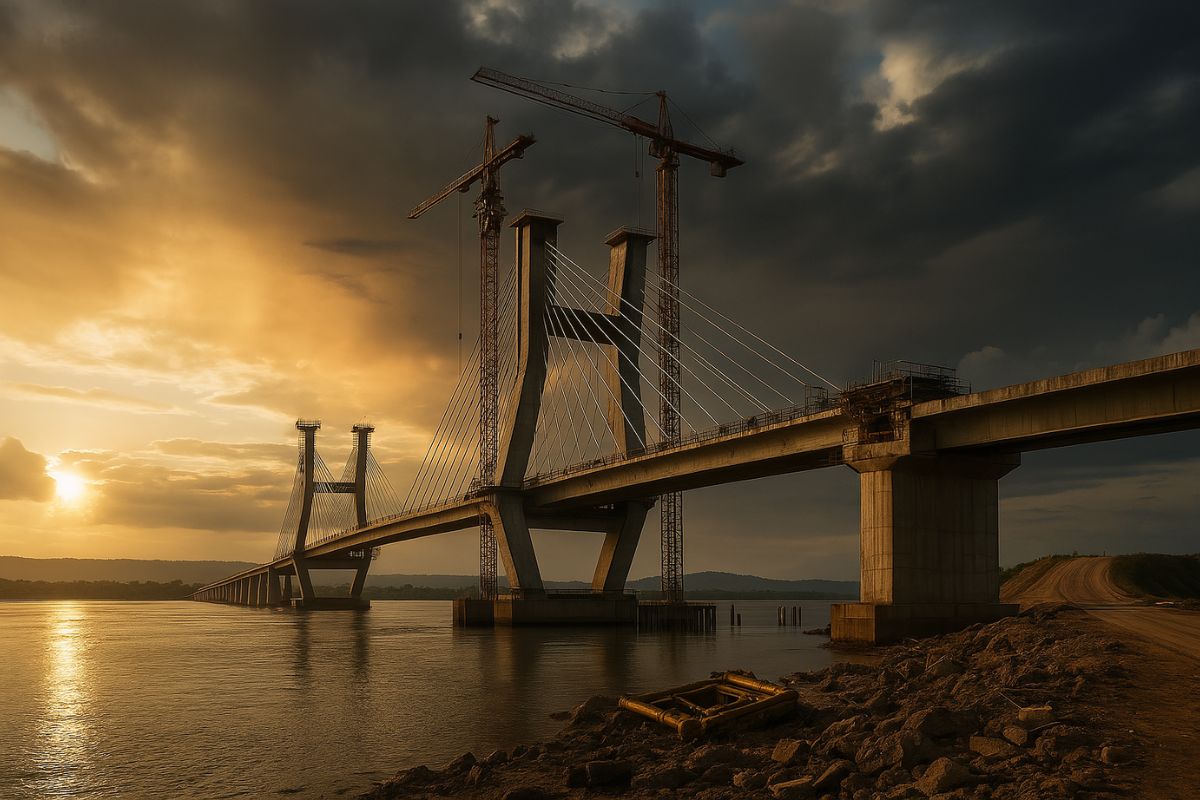
The Xambioá Bridge, A Strategic Project of BR-153, Is 95% Completed, But There Is No Real Forecast for Use. The Population Continues to Depend on Ferries to Cross the Araguaia River.
The Xambioá Bridge, which was supposed to be a game-changer in the infrastructure between Tocantins and Pará, is technically ready. With a length of 1,728 meters over the Araguaia River and costs that have already exceeded R$ 233 million, the project has reached 95% completion but remains inaccessible. In the meantime, drivers and residents continue to cross by ferry, incurring high costs and long waits.
Promised for September 2022, the delivery has been delayed several times. Now, according to the National Department of Transport Infrastructure (DNIT), the new forecast is the second half of 2025. The reason? The bridge is standing, but the accesses do not yet exist.
Xambioá Bridge and the Crossing That Never Arrives
The structure connects Xambioá (TO) to São Geraldo do Araguaia (PA) and integrates BR-153, a crucial route for agribusiness and cargo transport from North to South Brazil. The highway also serves as an outlet for production from the Matopiba region (Maranhão, Tocantins, Piauí, and Bahia), which is growing rapidly.
-
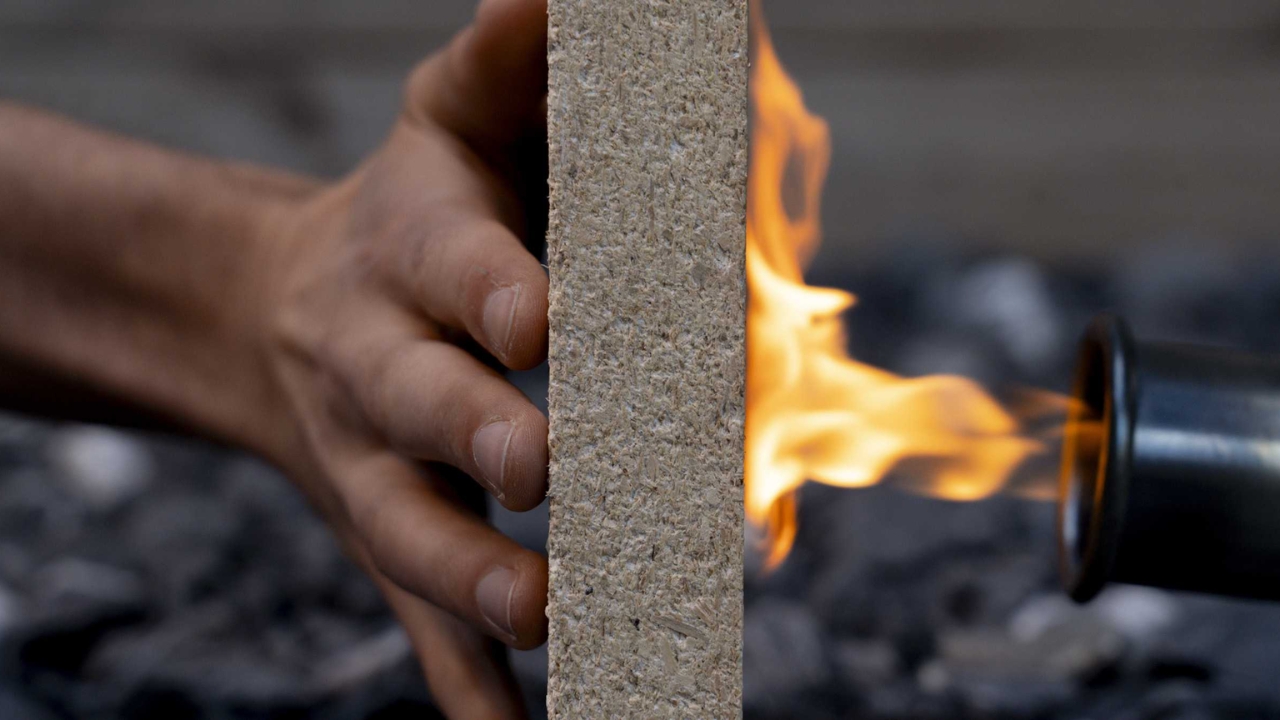
Scientists transform sawdust into fire-resistant panels, stabilize the compound with an enzyme extracted from watermelon seeds, and turn waste into promising material for construction.
-
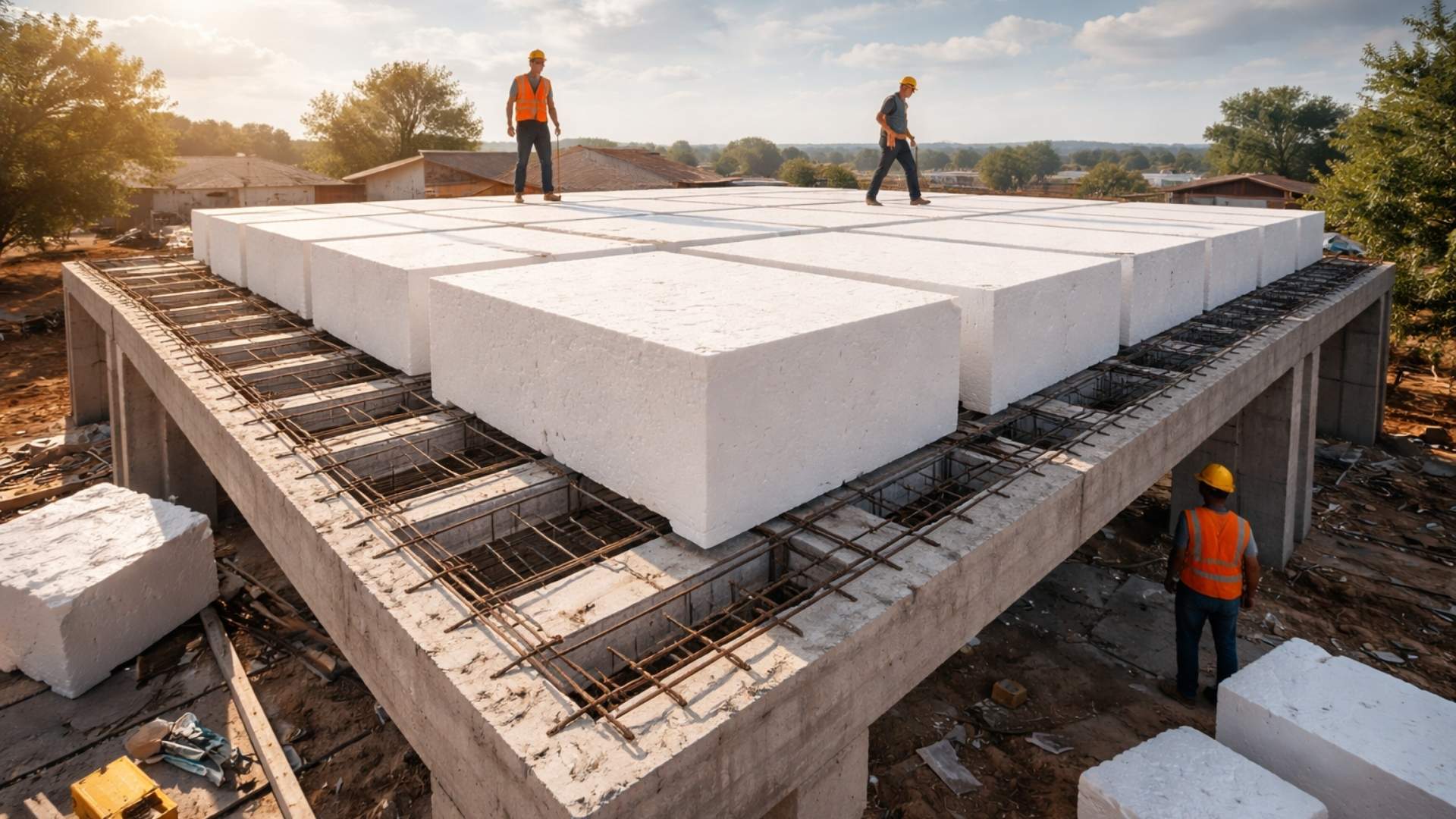
Forget concrete: architects are replacing tons of concrete with giant blocks of expanded polystyrene to build the roofs of houses and reduce structural weight by up to 50%, cut costs, improve thermal insulation, and speed up construction.
-
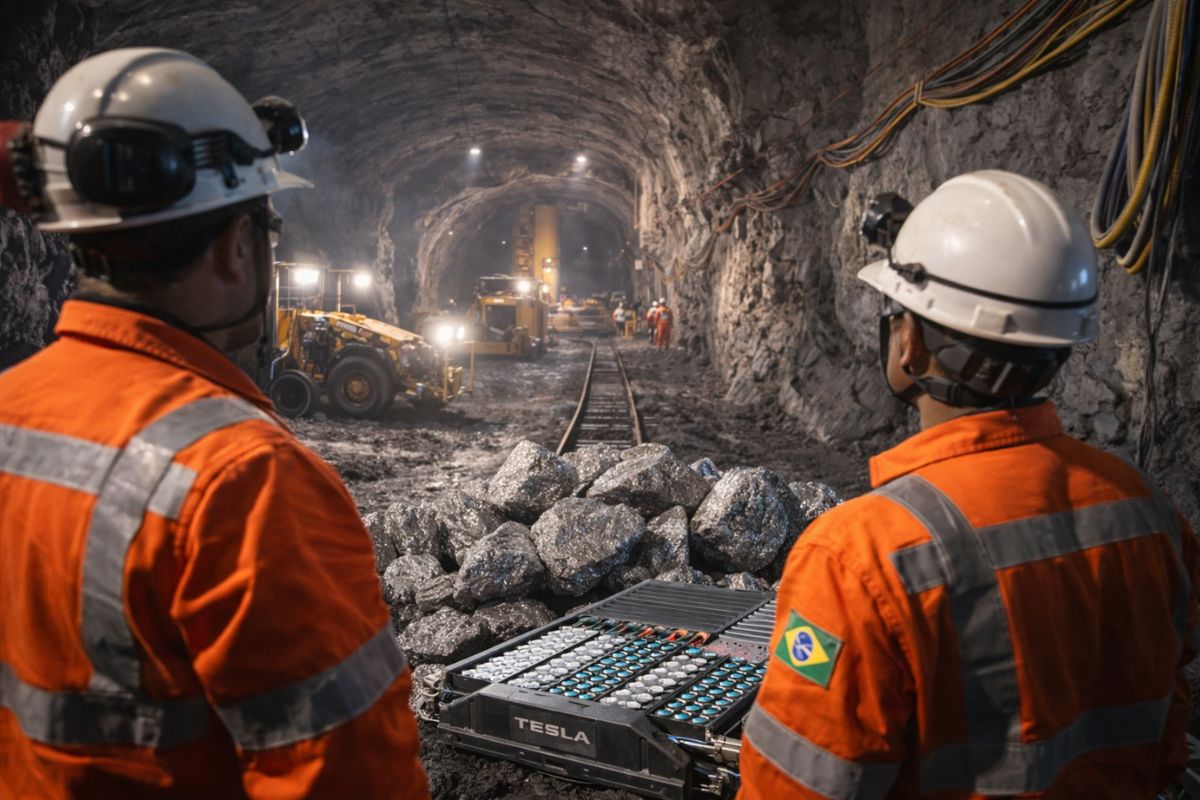
The Brazilian state enters the center of the global race for critical minerals by starting the construction of the largest underground nickel mine in Latin America, a mineral essential for electric car batteries that the entire world is competing for at this moment.
-
New CCR concrete paving technology promises roads up to 3x more durable, less maintenance, and cost reduction in Brazil.

But in practice, nothing flows. Truck drivers continue to pay up to R$ 294 for crossing via ferry, with delays approaching an hour. Residents spend R$ 25 per vehicle, R$ 5.50 per bicycle, and face the daily struggle to study, work, or access health services on the other side of the river.
“It’s a wait of 30 to 45 minutes, depending on the river level. This impacts the entire regional economy,” says the mayor of Xambioá, Mike Câmara.
A Modern Bridge Stalled by Old Mistakes
The Xambioá Bridge was built with cutting-edge engineering: successive cantilevering, high-performance concrete, corrosion-resistant steel, and pillars driven dozens of meters below the riverbed. All to ensure stability, durability, and heavy vehicle traffic.
However, one detail was missing: the accesses. The stretch on the Pará side will be 310 meters. On the Tocantins side, 1,700 meters. None of them have started construction. Paving, signage, lighting, and the transition slab have also not been executed. Everything depends on new bids, approvals, and, above all, land compensation.
According to the Xambioá city hall, many residents have not yet received the compensation amounts. In the meantime, the completed bridge remains a mirage.
Brazil That Delays Its Own Progress
The Xambioá Bridge is a clear example of a chronic vice in Brazilian public works: lack of planning. Data from the Federal Court of Accounts show that the country has more than 14,000 unfinished projects.
“Expropriation should be the first step of any public work. They started with the bridge and forgot about the accesses. A primary error that created a gigantic impasse,” criticizes Marcelo Daniel Melo, president of the Brazilian Institute of Evaluations and Expertise in Engineering.
Now, the promise is that the complementary services will extend until July 2025. Until then, the R$ 233 million bridge continues to serve only as a postcard. A monumental structure, isolated by tiny decisions.








Seja o primeiro a reagir!