





 Portuguese
  English
  Spanish
  5 min of reading
  0 comments


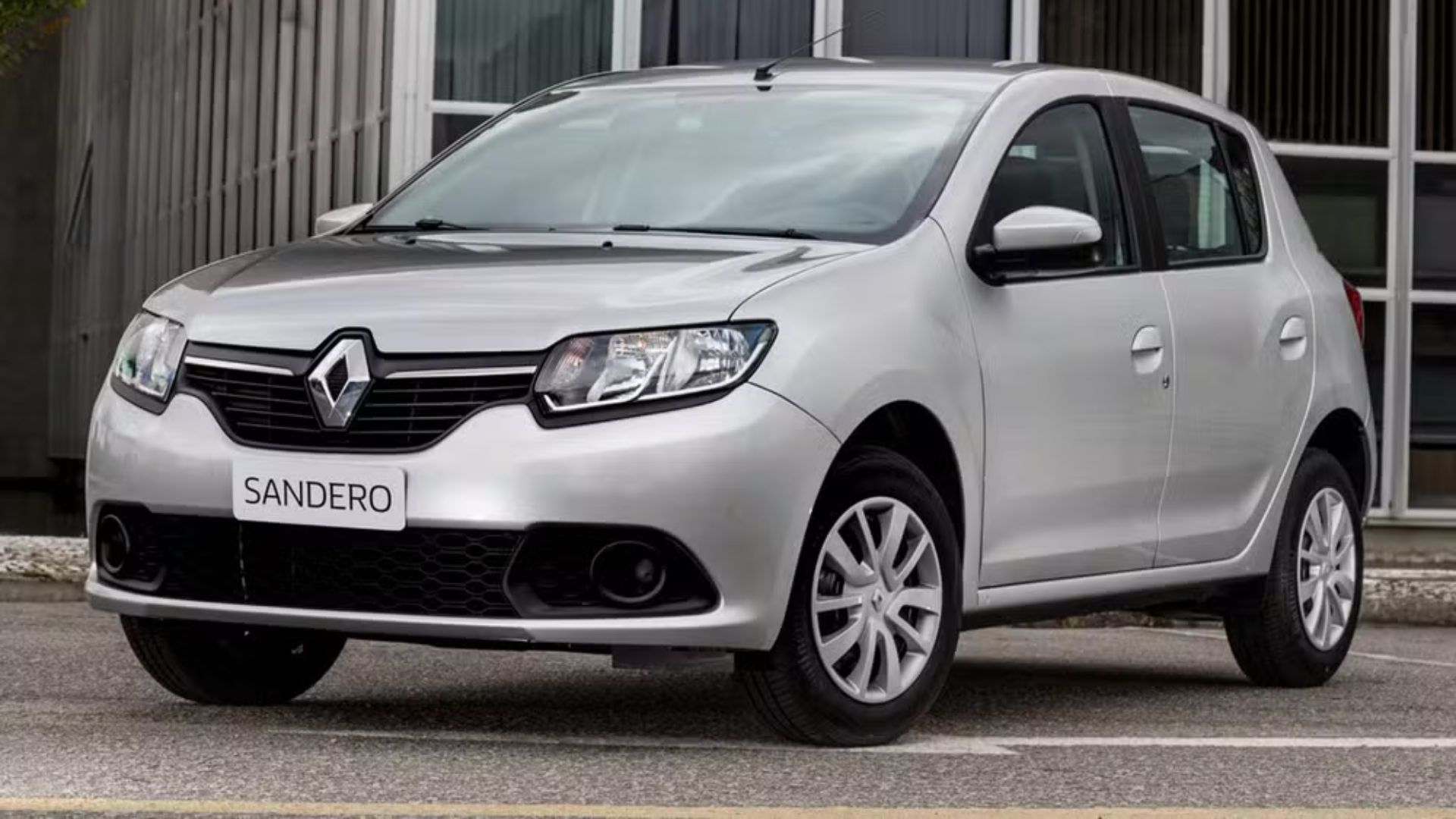
Used Hatch With Good Internal Space, Different Mechanical Proposals, and Wide Price Variation in the Secondhand Market, the Renault Sandero Appears as an Alternative for Those Seeking Low Initial Cost or More Equipment Depending on the Year and the Version, Ranging From Simple Models to More Modern Configurations.
Those looking for a used hatch with above-average space and known mechanics often come across the Renault Sandero.
In the secondhand market, it appears in quite different price ranges, from older units near R$ 20,000 to newer examples that already come with more up-to-date equipment packages and safety solutions.
Below are three versions found in ads on Mercado Livre, organized from lowest to highest value, with prices verified during the investigation in December 2025.
-
Less than a Tera TSI, up to 710 km of range and charging in 9 minutes: the new BYD Song Ultra expands the Chinese brand’s bet on increasingly faster, more technological, and competitively priced electric SUVs.

-
With a 1.0 engine producing 75 hp and costing less than R$ 70,000, Fiat’s car returns to the podium as the cheapest in the country; a temporary promotion for the 2026 Like version reduces the price of the Fiat Mobi.
-
With a mild hybrid system of 48 V, 176 hp and a price of R$ 175,990 in the Sahara version, the new Jeep Renegade changes mostly on the inside, improves slightly in fuel consumption, and remains almost the same car.
-
With a 293.5 cm³ engine and a range of up to 400 km with a 14.1-liter tank, the Honda CB 300F Twister 2026 has up to 24.7 hp, an initial price of R$ 25,150, and already exceeds R$ 29,000 in the Fipe Table.

Although it originated from the Dacia project, a brand of the Renault group in Romania, the Sandero gained its own identity in Brazil by combining spacious cabin, 320-liter trunk, and generally simple maintenance for the category standard.
Over different years, it has also changed its proposal.
While the first configurations focused on well-executed basics, the more recent series began to offer multimedia center, electronic assistants, and, in some cases, speed regulator and limiter.
Evolution of the Renault Sandero in Brazil
Launched in the country still under the logic of “big car inside,” the Sandero maintained as a trump card its wheelbase of 2.59 m, a measure that helps explain the good legroom in the back seat, even though it is a compact hatch.
This architecture also supports the 320-liter trunk, a number that has been consistent throughout the model’s trajectory here and helped to consolidate its reputation as a family car.
With the second generation, starting in 2014, the car preserved its focus on space but began to compete more strongly in equipment and finishing.
The line also underwent a facelift in the second half of the cycle, with visual and content changes, including the introduction of connectivity items and new engine and transmission combinations in top versions.
In practice, the difference between buying a first-generation Sandero and a more recent model goes beyond aesthetics.
In addition to occasional engine and transmission variations, newer versions tend to offer different power steering, expanded safety package in some configurations, and convenience features that were not common in compact hatches when the model debuted.
Sandero Expression 1.6: More Powerful Engine for Less Than R$ 20,000
In the lower price range, the Sandero Expression with 1.6 engine appears as an entry point for those looking to avoid the 1.0 versions without necessarily migrating to larger cars.
In ads from Mercado Livre, there are units starting at R$ 19,500, with a higher concentration among the model years from 2009 to 2012, according to the survey conducted on the platform during the investigation in December 2025.
In this range, the mechanical set is the car’s central point.

In part of the first generation, the 1.6 is cited with 106 hp and 15.5 kgfm torque, numbers associated with the phase when the engine was updated and began to deliver better responses in day-to-day use.
In terms of equipment, the Expression usually comes with the configuration that addresses the essentials for urban use, such as air conditioning and hydraulic power steering, in addition to basic electrical items, depending on the year and package of each unit reported.
Even when the list is simple, the Sandero tends to compensate with the feeling of space on board and with the trunk that remains competitive in the compact segment.
Sandero Privilège 1.6: More Comfort and Equipment in the First Generation
In the same generation, the Sandero Privilège was the version associated with more comfort and safety content for the standards of the time.
On Mercado Livre, the ads found during the survey appeared from R$ 25,900, generally concentrated between 2010 and 2013.
The 1.6 engine remains the core of the proposal, with the same logic of keeping the car pleasant for mixed use, especially for those who use highways frequently.
What tends to differentiate the Privilège, however, is the package of items that, in some well-preserved cars, still makes a difference in the used market.

Included in this package are equipment such as ABS brakes and front airbags, as well as finishing details and conveniences that varied depending on the year and configuration.
In Renault models of this family, features such as speed regulator and limiter are described as available equipment, which helps explain why some ads highlight “cruise control” depending on the installed set in the car.
As it is a used vehicle often over a decade old, the condition of the unit weighs as much as the version.
Mileage, maintenance history, and functionality of electrical items tend to be decisive in separating a good deal from a car that may require immediate corrections.
Sandero S Edition: Sporty Visual and Focus on Economy
At the top of this selection’s price range, the Sandero S Edition emerges in more recent years, with a proposal more aligned with what consumers began to demand in the second half of the second generation’s life.
In the ads evaluated on Mercado Livre, the initial price observed was R$ 49,900, usually for units from 2019 to 2021.
Here, the logic changes.
The version uses a 1.0 three-cylinder engine and prioritizes fuel efficiency, as well as bringing specific visual elements like darkened finishes and uniquely designed wheels, depending on the year and series.

Promotional materials and catalogs of the model record the presence of the 1.0 SCe three-cylinder as part of Sandero’s efficiency strategy in this phase.
In the official data from the Brazilian Vehicle Labeling Program, a 1.0 configuration of the Sandero records 14.2 km/l in urban cycle and 14.1 km/l on the highway with gasoline, numbers that help contextualize the reputation for fuel efficiency of the smaller engine compared to older 1.6s.
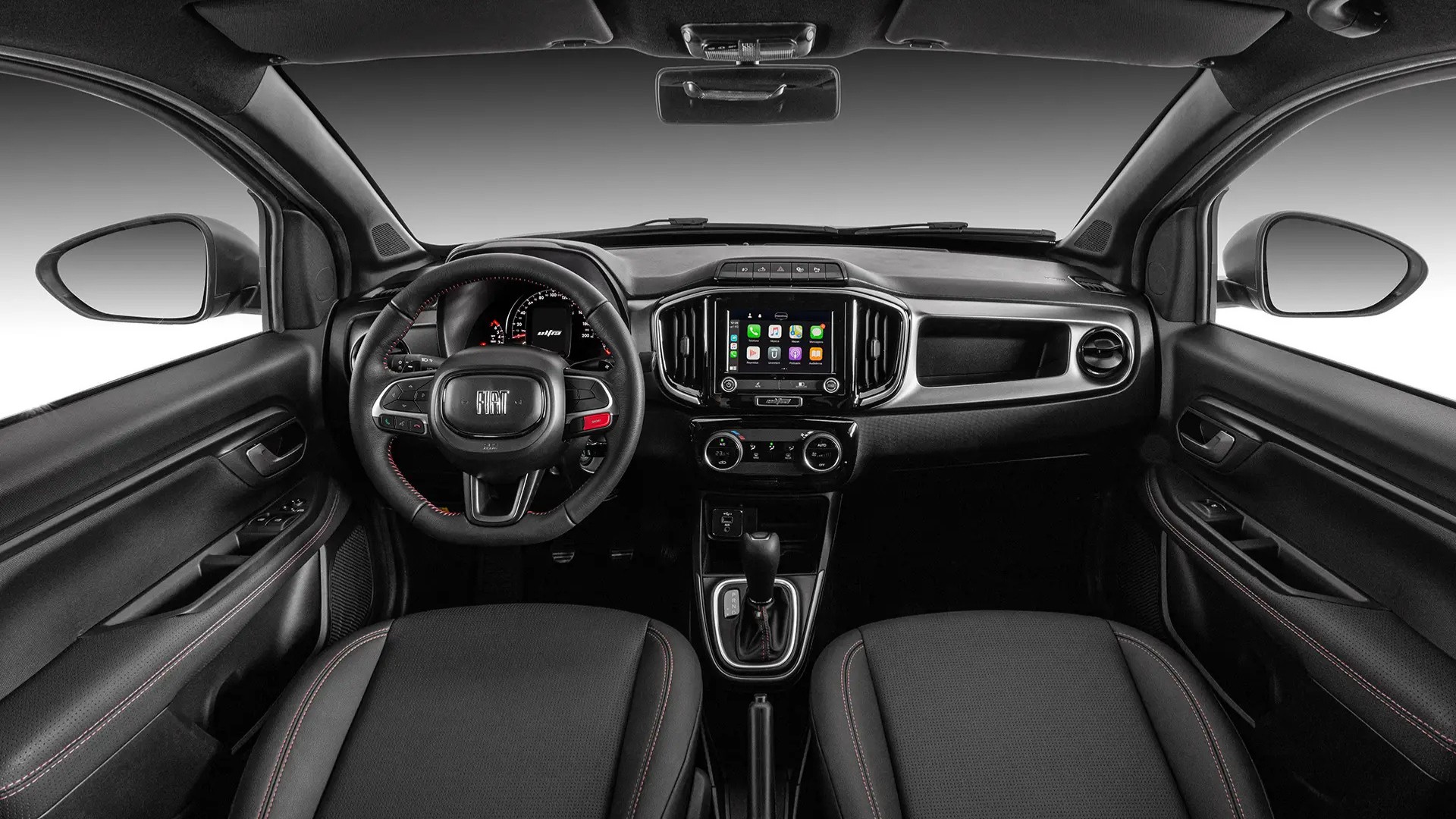
Moreover, more recent versions of the line have begun to include contents such as multimedia center with mirroring, and in certain configurations and years, there are offers of electronic assistants and equipment that bring the Sandero closer to a more current usage standard.
The facelift and reorganization of versions during this phase have also increased the presence of convenience items, such as speed control, as reported in coverage of the launch of the restyled line.
In the end, the choice between a cheaper old Sandero and a newer, better-equipped one usually hinges on a practical question.







Seja o primeiro a reagir!