





 Portuguese
  English
  Spanish
 5 min of reading
  5 comments


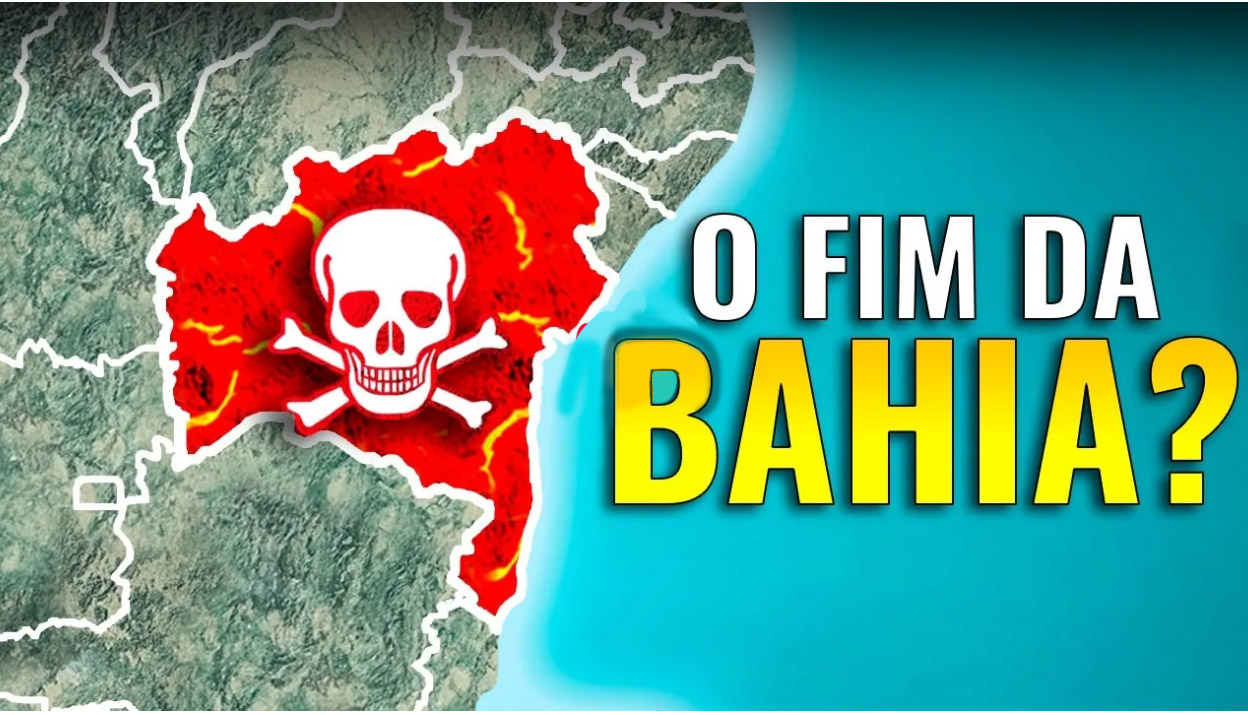


With a history of deep inequality, Bahia faces stagnant economic growth, with great challenges in wealth distribution, education, and job opportunities. Understand the historical and current factors that contribute to this sad reality.
Bahia, one of the most iconic states in Brazil, rich in culture, history, and natural beauty, faces a deep and alarming challenge: the growing increase of poverty and economic stagnation.
According to the Sem Economês channel, with 46% of its population living below the poverty line and a per capita GDP of only R$ 28,000, the state finds itself 49% below the national average.
This scenario reflects not only the slowness of its economic growth but also the persistent inequality that marks its historical and social trajectory.
-
Iceberg A23a, one of the largest in the world, is undergoing accelerated collapse and may disappear: what explains the end of the ice giant?

-
The simplest swap at home can reduce energy consumption by up to 90% without changing habits, using a technology that lasts up to 25 times longer and consumes only a fraction of the electricity.

-
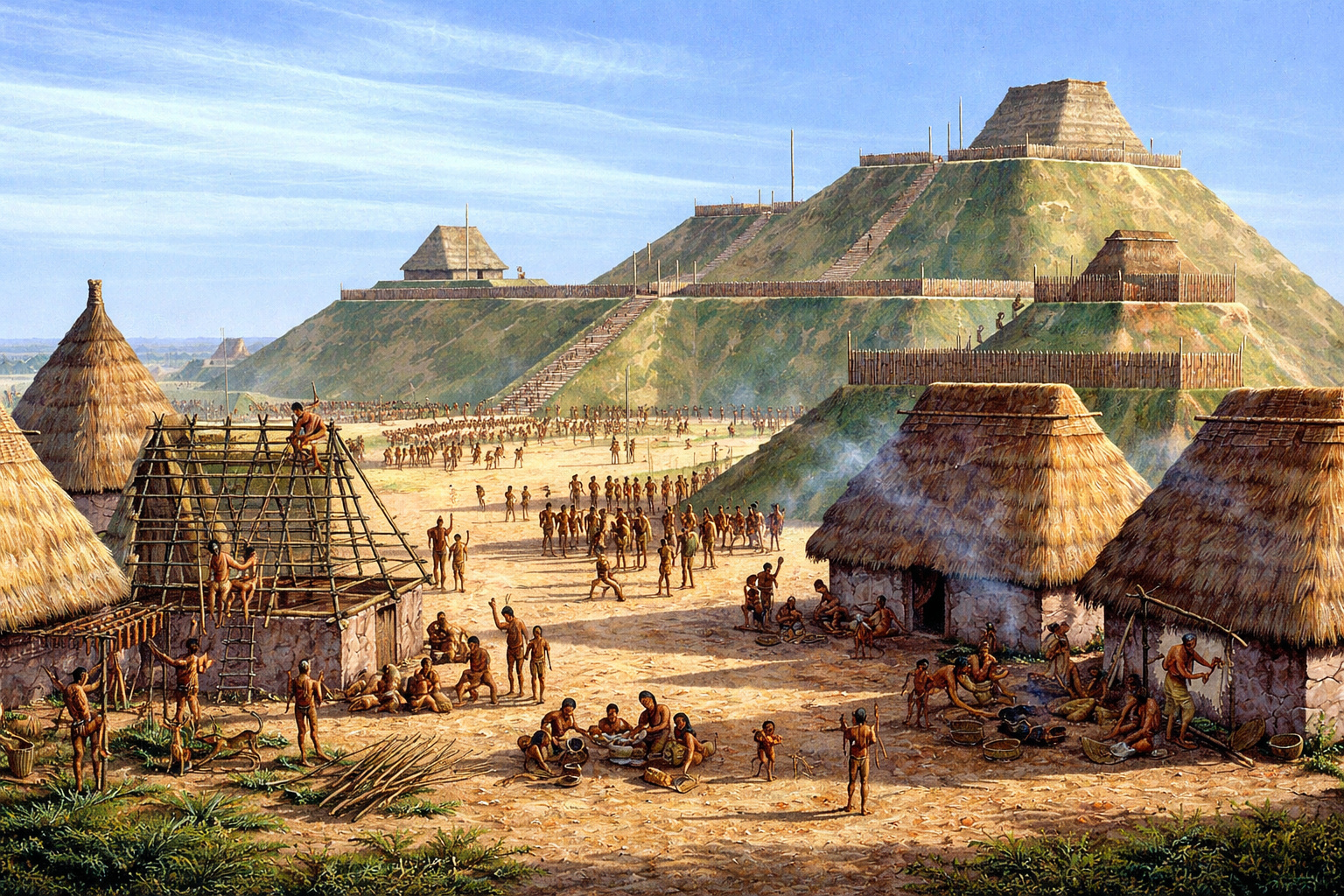
With over 14 million baskets of earth moved, an ancient North American metropolis built a monumental pyramid of 30 meters and established a city with 20,000 inhabitants nearly a thousand years ago.
-
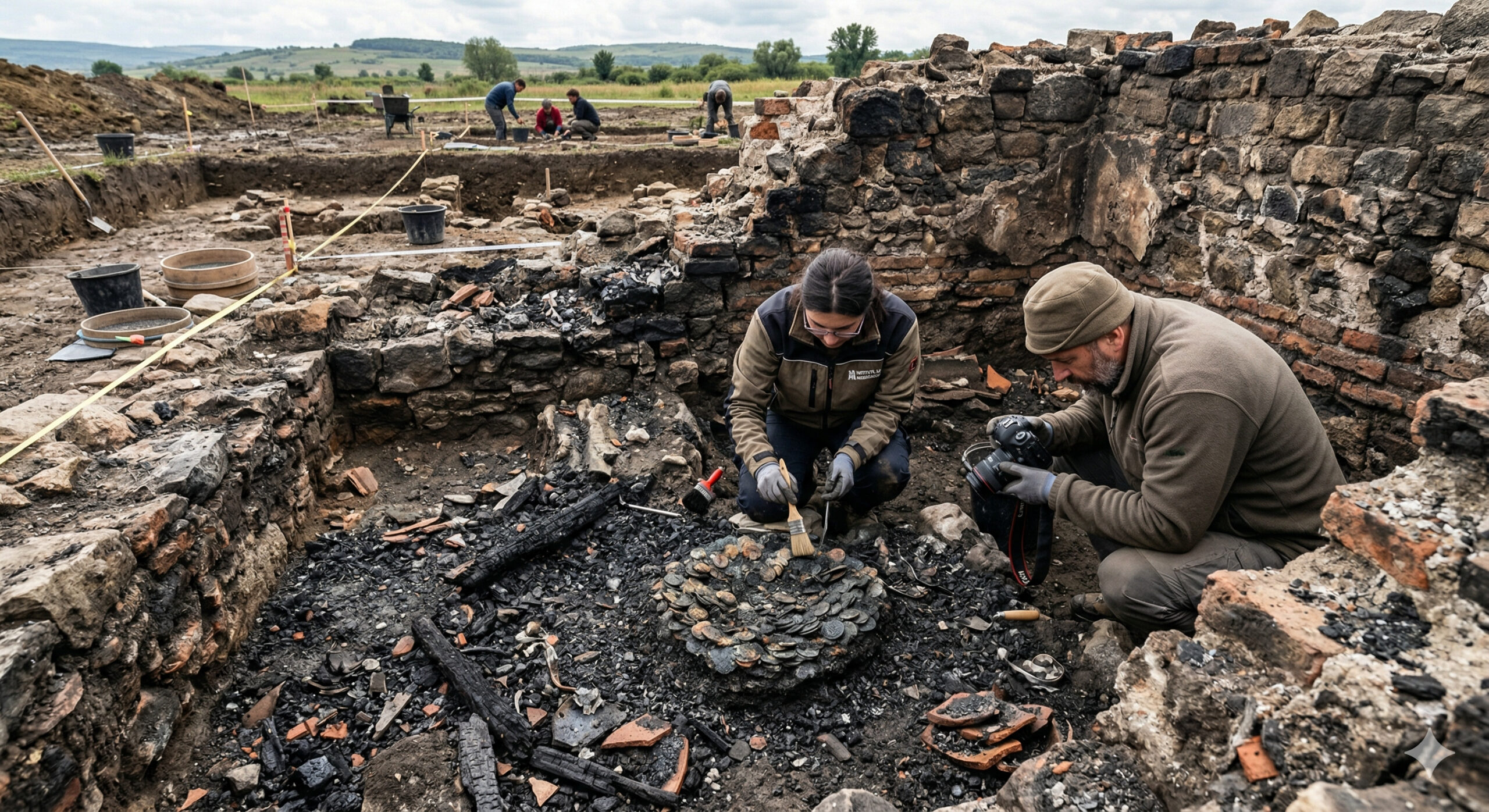
A 1,900-year-old treasure emerges from a Roman house destroyed by fire and sealed since antiquity in Romania, with coins and metals fused among the ashes.
The Concentration of Wealth and the Historical Legacy of Inequality
The process of inequality that characterizes Bahia has deep roots in its history.
The economic centralization in Salvador during the colonial period and the dependence on sugarcane, sustained by the exploitation of enslaved labor, created a model that highly concentrated power, wealth, and land.
This concentration of resources and opportunities is still reflected today in the social and economic structure of the state, creating a gap between the large cities and the countryside.
After the abolition of slavery, the formerly enslaved, who made up the majority of the population, were marginalized, with no access to land, education, or adequate living conditions.
The loss of Salvador’s status as the capital of Brazil, after the transfer of the government seat to Rio de Janeiro, further contributed to the economic decay of the state, which saw its influence diminish and its power structures weaken.
Late Industrialization and Its Challenges
Only at the end of the 20th century did Bahia begin an industrialization process, notably with the petrochemical hub in Camaçari, which brought some economic relief to the region.
Additionally, there were investments in infrastructure, such as highways and ports, that expanded access to national and international markets.
However, despite these improvements, the state experienced a recent phenomenon of deindustrialization.
In recent years, the dependency of Bahia’s economy on low-productivity sectors, such as agriculture and the public sector, has been one of the biggest obstacles to development.
The increase of bureaucracy and the lack of economic diversification have hindered the emergence of new sources of wealth and job opportunities, contributing to the increase of inequality and poverty.
The Concentration of the Economy in Salvador and Its Effects
Another important factor that aggravates the situation in Bahia is the concentration of its economy in Salvador, the state capital, and a few nearby cities.
Only 10 of the 417 municipalities in Bahia are responsible for half of the state GDP, which creates a significant regional imbalance.
The interior of Bahia suffers from the lack of quality jobs, inadequate infrastructure, and insufficient public services.
This scenario has forced a mass migration of young people in search of better opportunities.
Thousands of young people from the countryside move to the capital and other large cities, seeking access to the job market, higher education, and healthcare, but often facing the harsh reality of low job availability and a saturated market.
The Fragility of the Labor Market and Its Impact on Young People
The precariousness of the labor market in Bahia is one of the main reasons for the high poverty rate in the state.
The unemployment rate, especially among young people, remains high.
According to the most recent data, the unemployment rate among young people in Bahia exceeds 20%, well above the national average.
The lack of qualifications and limited access to technical and higher education make it difficult for a large part of the young population to access the few opportunities that arise.
In addition, the number of informal workers is also alarming.
Informality in the labor market has been a reality for much of the population, who find themselves forced to accept temporary jobs with low wages, often without benefits and labor rights.
The lack of job stability directly contributes to the increase in poverty and social inequality in the state.
Investments in Infrastructure: A Path to Development?
Although the state has invested in infrastructure in recent years, with projects to improve roads, airports, and ports, these advances have not been sufficient to promote significant economic transformation.
Infrastructure can be an important part of the solution, but it is not a definitive answer to the structural challenges that Bahia faces.
The diversification of the economy and the encouragement of innovation are essential to create a more prosperous and sustainable future for the state.
For Bahia to truly overcome its challenges, it is necessary to strengthen education and professional qualification, promote a more inclusive economy, and encourage the creation of high-quality jobs.
Public policies must be aimed at reducing regional inequalities and strengthening local entrepreneurship, allowing the interior of the state to have more development opportunities.


What Does the Future Hold for Bahia?
In a scenario where Bahia faces great economic difficulties, there is hope that structural changes and effective policies can reverse this trajectory.
The mobilization of civil society and investment in strategic sectors, such as tourism, technology, and agribusiness, can be important paths for the recovery of Bahia’s economy.
However, this will require a joint effort involving the public power, the private initiative, and the population.
It is possible for Bahia, a state with great historical and cultural potential, to overcome difficulties and reverse this growing poverty situation.
The key to this lies in developing a more diversified, inclusive, and sustainable economy.
And you, what do you think? What would be the most effective solutions to help Bahia face its economic and social challenges? Share your thoughts in the comments!




Todos os piores índices de desenvolvimento do Brasil estão nos estados (des) governados pela esquerda. São sindicalistas, coletivos com alto grau de ignorância, líderes rurais etc. São seres desprovidos de capacitação para o empreendedorismo basta ver a corrupção q assola nosso Brasil. Aliados as características antropológicas do estado cuja violência extrapola os limites do aceitável. Enfim ainda não foi escolhido pela população o verdadeiro líder q levará esse triste estado à prosperidade.
Aliás cabe salientar q nem o Lula nem Gilberto Gil queeem morar no nordeste.
Trocar o governo do estado, pois como exposto pele reportagem o grupo político que manda no estado à mais de 15 anos é incapaz de solucionar o problema.
Com certeza é propaganda enganosa e paga por empresários da Faria Lima