





 Portuguese
  English
  Spanish
  5 min of reading
  8 comments


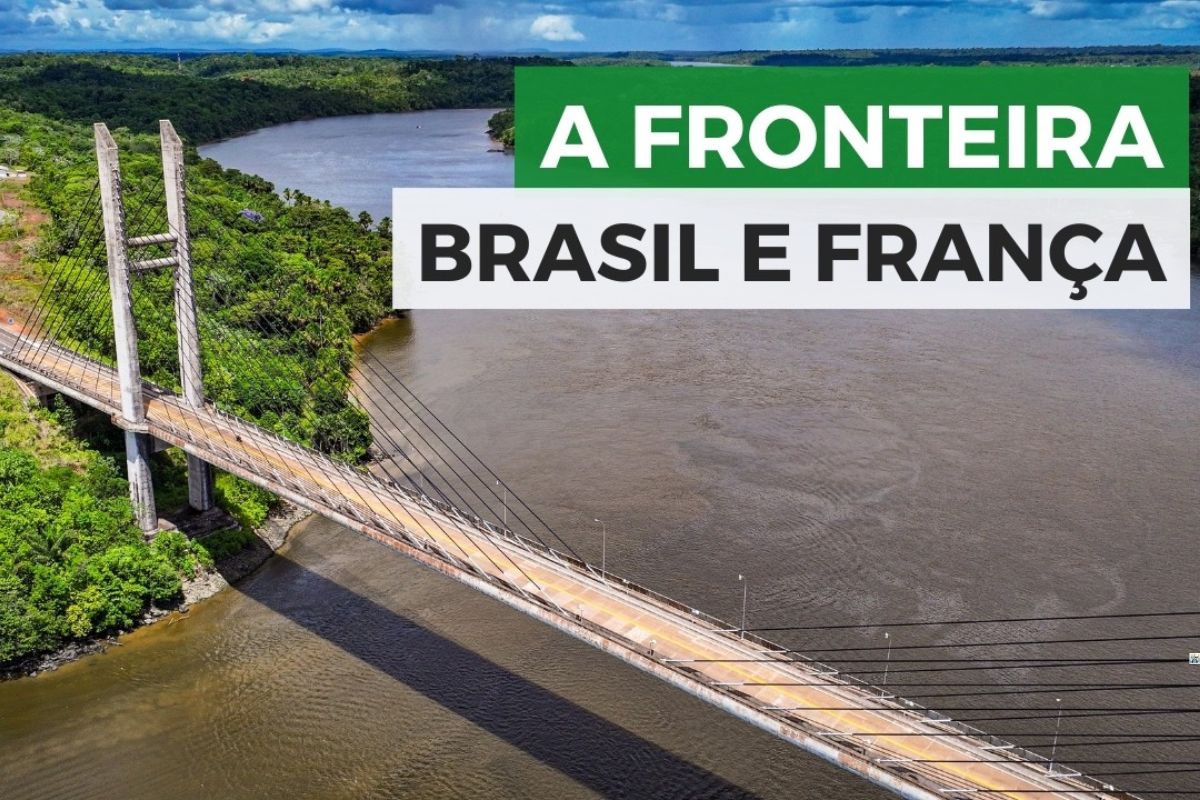


Why France Has Its Largest Border With Brazil and Almost No One Talks About It, Even With the Euro, Laws, and European Passport Right After the Oiapoque River, Where Daily Life Mixes Languages, Prices, Canoe Crossings, and a Binational Bridge Still Little Used on the Brazilian Side
When it is said that France has its largest border with Brazil, the reaction is usually one of surprise. On the other side of the Oiapoque is French Guiana, an overseas territory where the euro, the rules, and the European Union passport apply. It’s the Amazon touching Europe, in a border little explored by Brazilians and crucial for the local economy of Amapá.
In practice, Oiapoque lives a cross-border daily life: French and Portuguese share signs and conversations, cars with foreign plates cross the city, and commerce revolves around those who pay in euros. Logistics is still a challenge, starting with the unfinished BR-156, but the river remains an economic and cultural artery, maintaining circulations that existed long before the formal border.
A Piece of the European Union in the Amazon
French Guiana is part of France, with European currency, laws, and passport.
-
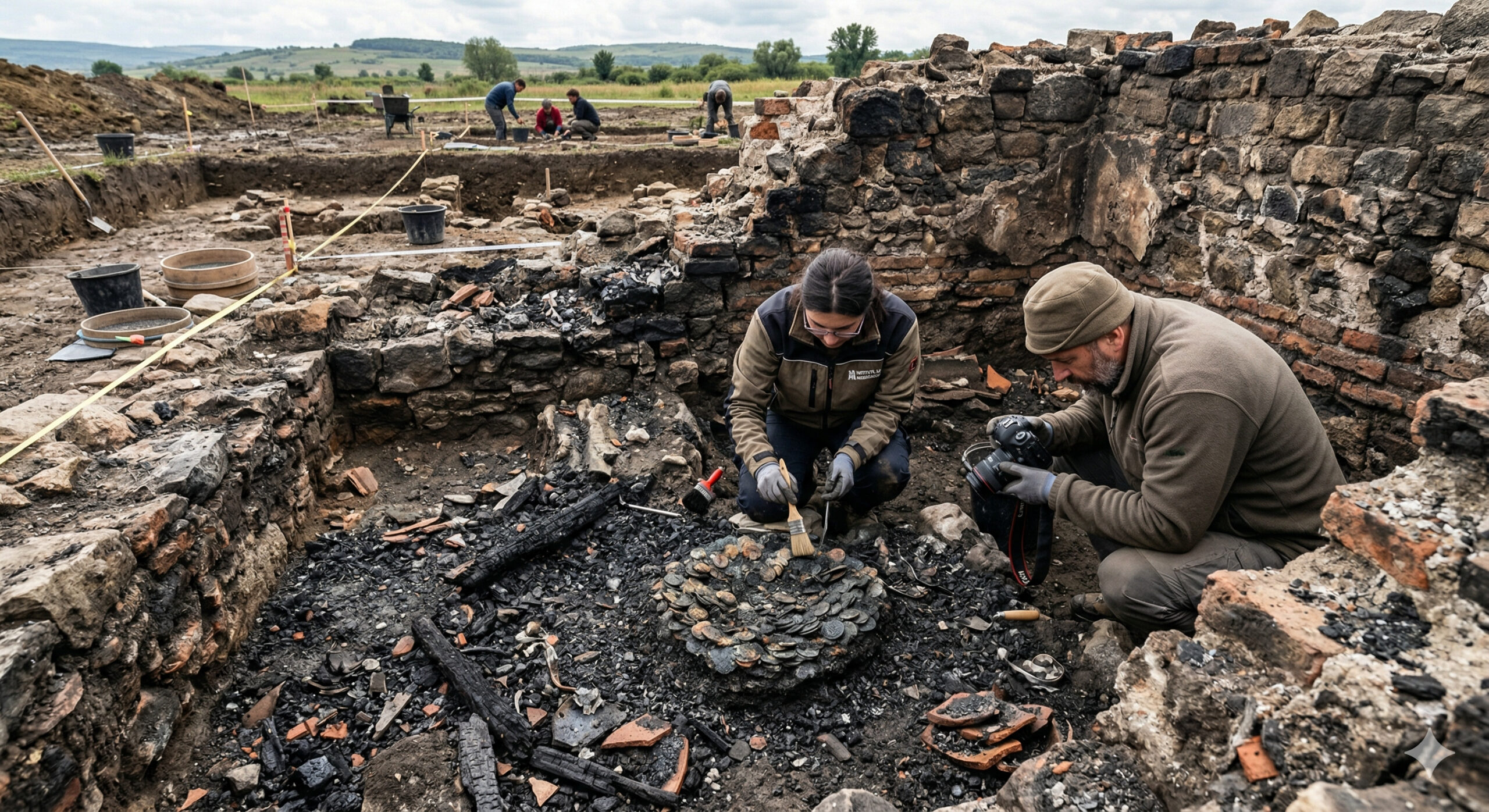
A 1,900-year-old treasure emerges from a Roman house destroyed by fire and sealed since antiquity in Romania, with coins and metals fused among the ashes.
-
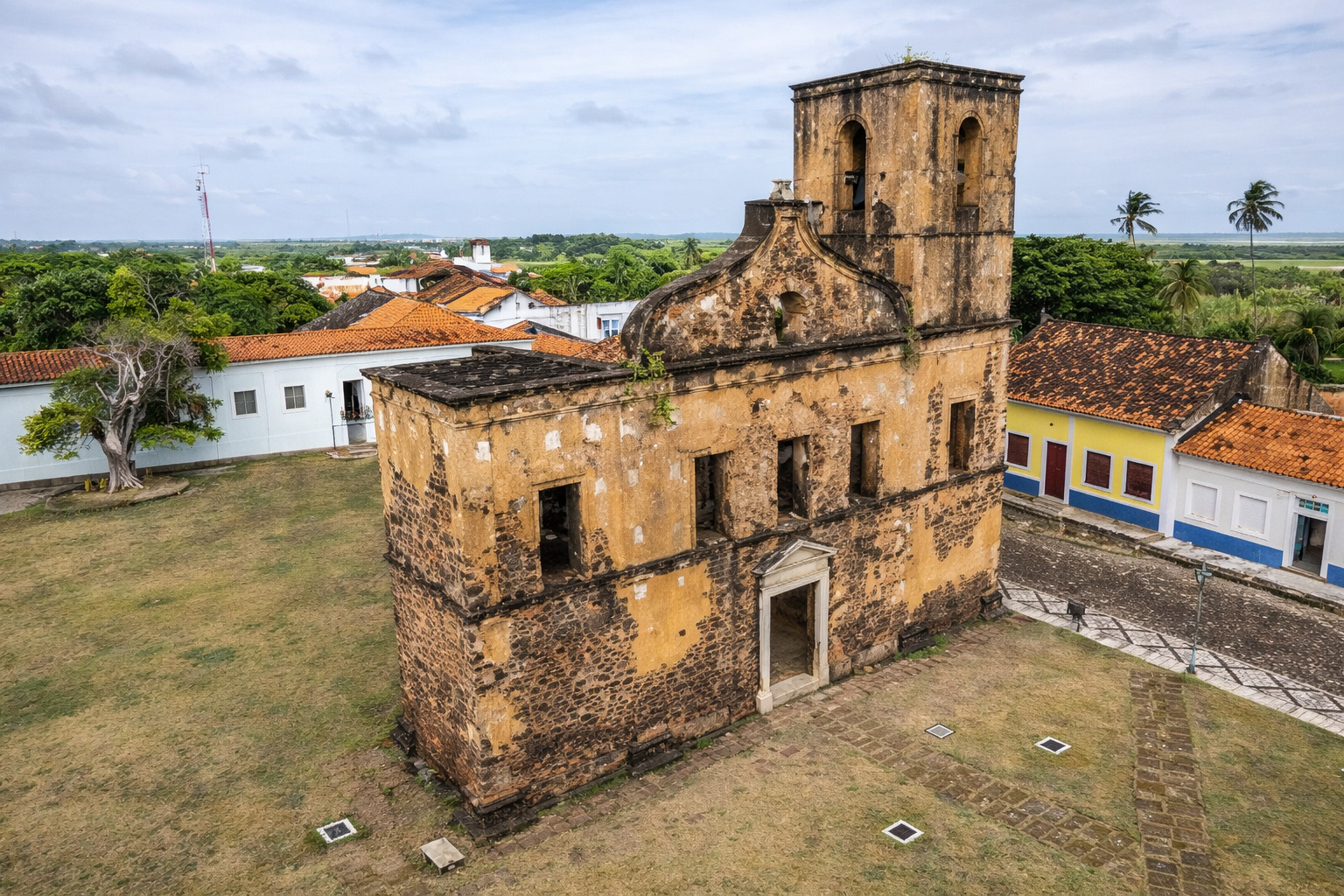
The Brazilian colonial city that stopped in time and shares territory with a rocket launch base.
-
79-year-old woman challenges limits, visits 193 countries in the world after 56 years of planning and reveals the behind-the-scenes of a global journey that few have managed to accomplish.

-
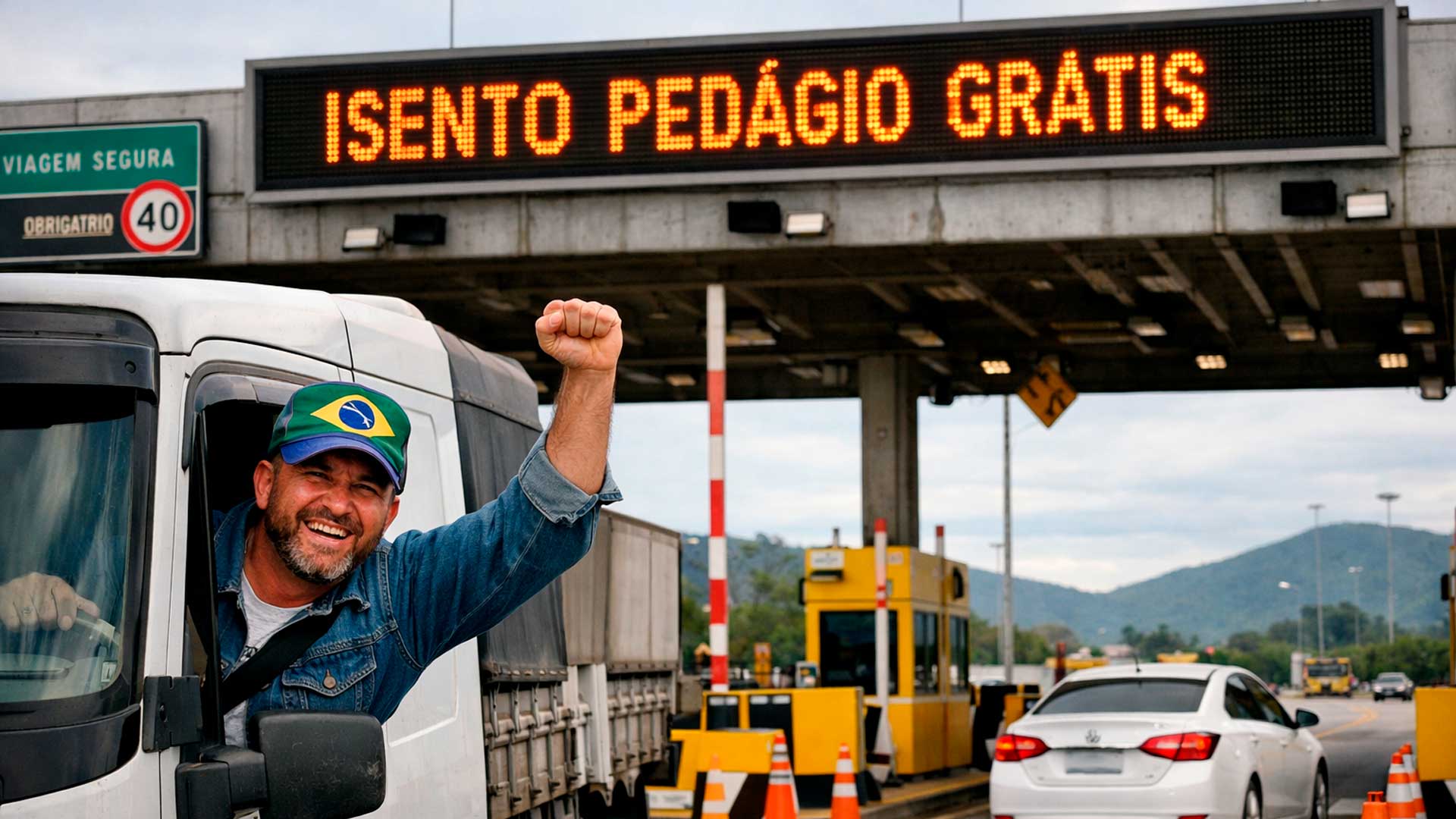
These are the drivers who may stop paying tolls on highways in a project that promises to reduce costs for those who live from transportation in Brazil.

This condition explains the price contrast that attracts buyers to Oiapoque: basic items cost less on the Brazilian side, which makes snacks, fish from the same river, and appliances more affordable for those coming from there.
Oiapoque, in turn, capitalizes on this difference and sees commerce thrive.
From the perspective of the resident, the relationship is daily and pragmatic.
Canos connect banks in a few minutes, solving purchases, services, and work.
The border is rigid on paper and flexible in daily life, with rules known to those who live on both sides and a dynamic that predates the presence of formal control.
Oiapoque in Numbers and the Road That Never Ends
The municipality has just over 27,000 inhabitants and an area greater than 22,600 km², an extent that surpasses entire states of the country.
It’s a vast, wooded territory with low density, where rivers and protected areas structure life and nature tourism.
Internal displacement reflects this scale: the trip from Macapá takes about eight hours, and part of the route still faces unpaved sections.
The BR-156 is a symbol. Started in 1932 and still not completed, it alternates asphalt, mud, and potholes, especially in the Amazonian winter.
For those needing to cross Amapá, every wooden bridge and every mud pit becomes part of an unavoidable itinerary.
Even so, Oiapoque doesn’t stop: the flow of people and commerce sustain the rhythm of the border.
Binational Bridge and Asymmetric Barriers
The bridge over the Oiapoque, announced in 1997, had construction between 2008 and 2011, but only began receiving vehicles in 2017.
The estimated cost was about R$ 130 million, shared between Brazil and France.
In practice, usage is unbalanced: cars from Guiana enter Brazil without a visa or fee, while Brazilians need a visa and to take their own vehicle, pay insurance starting at 95 euros, in addition to the visa of 60 euros.
This setup keeps the canoes in full activity.
The canoeists make daily trips, with short crossings at agreed prices that fit the budget of those crossing for purchases and services.
The bridge exists, but the river decides: the traditional mode remains competitive due to speed, informality, and adherence to local habits.
The River as Daily Life and Cross-Border Economy
In Oiapoque, the river is savings and road. From it come fish, the shower in the waterfall, and the visits of those exploring the rapids of Grã Rochê (Maripá).
It is also through the river that goods and people circulate in a rhythm that sustains sellers, guides, and canoeists.
The border, in this context, is measured in meters of bank and minutes of crossing.
The local economy depends on European visitors, as recognized by the tourism workers themselves.
The euro buys more in Brazil, and this feeds restaurants, markets, and services.
When the French cross, Oiapoque feels a cash influx; when circulation tightens, the local commerce feels it.
Tourism, Nature, and Amazonian Cocoa
The tourism vocation is clear: ecotourism, indigenous culture, and federal parks. The river of dark waters cuts through preserved landscapes, trails, and photogenic rapids.
Nature is both product and heritage, and local guides transform waterfalls and trails into experiences, keeping focus on the fauna, flora, and riverine ways of life.
In the productive field, Amazonian cocoa has gained narrative and value.
Families in the region have structured chocolate production, adding income to agroforestry management.
The chain is short: fermentation and drying by the river, processing in Oiapoque, and bars with origin identity, aligned with the palate of those coming from the European bank.
Geopolitics, History, and Consolidation of the Border
The French presence in the Guianas dates back to territorial disputes that marked Amapá.
There were conflicts at the end of the 19th century and, later, international arbitration in 1900, consolidating the Brazilian border at the Oiapoque River.
History explains the present: on one side, an overseas European territory; on the other, an Amazonian state with low density and high environmental potential.
Today, what prevails is coexistence. There are entry restrictions in French territory and integration dynamics on the Brazilian side.
Life practices the agreements that geography suggests, and the idea that France has its largest border with Brazil gains solidity in the sound of canoe motors, in the bilingual signs, and in the economy that the river still carries.
In light of this picture, France has its largest border with Brazil is not just a curiosity, but a reality that defines prices, work and mobility.
In your opinion, what should come first to improve life in Oiapoque: completing the BR-156, revising visa requirements, increasing the use of the bridge, or strengthening nature tourism?





França é na europa occidental
Ridicule essai terra é do brazil
Que parte francesa é do brasil paris, marselha, frança nâo tem nada haver com esses lados da Amazonia
Muito mau
Finalizar a BR-156 e rever as exigências para visto. O governo deveria é fazer investimento em infra estrutura e incentivar o desenvolvimento estimulando a migração o Brasil tem muitos bolsões de miséria.
É uma vergonha o nosso governo não concluir essa rodovia. Decepciona muito a nós brasileiros. Concluir com urgência. Cobrar igual aos franceses como fazem conosco.
Pois é, o mito ganhou lá mas não concluiu a rodovia. Talvez quando o estado enriquecer com os royalties, ele conclua