





 Portuguese
  English
  Spanish
  3 min of reading
  0 comments


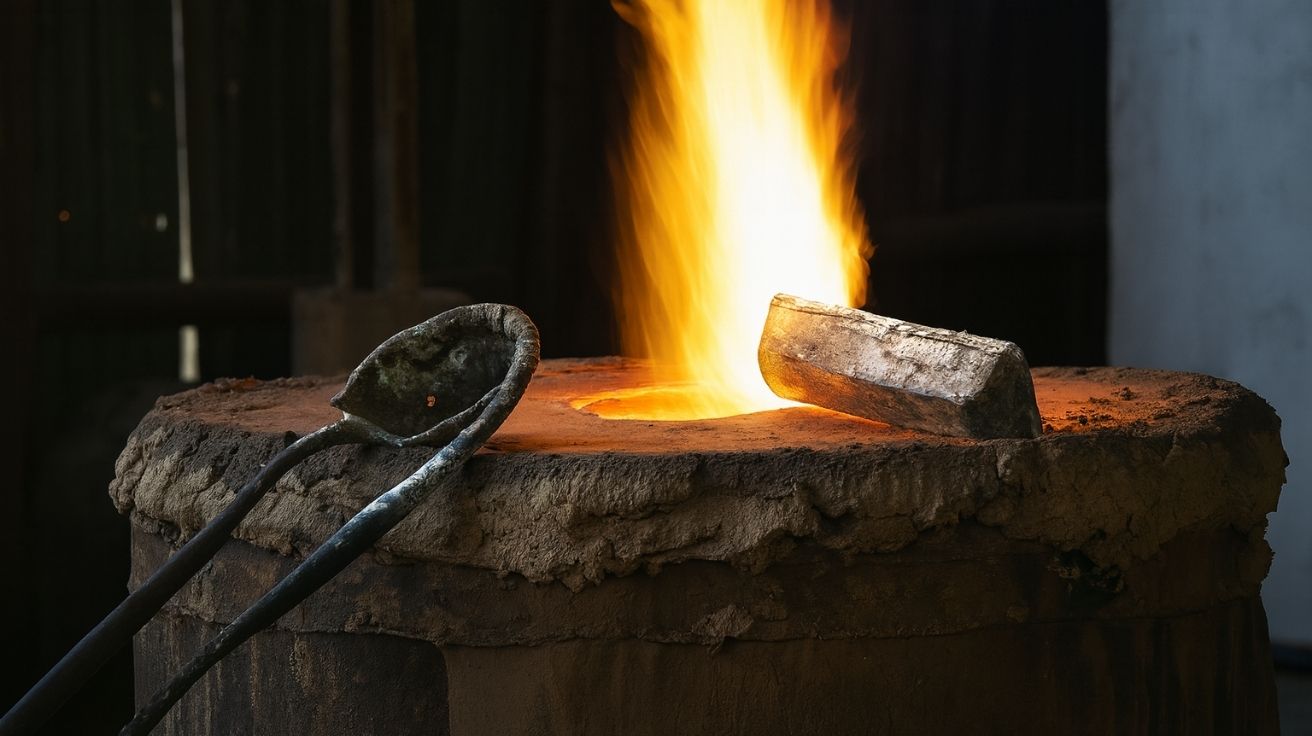
New Study Suggests That Experiments With Copper 3,000 Years Ago May Have Originated Iron Use and Changed Human History
The Iron Age, a period that profoundly transformed human life with new weapons, tools, and technologies, may have begun by accident.
According to a study published in the Journal of Archaeological Science, artisans seeking to improve copper casting at an archaeological site in Kvemo Bolnisi, present-day Georgia, may have unintentionally initiated iron metallurgy.
The site was identified for the first time in the 1950s and classified as an ancient iron workshop due to residues found, such as slag and large amounts of iron oxides.
-
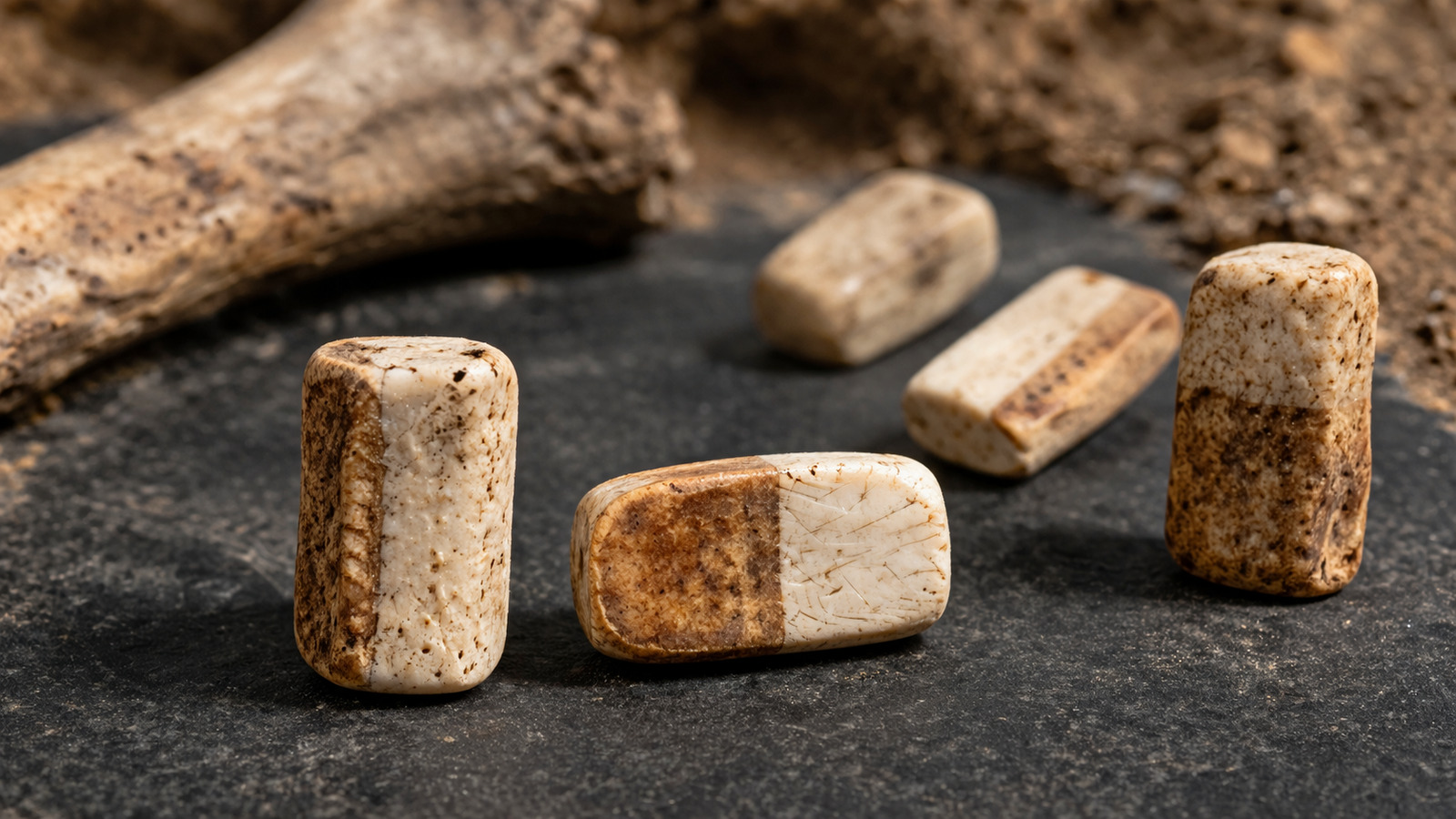
They seemed like common bones, but scientists were surprised to find a relic over 12,000 years old that dates back to before the Bronze Age.
-
With an almost perfect ring of 70 km visible from space, known as the “Eye of Quebec” and over 100 km in length, the Manicouagan Crater in Canada reveals the colossal mark left by a giant asteroid and has become one of the most impressive formations ever identified on the Earth’s surface.

-
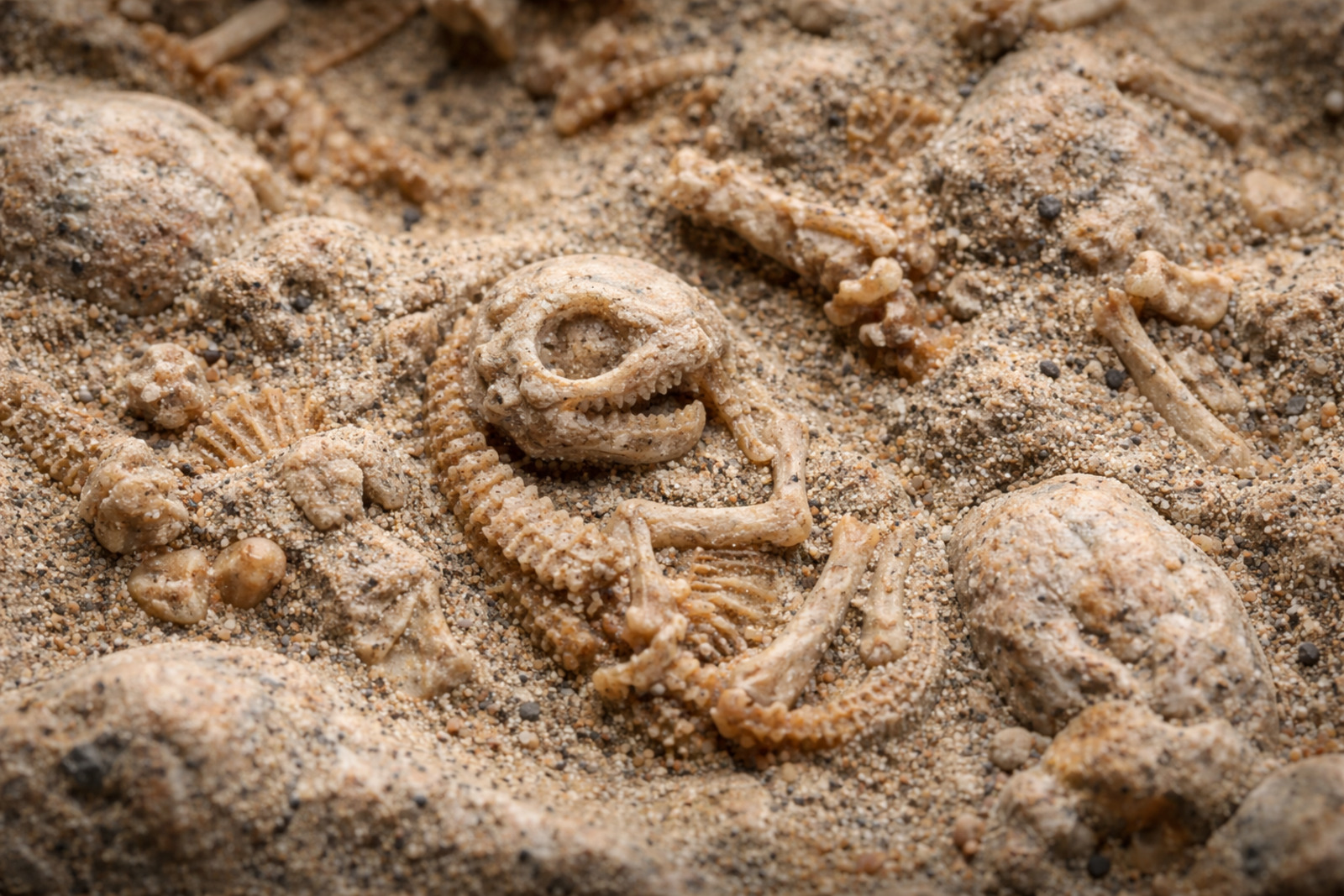
Scientists have found in China dinosaur embryos dating back 190 million years in various stages of development, and the discovery still preserves traces of extremely rare proteins in the bones, something that could change what is known about life before hatching.
-
The CEO of Honor in Spain says that smartphones will change with AI, foldables, and even robot phones; the component crisis is making cheap models more expensive in 2026 and shifting the focus to premium.

However, the new analysis reveals that the actual goal of the metalworkers was to smelt copper. To achieve this, they added iron oxides to the furnaces as flux, a substance used to increase copper yield. This seemingly simple practice may have triggered the iron revolution.
The Leap From the Bronze Age to the Iron Age
Before this advancement, humanity lived in the Bronze Age, a period marked by the alloy of copper and tin that enabled stronger tools and weapons.
Iron, despite being one of the most abundant elements on Earth, was difficult to utilize. Little natural metallic iron was found, generally coming from meteorites, and as such it was regarded as a rarer and more valuable material than gold.
The true revolution occurred when ancient peoples learned to extract iron from ores through the smelting process. From this point, entire societies changed their status.
Armies such as the Assyrians and Romans built their strength on iron, and centuries later, the industrial revolution was only possible thanks to the massive use of this metal and the steel derived from it.
The Decisive Role of Kvemo Bolnisi
Nathaniel Erb-Satullo, an archaeologist at Cranfield University, explains that understanding the origins of the Iron Age has always been a challenge.
The lack of written records, natural corrosion of iron, and the absence of in-depth studies at ancient smelting sites have made reconstructing this history difficult. In this context, Kvemo Bolnisi emerges as a key piece.
The evidence found at the site shows that artisans not only recognized iron oxides but also treated them as a distinct material, deliberately storing and adding them to the furnaces.
This behavior suggests that the discovery of iron smelting was a direct result of experiments conducted by copper smelters who were, in practice, building knowledge about thermodynamics and geology.
An Accident That Changed Humanity
According to researchers, Kvemo Bolnisi is now considered the oldest and most unequivocal example of the intentional use of iron oxides in metallurgical processes. Although the artisans were not fully aware of it, their attempts to increase copper production paved the way for the Iron Age, which radically transformed the ancient world.
This hypothesis reinforces the idea that major advancements in human history may have arisen accidentally. In the case of the Iron Age, a simple experiment in a forgotten furnace may have given rise to the era that shaped armies, empires, and later, the foundations of modern society.





Seja o primeiro a reagir!