





 Portuguese
  English
  Spanish
  3 min of reading
  0 comments


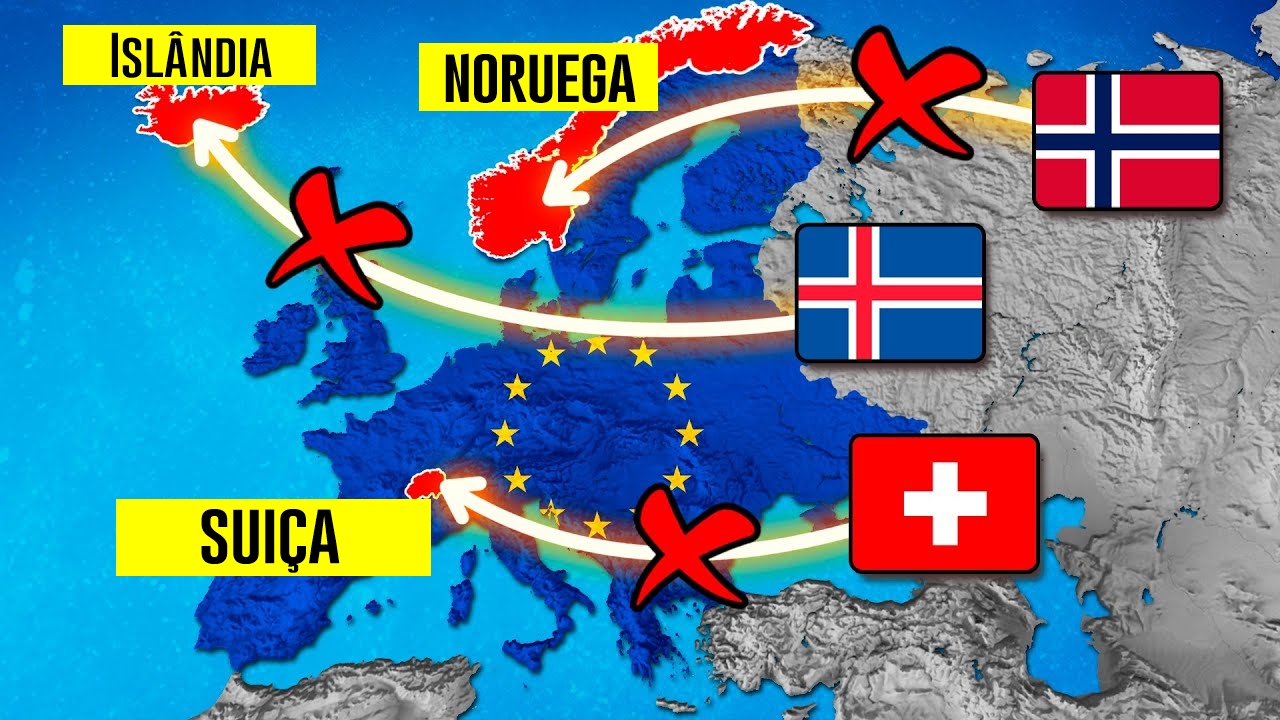
Despite The Economic And Political Benefits, Norway, Switzerland, And Iceland Prefer To Maintain Their Sovereignty And Avoid Commitments To The Rules Imposed By The European Union.
The European Union (EU) consists of 27 member states. Despite its global influence, some notable European nations have never been part of the bloc. Among them, Switzerland, Norway, and Iceland stand out.
An English-language video explored all the reasons behind this decision. While two of these nations maintain a remote possibility of joining, the third virtually dismisses this idea.
Norway
Norway attempted to join the European Union on two occasions. The first occurred in 1962, when it applied for membership in the European Economic Community (EEC). However, the French veto of the United Kingdom’s application in 1963 also indirectly affected the Norwegian process.
-
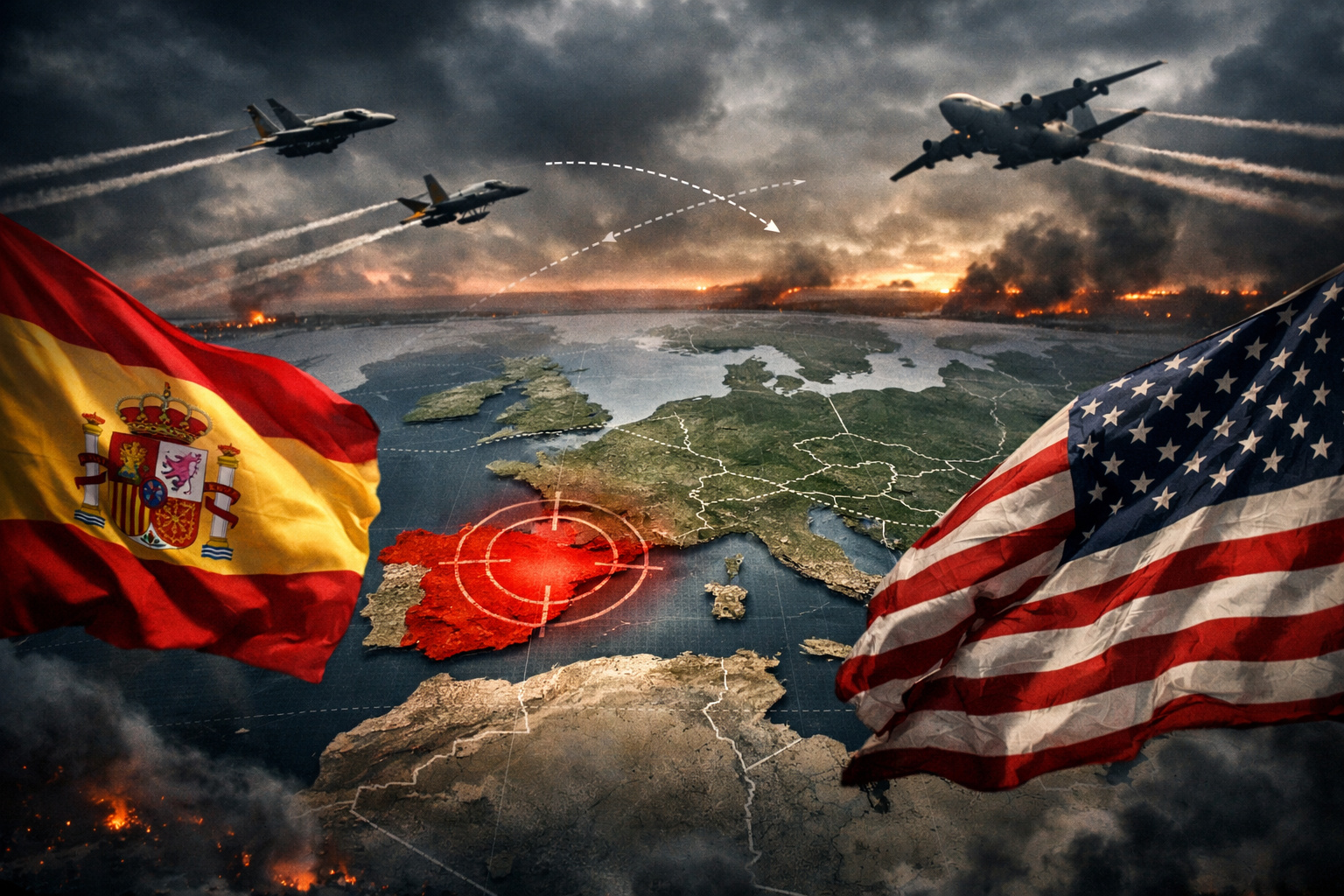
Spain challenges the USA and closes its airspace for operations against Iran, raising global tension and provoking the threat of a trade rupture.
-
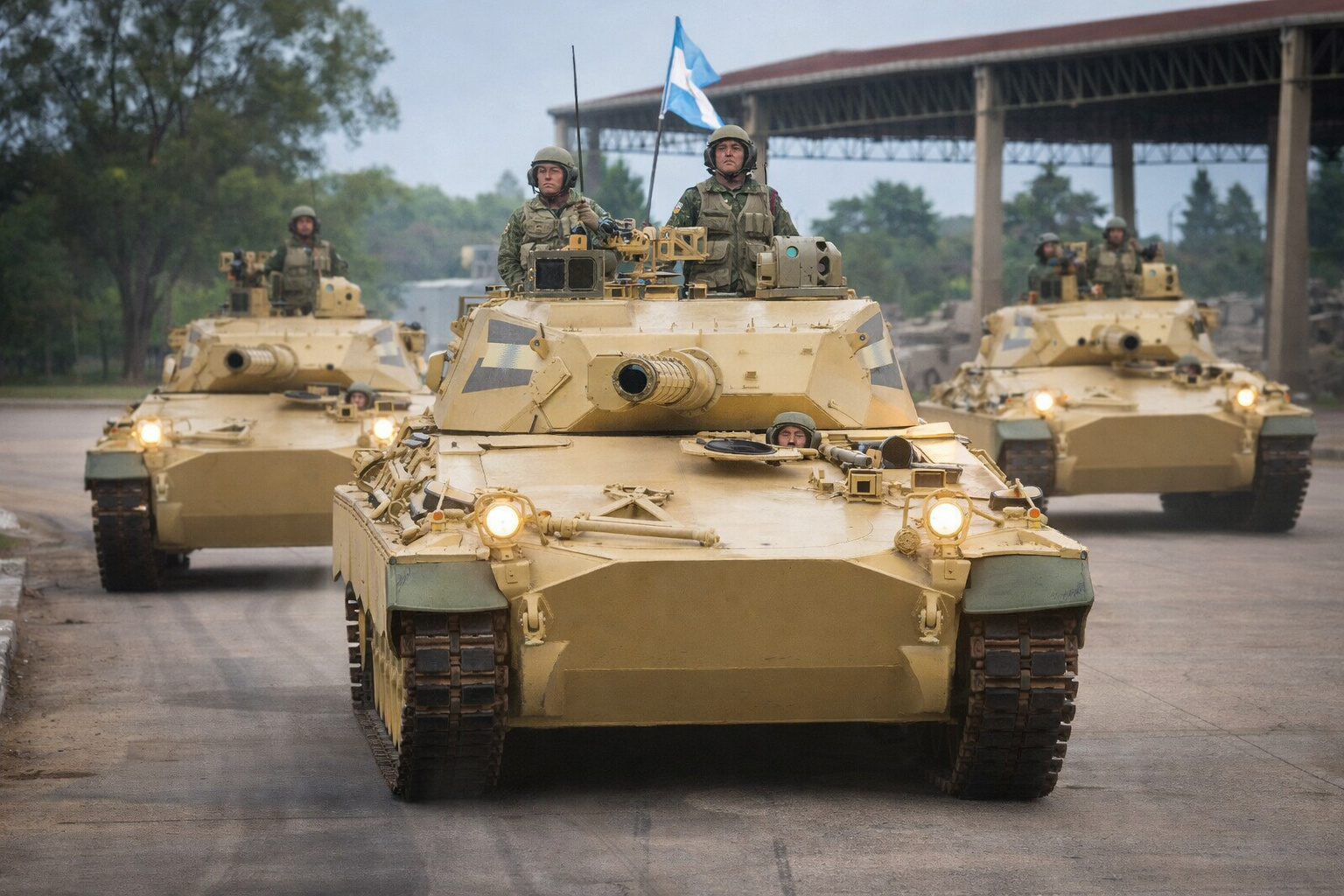
While no other country manufactures tanks in Latin America, Argentina activates the TAM 2C-A2 and raises a curiosity about the technological lag in the region.
-
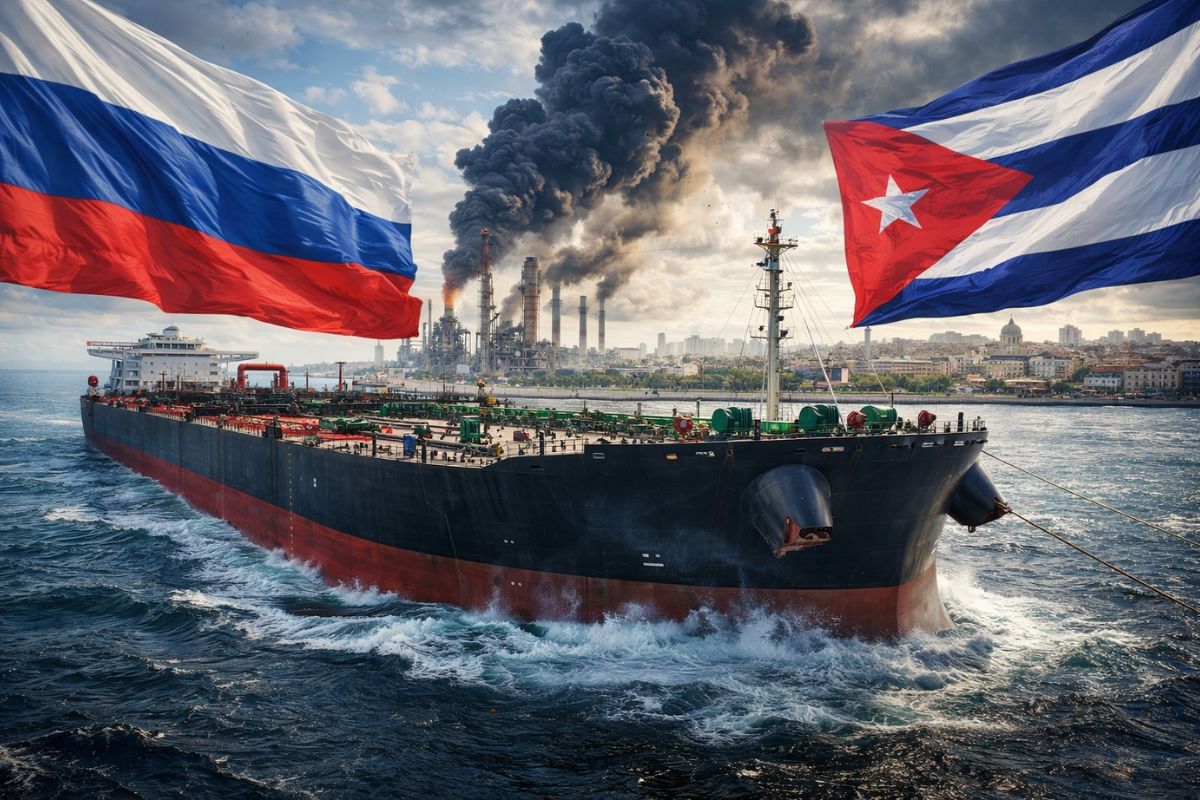
A Russian ship with 730,000 barrels of oil has just arrived in Cuba while Mexico negotiates fuel sales through private companies: the communist island is desperately seeking alternatives after losing its supply from Venezuela due to American military action.
-
Iranian drones and missiles destroyed a 270 million dollar American spy plane in Saudi Arabia, splitting the E-3 Sentry aircraft in half and injuring 12 military personnel in an attack that exposes the vulnerability of U.S. bases in the Persian Gulf.


In 1972, after long negotiations, Norwegians participated in a referendum and rejected membership. A second referendum in 1994 had the same outcome. Since then, the country has not sought to join the bloc.
The main reasons are related to the economy and sovereignty. “The big issue is fish,” the video reported. Norway considers it vital to maintain control over its fishing industry, essential for the local economy. Should it join the European Union, the country would have to adopt the Union’s common fisheries policy.
Moreover, Norway is rich in oil and gas, resources vital to its economy. Many fear that membership would compromise autonomy over these assets. “For Norwegians, preserving national sovereignty is crucial. There is a reluctance to cede aspects of their autonomy to the administration in Brussels.”
Iceland
Iceland, located between the North Atlantic and Arctic Oceans, sought to join the EU in 2009, shortly after the global financial crisis. The expectation was that membership would bring greater economic stability. However, in 2013, with a change in government, interest declined, and the application process was abandoned.
Like Norway, Iceland is concerned about its fishing industry, which plays a central role in the economy. Robben highlights that issues such as sovereignty and control of the national currency also influence the debate.
Although joining could bring economic benefits, many Icelanders fear losing autonomy over strategic sectors.
Another relevant factor was the impact of international events, such as Russia’s invasion of Ukraine, which shaped public opinion in the country. Despite this, Icelanders have never held a specific referendum on membership.
Switzerland
Switzerland, known for its historical neutrality, is perhaps the most resistant to the idea of joining the EU. In 1992, after a referendum, the Swiss rejected the proposal to enter the European Economic Area, which weakened any future membership plans.
The country’s tradition of neutrality is just one of the factors explaining this stance. The Swiss political system, based on direct democracy, makes it problematic to transfer decision-making power to Brussels.
Despite being outside the EU, Switzerland maintains a close relationship with the bloc through bilateral agreements.
These treaties ensure access to the single market without the obligations of full membership. For many Swiss, this approach represents an ideal balance between economic benefits and political independence.
Recent surveys show that support for joining the EU is extremely low in the country. Switzerland is not interested, and public opinion on the subject is clear.
Uncertain Future Of EU Membership
Evaluating the chances of Switzerland, Norway, and Iceland joining the EU, it is unlikely that any of these countries will join the bloc anytime soon. However, we know that Switzerland is even further from this possibility.
Norway and Iceland maintain closer relationships with the EU and may consider membership at some point. However, their concerns about natural resources, economy, and sovereignty make integration a significant challenge. Meanwhile, Switzerland seems completely satisfied with its current status.
These decisions reflect each nation’s priorities in balancing their economic, political, and cultural interests with the benefits of greater integration. While the European Union remains one of the world’s most influential blocs, some European nations continue to choose alternative paths.
Currently, the European Union (EU) consists of 27 member countries. This number was reduced from 28 to 27 in 2020, following the departure of the United Kingdom, an event known as ‘Brexit’.










-

-

3 pessoas reagiram a isso.