





 Portuguese
  English
  Spanish
  4 min of reading
  0 comments



Why High-End Cars Break More Than Popular Ones? See How Excessive Electronics, Complexity, and Rapid Innovation Increase the Risk of Failures.
There is an almost automatic belief in the automotive market: the more expensive the car, the more reliable it should be. In popular imagination, luxury is synonymous with absolute quality, while simple cars are seen as more fragile.
In practice, the opposite often happens in many cases. High-end cars break more, cost more to repair, and generate more unexpected failures than popular models with simple designs. And this is not by chance; it is a direct consequence of technical and strategic decisions.
Technical Complexity: When Sophistication Becomes a Weakness
The first factor is excessive complexity. Luxury cars have dozens of systems that do not exist in popular models: active suspension, variable electronic steering, electric controls throughout, redundant sensors, and modules scattered throughout the vehicle.
-
Less than a Tera TSI, up to 710 km of range and charging in 9 minutes: the new BYD Song Ultra expands the Chinese brand’s bet on increasingly faster, more technological, and competitively priced electric SUVs.

-
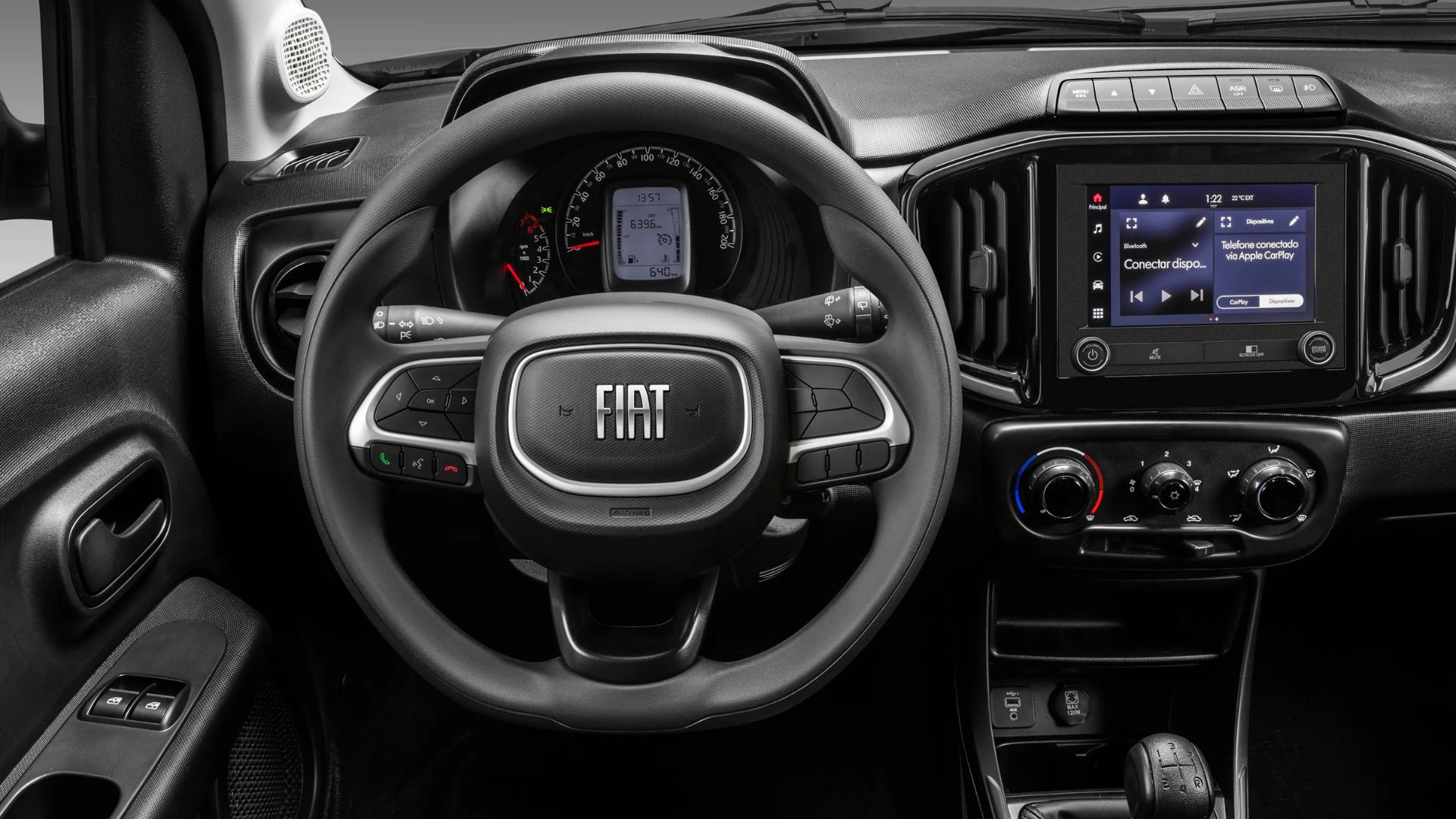
With a 1.0 engine producing 75 hp and costing less than R$ 70,000, Fiat’s car returns to the podium as the cheapest in the country; a temporary promotion for the 2026 Like version reduces the price of the Fiat Mobi.
-
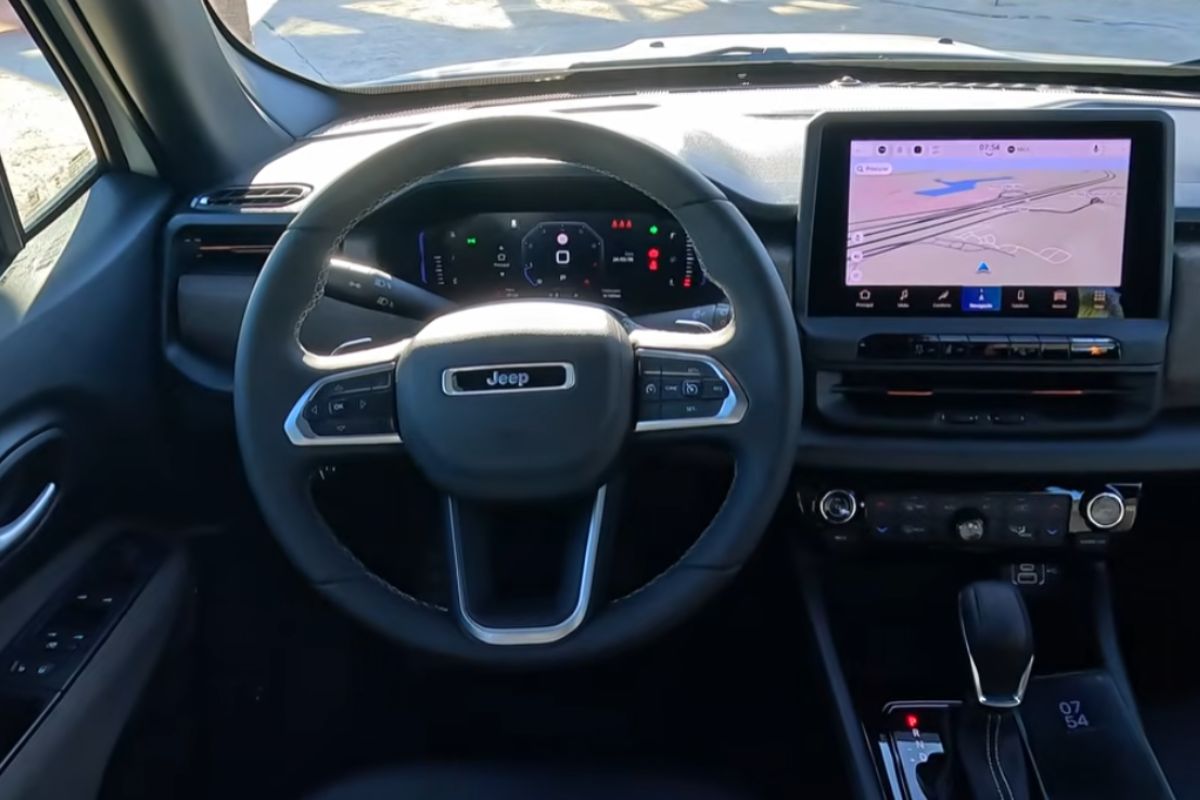
With a mild hybrid system of 48 V, 176 hp and a price of R$ 175,990 in the Sahara version, the new Jeep Renegade changes mostly on the inside, improves slightly in fuel consumption, and remains almost the same car.
-
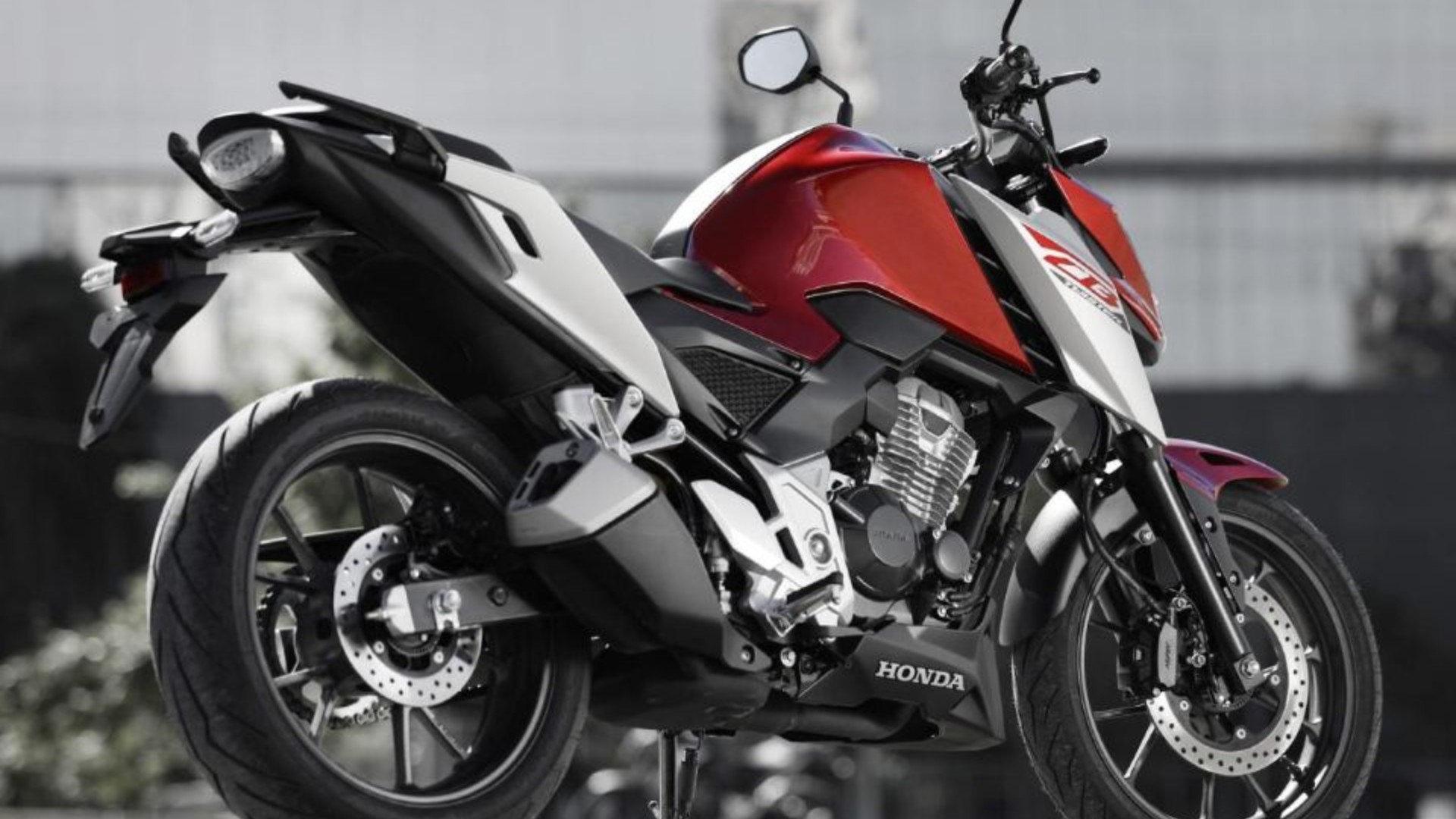
With a 293.5 cm³ engine and a range of up to 400 km with a 14.1-liter tank, the Honda CB 300F Twister 2026 has up to 24.7 hp, an initial price of R$ 25,150, and already exceeds R$ 29,000 in the Fipe Table.
Each additional system is another potential point of failure. No matter how well designed the assembly is: the more parts and modules, the higher the statistical probability of something going wrong.
Excessive Electronics Increase Invisible Failures
Luxury cars rely heavily on embedded electronics. Modules communicate with each other all the time, and a small failure can trigger a cascade of errors.


A simple defective sensor can deactivate suspension, transmission, steering, or safety systems, putting the car into emergency mode. In popular cars, this sensor often does not even exist.
Rapid Innovation Reduces Maturation Time
Luxury brands thrive on constant innovation. With each generation, new systems, screens, assistance features, and unprecedented technologies emerge.
The problem is that many of these solutions reach the market before fully maturing. Popular cars, on the other hand, tend to adopt technologies only after years of validation, when the defects have already been mapped.
Stressed Projects Work at the Limit
Luxury engines often operate under high pressures, elevated temperatures, and tight tolerances, seeking performance, quietness, and efficiency at the same time.
In contrast, popular engines operate in simpler regimes, with a larger safety margin. This means that maintenance errors, poor fuel, or severe use affect luxury cars much more.
Total Integration: When Everything Depends on Everything
In premium cars, the systems are highly integrated. Suspension communicates with the transmission, which communicates with the engine, which communicates with the stability control.
This integration improves comfort but creates a side effect: when something fails, multiple functions collapse together. In simple cars, the systems are more independent, limiting the impact of a failure.
Cost and Complexity of Repair Increase the Sense of Failure
Often, the luxury car does not break more, but breaking costs so much and immobilizes the vehicle so much that the perception of problems is greater.
A defect that would be simple in a popular car turns into module replacement, reprogramming, and hours of diagnostics in a premium model. The car stays immobilized longer, and the loss is greater.
Real Environment Versus Ideal Environment
Luxury cars are designed for controlled environments, high-quality fuel, rigorous maintenance, and proper use.
In the real world, especially in countries like Brazil, holes, irregular fuel, heat, and humidity punish sophisticated systems. Simple cars, being less sensitive, end up coping better with this scenario.
Why Popular Cars Break Less in Daily Use
Popular cars follow the opposite logic: fewer systems, fewer sensors, less integration, and more tolerance. They are made for severe use, irregular maintenance, and unskilled labor.
This does not make them perfect, but it makes them more resilient to human error and the environment, something that luxury often does not forgive.

Luxury Delivers Experience, Not Absolute Robustness
It is important to understand that a luxury car was not designed to be indestructible. It was made to provide comfort, technology, quietness, and a premium feel.
When these priorities conflict with simplicity and tolerance, absolute reliability ceases to be the main objective.
Luxury Pays the Price of Sophistication
Luxury cars break more than popular cars because they carry technical complexity, excessive electronics, and accelerated innovation. What dazzles in the showroom is the same that increases the risk over time.
On the other hand, popular cars survive precisely because they are simple, tolerant, and predictable. In the end, luxury does not mean robustness — it means experience. And every sophisticated experience carries its price.








Seja o primeiro a reagir!