





 Portuguese
  English
  Spanish
  10 min of reading
  6 comments


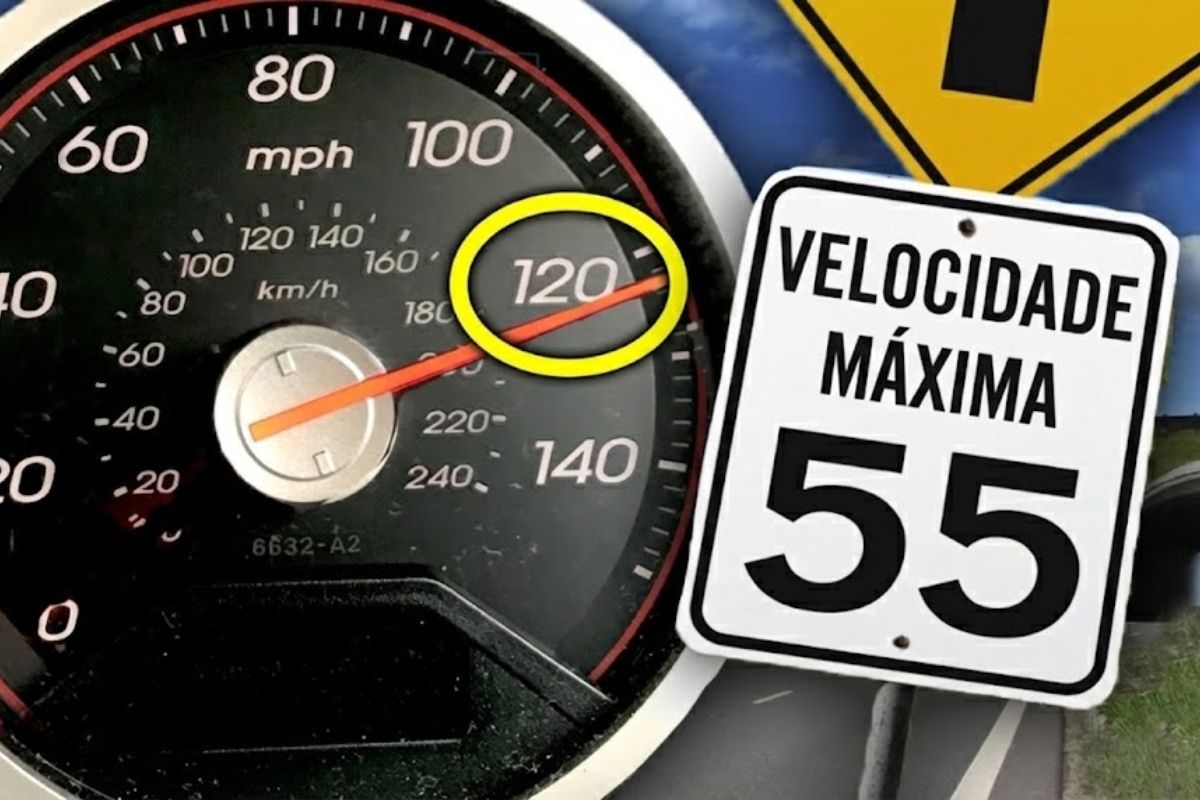


On Highways With An Average Speed Limit Of 70 MPH, Regular Cars Show Speedometers Of 140 MPH And Reach Much Higher, While The SSC Tuatara Reaches 282.9 MPH. Between Safety Technology And The Absence Of A Mandatory Governor, The Industry Sells Power, And Traffic Pays The Price In The US, 25 A Day.
Cars Capable Of Going Far Beyond The Allowed Speed Are Not A Mechanical Accident. They Are The Result Of Mechanical, Marketing, And Public Policy Choices Coexisting With Hard Numbers: In 2019, In The US, 25 People Died Each Day In Speed-Related Accidents, While Millions Of Fines Continue To Be Issued.
The Paradox Is That Cars And Highways Have Become Safer With Features Such As Electronic Stability Control, Blind Spot Detection, And Driver Assistance, But The Most Obvious Measure To Contain Excesses, The Electronic Speed Governors, Almost Never Become A Widespread Requirement. The Question Remains Simple: Why Sell Power That The Law Does Not Allow To Use?
Speedometers Of 140 MPH In A World Of 70 MPH

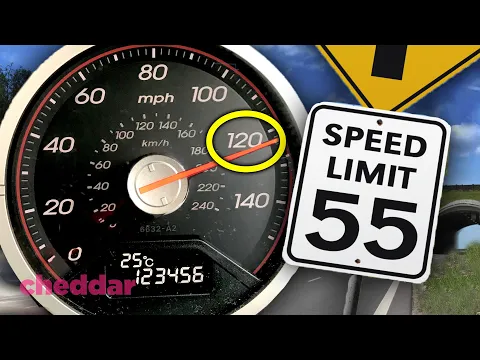
The Average Speed Limit Mentioned For Highways Is 70 MPH, But The Dashboard Of Many Cars Displays Speedometers Of 140 MPH, And Some Speedometers Show Speeds That The Car Itself Cannot Achieve.
-
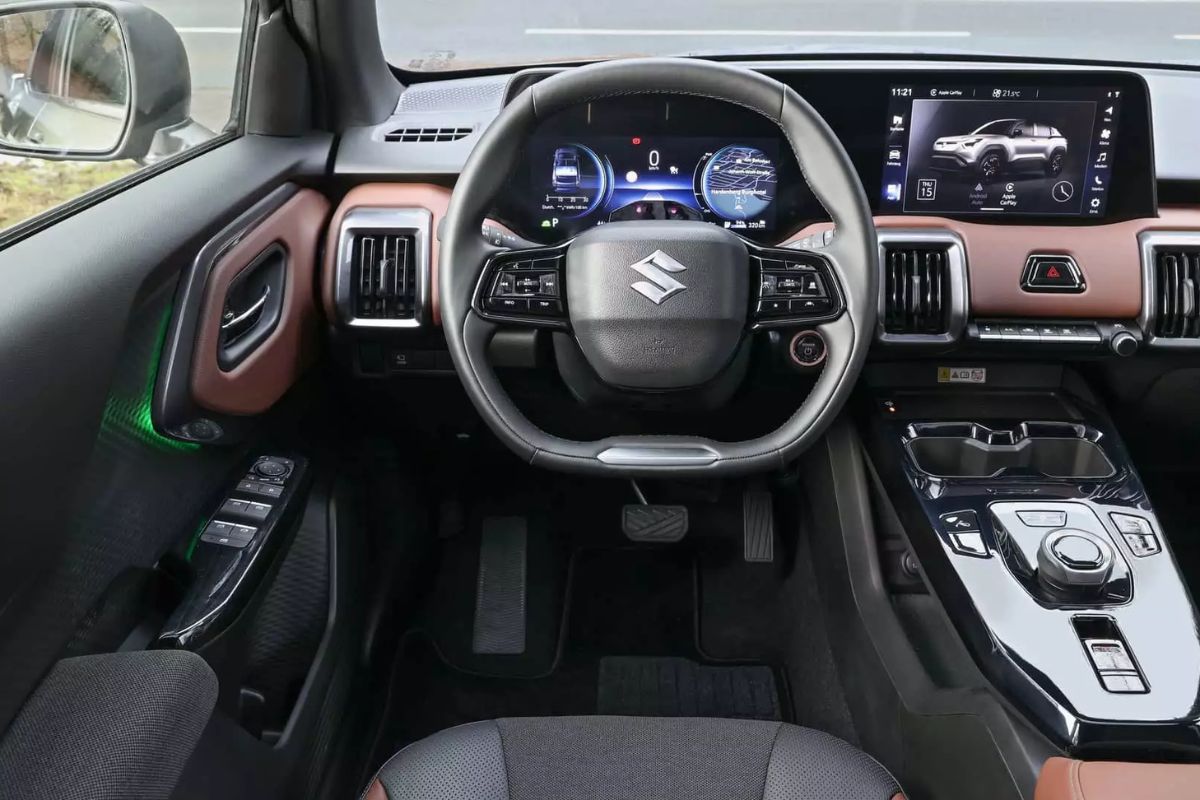
The 2026 electric Vitara arrives in Brazil and proves that Suzuki is not leaving: 4×4 traction, 184 hp, 61 kWh LFP battery, 293 km range, R$ 259,000, and a trunk capacity of 224 L.
-
Hyundai has unveiled the Boulder, a square SUV with a body-on-frame design, 37-inch mud tires, and carriage-style doors that seems to be made to take on the Ford Bronco and the Scout Traveller in the United States.

-
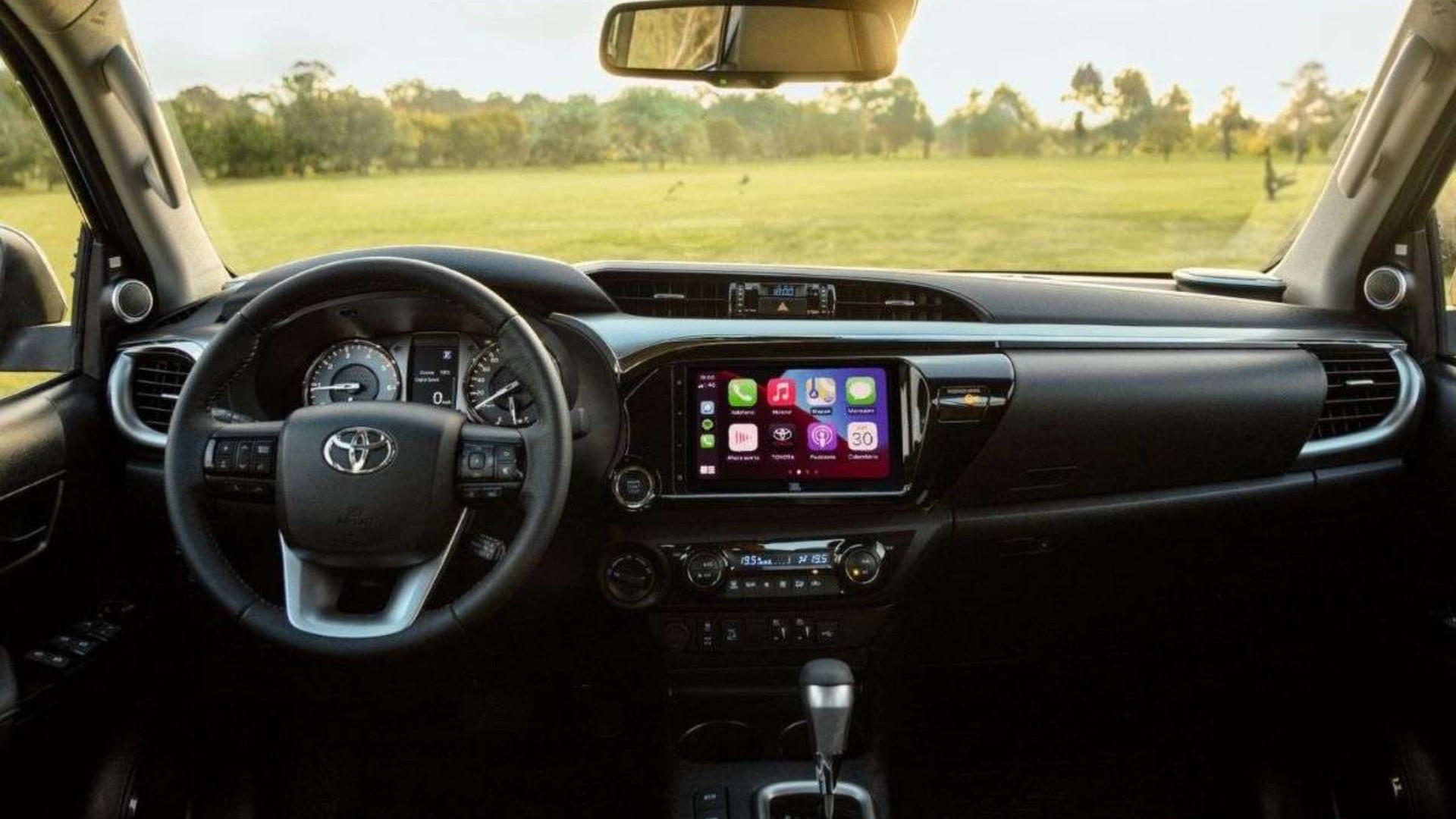
The Toyota Hilux is R$ 75.5 thousand cheaper and bets on the 2.8 turbodiesel engine with up to 204 hp and 50.9 kgfm to catch up with the VW Saveiro, which leads with 4,472 sales.
-
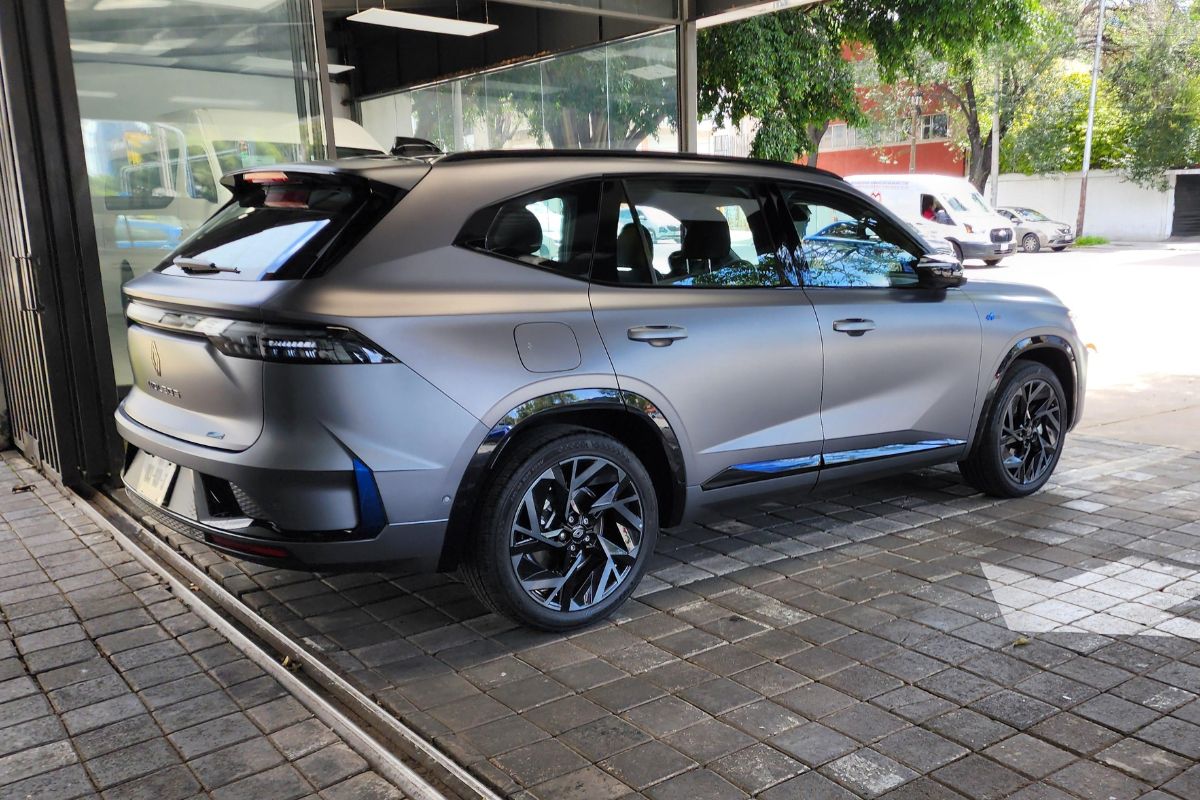
The new Renault Koleos has a screen exclusively for the passenger that is invisible to the driver, heated rear seats, and 29 assistance systems, but its Chinese competitors cost R$ 40,000 less and deliver more power.

The Detail Is More Than Aesthetics: It Communicates To The Driver A Promise Of Performance That The Law, In Practice, Does Not Authorize On Most Roads.
The Extreme Example In This Context Is The SSC Tuatara, Described As The Fastest Street-Legal Car, With 282.9 MPH.
Even When This Type Of Number Is Associated With Closed Tracks, It Functions As A Cultural Beacon: Reinforcing The Notion That Cars Should Be Fast, And That Maximum Speed Is Part Of The Product Identity.
At The Same Time, This Technical Showcase Dialogues With Daily Life.
The Temptation Of “Just A Little More” Arises Precisely From The Coexistence Between A Legal Limit And Equipment That Suggests The Car Has Surplus Power, As If The Surplus Were A Right, Not A Responsibility.
Power, Transmission, And The “Green Range” Of 1,500 To 2,000 RPM
There Is A Mechanical Reason For Cars To Be Faster Than The Law Allows, And It Involves Power And Transmission.
The Gear Set Converts The Engine’s Force And Allows The Car To Go Faster At Lower RPMs, Saving Fuel Under Cruise Conditions.
The Idea Presented Is That, For Fuel Economy, The Standard Highway Speed Should Fall Within The ‘Green Range’ Between 1,500 And 2,000 RPM.
This Range Is Treated As An Efficiency Point Where The Engine Works Without “Screaming”, And The Transmission Helps Maintain The Car’s Flow.
It Is Here That Power Gains A Functional Justification: A Stronger Engine Helps To Enter The Expressway More Easily, Overtake Trucks, And React In Emergencies.
The Problem Arises When This Margin Becomes Routine, And Power Starts To Be Sold As An Emotional Argument, Not As Technical Reserve.
The “Governor” Exists, But Is Rarely A Rule

The Electronic Speed Governor, Also Known As The “Governor”, Appears As The Most Direct And Undiscussed Safety Measure.
The Logic Is Simple: It Sets An Electronic Ceiling To Prevent Cars From Reaching Extreme Speeds, Regardless Of What The Speedometer Suggests.
For Many Consumer Vehicles In Europe, The Context States That It Is Not Yet A Legal Requirement, Although Many Manufacturers Offer The Feature As An Option.
This Detail Is Central: When The Governor Becomes Optional, It Ceases To Be A Public Barrier And Becomes An Individual Choice, Subject To Taste, Price, And Status.
The Cited Exception Is Volvo, Which Officially Limited The Speed Of Its Cars To 112 MPH, In A Declared Attempt To Save Lives.
Even So, 112 MPH Still Exceeds High Legal Limits.
In The US, The Fastest Stretch Of Road Cited Is A Stretch Of 40 Miles In Texas With 85 MPH, Creating A Gap Between Delivered Capability And The Legal Reference Speed.
When The Law Does Not Regulate The Maximum Speed, The Market Decides
The Context Points Out That In The US, The Government Has Historically Hesitated To Interfere With The Public’s Access To Fast Cars, Despite Campaigns Against Speeding.
In Parallel, The Punishment System Is Gigantic: 41 Million Speeding Tickets Are Issued Each Year, Placing Enforcement As The Primary Response, Not Prevention Through Design.
There Is Also A Behavioral Data That Helps Explain Why The Topic Persists. A 2020 Survey By The AAA Foundation Recorded That 45% Of Drivers Reported Driving 15 MPH Above The Limit.
This Means That A Relevant Portion Of Drivers Assumes, On Their Own, A Standard Of Deviation That Normalizes Speed Above The Law.
This Scenario Creates A Vicious Cycle.
Culture Tolerates Excess, Fines Become Routine, And Cars Continue To Be Manufactured With Enough Power To Turn An Error Into A Tragedy, Because The Capability Is Always Available At The Pedal.
Safety Evolves, But The Maximum Speed Remains Taboo
The Material Reminds Us That The Sector Is Not Completely Deregulated.
In The US, The NHTSA And The EPA Monitor Design And Safety, With Requirements Such As Seatbelts, Airbags, And Crumple Zones, As Well As Fuel Efficiency Standards And Emissions Laws.
The Sensitive Point Is The Highlighted Gap: The Maximum Speed Available, Which Is Directly Associated With Risk, Does Not Receive The Same Type Of Intervention.
The Practical Result Is An Industry Capable Of Implementing Layers Of Passive And Active Protection, But That Maintains The Possibility Of Using Power At Illegal Levels.
The Narrative Also Suggests A Shift In Priority: Climate Emerges As A Major Public Policy Topic, And The Argument That The Sector “Is Working On Electric” May Serve As A Shield To Avoid Discussions About Electronic Governors.
Thus, Cars Accumulate Assistance, But Remain With A High Ceiling, Because Limiting The Ceiling Affects The Product’s Symbol.
Autobahn, Texas, And The Argument Of “Maybe One Day”
The Question “When Will This Happen?” Always Comes Up When The Topic Is Maximum Speed.
In Some Places, There Is A Real Scenario: In Germany, The Autobahn Is Described As A Network Of Thousands Of Miles Without A Speed Limit In Certain Sections, Which Provides A Concrete Justification For High-Performance Cars.
In Almost All The Rest, This Justification Becomes An Imported Exception. In The US, Even The Fastest Road Cited Is At 85 MPH.
In Other Words, The Car Leaves With Power, But The Legal Infrastructure Rarely Offers A Compatible Space.
This Contrast Shapes The Paradox: The Industry Sells “Possibility”, While The Law Sells “Restriction”. And It Is Precisely In This Friction That Risky Behaviors Arise, Because Power Exists, The Speedometer Suggests, And The Limit Becomes An Obstacle To Be Challenged.
Dopamine, Freedom, And Advertising Since 1898
Beyond Mechanics, There Is A Cultural Reason. Since 1898, Advertisements Have Sold The Idea Of Abandoning The Horse.
Later, The Industry Popularized An Ethos Of Freedom Of Movement As A Synonym For Progress, And Automotive Advertising Began Associating Cars With Autonomy And Power.
This Imaginary Finds A Perfect Stage In Racing Environments.
The Context Mentions Talladega Superspeedway As A Showcase Of Automotive Culture And Reminds Us That NASCAR Originated From The Idea Of Taking A Regular Car And Putting It To Compete.
The Logic Connects To The Market: Manufacturers Cater To An Audience That Values Freedom Above All And Also Those Who Pursue A Dopamine Hit.
When The Advertising Message Says “You Can”, It Rarely Adds “But The Law Doesn’t Allow It”.
And In That Interval, Power Becomes A Promise, Speed Becomes Style, And Governors Start To Be Interpreted As Censorship, Not Protection.
Testosterone, Behavior, And Science Used As A Mirror
A 2009 Study Cited Compared Testosterone Levels Between Men Driving High-Speed Sports Cars And Men Driving Regular Sedans.
The Reported Result Was That Sports Car Drivers Displayed Higher Testosterone Levels.
This Finding Alone Does Not Resolve The Discussion, But It Functions As A Mirror Of The Imagination. If High-Speed Cars Are Perceived As Symbols Of Power, It Is Expected That They Trigger Emotional And Physiological Reactions, And That These Reactions Are Part Of The Buying Package.
In This Context, Limiting Cars Through Software Is Not Just A Technical Measure.
It Is A Clash With A Culture That Sells Power As Freedom, And That Treats Speed As A Proof Of Domination. Resistance To Governors Arises, Therefore, From Both Financial And Identity Standpoints.
Deaths, Statistics, And The Human Cost Of Speed
The Most Direct Data Is From 2019, In The US: 25 People Lost Their Lives Each Day In Speed-Related Accidents.
The Context Also Places Traffic Accidents As The 8th Leading Cause Of Death Worldwide And As The Leading Cause Of Death In The US For People Under 54 Years Old.
These Numbers Change The Conversation About Cars. They Take The Debate Out Of Personal Preference And Place It In The Sphere Of Public Health.
The Question Changes From “Why Are Cars Fast?” To “Why Do Cars Continue To Allow The Extreme, If The Extreme Costs Lives?”.
When The Standard Response Is Enforcement And Fines, The System Works After The Risk. The Discussion About Electronic Governors Shifts The Logic To Before The Risk, But Encounters Culture, Politics, And The Market.
Europe Tried With ISA But Still Allows Workarounds
In 2019, The European Union Decided That All Cars Sold After May 2022 Would Have Speed Governors In The Form Of Intelligent Speed Assistance (ISA).
The ISA Does Not Appear As A Total Mechanical Lock: First It Warns When The Driver Exceeds The Limit And Then It Slows Down The Car.
However, The System Can Be Overridden By “Stepping Hard” On The Accelerator, Preserving The Driver’s Final Control.
The Cultural Logic Presented Is To Induce And Insist On Compliance With The Law, Not To Take Autonomy By Force. It Is, Therefore, An Attempt To Insert A Limit In Cars Without Killing The Promise Of Power.
The Critical Point Is That If It Can Be Worked Around, The Protection Depends On Compliance.
And Compliance, As Research Shows, Is Exactly The Field In Dispute When Speed Becomes Identity.
What Drivers Think: Support, Rejection, And Shift To Used Cars
A Survey In The UK Cited Indicates That Support For Governors Outweighs Opposition By Two To One: 49% In Favor And 24% Against.
This Score Suggests That There Is A Social Foundation For Such Measures, But Also That There Is A Block Powerful Enough To Influence The Market And Politics.
Among Opponents, Half Say They Would Delay Their Next Purchase To Continue Driving Without Restrictions, And Another 30% State They Would Buy A Used Car Instead Of A New One.
Among Supporters, A Quarter Say They Would Be More Likely To Buy A New Car, But Another Quarter Would Look To Avoid The Technology.
The Consumer Message, Therefore, Is Contradictory. Some Want Limits For Safety, Some Reject For Freedom, And Some Seek Escape Routes In The Used Car Market.
In This Scenario, Governors Cease To Be Merely Technical Items And Become Purchase Criteria.
Industry, Influence, And Why The Incentive To Change Is Low
The Context Draws Attention To The Economic Weight Of The Sector. The Size Of The Global Automotive Market Is Cited As $2.7 Trillion In 2021.
In Parallel, In The US, The Automotive Industry Appears As One Of The Largest Manufacturing Sectors, Contributing 3.5% Of GDP.
This Size Helps Explain Why Controversial Changes Tend To Be Slow. The Report Highlights The Influence Of The Sector Over Consumers And Governments And Suggests That, Without Clear Pressure, The Incentive To Change Is Low.
If Selling Power Is Part Of The Product, Limiting Power Seems, For Some, To Limit The Market Itself.
The History Of Resistance To Safety Standards Also Emerges As Context: The Industry Has Pushed Back Requirements Such As Seatbelts, Airbags, And Even Electric Cars When It Considered Them Unnecessary Or Expensive.
With Governors, The Argument Joins The Fear Of Losing Sales To Used Cars Or Competitors.
If You Can’t Cut Power, You Can Cut Opportunity
While The Government Avoids “Entering Garages”, Safety Advocates Focus On Designing Streets To Discourage Speeding.
The Context States That Racing Is More Likely On Wider Roads, So An Idea Is To Reduce Lane Widths To 10 Feet In Cities, Narrowing The “Tunnel Vision” And Inducing Deceleration.
Other Mentioned Interventions Include High-Visibility Crosswalks, Trees Along The Streets, And Shifted Curb Extensions Called Chicanes.
These Are Infrastructure Measures That Attempt To Reduce The Urge To Accelerate, Even When The Car Has Surplus Power.
The Limitation Is Clear: Urban Design Works On The Environment, While Governors Act On The Product. And When Speed Is Part Of Culture, The Solution Tends To Demand More Than One Front.
The Final Paradox: “Ethical” Cars And An Industry That Still Sells Excess
The Context Acknowledges That Cars Can Do Good Things, But Also Carry Negative Externalities, Which Worsen When Companies Communicate A Product As Capable Of Going 300% Above The Highest Limit In The US, Or When The Vehicle Is Described As Weighing 9,000 Pounds.
At The Same Time, The Report Maintains That It Is Possible To Have Ethical, Safe Cars That Are Good For The Climate And The Wallet, And Still Profitable.
The Discussion Is Not About “Ending Cars”, But About Deciding What Limits Should Exist When The Collective Risk Is High.
The Comparison With Tobacco Emerges As A Hypothesis For A Political Path.
In The 1960s, Tobacco Companies Were Major Advertisers On TV, And Two Years Later The Ban On Broadcasts Came.
The Analogy Suggests That Advertising And Culture Can Be Regulated When Harm Becomes Consensus, And That Excessive Power May Face Similar Pressure In The Future.
The Explanation For Such Fast Cars Is Not In A Single Point.
It Arises From Mechanics, Passes Through Culture, And Is Sustained By Political Choices That Regulate Airbags And Emissions, But Leave Maximum Speed As A Sensitive Area.
In The Midst Of This, Electronic Governors Appear As A Logical And Controversial Solution Because They Concern Risk And Symbol.
As A Practical CTA, Public Discussion Tends To Advance When It Becomes A Concrete Agenda: Governors, Advertising, And Street Design.
In Political Terms, The Context Shows That There Are Alternatives, But Also Resistance From The Market And Consumer, And A System That Still Prefers To React With Enforcement And Fines.
Would You Accept Mandatory Governors In Cars?









Qdo é fixado um limite de velocidade o projeto de uma rodovia,no brasil ,é feito com dados técnicos sobre o raio de curvas, superelevação da pista,etc.A partir desses dados a a rodovia terá segurança com a velocidade fixada em projeto.Muitas pessoas acham que e só mudar a sinalização aumentando a velocidade.
O cara copiou uma matéria gringa e nao mudou nem as unidades de medida pra realidade brasileira. Va so foder
Caraca, nem pra adaptar a matéria para o português…🫣