





 Portuguese
  English
  Spanish
  4 min of reading
  1 comment


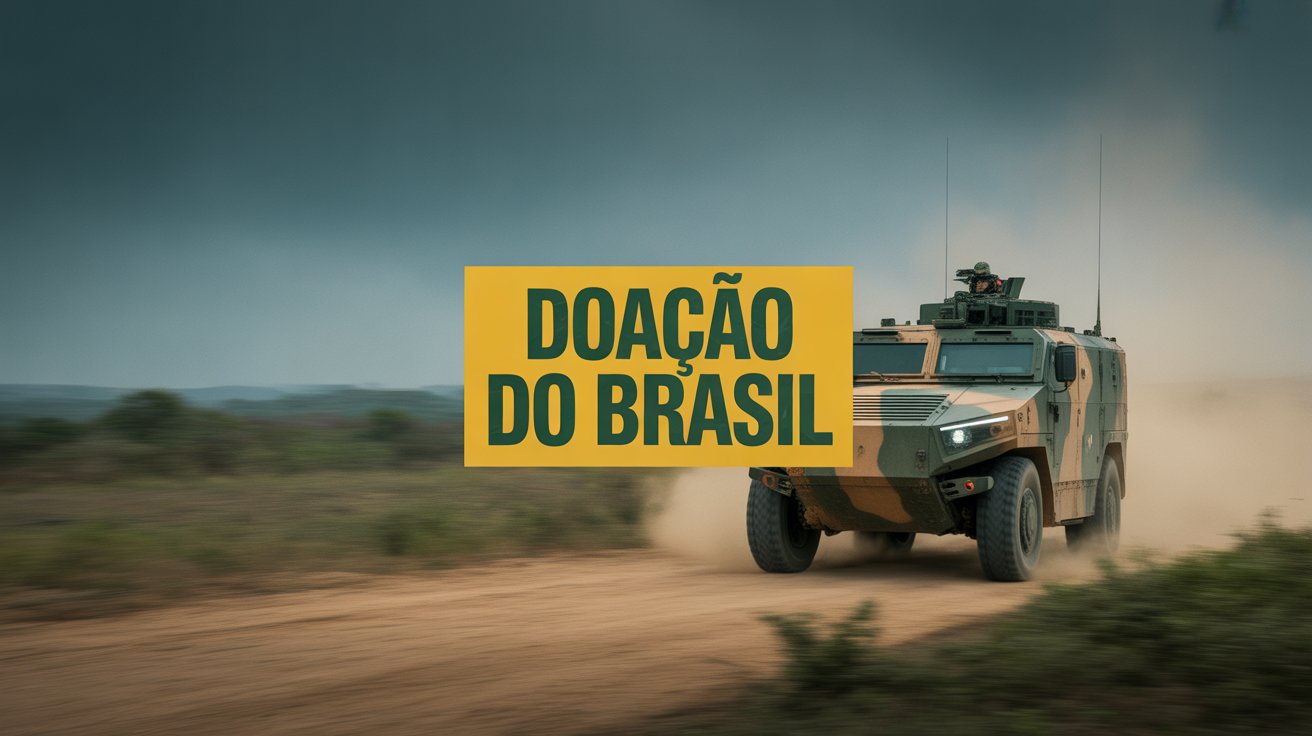

Brazil Delivered 20 Armored Urutu Vehicles to Paraguay, Almost Doubling the Fleet of the Neighboring Country. The Donation, Linked to a Modernization and Training Program, Strengthens Military Cooperation and Security in the Triple Border.
Brazil donated 20 EE-11 Urutu armored vehicles to the Paraguayan Army and linked the delivery to a training and operational standardization package.
The shipment nearly doubles the fleet of the neighboring country and is part of a modernization program funded by Asunción. The focus is on troop transport, patrolling, and combating cross-border crime.
Modernization of Armored Vehicles
The donated Urutus will undergo modernization before entering service in Paraguay.
-
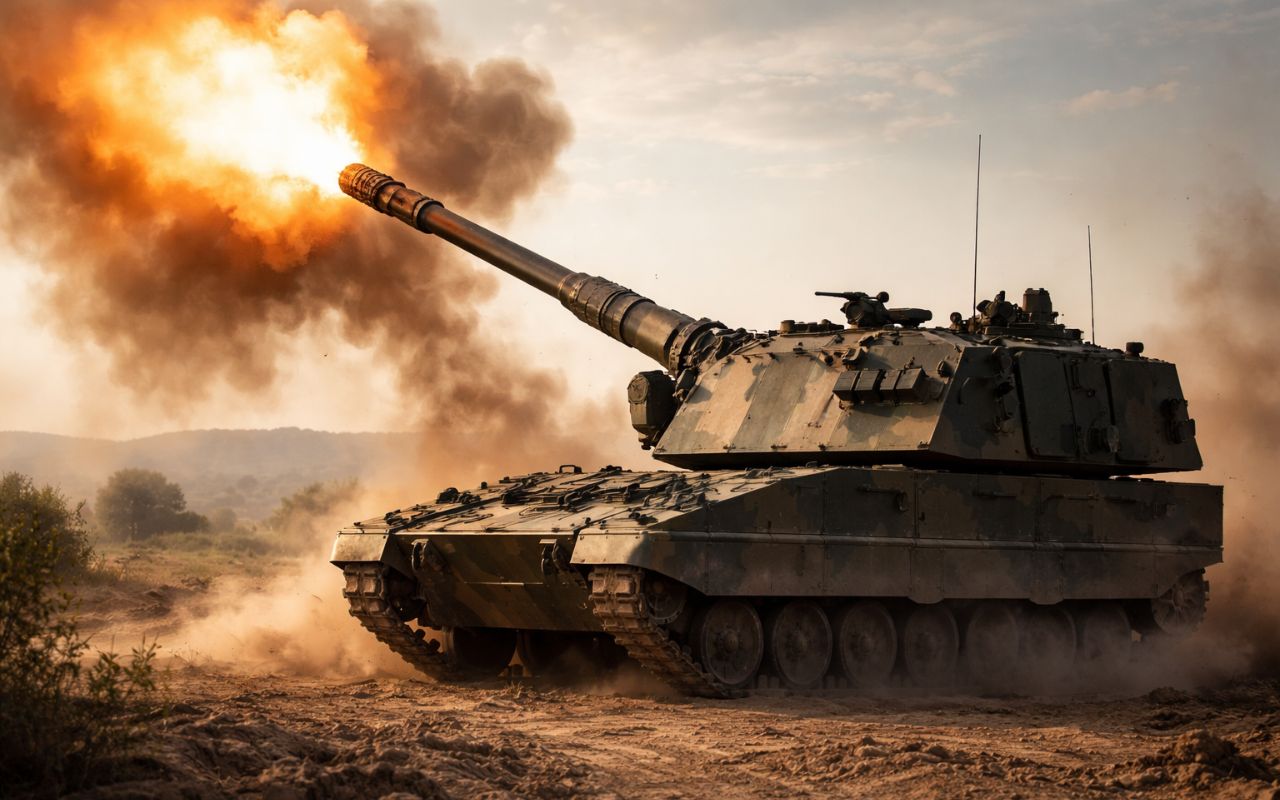
The German “steel monster” weighing 55 tons fires up to 10 projectiles per minute at over 40 km and avoids counterattacks on the battlefield by moving quickly to escape enemy attacks; meet the Panzerhaubitze 2000.
-
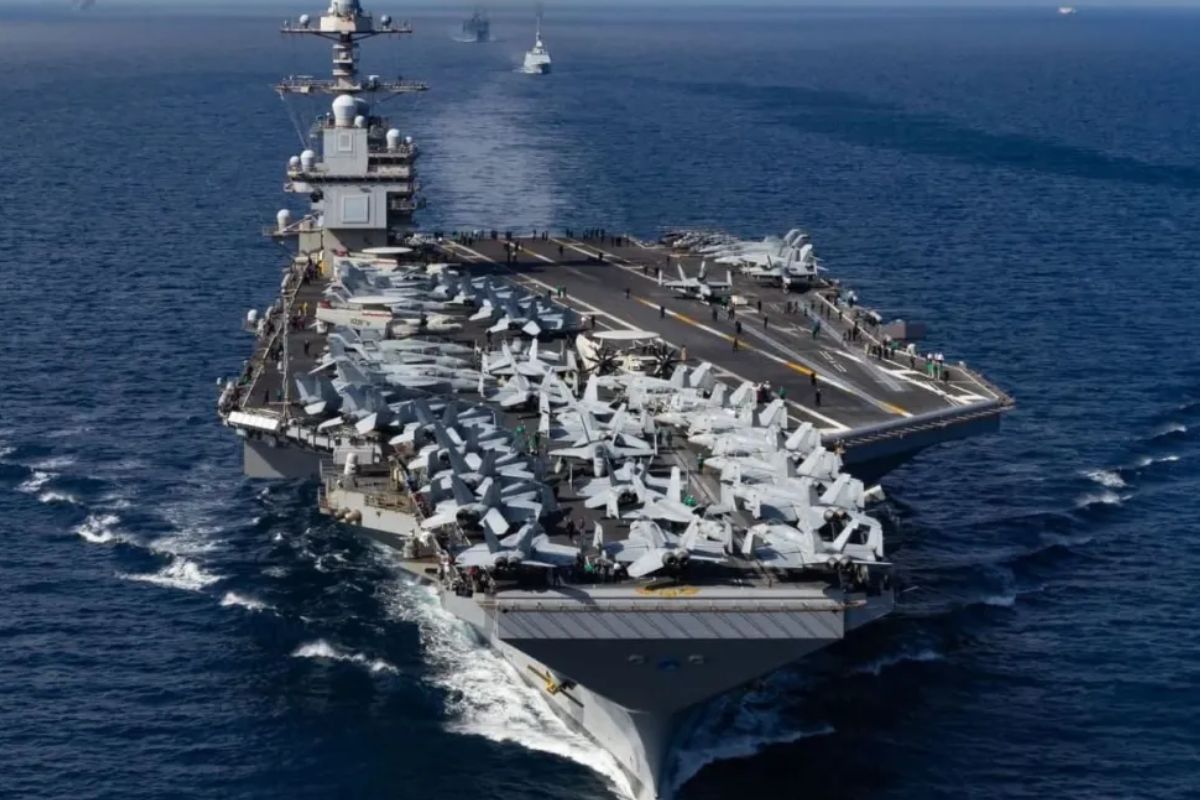
USS Gerald R. Ford, the largest aircraft carrier in the world, returns to sea after a fire in the laundry in the Red Sea; repaired in Crete, it resumes missions of Operation Epic Fury against Iran.
-
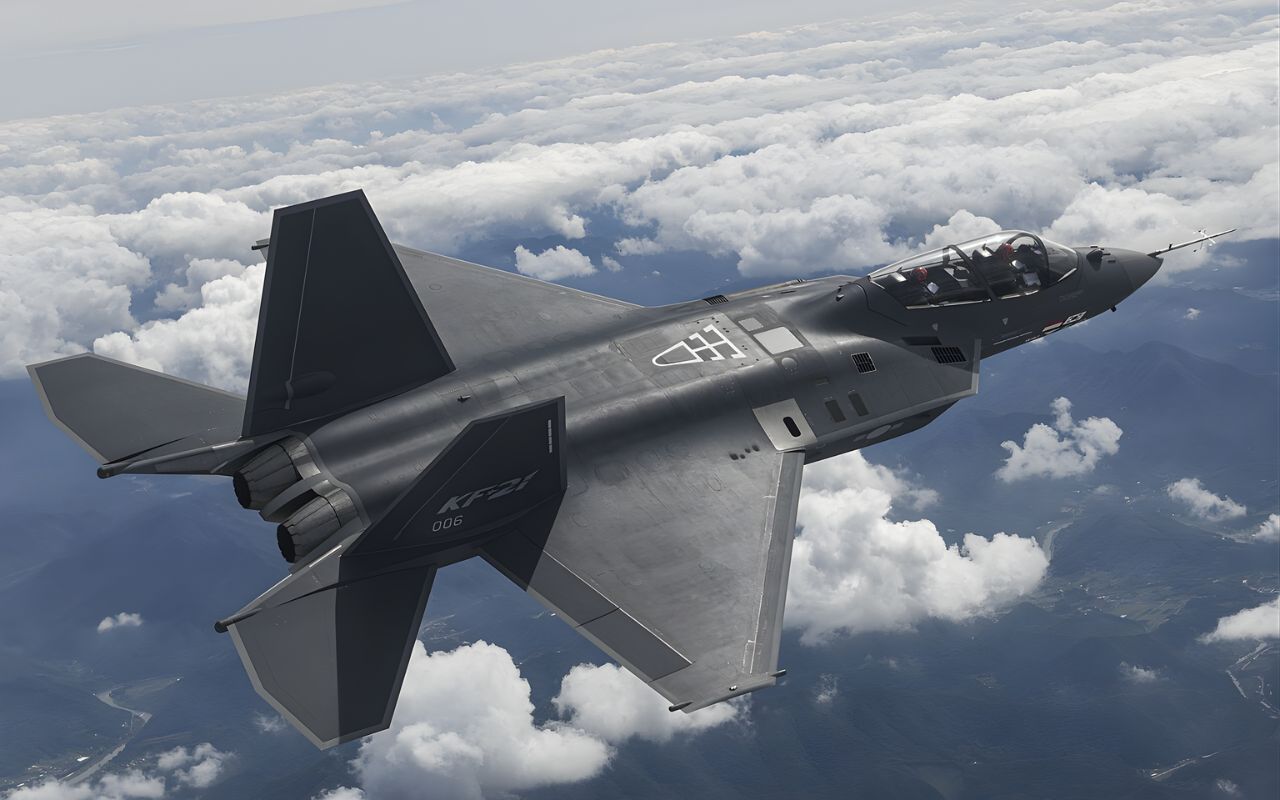
Military power: South Korea’s new KF-21 fighter jet will be a key component in replacing the aging aircraft of the air force, placing the country on the map of air military powers.
-
With 310 meters, 80 thousand tons, and capable of operating for 45 years, the new nuclear aircraft carrier France Libre will be the largest in France and will enter service in 2038.

Among the planned improvements are additional armor, reconditioned transmissions, night vision, and reinforced suspension, features that enhance protection and reliability.
With these upgrades, the vehicles can operate in urban and rural areas, including flooded environments due to the model’s amphibious capability.
Paraguay is currently undergoing its largest military renewal cycle since 2012, combining the arrival of the Urutus with the incorporation of tactical vehicles of U.S. origin.
The goal is to create a diverse fleet suitable for different scenarios, without the immediate need to acquire new platforms.
Reasons for the Brazilian Donation
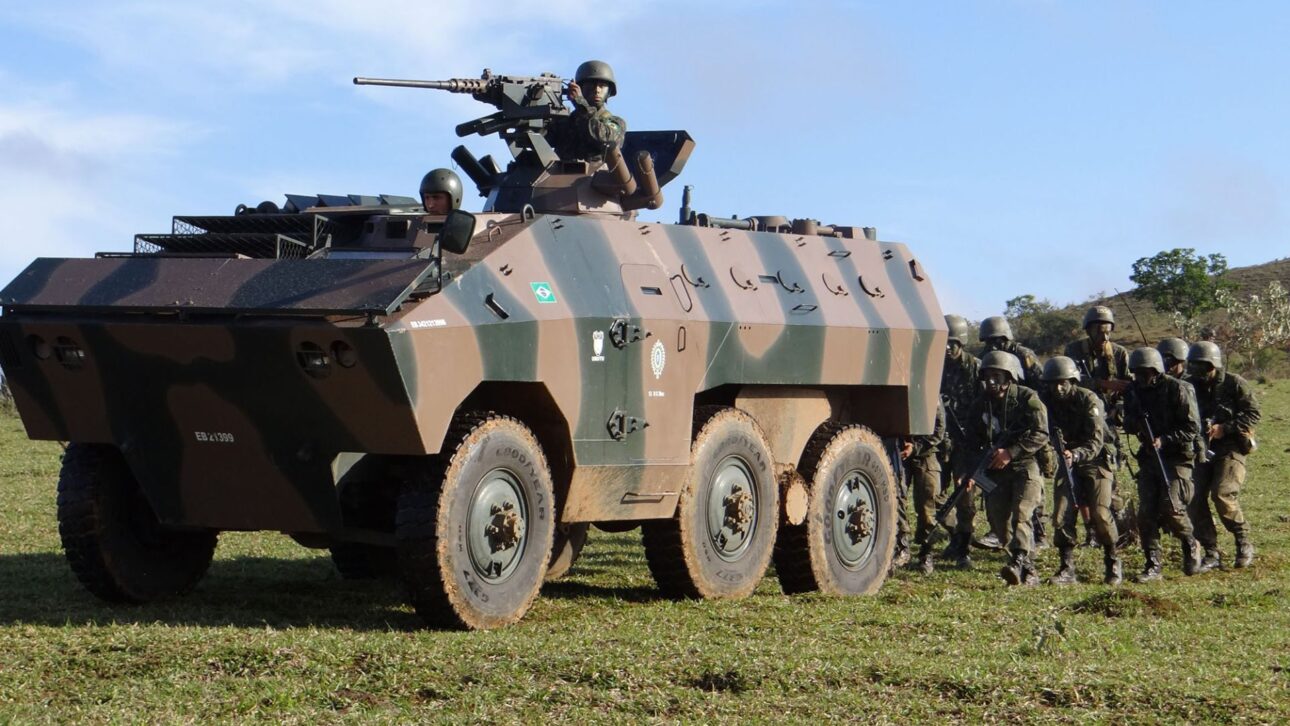
The Brazilian decision is strategic. On one hand, it aligns employment doctrines by sharing training, tactics, and maintenance.
On the other, it strengthens defense cooperation in South America with a low-cost measure for Brazil and a high impact on Paraguay’s operational capacity.
The action facilitates joint exercises, standardizes procedures, and creates a channel for interoperability between armies that share borders.
The donation occurs in the context of the gradual replacement of the Urutu in Brazil by the VBTP-MR Guarani, a more modern 6×6 vehicle with digital architecture and updated protection.
Thus, the country allocates still-usable platforms to partner forces, extending the usage cycle and optimizing resources.
Triple Border as Strategic Priority
The expansion of the Paraguayan armored fleet addresses the needs for patrolling and operations in the Triple Border, an area marked by smuggling, illicit trafficking, and transnational crimes.
The presence of amphibious vehicles with night vision sensors allows for nighttime movements and missions on precarious roads, rivers, and flooded banks.
History and Capabilities of the Urutu
Designed by the Brazilian Engesa in the 1970s, the EE-11 Urutu became known for its robustness, ease of maintenance, and adaptability to different environments.
The model was the main VBTP of the Brazilian Army for decades and was even exported to other South American countries.
In its standard configuration, it transports up to 12 soldiers, operates with a 12.7 mm machine gun, and can cross watercourses.
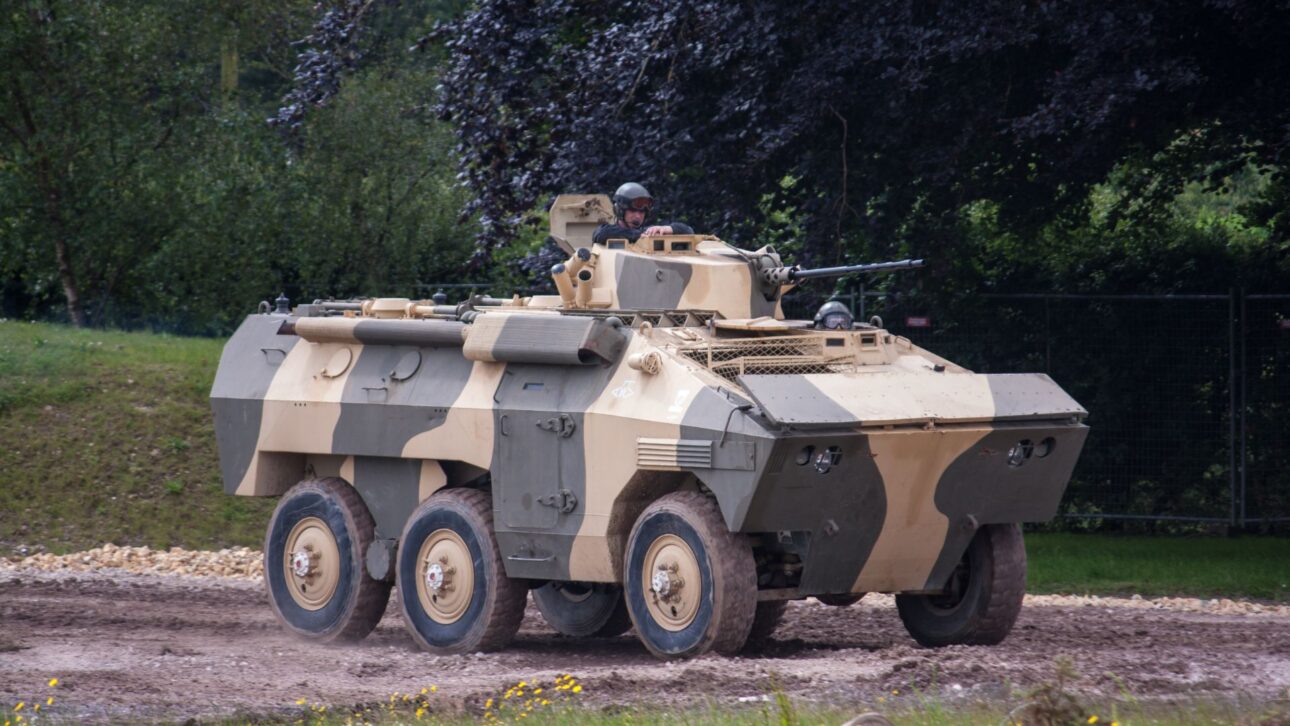
Although it does not offer the electronics and protection of more recent vehicles, the Urutu remains present in forces that value its mechanical simplicity and operational cost.
In modernization programs, it receives protection kits, drivetrain upgrades, and integration of optical equipment.
Transfer of Doctrine and Training
The donation is not limited to sending vehicles. The commander of the Paraguayan Army, General Manuel Rodríguez, stated that the initiative is “a transfer of doctrine and tactical experience”.
The process includes crew training, logistics for spare parts, and maintenance support.
The goal is for Paraguayan units to operate the vehicles with the same safety procedures, driving techniques, and shooting standards applied in Brazil.
Military Cooperation and Regional Cost-Benefit
Regionally, cooperation strengthens Brazil’s image as a provider of affordable solutions and a partner in capacity development.
The practice of transferring replacement platforms, combined with training and support packages, meets the needs of neighboring countries and reduces acquisition costs.
For Paraguay, local modernization of the vehicles enables incorporation without compromising the budget with the purchase of new models.
Replacement of Urutus in Brazil
The Brazilian fleet is transitioning to the Guarani, which gradually replaces the Urutu in motorized and mechanized infantry units.
This change follows the trend of vehicles with superior ballistic and mine protection, integration of digital systems, and greater operational efficiency.
The redistribution of Urutu units to other countries or auxiliary forces helps reduce stocks and save on maintenance.

Future of Armored Vehicles in Paraguay
The 20 Urutus received will be modernized by the Paraguayan Ministry of Defense before effective use.
The expectation is to keep them in service for at least another decade, during which the troops will be able to consolidate doctrine and train personnel.
The combination of the donated armored vehicles with imported vehicles creates a more balanced fleet in terms of mobility, protection, and situation awareness.
Impact on Regional Security
The program enhances Paraguay’s response capability and facilitates coordination with the Brazilian Army.
Standardization, training, and logistic support reduce dependence on improvised solutions and increase readiness in joint operations.
The donation acts as a mechanism for regional cooperation, even though it is based on a vehicle developed over four decades ago.
With the Paraguayan fleet strengthened and operational integration expanding, how could this partnership influence joint military operations in the Triple Border in the coming years?








Reportagem **** e mentirosa! Diz, logo no título, que os blindados doados têm visão noturna e blindagem extra. Urutu nunca teve isso no Brasil! A própria reportagem, mas à frente, informa que será o governo paraguaio que fará a instalação desses recursos nos veículos recebidos. Este site está mais preocupado em “causar” do que informar. É a cara da mídia podre brasileira.