





 Portuguese
  English
  Spanish
  3 min of reading
  1 comment


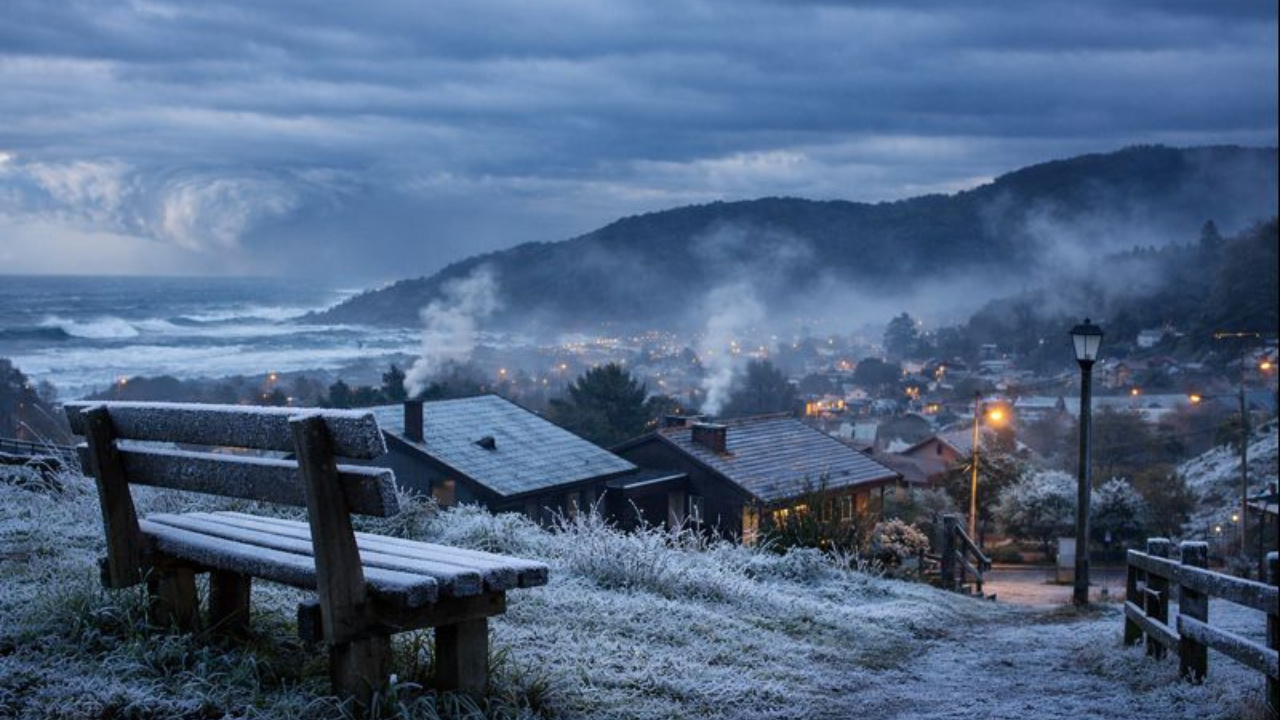


Unusual Phenomenon In January, The Cold Air Mass Changed The Climate In Southern Brazil After An Extratropical Cyclone.
A sudden change in the climate caused out-of-season cold in Southern Brazil right in the first week of January, surprising residents and tourists.
The phenomenon occurred after a period of intense heat during New Year’s Eve, when temperatures were typical of summer.
The turn happened in the first days of the month, especially from the 2nd onward, affecting Southern states quickly and atypically.
-
A promise made to their father led three men to unearth a forgotten house that had been swallowed by time for over 70 years, in a story of memory, abandonment, and reconstruction that seems straight out of a movie.

-
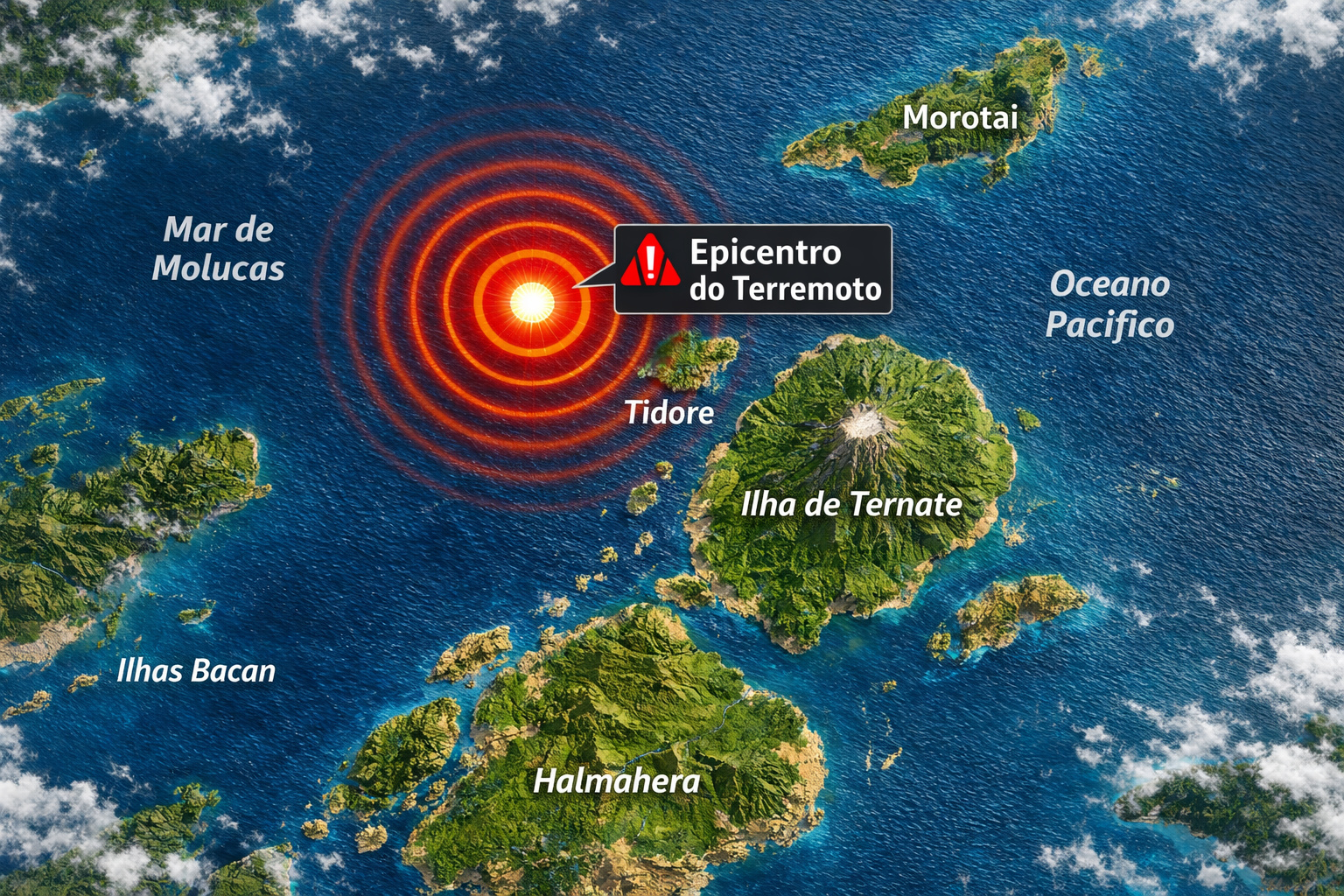
A strong earthquake in Indonesia affects houses and schools, causes panic, triggers a tsunami alert, and records a rise in sea level of up to 30 centimeters in some areas.

-
The Argentine government celebrates the lowest poverty rate in 7 years, but experts warn that the methodology has changed, real wages have fallen, unemployment has risen, and the number of people on the streets of Buenos Aires has increased by 57% since Milei took office.

-
7.8 magnitude earthquake in Indonesia frightens the population, triggers tsunami alert, and hits an island with over 200,000 inhabitants this Thursday.

The event was caused by the advance of an unusual cold air mass for January, formed in Patagonia, which gained strength with the action of an extratropical cyclone in the South Atlantic.
Although the system did not advance directly over Brazilian territory, its influence was decisive in pushing the cold air toward Argentina and the climate in Southern Brazil, according to a bulletin from MetSul.
Sudden Change In The Climate After Intense Heat During New Year’s Eve
The contrast drew attention because it occurred in a very short period of time.
During New Year’s Eve, cities in the South recorded high temperatures, typical of summer, with an even higher heat index in urban areas. However, just a few days later, thermometers plummeted.
This sudden change in climate highlights the atmospheric instability common in summer, but at an intensity outside the historical pattern for January.
Experts point out that out-of-season cold episodes are rare during this period, especially when associated with cold air masses of polar origin.
Cold Air Mass Advanced From Patagonia
The cold air mass responsible for the cooling began to form in the region of Patagonia, at the southern tip of South America.
From there, the system quickly advanced through the Southern Cone, driven by the atmospheric circulation associated with the cyclone over the ocean.
According to MetSul, this is an uncommon event for January, when warm and humid air currents typically prevail over Brazil.
Nevertheless, the atmospheric dynamics allowed the cold air to advance intensely, reaching the southern part of the country in just a few days.
Role Of The Extratropical Cyclone In The Cooling
The extratropical cyclone played a decisive role in this scenario, even without touching Brazilian territory. Positioned in the South Atlantic, the system intensified winds and created an atmospheric corridor favorable to the movement of cold air.
This type of cyclone forms outside the tropical region and usually acts as a major organizer of the climate, influencing cold fronts and air masses.
In this case, it functioned as a “push” for the polar mass, directly contributing to the out-of-season cold observed in the South.
Direct Impacts On The Climate In Southern Brazil
The impact on the climate in Southern Brazil was immediate.
Cities recorded cold mornings, with temperatures below what is expected for January, as well as days with mild temperatures and a fall-like feel. In mountainous areas, the cold was even more noticeable.
In addition to thermal discomfort, the abrupt temperature drop affected outdoor activities, tourism, and even the routine of residents, who had to resort to warmer clothing in the middle of summer.
Event Highlights More Frequent Climatic Extremes
Although the episode is considered rare, meteorologists warn that climatic extremes have become more frequent.
The alternation between intense heat and cold air masses in a short span of time is a sign of greater atmospheric variability.
On the other hand, experts emphasize that an isolated event cannot be interpreted as a definitive change in the climate pattern.
Still, the out-of-season cold in January reinforces the need for attention to forecasts and meteorological alerts.
Forecast Indicates Gradual Return Of Heat
After the passage of the cold air mass, the trend is for a gradual rise in temperatures. However, the episode should remain as one of the most notable records of this beginning of the year in the South.
Meanwhile, the phenomenon serves as a warning about how quickly the climate can change.
Therefore, keeping track of weather bulletins becomes essential, especially during periods of sudden climate change like the one observed now.









Seems like the powers that be still enjoy Changing this planets Weather, abruptly, to serve some purpose the rest of us are not privaledged to be warned about. From THIS to Bill Gates sending crap up to block the Sun orchestra for us to breathe….WTF IS WRONG WITH THESE PEOPLE. Stop, already. You’re Never going to Be God. Who TF are You to think You are allowed to do this stuff? Coward.