





 Portuguese
  English
  Spanish
  5 min of reading
  0 comments


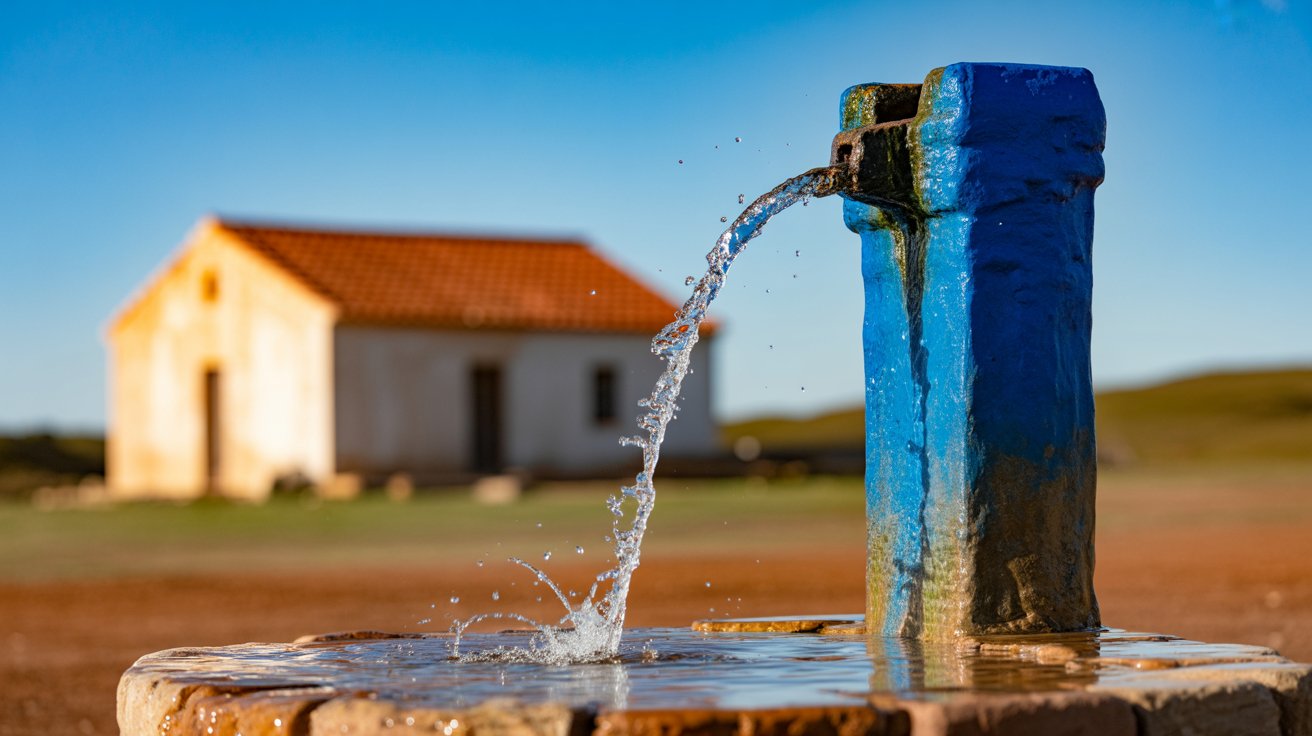
In Brazil, drilling and using a well without authorization from the government is prohibited since the Federal Constitution of 1988, which established underground water as a public domain asset. Unauthorized extraction can result in fines and lawsuits, even on private property.
Since 1988, the Federal Constitution has determined that all underground water belongs to the public domain, even if located on private land. Prior to that, owners had full rights over the water resources found on their properties.
Beginning in 1997, the Law No. 9,433, known as the Water Law, made prior authorization, known as outorga, mandatory for any significant extraction of underground water, aiming to control use and protect aquifers.
In some states, such as São Paulo, there are limits for exemption from outorga, valid for small extractions of up to 15 thousand liters daily in wells and 25 thousand liters in rivers, provided that registration is made in the state system.
-
A woman went out for a regular walk and ended up finding a treasure buried for over 900 years, with more than 2,000 medieval silver coins compared by archaeologists to a lottery prize and considered one of the most significant finds in recent years in the country.

-
Scientists revealed 11 signs that very intelligent people exhibit in their daily lives, and most people have no idea that some of these common behaviors are directly linked to an above-average brain.

-
From space, Buenos Aires appears as a colossal spot of light surrounded by kilometers of darkness, revealing at a single glance the exact boundary between the metropolis and the countryside, seen from 400 km altitude.

-
NASA spent over 118 million reais to build a single bathroom that works in zero gravity, and it has just gone to space on the first crewed mission to the Moon in more than 50 years.


Exemptions and Specific Situations Foreseen by Law
Legislation provides exemptions for uses considered technical or emergency, such as wells for measuring water levels, cleaning contaminated areas, or lowering the water table without using the water. Exceptions are also foreseen in cases of floods or river dredging.
Even with exemption, the owner needs to register the well with the competent state agency, such as the Department of Water and Electric Energy (DAEE) in São Paulo, for control and oversight.
In states like Rio Grande do Sul, the Resolution CRH No. 402/2022 allows for the provisional regularization of old wells until 2025, provided that the responsible parties register and present technical studies.
Why Regulation Is Considered Essential
The stated goal of legislation is to prevent the over-exploitation of aquifers, ensure water quality, and preserve reserves for future generations. Artesian wells rely on the natural recharge from rain and soil, being finite sources and susceptible to contamination.
Wells that are too close together can reduce flow among themselves and compromise resource availability, creating conflicts among users and environmental impacts.
Additionally, underground water contaminated by industrial waste, septic tanks, or pesticides can contain heavy metals and harmful bacteria, posing risks to public health and requiring continuous monitoring.
Why 88% of Brazilian Wells Are Irregular
Despite technical reasons, regularizing an artesian well in Brazil is an expensive and bureaucratic process. Costs can reach tens of thousands of reais, including drilling permits, hydrogeological reports, quality analyses, mandatory installation of a water meter, and periodic renewal of the outorga.
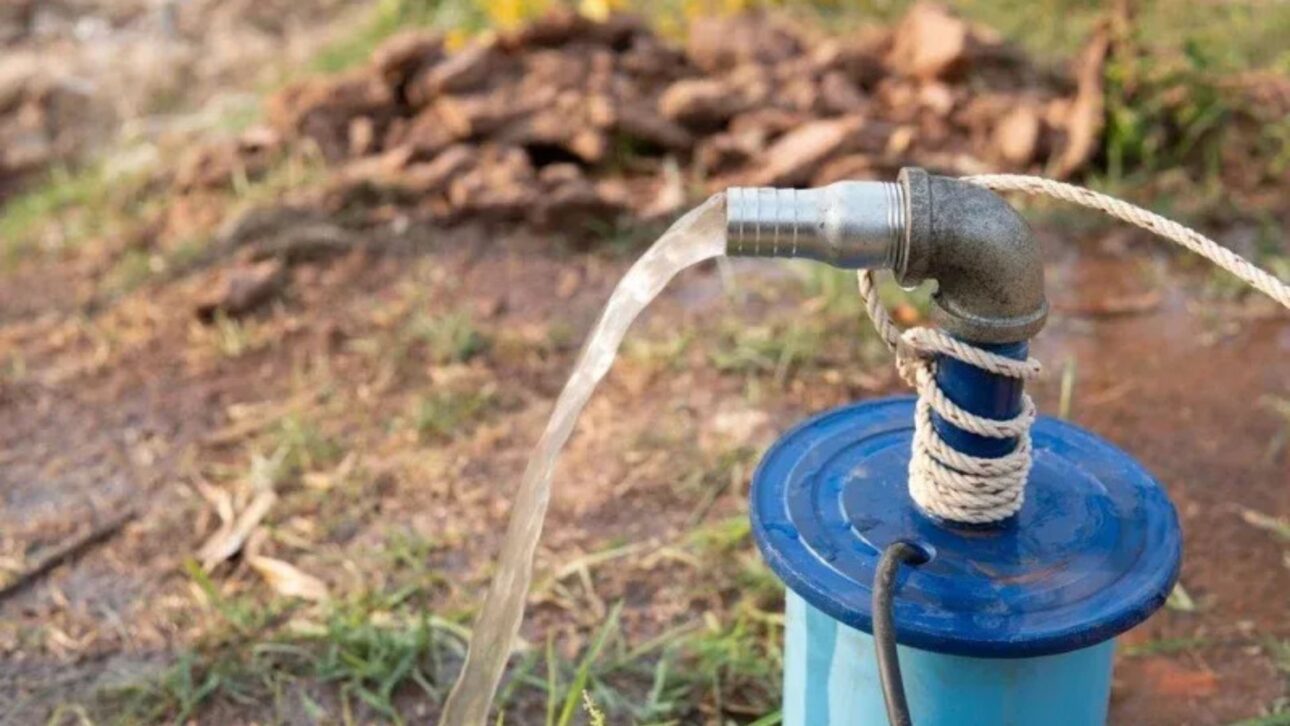
Studies indicate that about 9 out of 10 wells in the country operate without formal authorization, not out of bad faith, but due to the difficulty of following all the steps and costs of the process.
Even simple uses, such as irrigating public gardens or flushing toilets in parks, require state authorization, as municipalities do not have the authority to grant permits.
Conflicts Between Municipal and State Laws
In 2025, in Santa Maria (RS), a municipal law authorized the use of regularized artesian wells for human consumption in homes and condominiums, as an alternative to the public network.
The company Corsan contested the norm, arguing that water resources are under state and federal jurisdiction. Based on the Water Law and resolutions from the Water Resources Council, the concessionaire advocated for the closure of the wells, generating a dispute between the municipality and the state.
The situation exemplifies how residents are left in a legal limbo, unsure whether they can legally use their wells, even after following local rules.
Judicial Decisions Reinforce Priority of the Public Network
In 2018, the Court of Justice of Rio Grande do Sul prohibited a regularized condominium from using an artesian well for human consumption, even with a requested outorga.
The judges stated that where there is a public supply network, the priority is for the concessionaire, aiming to ensure sanitary control and environmental preservation.
According to the ruling, the protection of an ecologically balanced environment must prevail over individual interests, reinforcing the primacy of collective supply.
Costs and Additional Obligations for Those with Regular Wells
Even with outorga, owners are required to perform frequent analyses of water quality and renew licenses every five years, according to technical standards like those of the ABNT.
Those who use wells and are not connected to the network may still be required to pay sewer fees, as all captured water must be returned to the available collection system.
This set of obligations makes it so that, in many cases, maintaining a well is more expensive than using water from the public network, discouraging regularization.
Impacts in Urban and Rural Areas
In urban areas, the legal priority is the use of the public network, while wells are reserved for specific activities, such as industrial or rural uses.
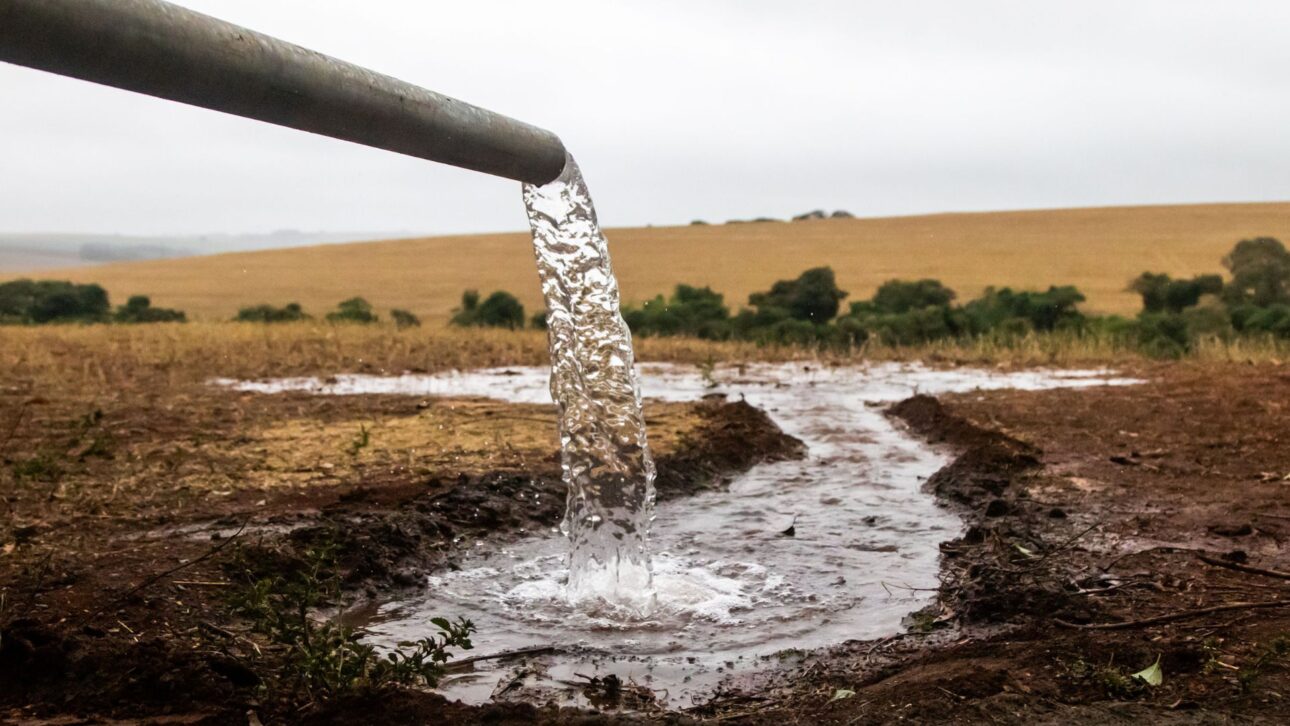
In rural areas, where access to the network is limited, the artesian well continues to be the main source of supply for families and agricultural properties, even though the legalization process remains complex and costly.
In drought situations, management agencies like the DRH can suspend non-essential extractions, such as car washing or sidewalk cleaning, prioritizing food industry and health services.
Bureaucracy as a Factor for Widespread Irregularity
With high costs and extensive technical requirements, regularization has become unfeasible for a large part of Brazilians, who depend on the resource out of necessity and not by choice.

According to sector data, more than 400 thousand households in Rio Grande do Sul use irregular wells, many in areas without public supply alternatives.
This scenario illustrates the challenge of balancing environmental preservation with democratic access to water, especially in low-income communities and isolated regions.
The information was gathered based on public data from state legislation, such as resolutions from DAEE and CRH-RS, as well as reports, institutional communications, and content from the Elementar channel on water resource management in the country.
And what do you think about underground water being considered public and prohibited for use without authorization, even when it’s beneath your own land?






Seja o primeiro a reagir!