





 Portuguese
  English
  Spanish
  5 min of reading
  12 comments


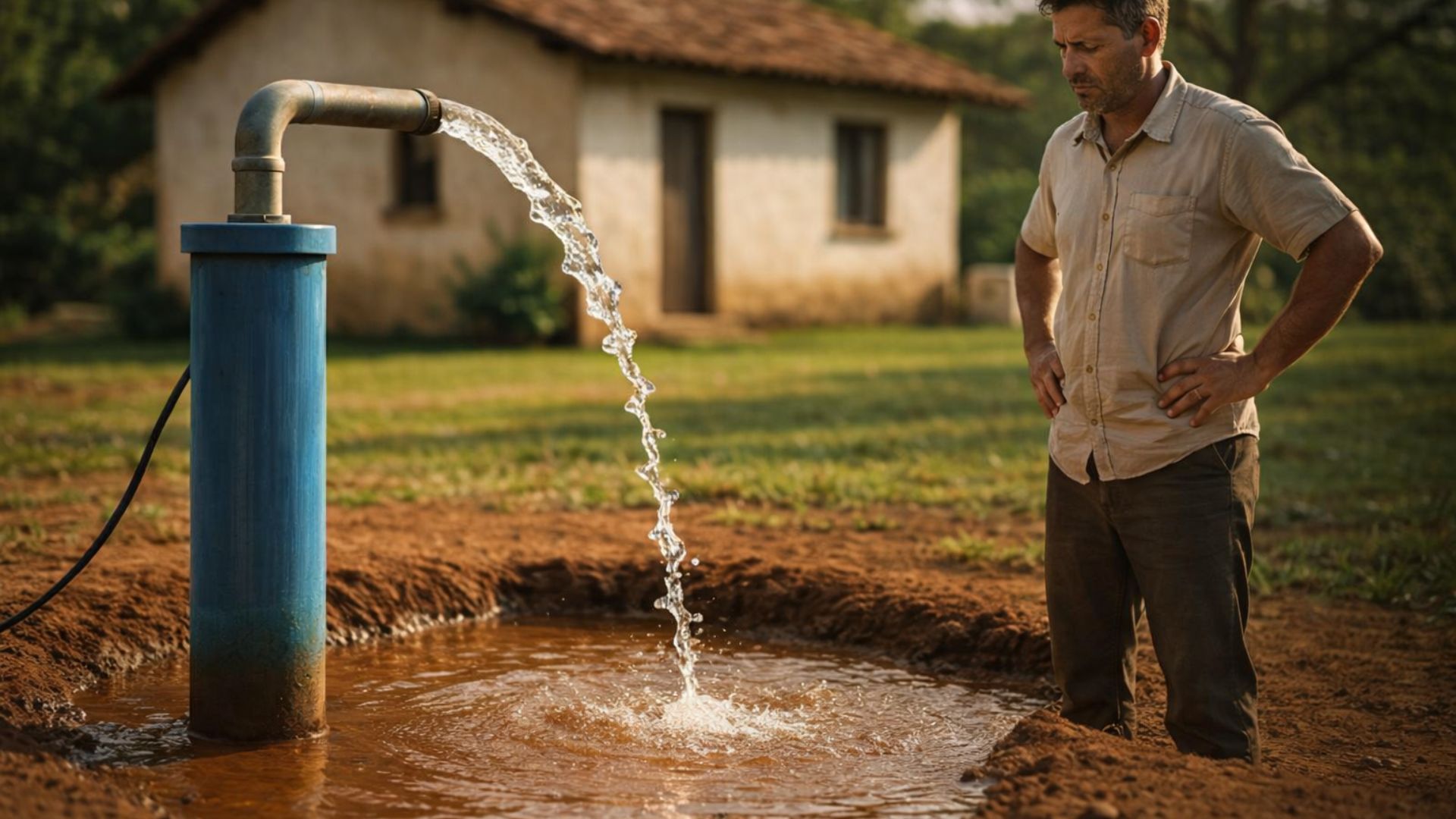


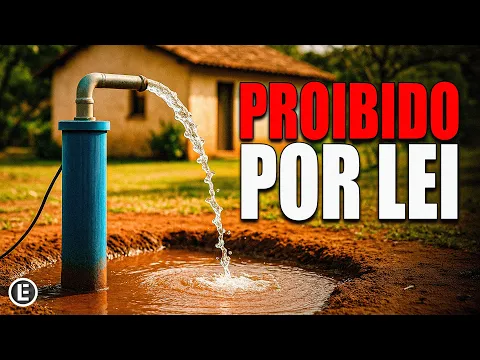
Rules About The Use Of Groundwater Have Turned Artesian Wells Into A Topic Of Debate In Brazil, Where Water Extraction Depends On Technical Authorization Even On Private Properties. High Costs, Administrative Requirements, And Conflicts With Supply Systems Help To Explain Why A Large Part Of The Drilling Operates Outside Official Control.
Drilling And Using An “Artesian” Well On Private Property Is Not, In Practice, An Automatically Permitted Activity In Brazil.
The Extraction Of Groundwater Usually Depends On Registration And, In Most Cases, Authorization From Agencies Responsible For Water Management.
This Type Of Control Exists Because Groundwater Is Treated As A Collective And Limited Resource, The Exploitation Of Which Needs To Be Monitored To Avoid Environmental Impacts And Conflicts Among Users.
-
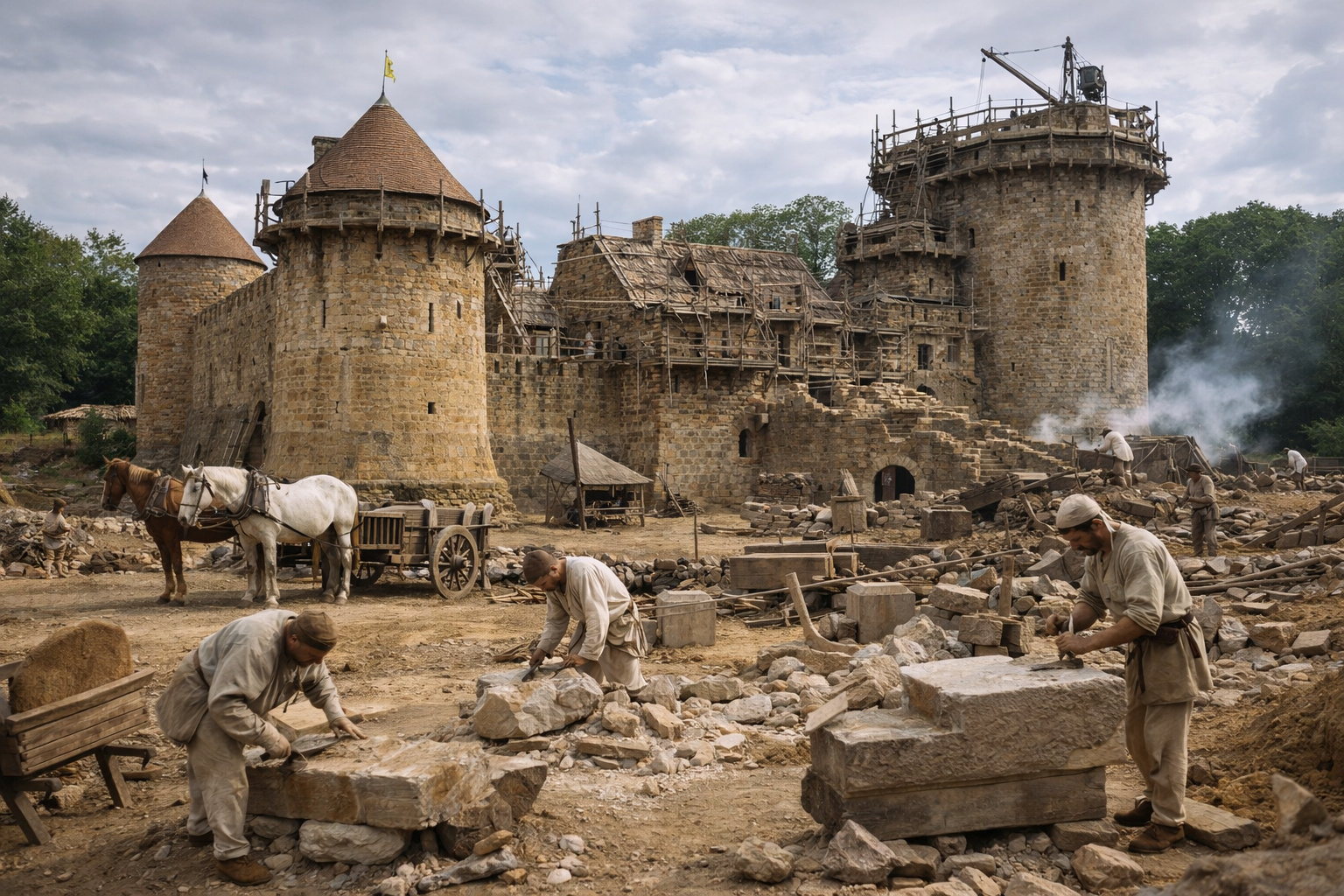
In France, a group of artisans spends 28 years building a medieval castle with 13th-century tools, without machines, without measuring tapes, and with almost zero carbon footprint, and the rediscovered techniques helped in the reconstruction of Notre-Dame.
-
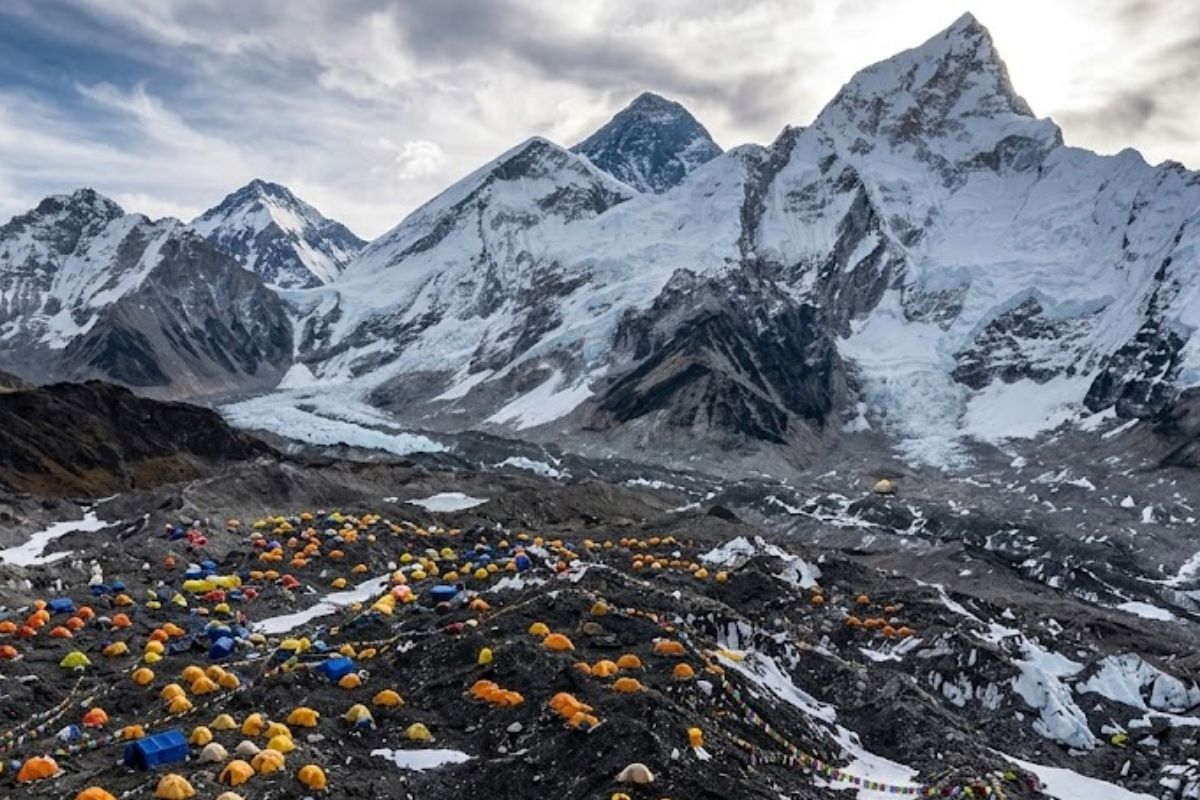
Tourists on Everest were poisoned by guides who mixed substances in food to provoke false symptoms of altitude sickness while helicopter operators and hospitals charged inflated rescue fees to insurance companies.
-
Few people know this, but Neil Armstrong, one of the most famous NASA astronauts in history, survived the Korean War after jumping from the plane during his seventh combat mission aboard the USS Essex aircraft carrier of the United States.

-
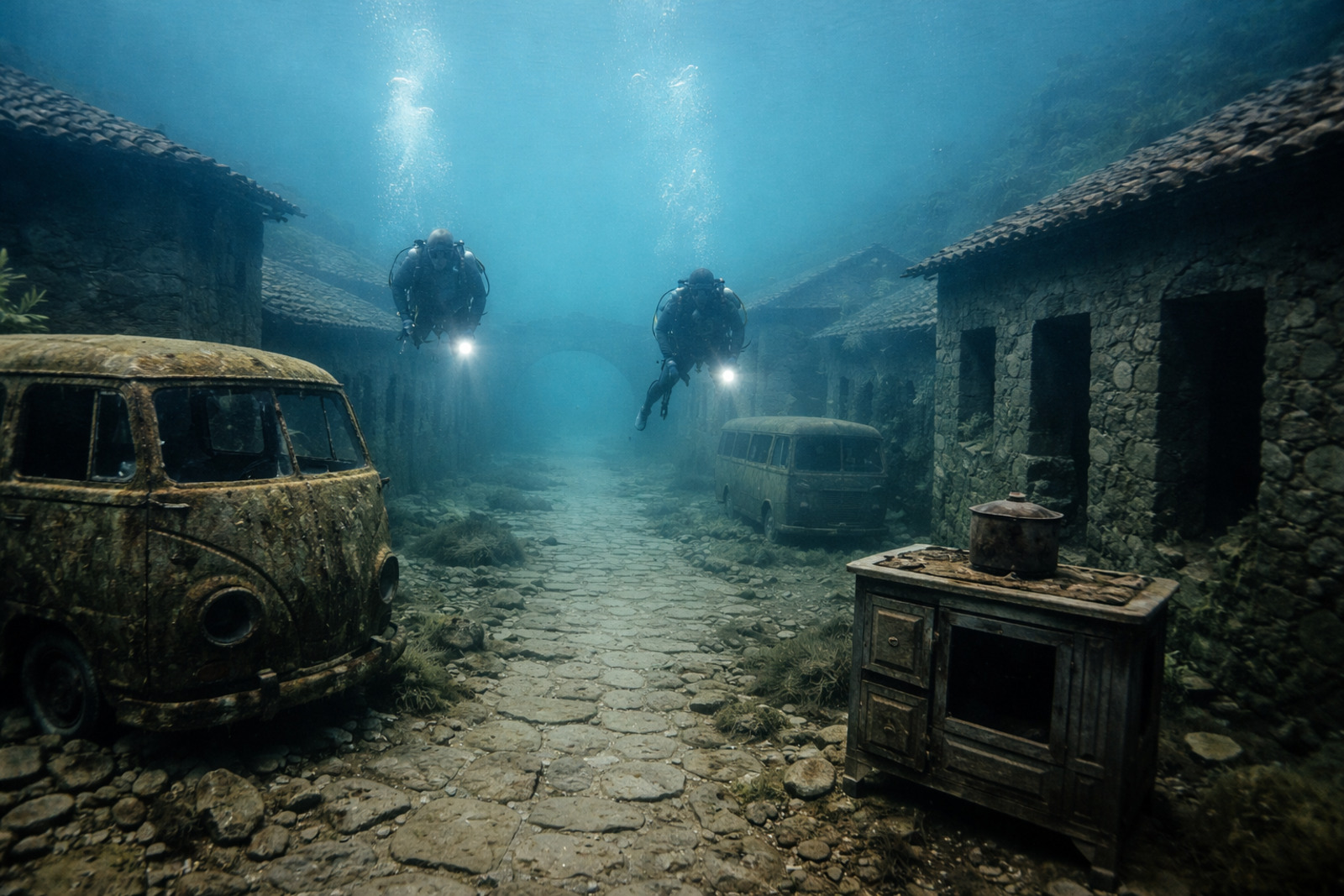
Diving with a camera in Lake Furnas reveals a submerged city with an entire street, almost intact houses, a preserved bridge, a wood stove, a Kombi, and even a bus at the bottom of the largest lake in the Southeast.

Nevertheless, Reality Shows A Significant Contrast Between The Rule And Daily Life.
Studies And Academic Analyses Indicate That A Significant Portion Of The Existing Tubular Wells In The Country Do Not Appear In Official Records, With Estimates Of Irregularity Close To 88% Of The Operations In Function.
How Groundwater Came To Be Treated As A Collective Resource

Over The Past Few Decades, Brazilian Water Management Has Come To Consider Groundwater As Part Of An Environmental Heritage That Needs Public Control.
This Change Occurred Because Aquifers Can Supply Entire Cities And Also Support Agricultural, Industrial, And Urban Activities.
In Practice, This Means That The Presence Of Water Below A Plot Of Land Does Not Guarantee Total Freedom Of Exploitation.
Excessive Withdrawal Can Reduce Availability For Other Areas, Interfere With Neighboring Wells, And Even Alter The Natural Balance Of The Aquifer.
For This Reason, Drilling And Using Wells Typically Require Technical Analysis And Prior Authorization From The Authorities Responsible For Resource Management.
These Processes Allow For Setting Extraction Limits, Monitoring Conditions, And Environmental Safety Rules.
When Is Extraction Considered Small?
Not All Uses Of Groundwater Require The Same Level Of Control. In Some Situations, The Daily Withdrawal Is Considered Small Enough To Dispens Formal Authorization.
Even So, It Is Usually Still Necessary To Register The Well Or Report The Extraction In Control Systems Managed By The States.
This Registration Allows Authorities To Monitor How Many Wells Exist In A Given Region And Assess The Impact On The Aquifers.
The Criteria For Classifying Use As Small Varies Depending On The State, The Type Of Aquifer, And The Purpose Of The Water Extracted.
Among The Most Common Uses Are Domestic Water Supply, Agricultural Irrigation, And Industrial Activities.
In Some States, Regularization Programs Also Allow For Registering Old Wells That Were Already Operating Before The Current Rules Were Established.
Why Regularizing A Well Can Be Expensive
The Regularization Process Can Become Expensive Because It Involves Several Technical And Administrative Steps.
Among Them Are Project Development, Hiring Specialized Professionals, Geological Assessment Of The Area, And Documentation That Proves The Drilling Characteristics.
It Is Also Necessary To Demonstrate That The Well Was Constructed Following Standards Capable Of Preventing Contamination Of The Groundwater Aquifer.
In Addition To Technical Requirements, There May Be Administrative Fees For Analyzing The Request And Monitoring The Process.
Depending On The Situation, The Responsible Party May Also Need To Adapt Equipment Or Install Monitoring Systems For Extraction.

This Combination Of Costs Helps To Explain Why Many Users End Up Operating Outside The Formal Registration System.
The Difficulty Tends To Be Greater In Regions Where Residents Or Small Producers Do Not Have Easy Access To Specialized Technical Assistance.
Another Factor Cited By Researchers Is The Limited Oversight Given The Territorial Size Of The Country And The Large Number Of Existing Drills.
This Scenario Contributes To What Experts Describe As “The Invisibility Of Groundwater” In Official Statistics, Despite This Resource’s Fundamental Role In Supplying Millions Of Brazilians.
Conflicts Between Wells And Urban Supply Systems
In Urban Areas Served By Supply Networks, The Debate Tends To Intensify.
The Use Of Alternative Water Sources Can Generate Conflicts With Already Installed Public Distribution Systems In Cities.
Companies Responsible For Supply Argue That The Existence Of Multiple Water Sources Within The Same Property Can Generate Sanitary Risks And Control Difficulties.
Another Frequently Cited Point Is That The Urban Sewage System Is Still Used Even When The Property Does Not Consume Water From The Public Network.
For This Reason, In Some Cities, There Is Still A Charge Related To Sewage Treatment When Infrastructure Is Available.
This Type Of Situation Has Led To Debates And Administrative Disputes In Different Regions Of The Country.
Environmental And Sanitary Risks Associated With Wells
Experts Also Point Out That Drilling Wells Requires Technical Care To Avoid Environmental Problems.
Wells That Are Too Close To Each Other Can Interfere With One Another And Reduce The Flow Available In Certain Aquifers.
Drilling Done Without Proper Planning Can Create Pathways For Contamination Between Different Layers Of Soil.
This Process Can Allow Pollutants To Reach Subterranean Reserves That Were Previously Naturally Protected.
Another Point Of Attention Involves The Quality Of The Extracted Water, Which Can Vary According To The Geology And The Type Of Activity Present In The Surrounding Area.
Depending On The Region, Groundwater May Contain Nitrates, Coliforms, Or Other Contaminants Associated With Sewage, Fertilizers, Or Industrial Waste.
For This Reason, Technical Standards Recommend Periodic Monitoring And Laboratory Analyses Of The Extracted Water.
During Periods Of Prolonged Drought, Authorities May Also Establish Temporary Use Restrictions.
In Scenarios Of Water Scarcity, Non-essential Activities May Face Limitations To Prioritize Human Supply And Essential Services.

Local Disputes About The Use Of Wells In Urban Areas
The Topic Has Provoked Debates In Different Brazilian Cities.
Some Municipal Administrations Have Attempted To Relax Rules To Allow Residents To Use Water From Wells In Homes And Condominiums, Provided There Is Water Quality Control.
These Initiatives Often Face Resistance From Companies Responsible For Regional Supply.
Critics Of These Changes Argue That The Management Of Groundwater Involves Collective Interests And Needs To Consider Broader Environmental And Sanitary Impacts.
Discussions Of This Nature Show How The Use Of Artesian Wells Exceeds The Individual Sphere Of The Property Owner.
The Issue Involves Balancing Citizen Autonomy, Environmental Preservation, And The Organization Of Public Supply Systems.
This Scenario Helps To Explain Why Groundwater Has Become One Of The Most Complex Topics Within The Debate About Access To Water In Brazil.





**** de **** para prejudicar o Brasileiro de todas as formas eles o fazem, mas para prender corruptos e fazer com que devolvam tudo que roubam nada fazem. O estado é inimigo do povo brasileiro.
Brasil é o país em q, tudo q for possível pra tirar dinheiro da população, será feito
Engraçado q jogar esgoto nas praias e rios não causa impacto ambiental né 🤔. Bando de Hipócritas.
Mais impacto ao meio ambiente com tantas matas sendo derrubadas pelas as usinas de cana. Tá na hr dos deputados e senadores ver isso tbm