





 Portuguese
  English
  Spanish
  5 min of reading
  0 comments



Trump’s Intention to Acquire Greenland Sparked Global Debates and Intrigues. But What Are the Strategic and Political Reasons Behind This Unusual Idea?
Recently, President Donald Trump surprised the world again by reaffirming his intention to acquire Greenland. The elected President of the United States declared that this move would be “essential for national security and global freedom.”


Although the interest in the island is not new and dates back to his first term, the international reaction renews the tension surrounding the idea.
At that time, Danish Prime Minister Mette Frederiksen deemed the plan “absurd,” quickly ending the debate.
-
USA and China compete for Brazil over resources that could be worth trillions — rare earths put the country at the center of a global dispute

-
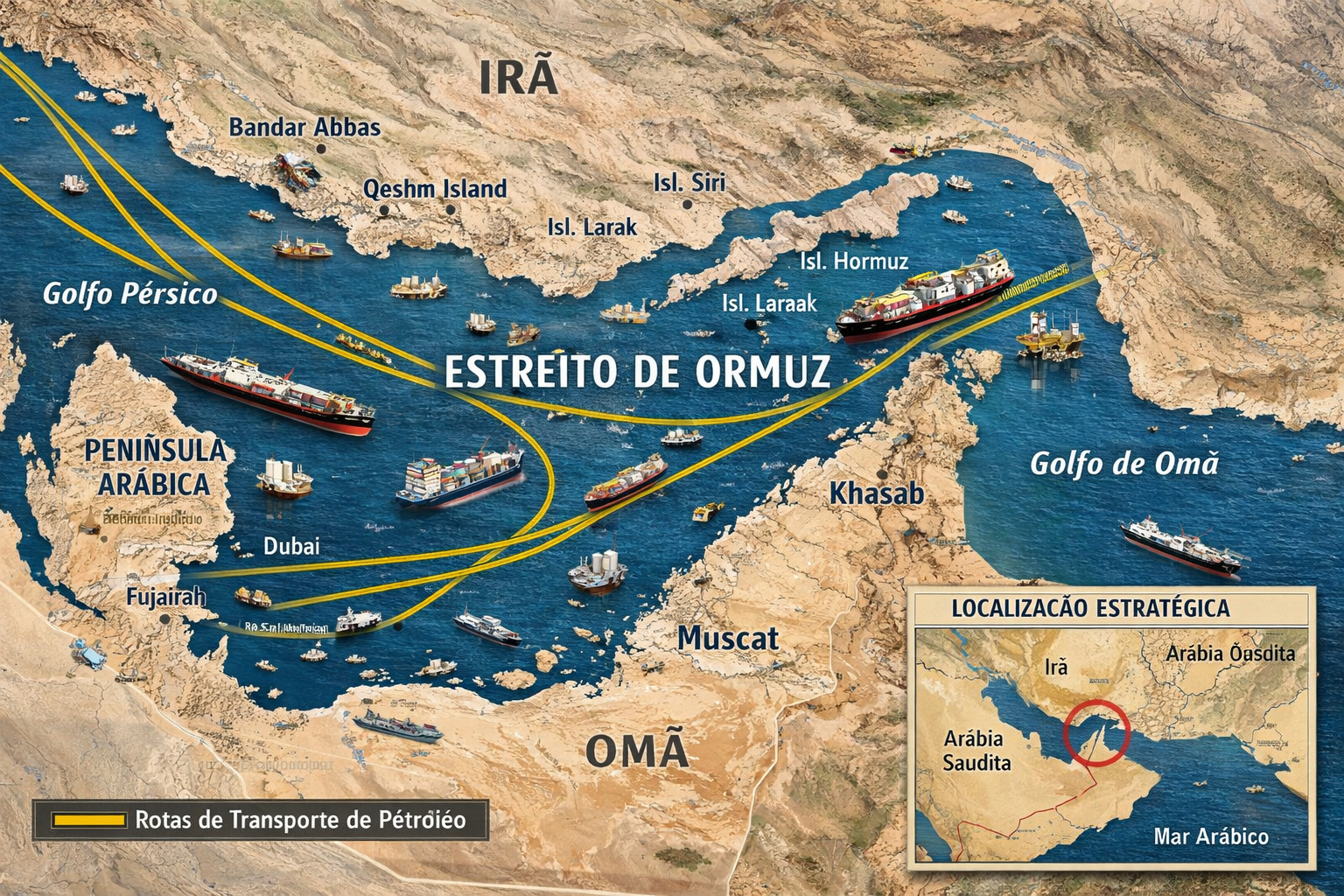
Global summit with over 40 countries pressures Iran for a blockade in the Strait of Hormuz and warns of direct impact on oil, food, and the global economy.
-
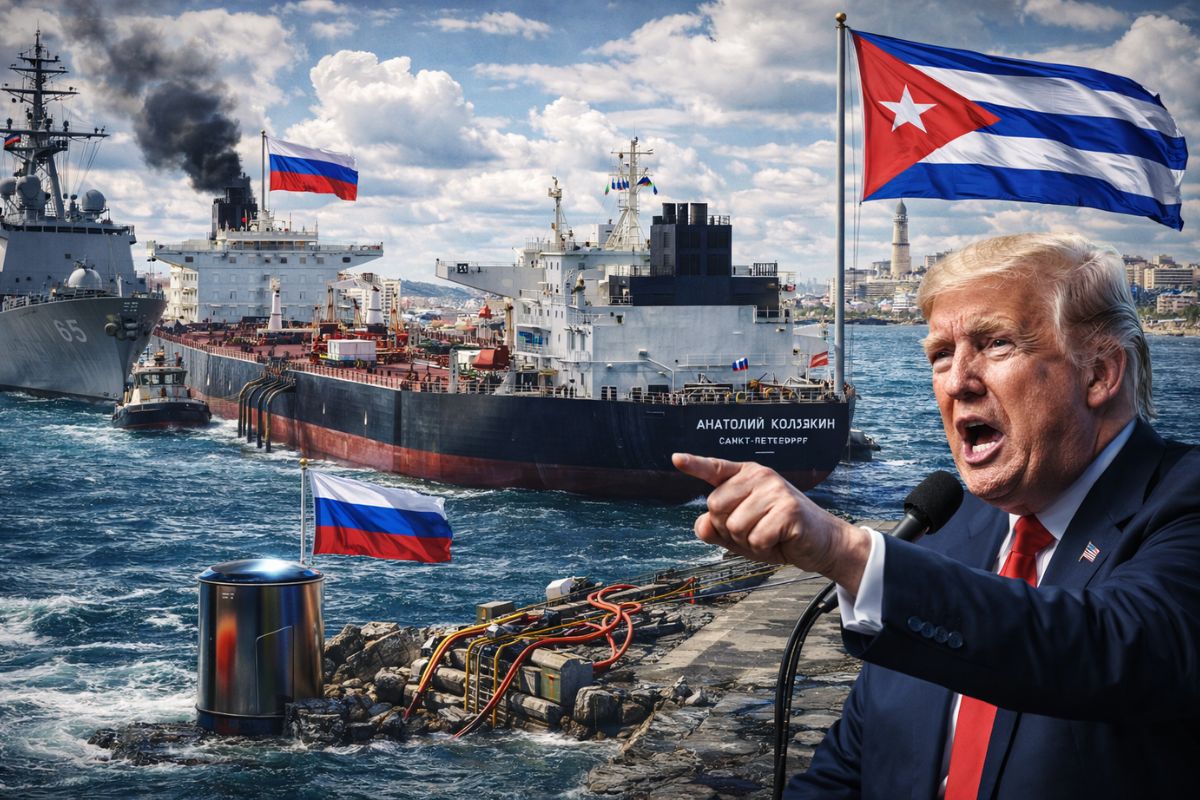
Russia has broken the U.S. maritime blockade to send oil to Cuba and is now loading a second ship while Trump says that “Cuba is next” in a possible military action against the island.
-
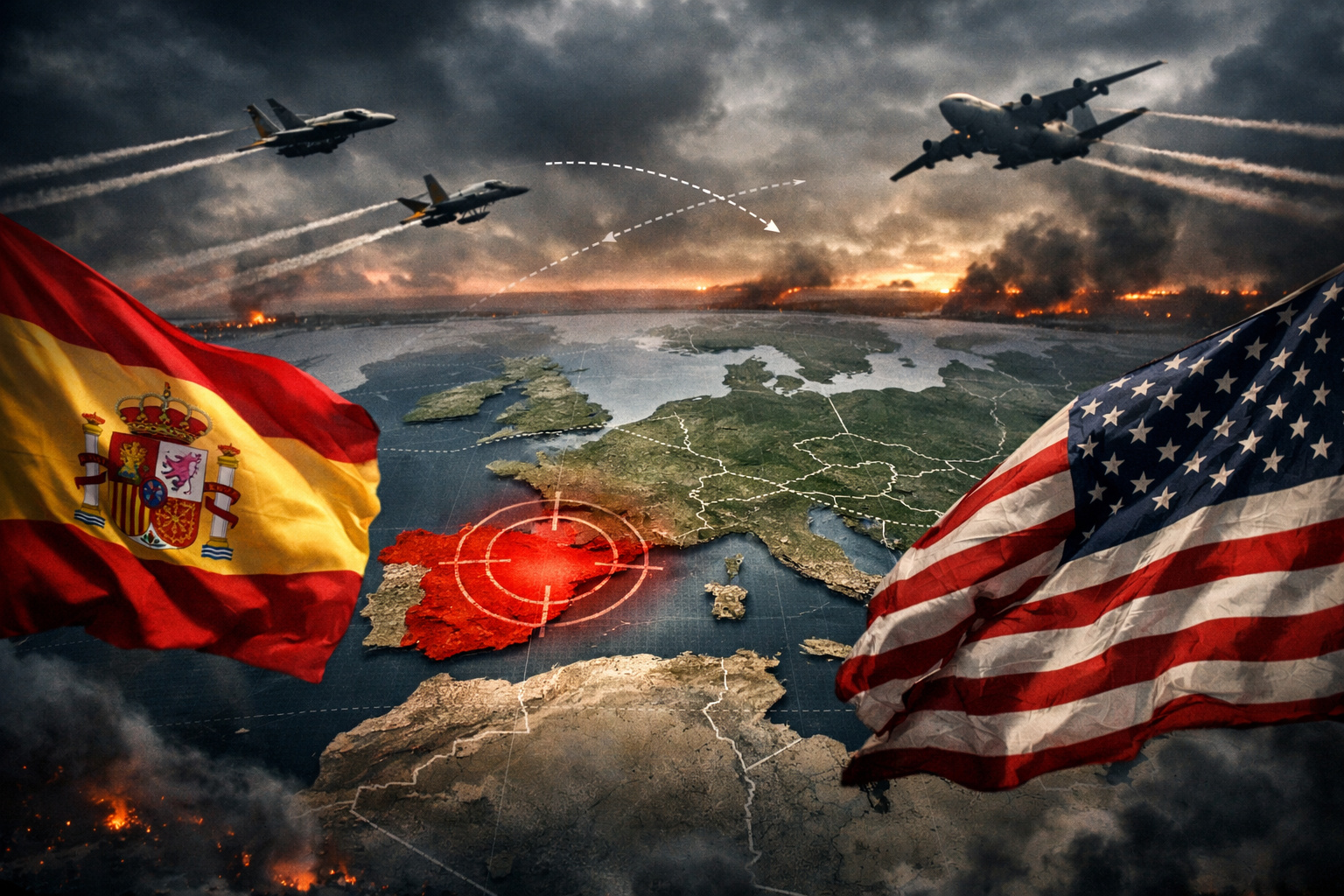
Spain challenges the USA and closes its airspace for operations against Iran, raising global tension and provoking the threat of a trade rupture.

Now, however, even before taking office again, Trump signals that he would use economic or even military influence to bring Greenland under U.S. control.
The island, geographically located in North America but politically linked to Denmark, reignites debates about sovereignty and global strategic interests.
European leaders reacted with concern, pointing to possible parallels with recent actions by Russia. German Chancellor Olaf Scholz, without directly mentioning Trump, emphasized: “The principle of inviolability of borders applies to all countries, from east to west.”
Moscow and the Reflection of the American Threat
While Trump’s proposal was generating outrage in Europe, Moscow seized the opportunity to justify its own actions in Ukraine.
Dmitry Peskov, spokesman for the Kremlin, suggested that the people of Greenland should be consulted, mentioning the referendums held in Ukrainian regions annexed by Russia — widely condemned as fraudulent by the international community.
Frederiksen’s reaction this time was more contained. “We need to cooperate very closely with the Americans. The U.S. is our closest ally,” said the Prime Minister, after a phone call with Trump.
The conciliatory stance reflects Denmark’s complex position, torn between preserving its sovereignty and maintaining strategic relations with the U.S.
A Divided People: Greenlandic Identity at Stake
In Greenland, the sentiment for independence is strong. Ulrik Pram Gad, an expert at the Danish Institute for International Studies, points out that Trump’s moves align with the Monroe Doctrine, which seeks to ward off external influences from America. “They want to ensure that no Chinese or Russian establishes a presence in Greenland,” explained Gad.
The historical ties between Denmark and Greenland are long-standing. A Danish colony until 1953, the island is now an autonomous territory with the right to independence through referendum since 2009.
However, the dependence on Danish funds and the small population — about 57,000 inhabitants — make independence a logistical and economic challenge.
The Prime Minister of Greenland, Mute Egede, advocates for independence but rejects being subordinate to any nation. “We do not want to be Danish. We do not want to be American. We want to be Greenlandic,” he declared, reiterating the need for a self-sufficient future.
The Gem of the Arctic
The interest in Greenland is not limited to its strategic position. The island is rich in natural resources, such as oil, gas, and rare earth elements — essential for technologies like electric cars and wind turbines.
Currently, China dominates the global production of these minerals, which increases Greenland’s attractiveness as an alternative.
The melting of the ice caps, caused by climate change, makes these deposits more accessible. However, environmental concerns have hindered exploration. To date, the local government has blocked mining projects to preserve the environment.
Moreover, the retreat of ice has opened new maritime routes, facilitating navigation between Europe and Asia. These changes make Greenland even more coveted, both by economic powers and military forces. Russia and China, for instance, seek to expand their influence in the Arctic, raising concerns among NATO members.
American Military Presence
The U.S. has maintained a significant military presence in Greenland since World War II. When Nazi Germany occupied Denmark in 1940, Americans quickly sent troops to prevent a German invasion of the island. In 1946, Harry Truman offered US$ 100 million in gold for Greenland, but Denmark refused.
Despite this, the American military base remained. Now known as Thule Air Base, it hosts advanced missile warning systems, given the strategic proximity between Europe and North America.
Trump and the Tradition of Territorial Acquisitions
Trump’s proposal to acquire Greenland may seem eccentric, but it has historical precedents. Throughout the 19th century, the U.S. purchased territories like Louisiana (from France), Alaska (from Russia), and Florida (from Spain).
Even Denmark has sold lands to Americans, such as the Virgin Islands, acquired in 1917 for US$ 25 million.
However, Greenland is not for sale. Mute Egede categorically rejected the idea, stating: “Greenland is ours.
We are not for sale and will never be.” Nonetheless, Denmark’s financial dependence raises doubts about the island’s ability to fully decide its future.
Ulrik Pram Gad suggests that the U.S. could offer higher subsidies to Greenland in exchange for more advantageous security agreements. However, he believes that Trump would hardly invest in something that is already, in some way, under American control, due to existing military agreements.
Denmark and Arctic Security
If Trump’s intention was to pressure Denmark to strengthen its presence in the Arctic, he has already achieved results.
The Danish government announced a € 1.5 billion increase in military spending for the region. Although the plan had been under discussion for some time, the announcement coincided with Trump’s statements, which many considered a “lucky strike.”
Furthermore, Frederiksen has demonstrated a diplomatic approach to avoid conflicts with the main NATO member. For Denmark, maintaining the alliance is crucial, especially in light of growing global tensions.
What Is to Come?
Although Greenland is not for sale, Trump may seek other forms of influence. Analysts believe he will try to ensure that, even in the event of independence, Greenland remains firmly aligned with NATO and American interests. This would include a commitment to maintain U.S. military bases on the island.
Ulrik Pram Gad warns that Trump’s actions reflect a pattern of unpredictable behavior. “The problem we will face in the coming years is that every time he says something, we all rush to try to understand what lies behind it. Perhaps he doesn’t even know,” he concluded.
In the meantime, Greenland remains a central piece in the geopolitical chess game. Its natural wealth and strategic location continue to attract the interest of great powers. For Greenlanders, however, the struggle for autonomy remains a priority, even amidst global disputes.








Seja o primeiro a reagir!