





 Portuguese
  English
  Spanish
 5 min of reading
  0 comments


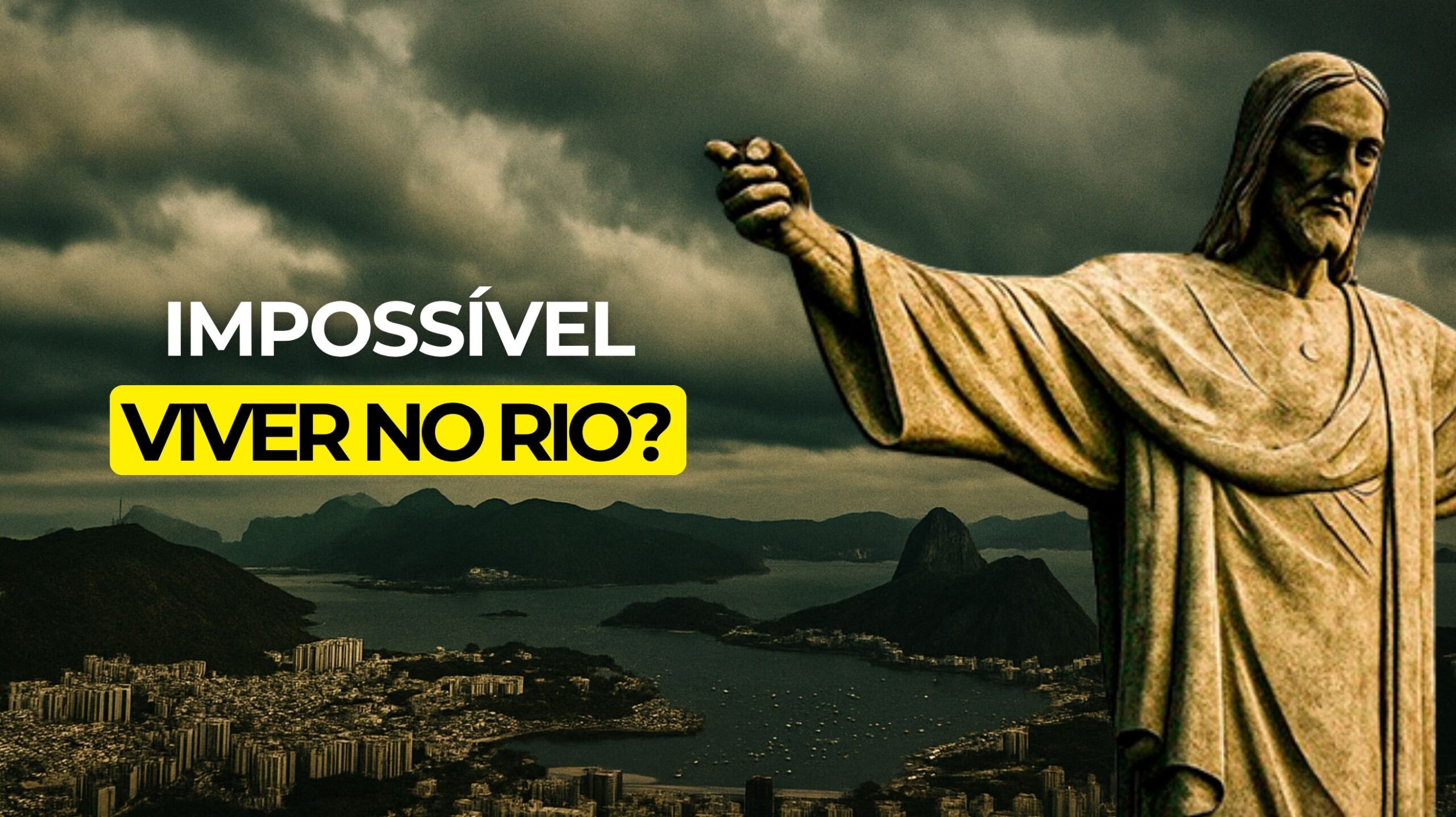
State with the Second Largest GDP in the Country Suffers from Growing Violence, Deep Fiscal Crisis, and Deteriorating Public Services, Leading to the Eviction of Residents and Businesses at an Alarming Rate.
Why Has Living in Rio de Janeiro Become ‘Impossible’? Living in Rio de Janeiro has become an increasing challenge in recent years.
The state, which once symbolized economic development and political prestige in Brazil, is currently facing one of the worst social and economic crises in the country.
Despite holding the second largest Gross Domestic Product (GDP) in the country, at around R$ 1 trillion, and being the third most populous state, Rio shows alarming rates of unemployment, a significant increase in violence, and a visible degradation of public services.
-
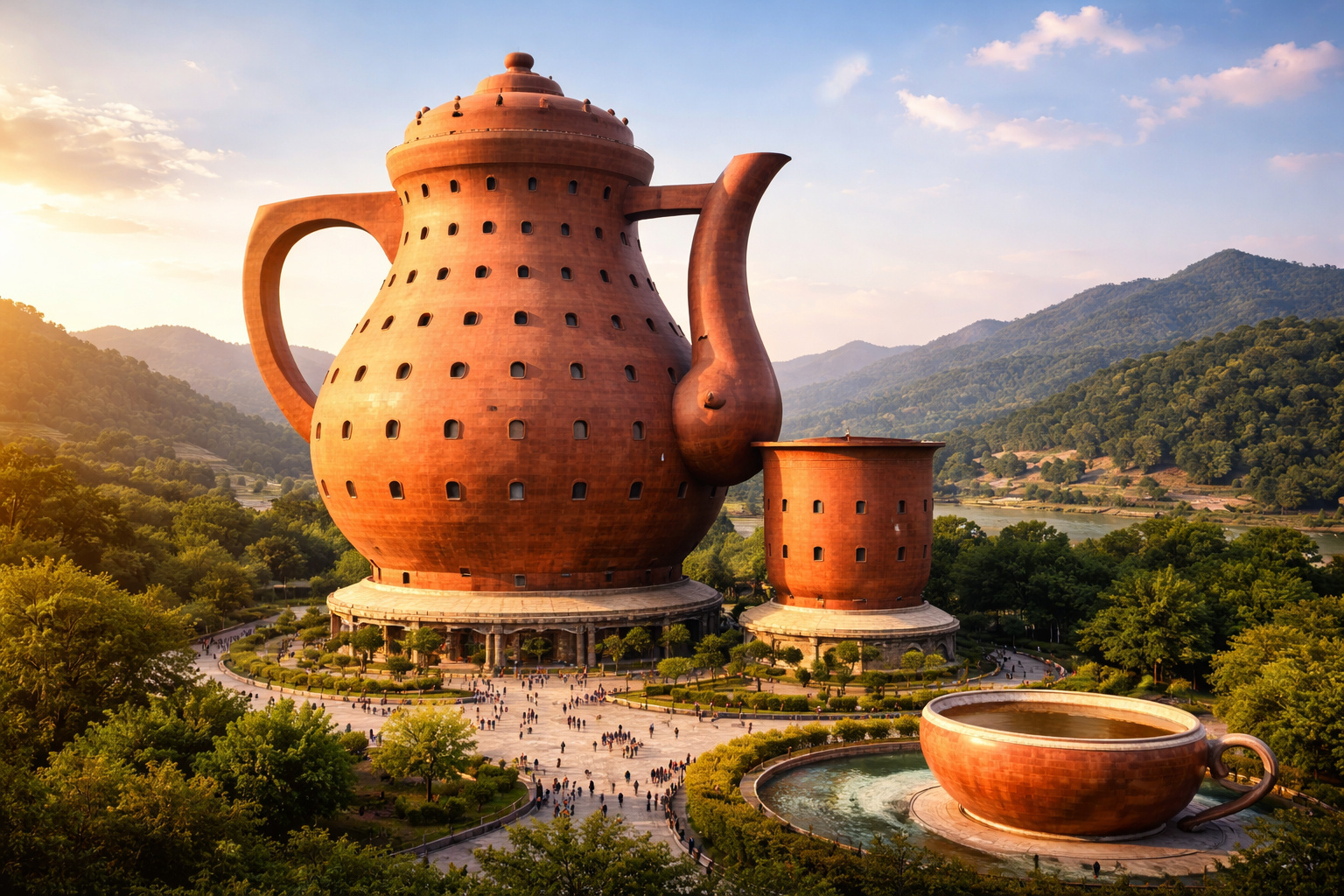
At 73.8 meters tall, the world’s tallest teapot-shaped building has 15 floors, ensures stability, and impresses with an internal space of 28,000 cubic meters.
-
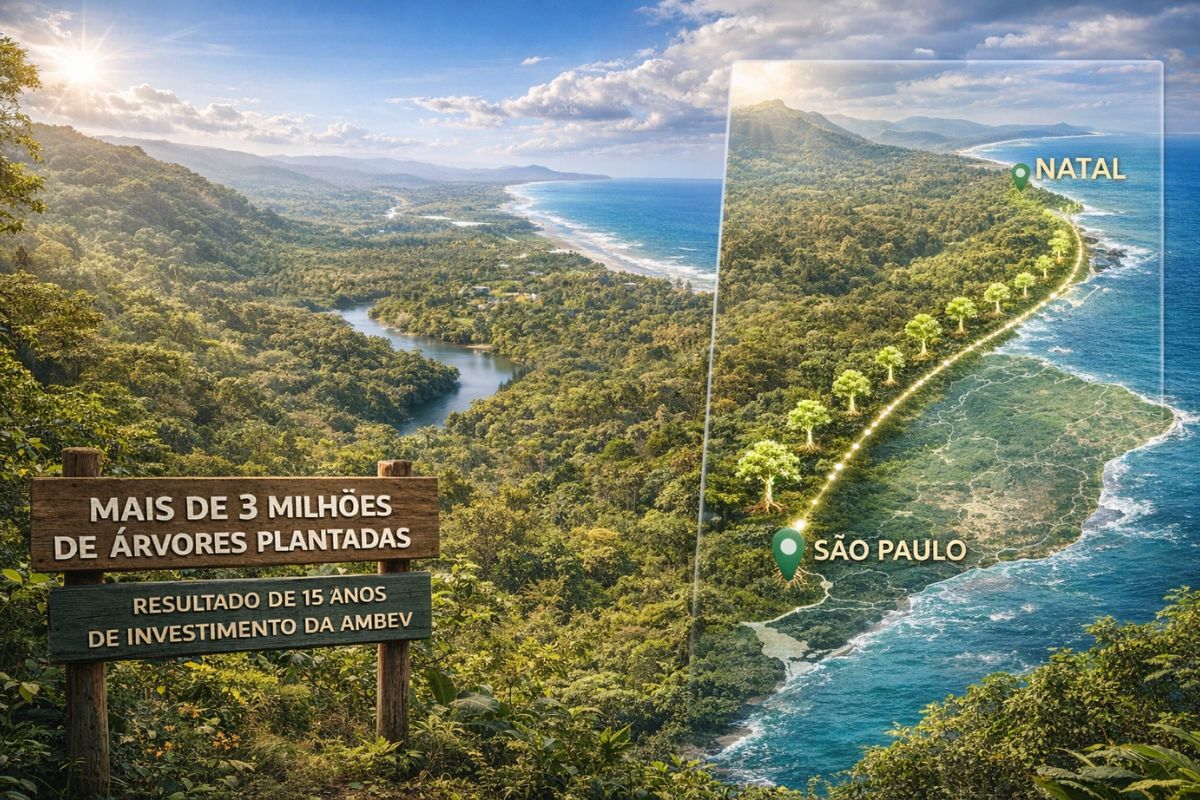
Ambev has planted over 3 million trees and restored an area equivalent to the coastline from São Paulo to Natal, and the result after 15 years of silent investment has finally appeared for all of Brazil to see.
-
A new AI collar technology for cattle eliminates physical fences, creates virtual barriers, monitors animals 24/7, and detects changes in behavior and health.

-
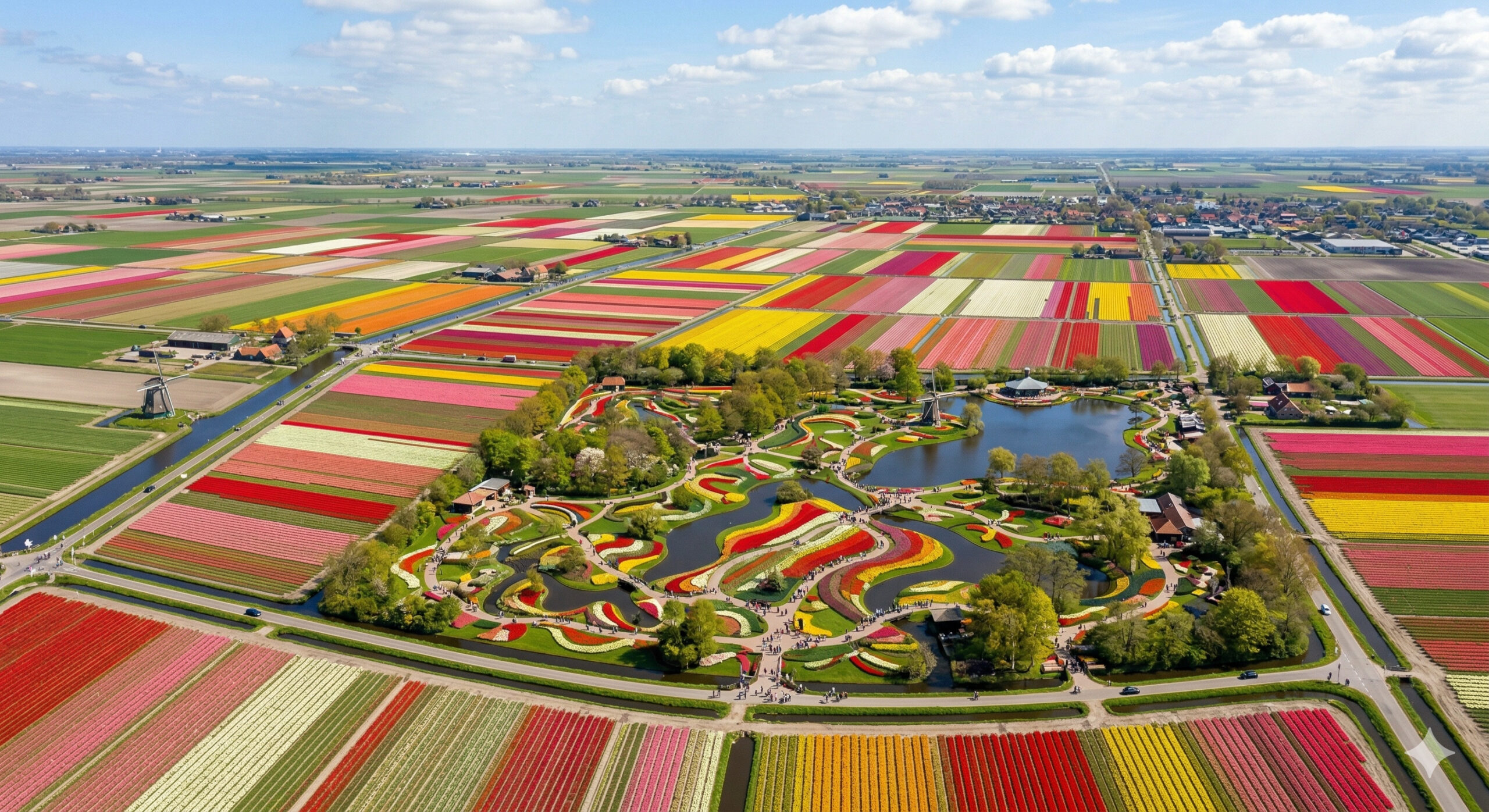
For a few weeks each year, an entire country blooms with billions of tulips, creating a mosaic of colors visible from the sky, while a single garden gathers more than 7 million flowers and attracts visitors from around the world to one of the most impressive shows in Europe.

This set of factors has driven companies out, reduced economic activity, and fueled a cycle of instability.
Economic Crisis and Dependence on Oil Royalties
According to the channel “Without Economês,” which analyzed the economic and social trajectory of the state, the almost exclusive dependence on volatile sectors such as oil has contributed to the fiscal vulnerability of Rio de Janeiro.
The revenue from oil royalties, which can exceed R$ 27 billion annually, has not been sufficient to contain the growth of the public deficit, nor to maintain the balance of state accounts.
According to the channel, the projected shortfall in Rio’s public finances between 2026 and 2028 already exceeds billions of reais, affecting essential investments in areas such as health, education, transportation, and security.
Loss of Political Prestige and Weakened Industrialization
The loss of Rio de Janeiro’s prominence began to take shape in 1960, when it ceased to be the federal capital with the inauguration of Brasília.
As the channel pointed out, this change interrupted a cycle of prosperity driven by the presence of key public authorities, which attracted investments, modern infrastructure, and skilled labor.
The transfer of the capital resulted not only in the exodus of public servants but also in a reduction of federal resources and major projects.
In the following decades, especially starting from the 1970s, the rise of São Paulo as an industrial and financial hub exacerbated the situation in Rio.
Historical data shows that, while the São Paulo industry grew and consolidated its position, the Rio industry recorded a decline in its participation in the country’s industrial GDP, shrinking from 28% to about 15% between the 1930s and 1970s.
As explained by “Without Economês,” this early deindustrialization led to the loss of productive complexes, know-how, and skilled labor, factors that were crucial for the economic decline.
Oil Boom and New Collapse
Even with the discovery of pre-salt reserves in the Santos Basin in the early 2000s, and the boost to the oil industry, the growth was isolated and did not establish a diversified economic base.
The channel noted that between 1999 and 2005, the industry in Rio grew by 8.7% per year, driven by sectors related to oil, shipbuilding, and logistics.
However, the excessive concentration in this segment worsened the state’s exposure to fluctuations in oil prices on the international market.
This vulnerability became evident starting in 2014, when oil prices fell by over 60% in just a few months, directly impacting state revenue.
At the same time, Operation Lava Jato revealed a corruption scheme involving public and private companies, significantly impacting Petrobras and the heavy engineering sector.
According to “Without Economês,” this scandal paralyzed strategic projects such as the Rio de Janeiro Petrochemical Complex (Comperj), generating mass unemployment and retrenching investments.
Forced Austerity and Urban Deterioration
The fiscal crisis deepened in the following years.
The state began to record salary delays, suspension of basic services, and an increase in debts with suppliers.
Between 2014 and 2017, unemployment grew by 157%, reaching over 10% of the economically active population.
Even with some GDP growth expected in 2024, fueled by post-pandemic recovery, social and economic indicators remain concerning.
The channel mentions that Rio was one of the states with the highest number of unemployed in 2024, ranking among the five worst in the country.
The deterioration of urban infrastructure is another reflection of the collapse of public finances.
Services such as transportation, stormwater drainage, and basic sanitation are operating with insufficient resources, which has increased instances of flooding and landslides.
According to the channel itself, around 600,000 homes in the capital are located in high-risk areas, highlighting the fragility of urban occupation.
Growing Violence and Loss of Territorial Control
Moreover, violence has become one of the main factors making it impossible for families and businesses to remain in the state.
In 2023, Rio de Janeiro recorded an average of nine homicides per day, a number higher than that of São Paulo, which has a population nearly three times larger.
As emphasized by “Without Economês,” the actions of organized crime — including militias and factions — have assumed characteristics of parallel power, especially in peripheral regions.
In these areas, practices such as curfews and charging fees to residents are common, complicating the presence of the state and the implementation of lasting public policies.
Tourism Decline and Population Exodus in Rio de Janeiro
This environment of insecurity also directly affects strategic sectors such as tourism, historically one of the pillars of the Rio economy.
The instability leads to a decrease in the number of visitors, hotel closures, reduced occupancy in restaurants, and significant revenue losses for workers in the sector.
Even with internationally recognized natural attractions, Rio faces challenges in diversifying its tourism offerings due to perceptions of insecurity.
The population has responded to this scenario with an increasing exodus.
More than 100,000 people have left the state in the last 13 years in search of better living conditions, job opportunities, and public services in other federative units.
The population loss, combined with the closure of businesses and retrenching investments, further undermines the state’s capacity for economic recovery.
As the channel “Without Economês” pointed out, the current crisis in Rio de Janeiro is not the result of a single isolated factor, but rather the convergence of decades of mismanagement, lack of planning, dependence on unstable sectors, and systemic corruption.
The result is a hostile environment for citizens to remain, with collapsing public services, a weakened economy, and violence at alarming levels.
In the face of such a complex and persistent scenario, what would be necessary to make living in Rio de Janeiro possible again?








-

-

3 pessoas reagiram a isso.