





 Portuguese
  English
  Spanish
  4 min of reading
  0 comments


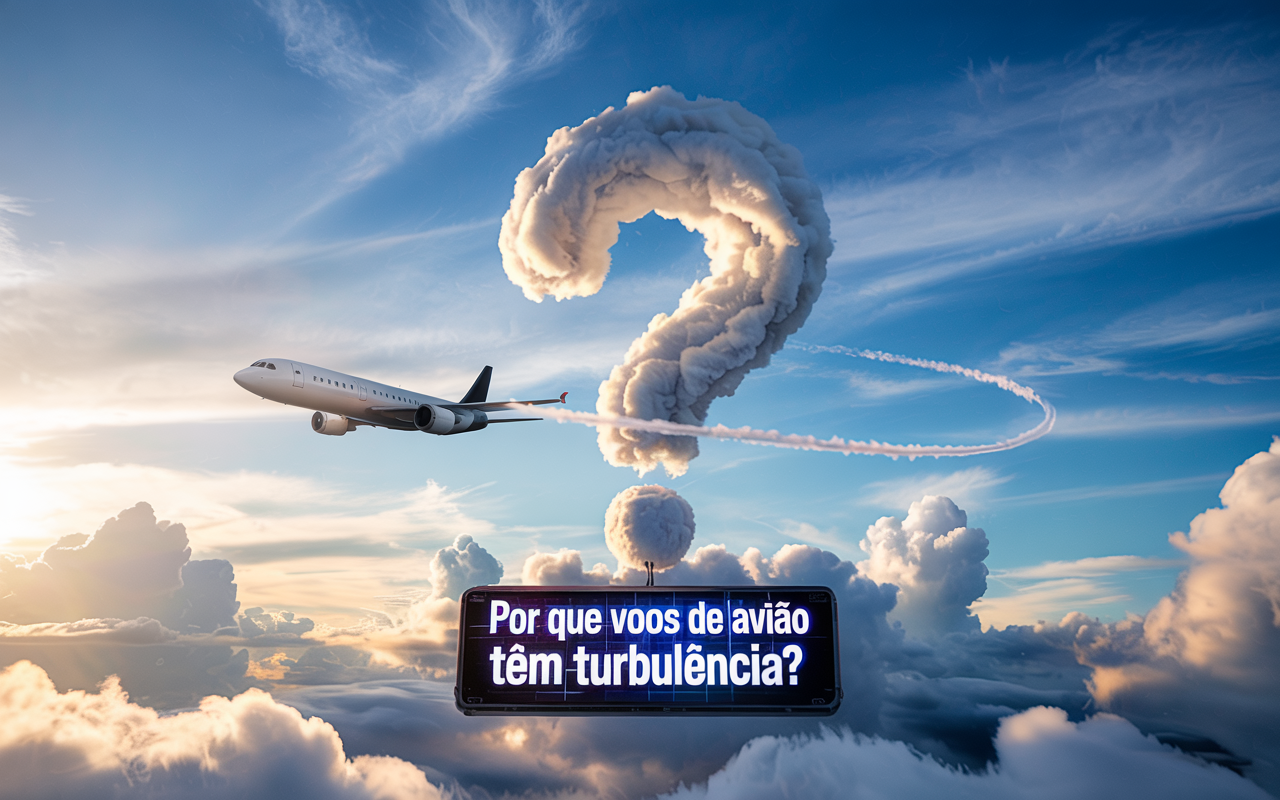
Although pilots and passengers are used to air bumps, science is still struggling to fully understand turbulence in flights. Find out why planes shake — and why this phenomenon is part of one of the most fascinating Millennium Problems.
Almost everyone who has flown knows the feeling: the flight is stable, calm, until suddenly it starts to shake. The seatbelt sign lights up, the aircraft sways, and the question is inevitable: Why do airplane flights have turbulence? The answer seems simple: it’s the famous turbulence. But what few people know is that this seemingly mundane phenomenon is actually one of the great mysteries of physics and mathematics. And its solution is among the seven so-called Millennium Problems, proposed by the Clay Mathematics Institute. Whoever solves the riddle could take home nothing less than US$ 1 million.
Science Still Does Not Fully Explain Why Airplane Flights Have Turbulence
Turbulence in flights occurs when the aircraft passes through regions of unstable air, where the air masses move in chaotic and unpredictable ways. It can be caused by jet streams, storms, mountains, or even by other planes.
But there is a type of turbulence that is even more frightening: clear air turbulence, which occurs without clouds or visible signs.
-
Chaos On Airplane Could Be Expensive: Proposal Aims To Prevent Disruptive Passengers From Flying For Up To 1 Year In Brazil And Face Fines Of Up To R$17,500

-
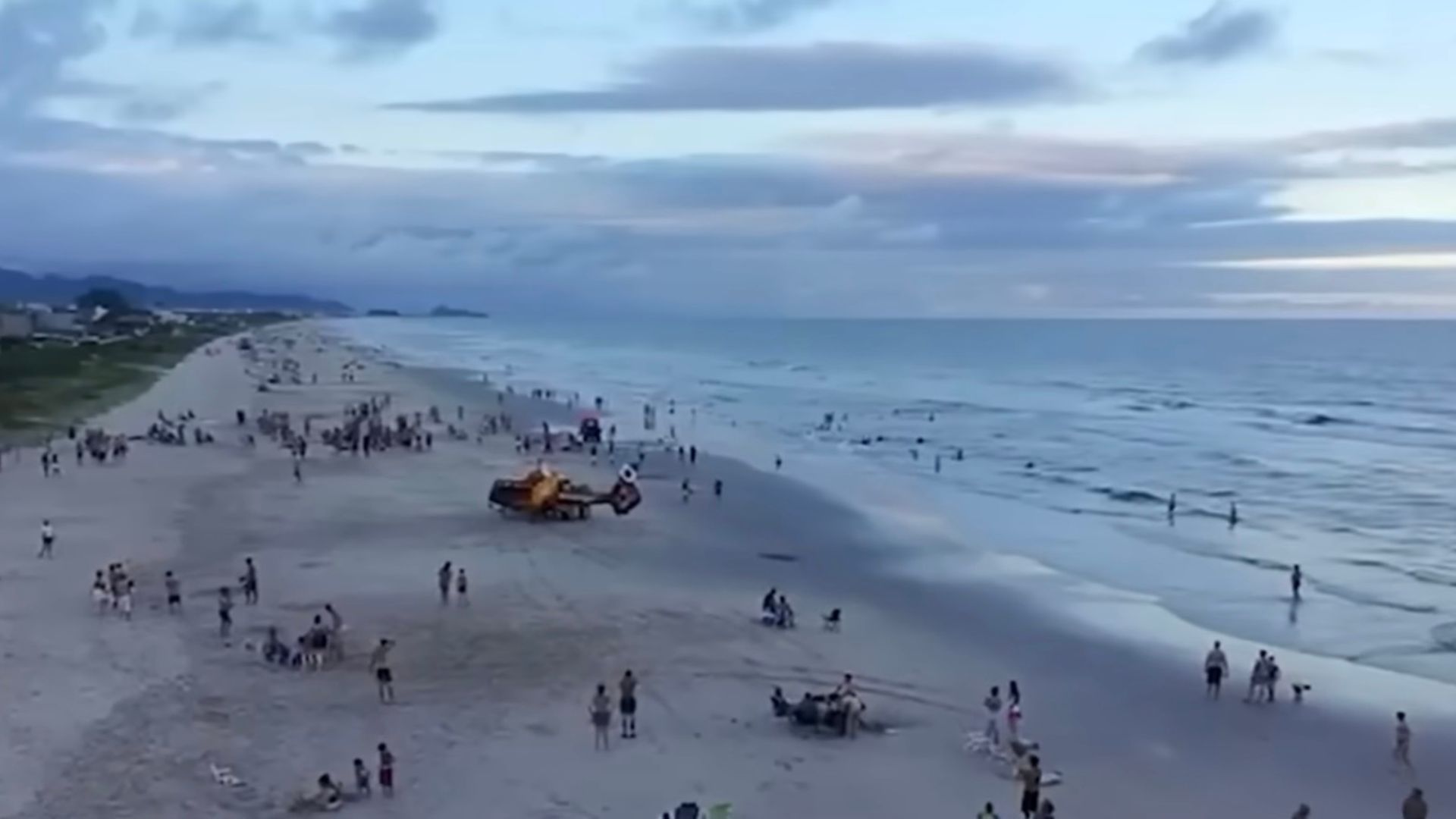
Man Arrested After Halting Takeoff of Fire Department Helicopter During Child Rescue in Guaratuba
-
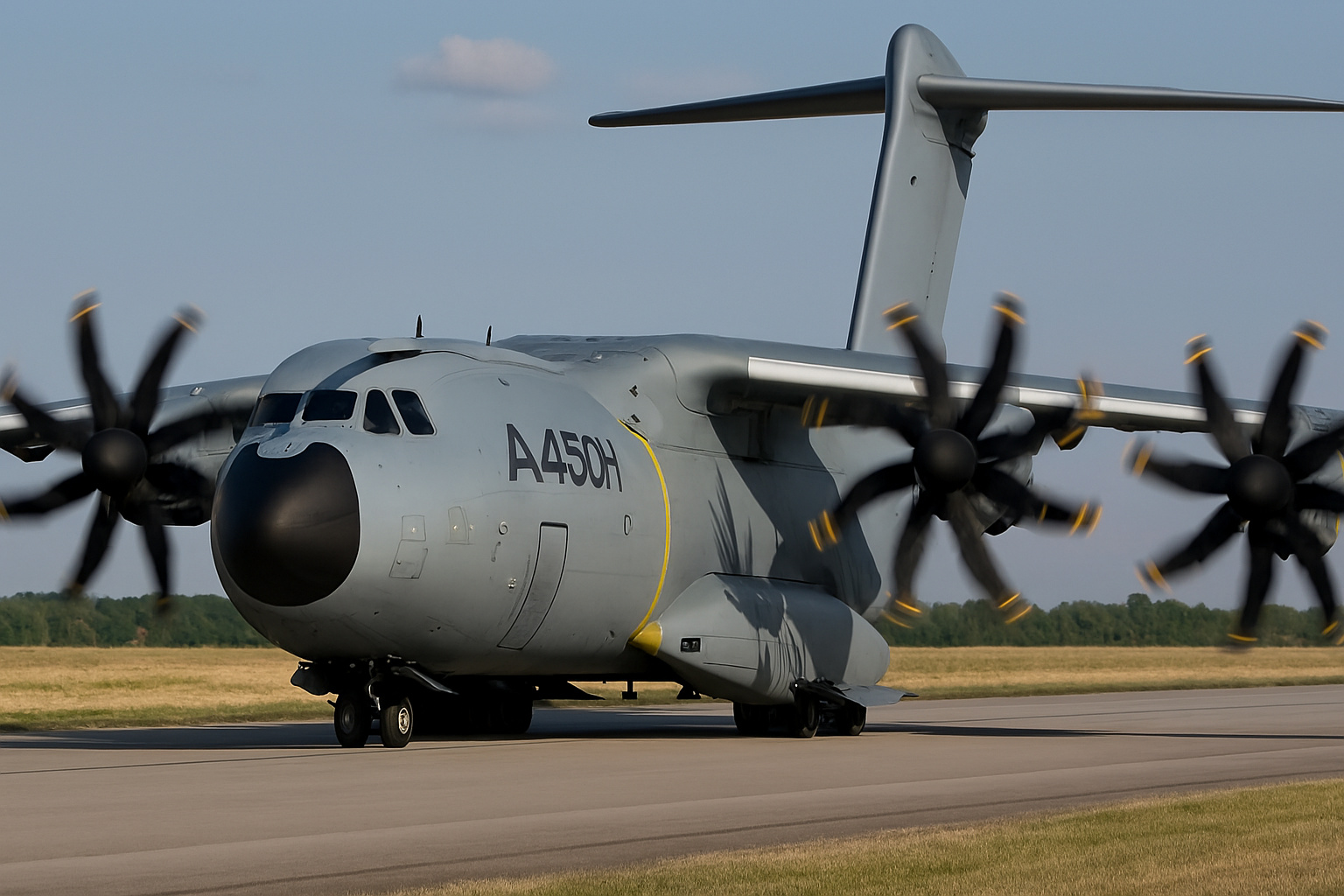
With 37 Tons of Cargo, Over 8,000 km Range, and Ability to Land on Unpaved Runways, the Airbus A400M Demonstrates How Europe Created a Military Giant That Transports Armored Vehicles, Aerially Refuels Fighters, and Operates in Conflict Zones and Humanitarian Missions Worldwide
-
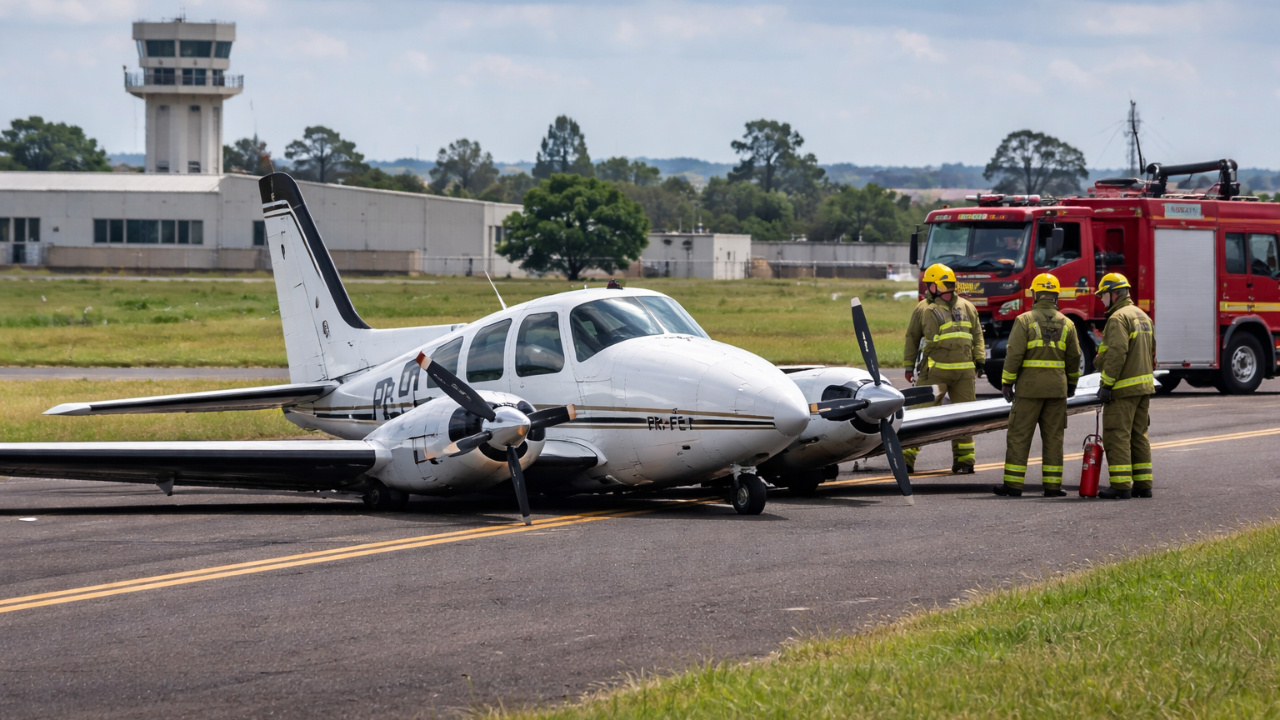
Emergency Landing in Campos Amarais After Bird Strike on Small Plane

Even with all the advances in meteorology and aerospace engineering, there is no precise way to predict when and where turbulence will occur. The reason for this is that scientists still cannot solve, in its entirety, the equations that describe the behavior of moving fluids.


The Heart of the Mystery: The Navier-Stokes Equations
The Navier-Stokes equations are a set of mathematical formulas that attempt to describe how liquids and gases move. In theory, they explain everything from water flow in a pipe to the behavior of air at high altitudes. But in practice, things get complicated when turbulent behavior comes into play.
Turbulence is marked by swirling eddies, vortices, and chaotic movements that emerge across multiple scales. This makes it practically impossible to predict the behavior of air based on existing equations. The central question is: do these equations always have well-defined and stable solutions, or do they at some point explode into nonsensical results?
US$ 1 Million for an Answer
The Clay Institute offered US$ 1 million to anyone who can prove whether the Navier-Stokes equations always have a solution for any condition. This challenge, known as the turbulence millennium problem, is not just theoretical. If solved, it could revolutionize the way we predict weather, design aircraft, turbines, cars, and much more.
In practice, this would mean much more comfortable flights, with safer routes, saved fuel, and calm passengers, even when passing through previously feared zones by pilots.
Why Planes Shake: A Common but Safe Discomfort
Despite the mystery behind turbulence, it is important to remember: it is uncomfortable, but rarely dangerous. Modern aircraft are designed to withstand forces much greater than those caused by the most severe turbulence. Pilots are trained to handle these conditions, and the use of communication technologies between aircraft helps avoid more unstable areas whenever possible.
Still, the inability to predict certain turbidities — such as clear air turbulence — remains one of modern aviation’s greatest frustrations. They appear out of nowhere without visual warning and have caused several incidents with injuries to passengers and crew.

Hope Comes from Mathematics and Computing
In recent years, scientists have been using supercomputers and three-dimensional simulations to study turbulence patterns. The hopes are to find mathematical “shortcuts” or ways to translate the complex behavior of air into more predictable models.
But until the exact solution to the Navier-Stokes equations is found, we remain dependent on observation, pilot experience, and limited tools to confront this phenomenon.
The next time your plane shakes, remember: you are not just facing an inconvenience of the flight, but you are participating, even if indirectly, in one of the greatest intellectual challenges of our time.
Turbulence in flights is much more than a bump in the seat — it is the reflection of a deep mathematical problem that still eludes human understanding.
And perhaps, somewhere, there is a mind about to unravel this code. When that happens, not only will flights be smoother — but also the very way we understand the world in motion.







Seja o primeiro a reagir!