





 Portuguese
  English
  Spanish
 3 min of reading


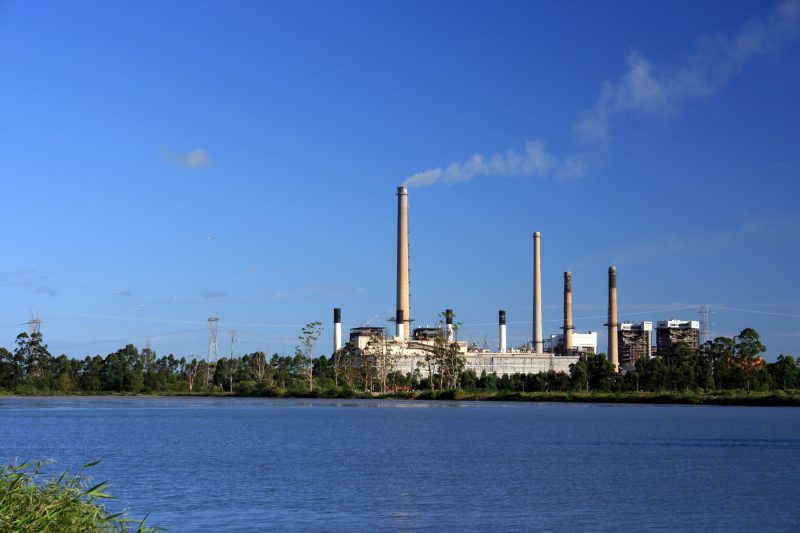
The Sale Of The Coal-Fired Power Plant By Engie Involved The Option To Purchase A Future Gas Peaker Plant In The State Of Santa Catarina
Engie has concluded the sale to FRAM Capital of the Jorge Lacerda Thermoelectric Complex, located in Capivari de Baixo, in the southern state of Santa Catarina. The thermoelectric plant has an installed capacity of 857 MW. The acquisition price for 100% of the equity stake in the controlled company, Diamante Geração de Energia, which holds the CTJL, is up to R$ 325 million, of which R$ 210 million was paid at the closing of the operation and R$ 115 million is subject to the fulfillment of certain conditions precedent, which must be completed by the end of 2022. Read this news too: Thermoelectric Plant in Mato Grosso do Sul Will Be Reactivated and Will Help Supply Energy During Water Crisis
- Nissan Is Hiring Candidates With And Without Experience For Job And Internship Positions
- Company From Paraná Promises A Charging Process 2.5 Times Faster For Electric Cars Using Solar Energy
- Faetec RJ Offers Thousands Of Slots In Free Professional And Technical Qualification Courses In Industrial Maintenance, Construction, Logistics, Technology, And More
- Multinational Amazon Has 400 Job Openings For São Paulo, Rio de Janeiro, Minas Gerais, And More
- Port Of Santos – Various Job Openings Are Being Offered In The Port Sector
Divestment Is Part Of Engie’s Strategy To Become Carbon Neutral
According to Eduardo Sattamini, CEO and Investor Relations Director at Engie Brasil Energia, the completion of the sale of the Jorge Lacerda Thermoelectric Complex is positive for Engie’s plans to direct operations and investments toward renewable energy projects and transmission infrastructure.
According to the Engie executive, the sale of the thermoelectric plant is also important for the economy of the southern region of Santa Catarina to reinvent itself, enabling a socially just transition and reducing potential impacts compared to a short-term discontinuation of operations.
-
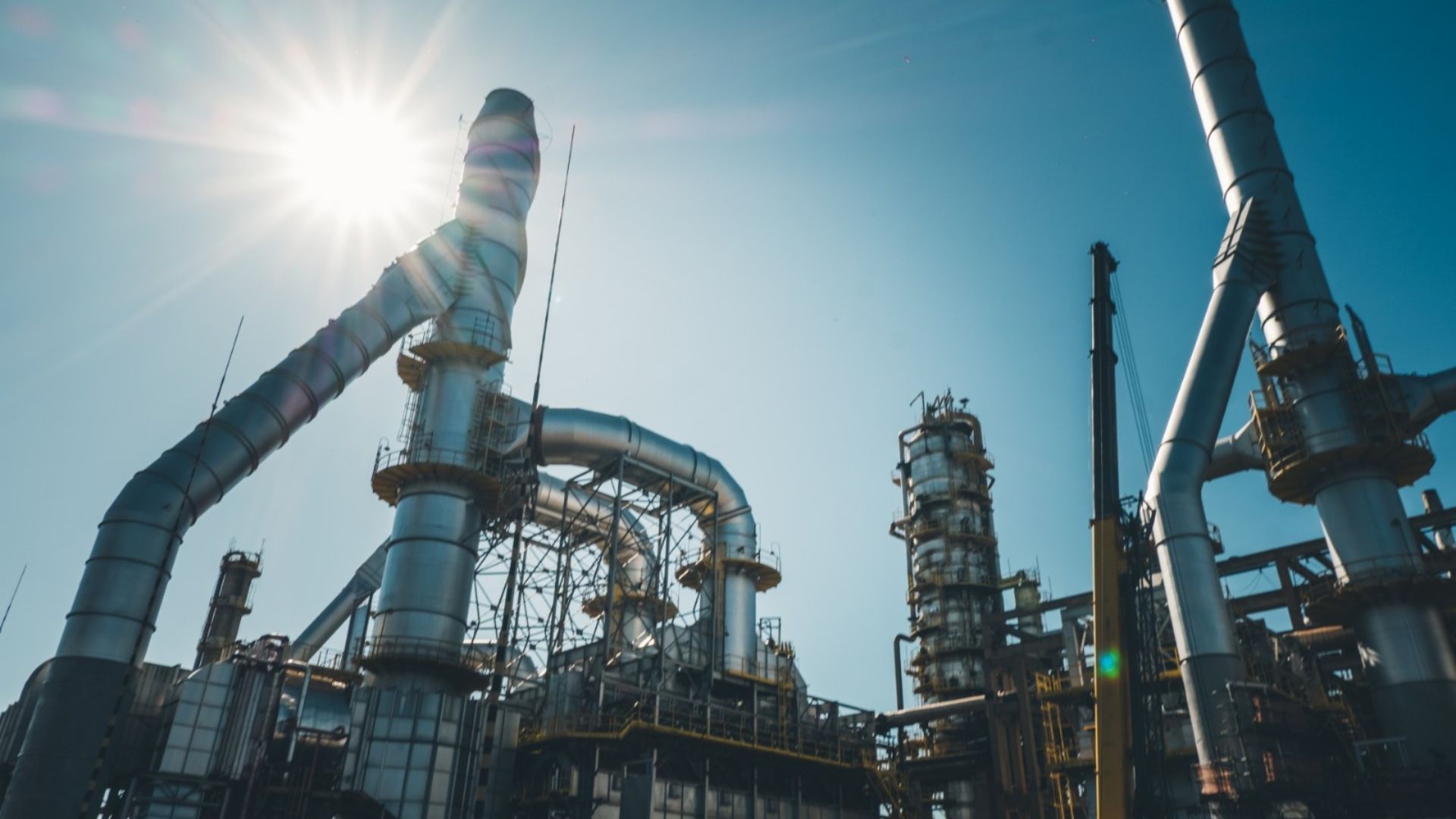
Petrobras Expands Refining in Brazil, Increases Production of Diesel S-10 and Gasoline, Enhances Operational Efficiency, and Reduces Import Dependence Between 2023 and 2025
-
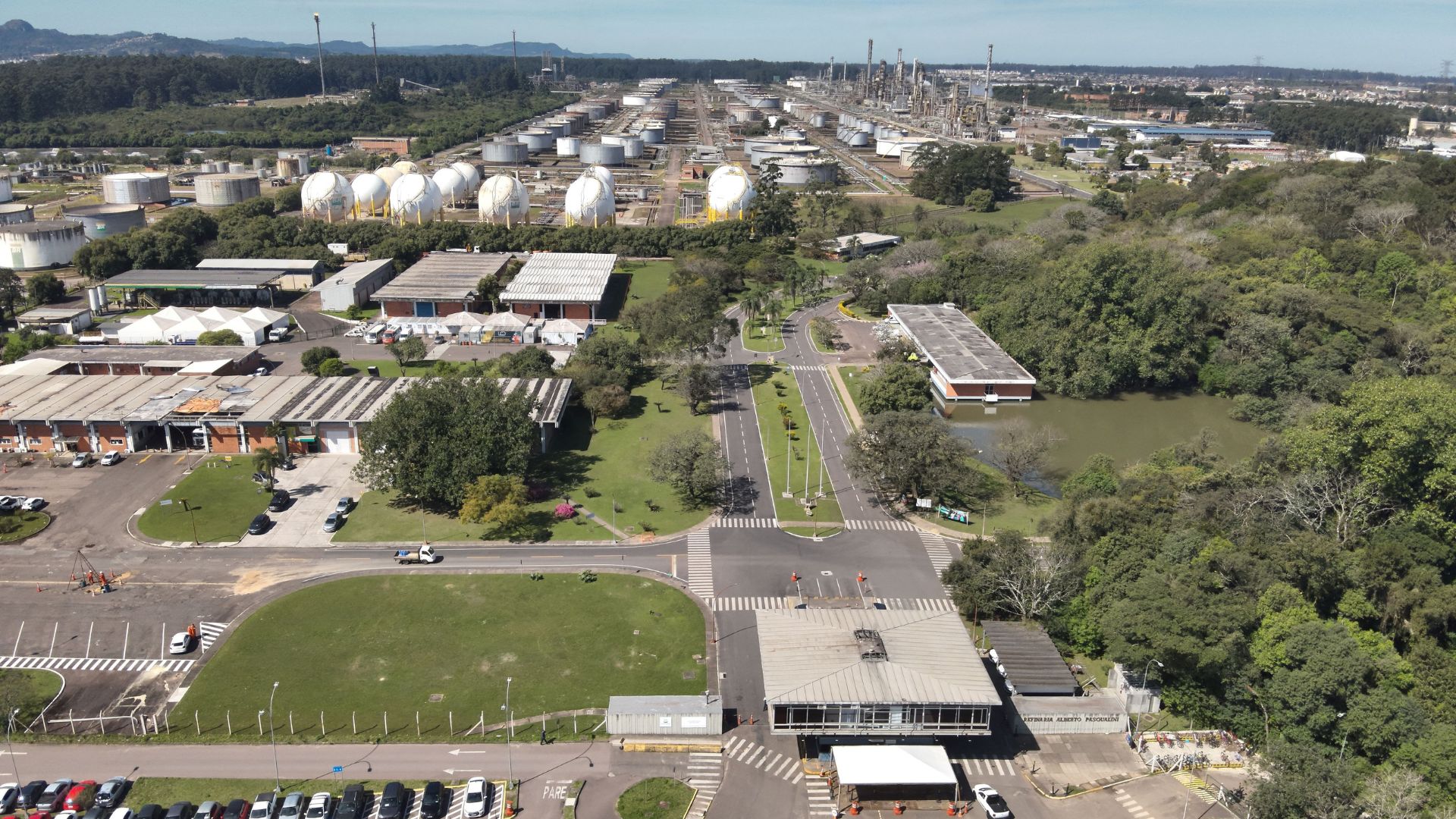
Petrobras’ Refap Sets Historic Records for Gasoline and S-10 Diesel Production in Canoas in Q4 2025, Surpassing Previous Figures
-
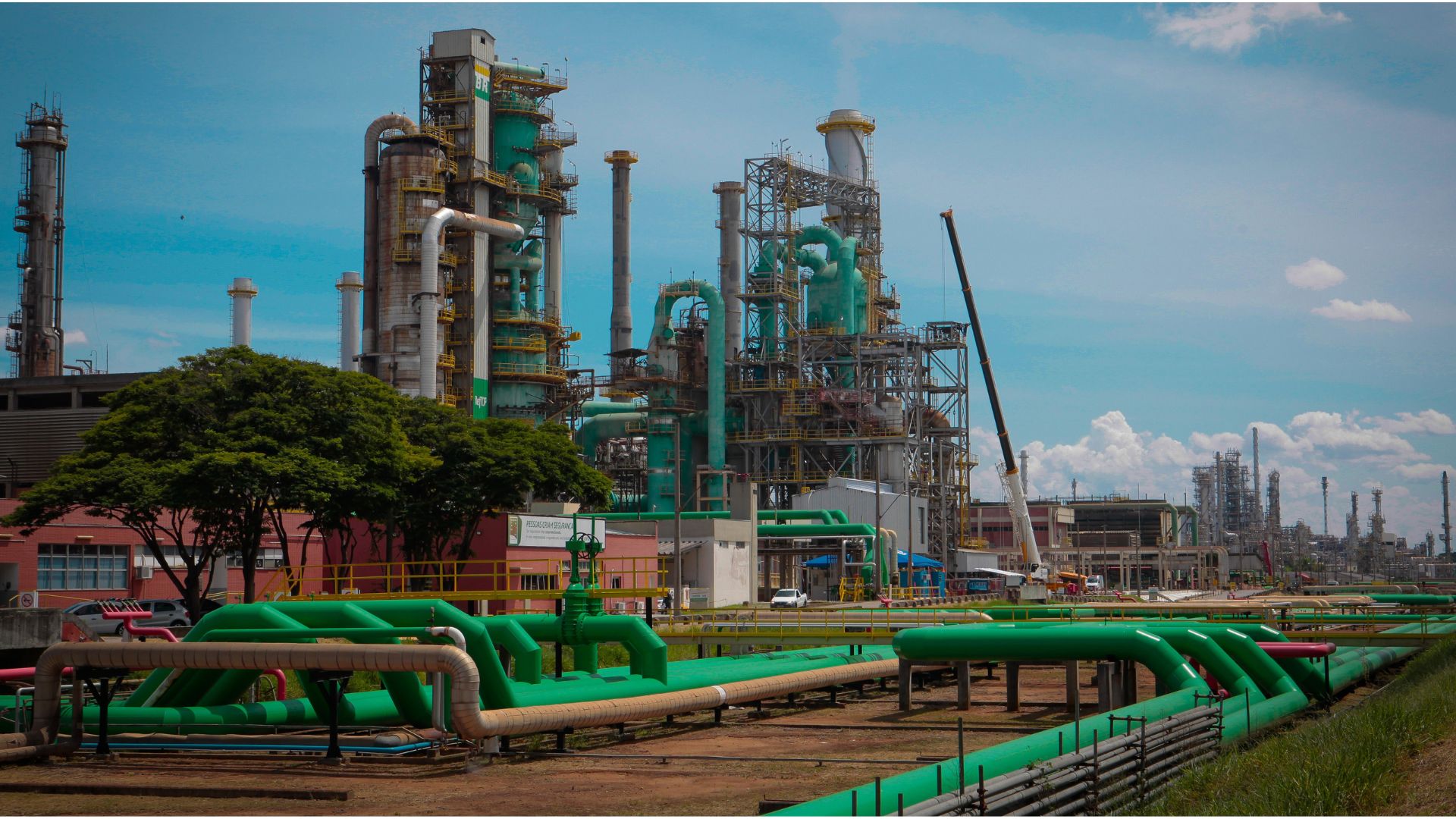
Revap Starts Operation of Modernized HDT and Petrobras Expands S-10 Diesel Production by 80% at the Refinery, Boosting Supply of Less Polluting Fuel in Brazil
-
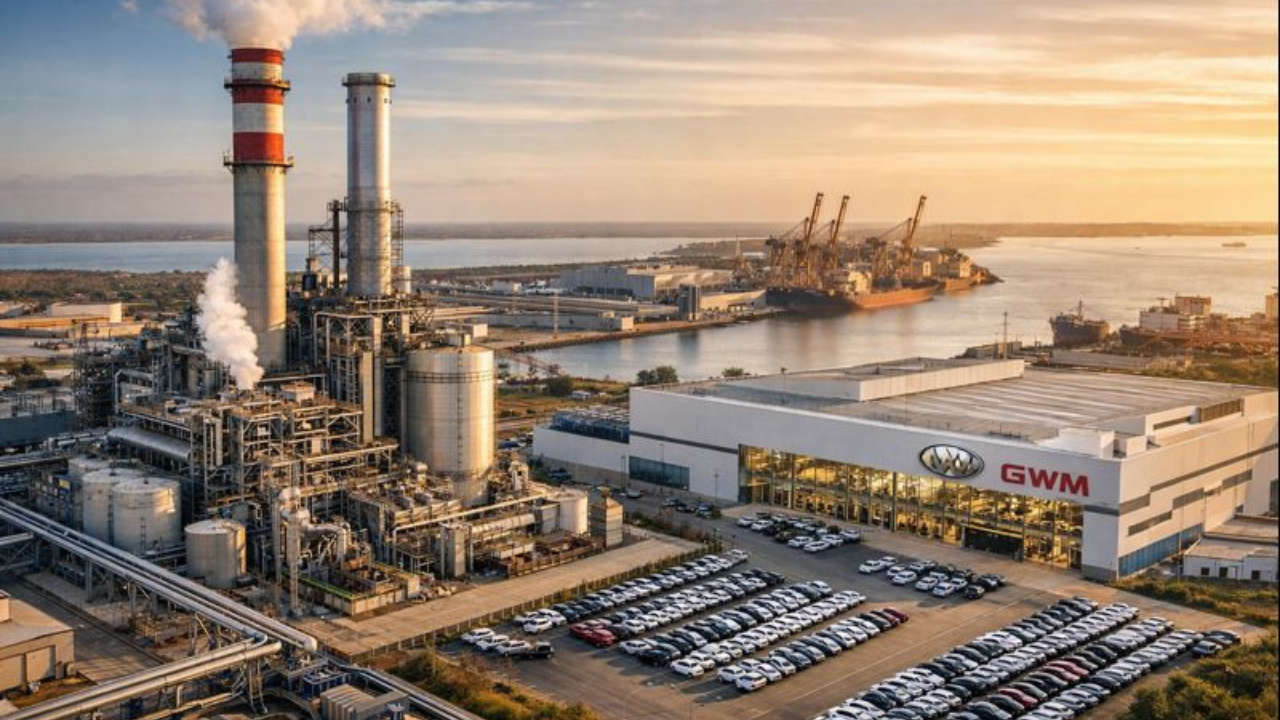
Thermal Power Plant in Rio Grande do Sul Is Key to Attracting GWM
Option To Purchase Another Thermoelectric Plant
Additively, Engie granted Diamante Holding an option to purchase the North Catarinense Thermoelectric Plant Project, which involves the future implementation of a natural gas power plant with an installed capacity of approximately 600 MW, located in the municipality of Garuva, in the northern region of the state of Santa Catarina.
With the sale of CTJL, around 97% of ENGIE’s matrix in Brazil is now renewable, derived from hydroelectric, wind, solar, and biomass sources. Another asset of the Company that operates on coal is the Pampa Sul Thermoelectric Plant, with an installed capacity of 345 MW, which is also for sale, in line with the Group’s global strategy to exit coal operations by 2027 worldwide.
Also Check: Engie Presents Voluntary Dismissal Plan For Its Thermoelectric Plants And Other Assets Across The Country
Engie Brasil Energia has approved a Voluntary Dismissal Program (VDP) for employees at its headquarters, thermoelectric plants, and other operational assets. The plan was discussed in a meeting that also included the presence of company workers.
In a statement issued to the market, Engie emphasized that the voluntary dismissal program will provide for a “harmonious succession planning and career transition for those interested in joining the program.”
Engie Brasil Energia also denies that the approved voluntary dismissal plan is related to the decarbonization process intended by the company in Brazil, which involves, among other actions, the sale or deactivation of the Capivari de Baixo plant. The company further states that workers believe that the move supports the company’s distancing from the management of the thermoelectric plant.






Seja o primeiro a reagir!