





 Portuguese
  English
  Spanish
  6 min of reading
  3 comments


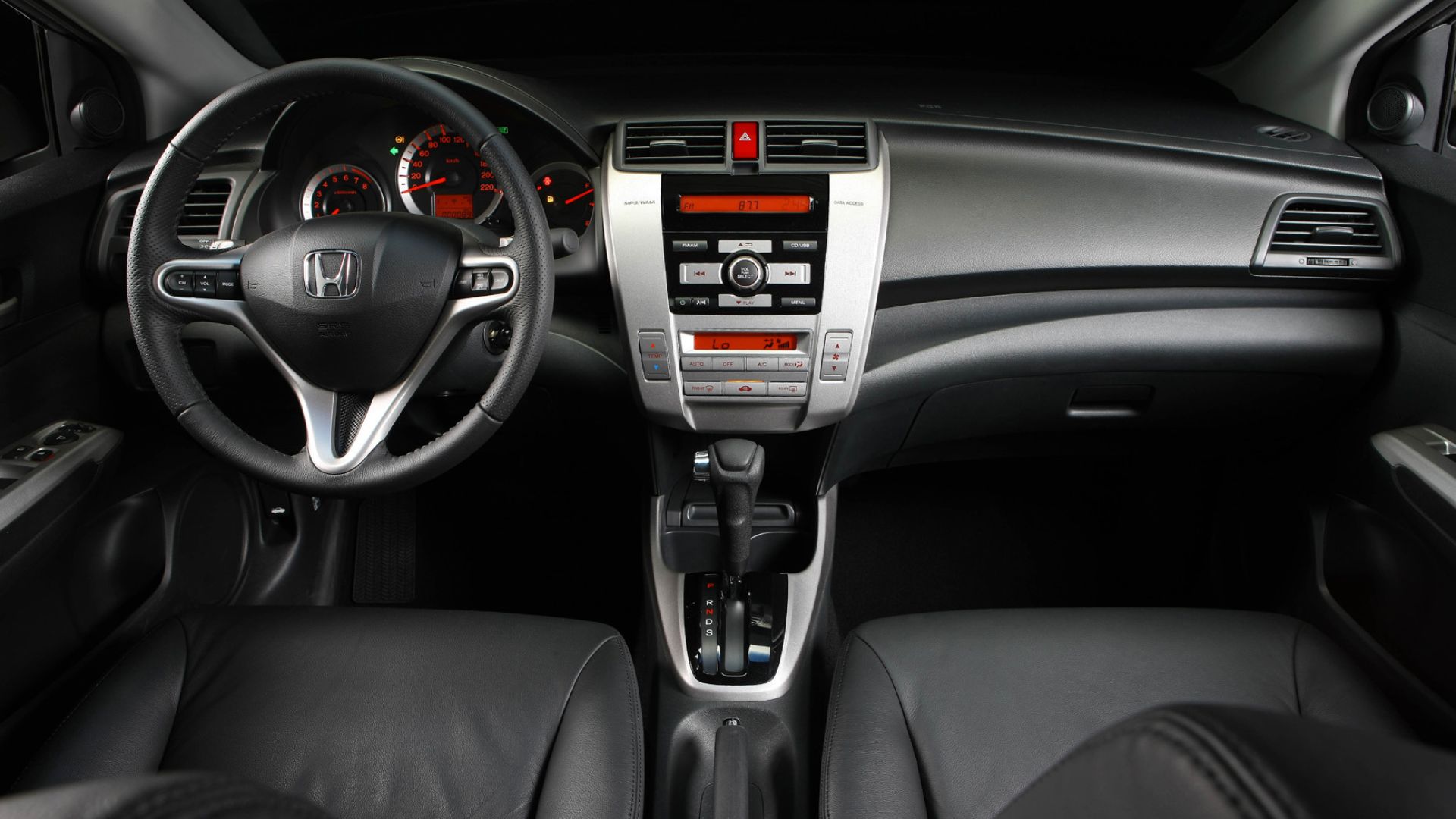


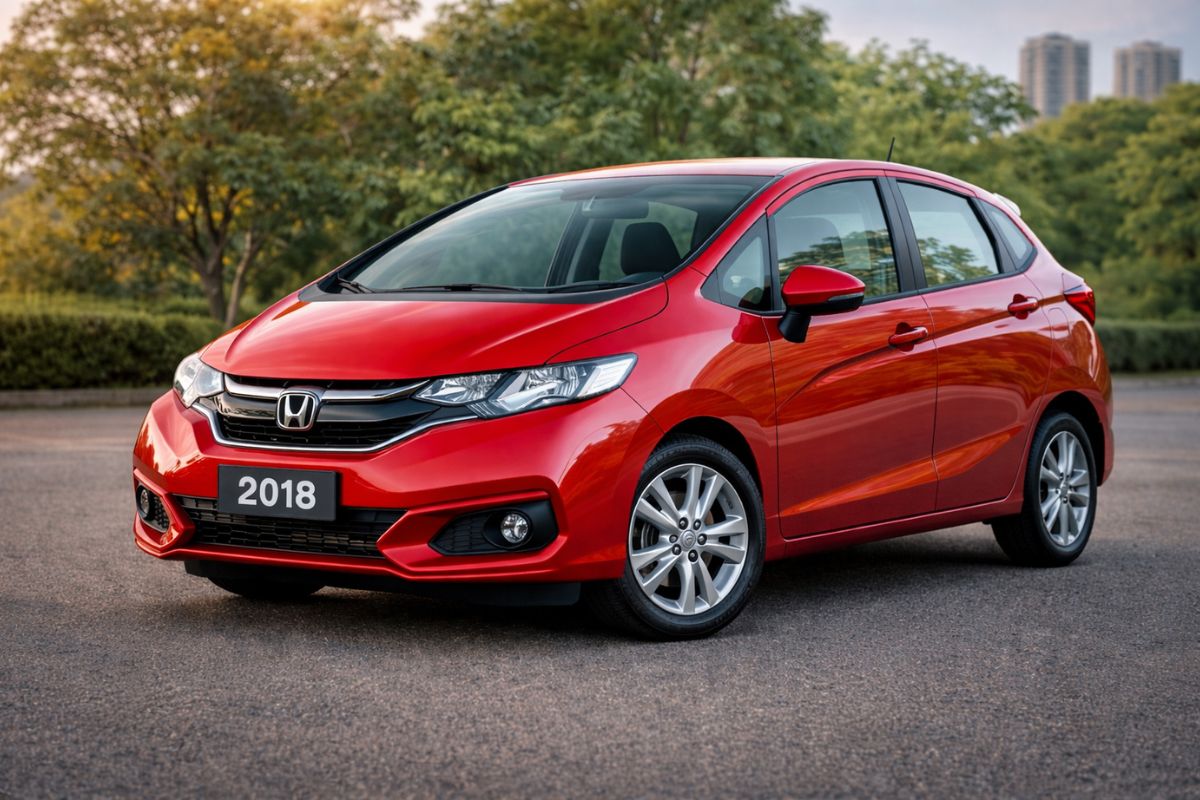
Reference Price Around R$ 40 Thousand Puts the Honda City 1.5 Flex on the Radar of Those Looking for a Used Compact Sedan with a Large Trunk, Engine of up to 116 hp and Simple Manual Transmission. Model Draws Attention for Space and Technical Numbers That Help to Compare Versions.
In the R$ 40 Thousand Range, the Honda City 1.5 Flex Appears as a Recurring Alternative for Those Looking for a Used Compact Sedan with Good Interior Space and a Large Trunk, Without Giving Up a Mechanical Set Well Known in the Brazilian Market.
According to the FIPE Table, the City 1.5 LX 16V Flex 4-Door with Manual Transmission is Priced Around R$ 40,080, a Value That Places It Among the Most Accessible Models in the Segment When the Criteria is to Combine Sedan Space and Everyday Use Without Excessive Complexity.
Reference Price and Variation in the Used Market
This Price Level is a Reference Cut, Used to Guide Negotiations and Compare Versions.
-
With a 1.0 engine producing 75 hp and costing less than R$ 70,000, Fiat’s car returns to the podium as the cheapest in the country; a temporary promotion for the 2026 Like version reduces the price of the Fiat Mobi.
-
With a mild hybrid system of 48 V, 176 hp and a price of R$ 175,990 in the Sahara version, the new Jeep Renegade changes mostly on the inside, improves slightly in fuel consumption, and remains almost the same car.
-
With a 293.5 cm³ engine and a range of up to 400 km with a 14.1-liter tank, the Honda CB 300F Twister 2026 has up to 24.7 hp, an initial price of R$ 25,150, and already exceeds R$ 29,000 in the Fipe Table.

-
With a 1.3 engine, nearly 700 km of range, and Turbo 200, the Fiat model surpasses Polo, Tera HB20, and Onix, becoming the best-selling car in March; see the numbers for the Fiat Strada and others.

In Real Trade, the Final Value Often Varies According to State of Conservation, Mileage, Maintenance History, Provenance, and Region, in Addition to Finishing Items and Any Previous Repairs That Have Been Made.
Still, FIPE Serves as a Market Indicator and Helps to Separate Cars with Aligned Prices from Listings That Deviate from the Standard, Both Upward and Downward, Without Clear Justification.
1.5 Flex Engine and Power of Up to 116 hp

What Sustains the Appeal of the City in this Range is a Combination of Numbers That Often Weigh in the Purchase Decision.
The Technical Sheet of the Model in the 1.5 Flex Configuration Records Power of Up to 116 hp with Ethanol and 115 hp with Gasoline, with Five-Speed Manual Transmission, a Package That Prioritizes Linear Driving and Predictable Responses in Urban Use and on Highways.
These Data Are Found in Market Technical Sheets That Gather Specifications of the Vehicle When It Leaves the Factory and Are Used as a Basis by Consumers and Dealers.
506-Liter Trunk and Interior Space
The 506-Liter Trunk is Another Element That Draws Attention for Providing Capacity That, in Practice, Facilitates Family Use and Transport of Luggage on Short Trips.
This Volume is Among the Largest in the Category of Compact Sedans Sold in the Country and Often Appears as a Purchase Argument for Those Moving from a Compact Hatchback and Wanting to Gain Space Without Migrating to a More Expensive and Heavier Mid-Size Sedan.
With Wheelbase of 2.55 Meters, the Body Also Favors Internal Use That Meets Daily Needs, Especially for Those Often Transporting Passengers.
Reported Consumption and Electric Steering in Daily Use
In Use, the 1.5 Flex Set is Associated with the Proposal of Low Effort in Traffic and Driving with Moderate RPMs, Especially When Accompanied by Manual Transmission.
The Same Technical Sheet That Presents Power and Dimensions Also Discloses Consumption Figures, Informing Marks Such As 10.9 km/l in the City and 12.5 km/l on the Highway with Gasoline, in Addition to 7.6 km/l in the City and 8.7 km/l on the Highway with Ethanol, Always as Reference Values for the Model Under Standard Conditions.

In the Real World, These Results Depend on Maintenance, Tire Calibration, Driving Style, Fuel Quality, and Traffic Conditions, but Serve as an Initial Comparison for Those Researching Used Cars.
Another Point That Often Weighs in the Choice is the Power-Assisted Steering Recorded in the Technical Sheet, an Item That, in Daily Use, Reduces Effort in Maneuvers and Aids in City Routine.
For Those Who Drive a Lot, the Ergonomics and Driving Position Typical of the City Also Fit into the Convenience Package, as the Sedan Was Designed for Family and Urban Use, Focusing on Practicality.
The Dashboard Design and Layout of Controls Vary Depending on the Version and Model Year, but the Set Tends to Follow a Functional Approach, Without Solutions Too Far From the Standard.
What to Check Before Closing the Deal
When Evaluating a City Within This Price Range, Paying Attention to the Maintenance History is the Most Important Point to Make the Purchase Predictable.
A Used Car from a Broad Market May Have Passed Through Different Owners and Usage Styles, and This Appears in Details Such as Clutch Condition, Air Conditioning Operation, Cooling System Integrity, and Suspension Noises.
The Inspection Should Include Checking for Leaks, Reading Faults Using a Scanner When Possible, and Analyzing Performance at Idle and During Progressive Acceleration, Always with the Engine at Normal Operating Temperature.
It Also Makes a Difference to Observe How the Car Performs on Uneven Surfaces and During Light Braking.
Cracks in Bushings, Dry Noises When Passing Speed Bumps, and Vibrations in the Steering Wheel at Certain Speeds May Indicate the Need for Services in Suspension, Wheels, Tires, or Brakes.
As the Model Uses Independent Front Suspension of the McPherson Type and Semi-Independent Rear Suspension with a Torsion Beam, the Evaluation Should Consider Both Common Wear Components, Such as Shock Absorbers and Bushings, as Well as Signs of Misalignment That Reveal Themselves in Irregular Tire Wear.
Provenance, Bodywork, and Documentation
The Bodywork and Finish Aspect Comes as Another Objective Filter.
Differences in Paint Color, Misalignment of the Hood and Doors, Points of Oxidation, and Marks of Poorly Executed Repairs May Indicate Previous Interventions That Merit Investigation.

In Parallel, the Interior Helps Tell the Story of Usage: Wear Much Above Expected in Steering Wheel, Pedals, and Driver Seat May Suggest High Mileage or Intense Use, Even if the Odometer Shows Less.
Checking the Manual, Spare Key, and Service Records Helps Provide Context on Provenance and Reduces the Risk of Surprises After Purchase.
In Documentary Terms, Checking for Pending Issues and Restrictions Should Precede Any Deal.
Checking for Debts, Accident History When Available, and Due Diligence Reports are Practices Adopted by Part of the Market to Reduce the Risk of Buying a Vehicle with Hidden Problems.
For the Buyer, This Type of Verification Can Be an Additional Cost, but It Can Represent Savings by Avoiding a Car with a History of Structural Collision, Alteration, or Administrative Restrictions.
When Cheap Becomes Expensive
Even When the Reference Price is Around R$ 40 Thousand, Listings May Appear Above That for Better-Kept Units with Low Mileage and Complete History.
On the Opposite Side, Values Much Below the Standard Require Extra Caution and More Rigorous Technical Checks, Because the Discount May Be Associated with Pending Maintenance, High Wear, or Documentation Problems.
In a Used Car, the Total Cost is Not Limited to What You Pay at Purchase: Initial Maintenance, Fluid Changes, Tires, and Corrections of Wear Items Have a Direct Impact on the Budget of the First Year of Use.
With a 506-Liter Trunk and 1.5 Flex Engine of Up to 116 hp, the City Falls on the Radar of Those Looking for a Compact Sedan with Objective Numbers and Extensive Market Presence, Especially When the Reference Price Helps Filter Versions and Negotiations.
When Choosing, What Usually Separates a Good Deal from a Problematic Car is Less the Badge on the Grille and More the Combination of Provenance, Maintenance, and Proper Inspection.
Between Reference Price and Actual Use, What Weighs More in Your Decision When Choosing a Used Compact Sedan: Proven Maintenance History or Lower Mileage on the Odometer?







Só os primeiros City. De 2014 pra frente é tudo mais caro!
É muito importante também, verificar o ano de fabricação do carro, para saber se o valor é compatível.
Tenho um LX 11/12. Faz 14 km /L na cidade e 17 km / L na rodovia, sempre com ar ligado. Carro muito confiável. Sempre viajo longas distâncias com ele. Manutenção em dia sempre com peças genuínas. Para se ter uma ideia de preço de manutenção. Troca de óleo e filtros (cabine, combustível e motor) R$600,00 aproximadamente, a cada 8500 km.
Jogo de velas R$600,00 a cada 60.000 km. Não dá dor de cabeça.