





 Portuguese
  English
  Spanish
  4 min of reading
  0 comments


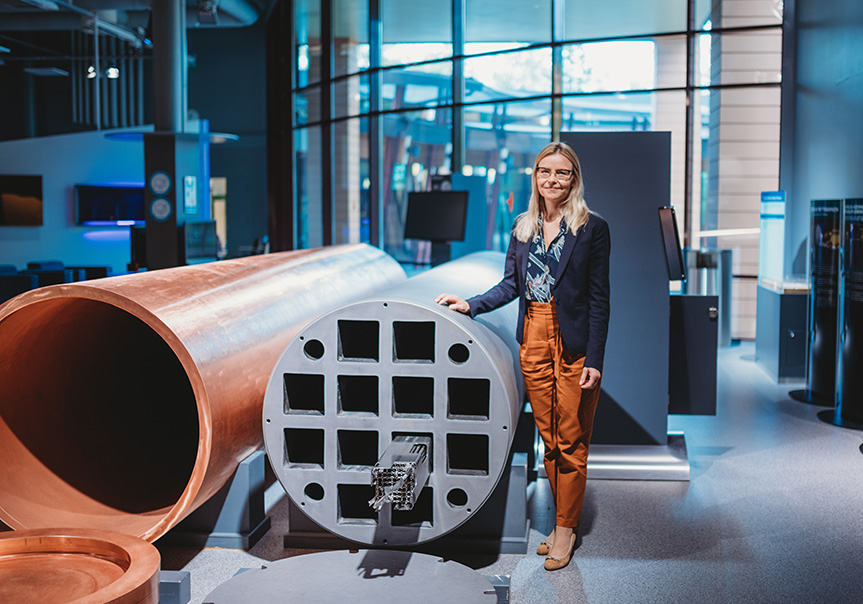
The First Permanent Repository for Nuclear Waste, Located in a High-Security Facility, Was Built at a Cost of US$ 4 Billion to Protect the Planet for Centuries.
Finland is about to complete a historic milestone in nuclear waste management. Located almost 450 meters underground, the Onkalo repository, estimated at US$ 4 billion, will be isolated from human presence for 100,000 years.
The project represents a long-term solution for the safe storage of radioactive waste, placing the country at the global forefront of nuclear energy.
An Underground Network for the Future
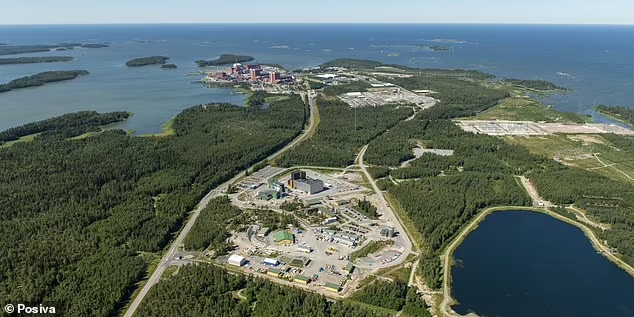
The Onkalo project is a network of underground tunnels nearly 10 kilometers long, located near the Olkiluoto nuclear power plant.
-
They were brilliant! Scientists discover that our ancestors in China were already making super advanced tools 160,000 years ago, changing everything we knew.

-
Scientists unveil 3 million years of climate secrets hidden in the ice of Antarctica.
-
Ancient farmers created “aggressive plants” that changed nature forever.

-
Astronomers find a “backward” solar system that ignores all the rules of space and leaves scientists scratching their heads!


This facility is designed to store the 6,500 tons of uranium waste generated by the country’s nuclear reactors. With a capacity factor of over 90%, Finland is a benchmark for energy efficiency in the nuclear sector.
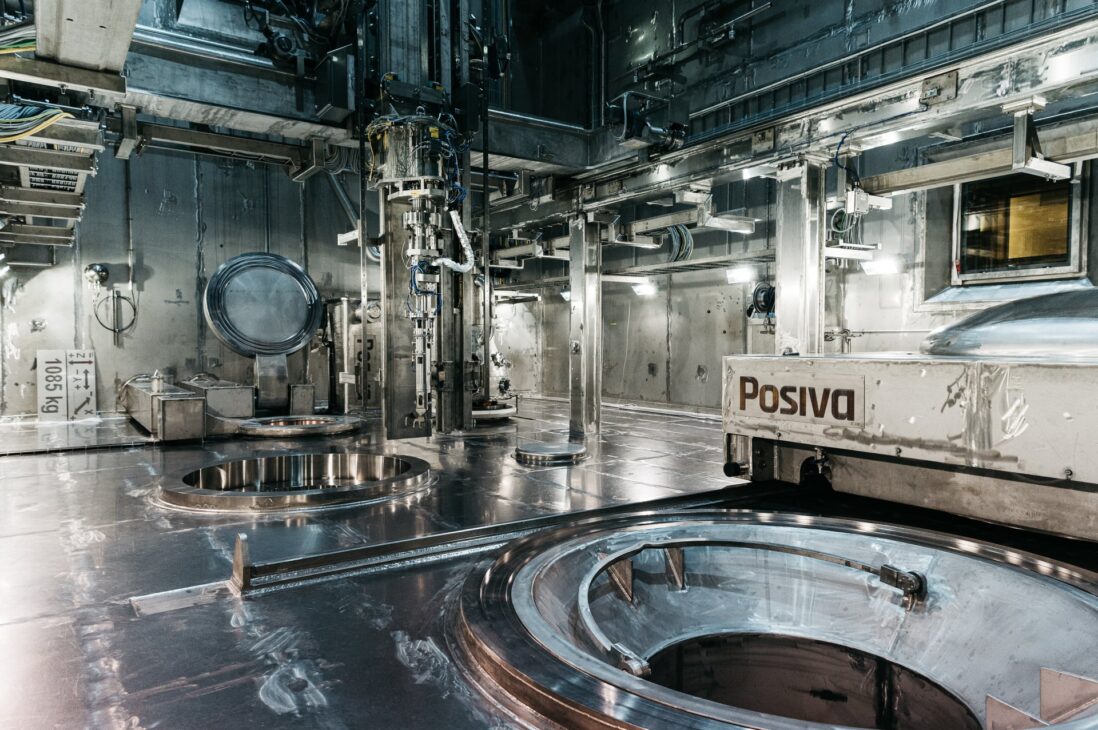
Since 2019, the organization responsible for nuclear waste management, Posiva, has been working to make Onkalo a permanent repository. By 2026, the plan is to bury 3,250 copper containers, each approximately five meters long and containing two tons of used nuclear fuel.
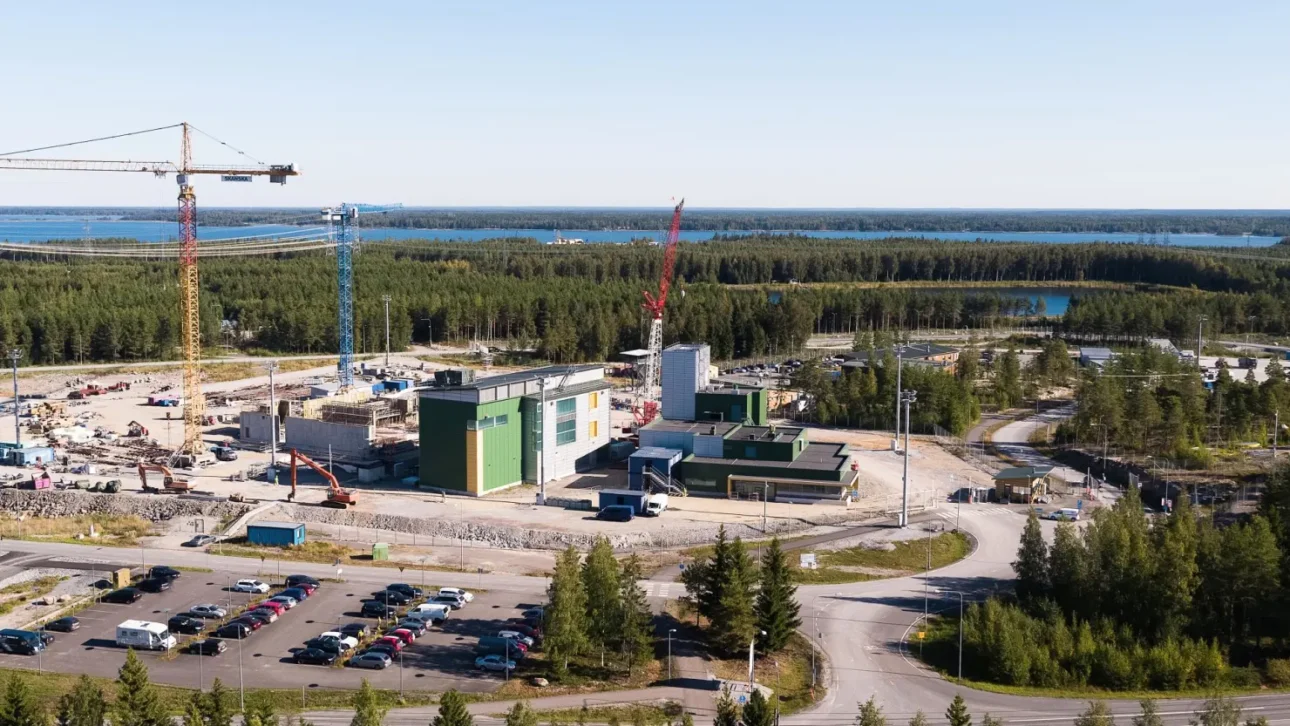
Credit: Posiva
Safe and Permanent Storage
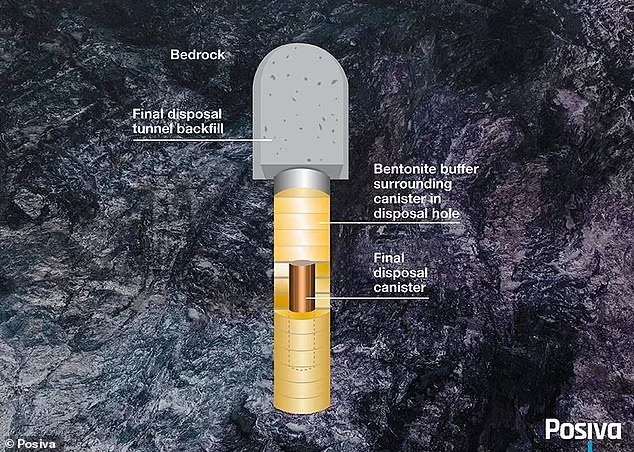
The disposal containers are made of copper, five centimeters thick, and wrapped in bentonite clay.
This combination ensures containment of radioactive materials, which will remain hazardous for tens of thousands of years. Additional protection is provided by the ancient granite that makes up the bedrock of the region.
Each tunnel has about 30 to 40 vertical drillings where the containers will be stored. After the tunnels are entirely filled, they will be sealed with bentonite clay plugs to prevent any contact with the external environment.
“Even if one or more barriers fail, we ensure that there will be no risk of radiation leakage to the environment”, highlighted Posiva.
Cutting-Edge Nuclear Waste Storage Technology
Onkalo is not just a repository, but also an example of advanced engineering. The system was designed to withstand earthquakes, glaciations, and other geological changes that may occur over thousands or even millions of years.
Since testing began in 2019, sensors have been installed to monitor for potential radioactive leaks. The results confirmed that the material remained contained, paving the way for the construction of tunnels and disposal areas.
The Nuclear Waste Challenge
While many countries have facilities for low- and intermediate-level nuclear waste, the safe disposal of high-level nuclear fuel remains a challenge. Currently, most waste is temporarily stored in tanks or vitrified and buried at shallower depths.
However, these methods do not guarantee long-term safety due to potential geological changes. Onkalo is the world’s first repository that offers a definitive solution, designed to last for thousands of generations.
Continuous Monitoring and Expansion
While the initial closure of the tunnel is scheduled for soon, Posiva will continue to excavate new tunnels and disposal areas until the year 2120. When the work is fully completed, all surface access connections, such as vehicle tunnels and shafts, will also be sealed.
According to Posiva, within one year after disposal, the radiation levels of the waste will drop to 1% of their original amount. Even so, a small fraction of the radioactive materials has an extremely long lifespan, requiring robust containment.
“Our goal is to ensure that the material is isolated until it no longer poses a risk to the environment or to future generations”, the organization stated.
A Model for the World
The Finnish initiative is a milestone for the global nuclear industry. The technology, rigorous testing, and commitment to environmental safety make Onkalo a model for other countries facing similar challenges.
The repository, while providing a practical solution, raises questions about intergenerational responsibility and the importance of careful planning. For the next 4,000 generations, Onkalo will be a reminder of how the past can shape the future.
When the last tunnel is sealed, Onkalo will cease to be just a facility and will become a monument to humanity’s commitment to safety and sustainability.







-

-

3 pessoas reagiram a isso.