





 Portuguese
  English
  Spanish
  5 min of reading
  28 comments


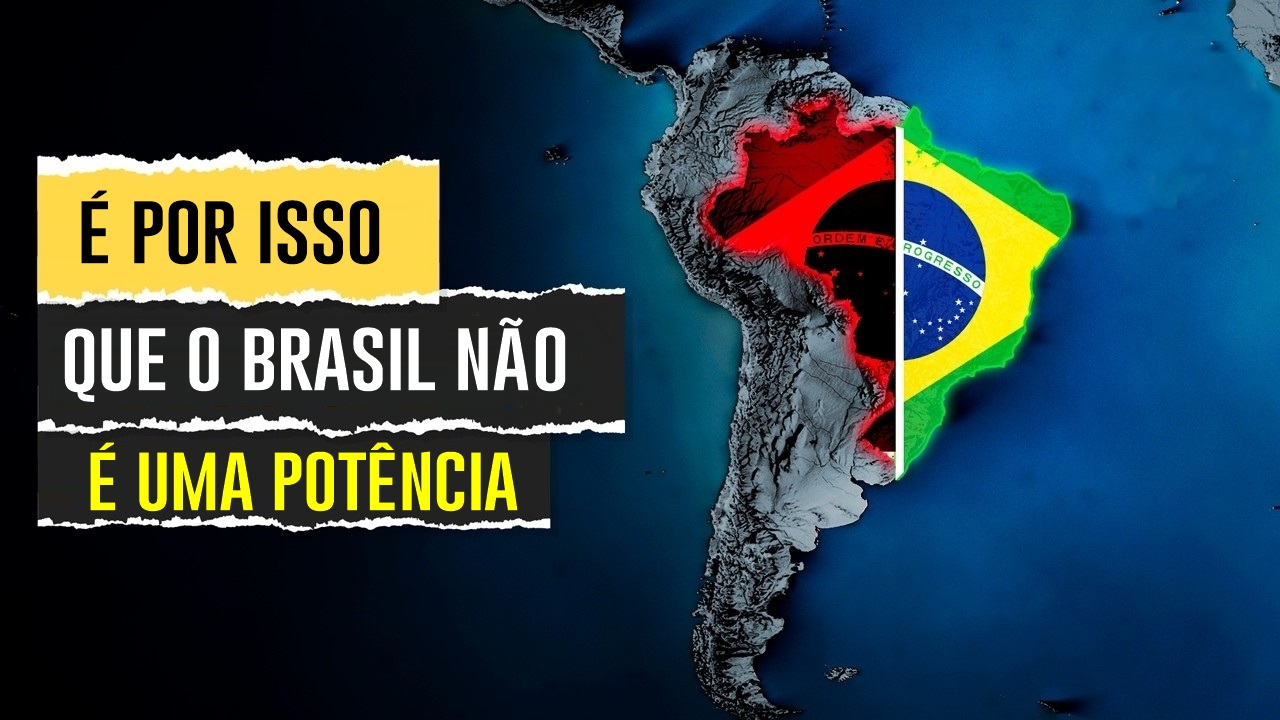


Despite Its Vast Natural Wealth, Large Territory, and Expressive Population, Brazil Has Not Yet Achieved Superpower Status — We Will Answer the Question: Why Is Brazil Not a Superpower
In 1820, at the height of the Industrial Revolution transforming Europe and the United States, Brazil already showed a clear economic lag. That year, Brazilian per capita income was $674, while the American figure reached $1,257 — almost double. But, after all, why is Brazil not a superpower?
Many decades have passed, and a gigantic chasm has developed between the two countries. In 2023, the GDP (GDP) per capita of the United States was US$ 65,020.35, while Brazil’s reached US$ 9,032.11.
Despite periods of rapid growth, such as in the 1960s and 1970s, Brazil has never managed to consolidate a robust and sustainable development trajectory in the long term.
-
Spain challenges the USA and closes its airspace for operations against Iran, raising global tension and provoking the threat of a trade rupture.

-
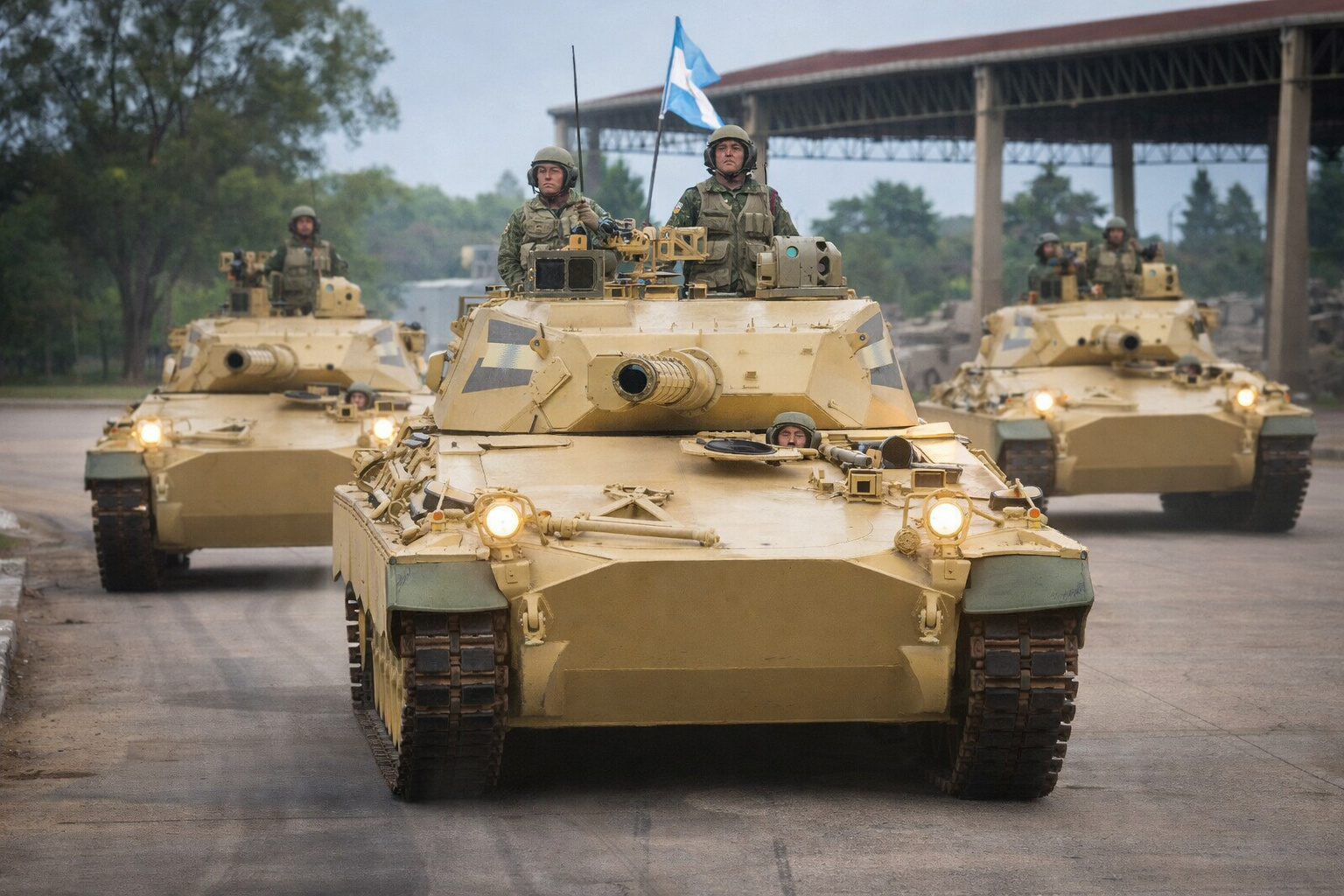
While no other country manufactures tanks in Latin America, Argentina activates the TAM 2C-A2 and raises a curiosity about the technological lag in the region.
-
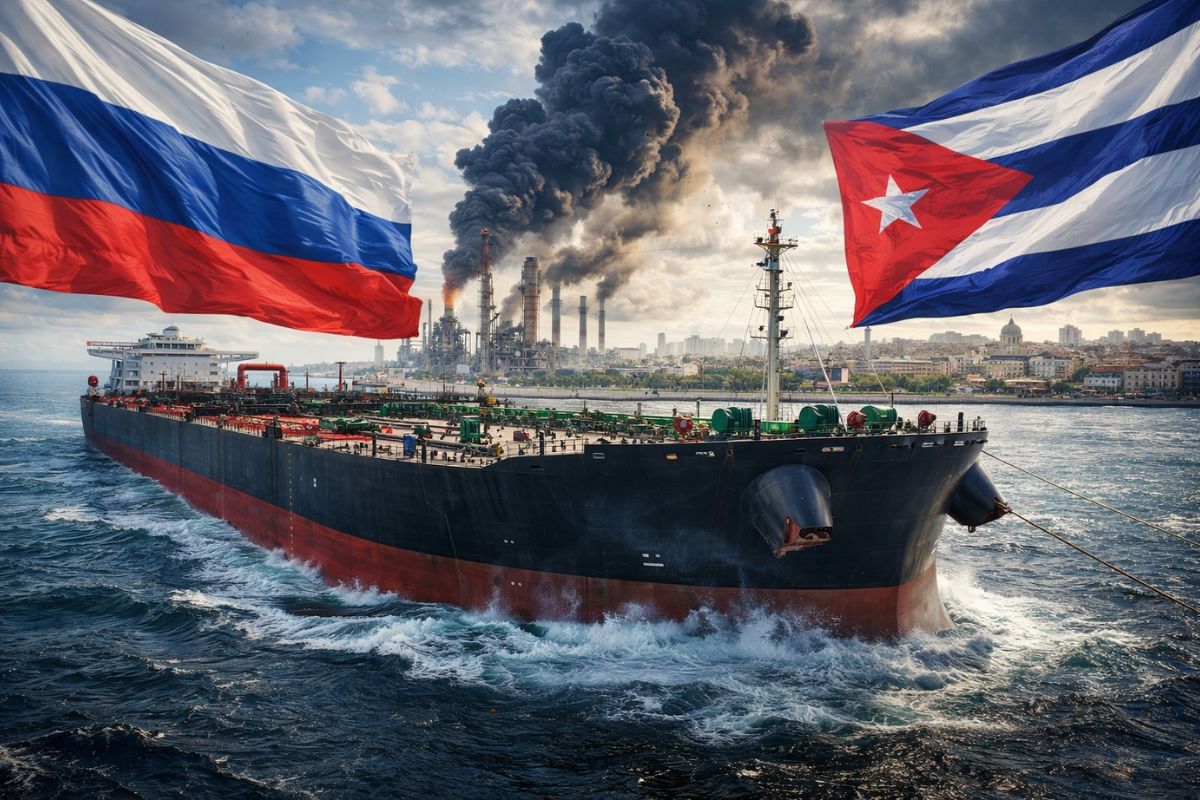
A Russian ship with 730,000 barrels of oil has just arrived in Cuba while Mexico negotiates fuel sales through private companies: the communist island is desperately seeking alternatives after losing its supply from Venezuela due to American military action.
-
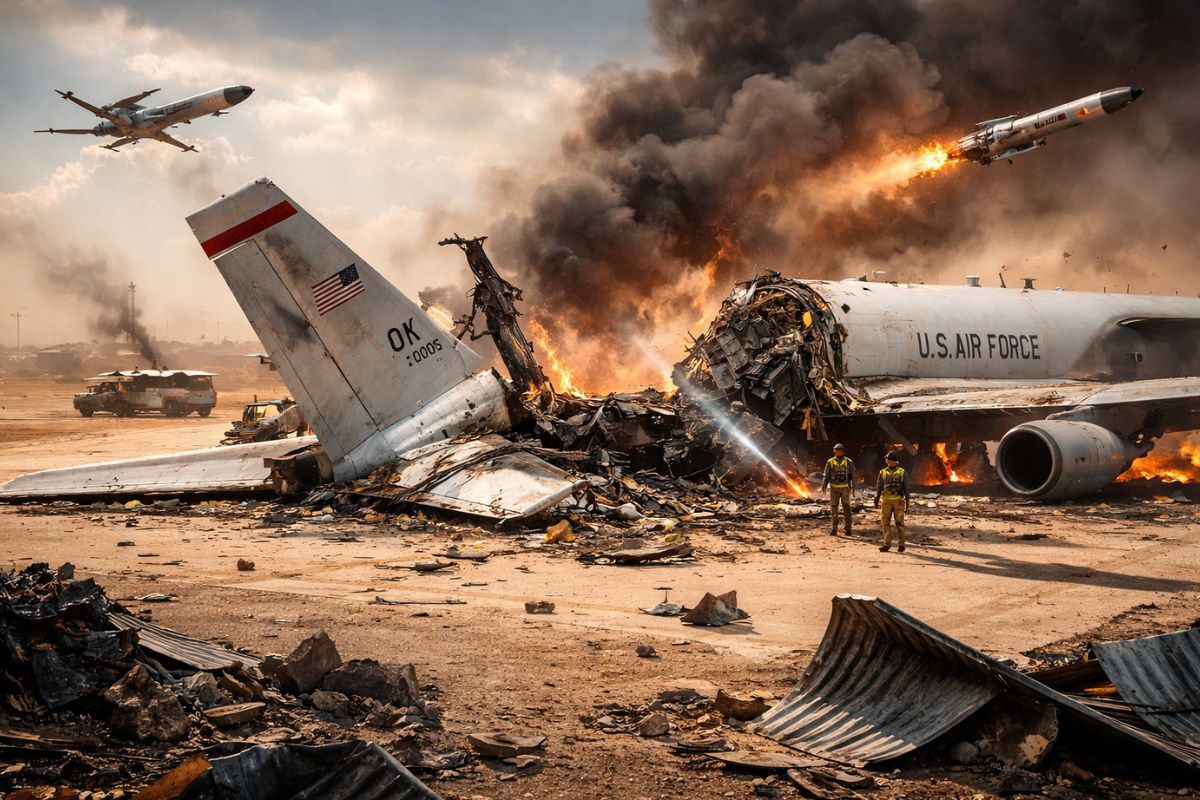
Iranian drones and missiles destroyed a 270 million dollar American spy plane in Saudi Arabia, splitting the E-3 Sentry aircraft in half and injuring 12 military personnel in an attack that exposes the vulnerability of U.S. bases in the Persian Gulf.

Several factors explain this overwhelming difference. Among the most debated is the short duration of our democracy compared to the American one.
Why Is Brazil Not a Superpower
With only 39 years of democratic stability, Brazil faces structural challenges that reflect centuries of social inequalities, low productivity, and inconsistent public policies. We will explain below the reasons Brazil is not a superpower.
Education
The quality of education in Brazil is one of the main barriers to development. In global rankings, the country occupies the last positions in basic learning indicators, such as reading, mathematics, and sciences.
The lack of adequate investment, combined with ineffective public management, results in a poorly qualified workforce. While developed economies invest in knowledge and innovation as growth engines, Brazil still struggles to provide quality basic education.
Research indicates that each additional year of schooling can increase productivity by up to 10%. However, with an average of years of study lower than 8 years for a large portion of the population, Brazil remains far from reaching the necessary potential to compete on the global stage.
Inequality
Social and economic inequality in Brazil is among the highest in the world. According to the most recent report from the World Bank, the country has an alarming Gini index, reflecting the concentration of income in a few hands. This disparity perpetuates through policies that favor elites and widen the gap between the rich and the poor.
The recent tax reform is emblematic of this logic. Although it has the potential to simplify the current system, it is compromised by exceptions that benefit specific segments, such as freelance professionals and services targeted at higher classes.
The perpetuation of privileges not only prevents fairer taxation but also overburdens the poorest, further reducing their capacity to consume and invest.
Deficient Infrastructure
The precariousness of Brazilian infrastructure is another significant barrier. Poorly maintained roads, obsolete ports, and an inefficient transportation system increase production costs and reduce the country’s international competitiveness.
Moreover, while energy infrastructure has advanced in recent decades, it is still insufficient to meet the growing demands of an expanding economy.
Basic sanitation is another glaring example. More than 30 million Brazilians lack access to treated water, and half the population lives without sewage collection. This reality not only affects public health but also limits human and economic development.
Corruption and Governance
Corruption is a chronic problem in Brazil. Scandals involving billion-dollar misappropriation of public resources are recurrent, undermining the public’s trust in institutions and driving away investors. Additionally, poor governance compromises the efficiency of the State and the implementation of public policies.
Excessive bureaucracy is also an obstacle to innovation and entrepreneurship. Studies show that Brazilian companies spend an average of 1,500 hours per year just dealing with tax obligations — a stark contrast to more developed economies, where this number is below 200 hours.
Environmental Sustainability
Brazil holds one of the largest biodiversities in the world, with the Amazon as the centerpiece of this unique ecosystem.
However, rampant deforestation and predatory exploitation of natural resources threaten not only the environment but also the country’s reputation on the international stage.
Environmental sustainability is increasingly a requirement for global trade.
Consumer markets demand that agricultural and industrial products meet stringent environmental criteria, and Brazil often faces barriers for failing to meet these standards.
The Cost of Privileges
As Marcos Lisboa highlighted, Brazil is a country of privileges. The culture of “half-price” — an expression symbolizing the pursuit of individual advantages at the expense of the collective — is deeply rooted in society. This is reflected in the formulation of public policies, resource allocation, and the perpetuation of inequalities.
The tax reform, despite its transformative potential, illustrates this dynamic well. The multiplicity of rates and the exceptions created to accommodate powerful lobbies compromise its effectiveness.
As Roberto Campos aptly stated, Brazil continues to “miss opportunities to not miss opportunities.”
Time as a Decisive Factor
Building a world power takes time and continuity. The United States, for example, has accumulated 247 years of stable democracy, while Brazil has only 38 years since the end of military dictatorship.
This historical difference is reflected in institutional solidity, political culture, and the ability to implement structural reforms.
The absence of a long-term vision in Brazil is evident. Changes in government often result in a discontinuity of public policies, undermining infrastructure, education, and innovation projects.
A Future for Brazil with Difficult Decisions
The challenges preventing Brazil from becoming a world power are numerous but not insurmountable. Investing in quality education, reducing social inequalities, modernizing infrastructure, combating corruption, and adopting sustainable practices are essential steps to unlocking the country’s potential.
However, these changes require political courage, commitment from the elites, and active participation from civil society. Brazil needs to overcome the logic of privileges and adopt a collective vision of development.
Until this happens, we will continue to affirm the bitter phrase from Roberto Campos: Brazil, in fact, does not miss opportunities to miss opportunities.






O Brasil é tudo de bom, sempre foi, tem bons políticos e um povo maravilhoso, o que emperrou nosso desenvolvimento é a exploração dos que dominam os mercados, a moeda, as armas, que subjugam, que fazem falsas revoluções, como as recentes na líbia, Iraque, Afeganistão, Ucrânia, Síria a dita primavera Árabe, com dinheiro 💰 e armas tiram a soberania e impõem governos, como aqui onde colocaram o Lula, que foi julgado, condenado e preso por roubo. Talvez agora com o mundo multipolar, Europa, China, EUA, Rússia, índia possamos ter trocas justas e desenvolvimento sustentável que chegue a toda população e claro bomba atômica unção forma de ter respeito, vez e voz.
Leiam o texto, quantos anos de “estabilidade democrática”? R 39. Quantos anos governados por PT ou PSDB ? Esquerda ou “centro-esquerda”? Acho que já temos a resposta da ineficiência do Estado
Falou bem. Considero o fator mais importante como freio do desenvolvimento a corrupção.