





 English
  Francês
  Alemão
  Italiano
  Japonês
  Norueguês
  Portuguese
  Spanish
  3 min of reading


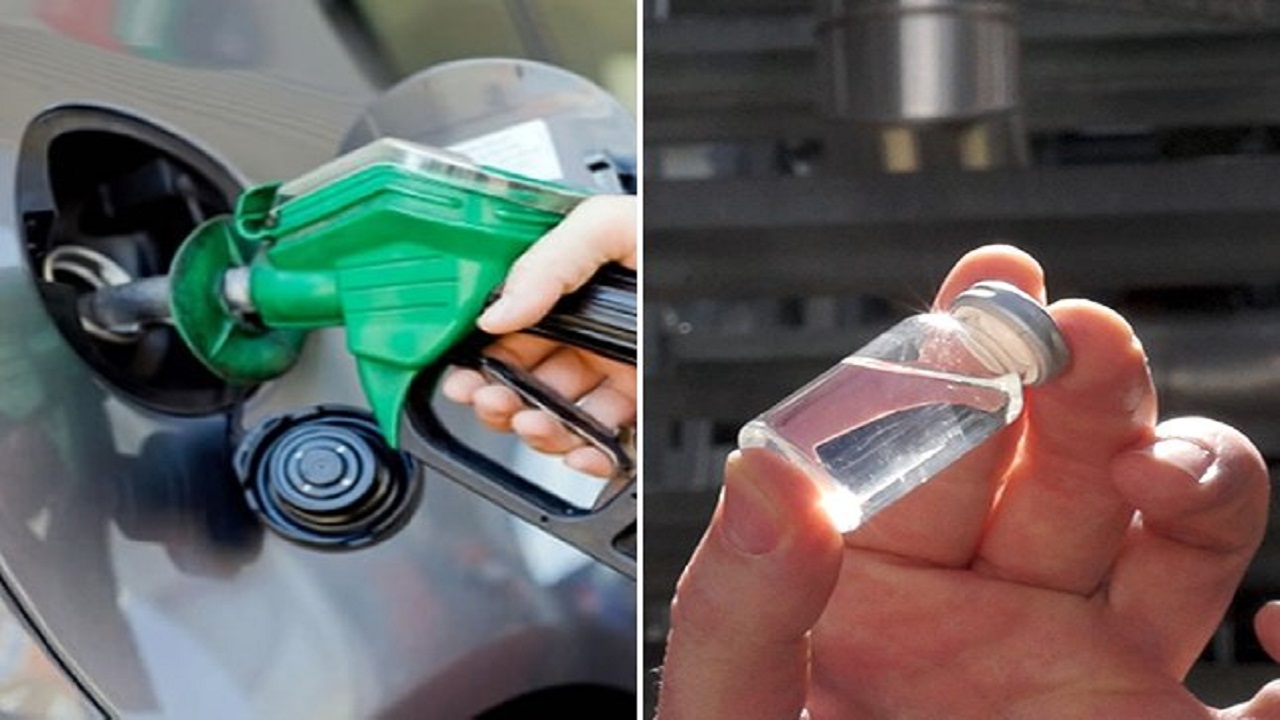
Even With The Growing Rise Of Electric Cars, Porsche Also Keeps Its Focus On The Future Of Internal Combustion Cars. The Future Synthetic Gasoline Factory Will Ensure That No Internal Combustion Car Struggles In A Few Years, As Well As The Aviation Sector
During an event featuring companies led by Siemens and Porsche, it was announced that construction of the world’s first synthetic gasoline factory began last Friday (10). The ‘e-fuel’ will be made from carbon dioxide and water, and can be used by any internal combustion car. Although it is a “simple” process, it is also an expensive one, which would have no advantage if done anywhere other than in the Chilean Patagonia, where the Haru Oni plant will be consolidated. This great advantage comes from the strong winds between South America and Antarctica, which are constant in both frequency and direction, meaning ideal conditions to generate electricity.
Also Read
Guidelines For The Operation Of The World’s First Synthetic Gasoline Factory

The ambition of the consortium supported by the Chilean government goes far beyond investing in non-polluting energy generation. They plan to clean the atmosphere by capturing the gases emitted during the consumption of synthetic gasoline, knowing that ⅔ of the water turns into “green hydrogen” and the rest returns to the environment as pure oxygen.
Following the process, carbon is added, in a process that will capture carbon dioxide from the air, resulting in a reduction of the greenhouse effect. The degree of complexity will begin to increase, so Porsche will receive help from ExxonMobil, a major energy company.
-
Engineers propose a fourth traffic light for intersections – the change promises to affect crossings, queues, and waiting times.

-
Chevrolet Suburban Z71 lands in Brazil with a V8 engine, off-road design, air suspension, seven seats, and colossal size, a rare version imported for around R$ 1.3 million with luxury and exclusivity.
-
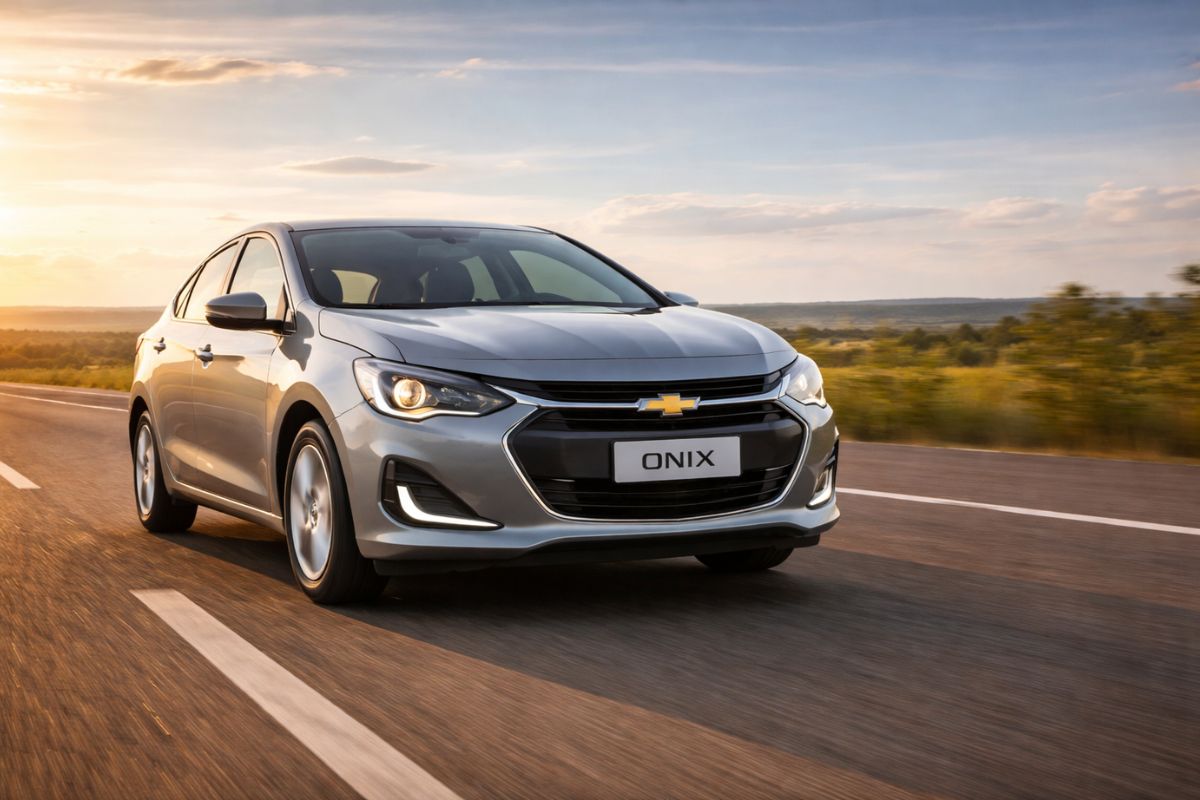
The Chevrolet Onix 1.0 turbo achieves 17.7 km per liter on the highway and ranks among the three most economical cars in Brazil in 2026, alongside two more expensive Toyota hybrids available at dealerships.
-
Little sister of the Hilux: Toyota launches Land Cruiser FJ with 4 radical versions, 2.7 engine with 166 hp and 4×4 traction with locking.

Porsche’s Project And Other Companies Generate Expectations Among Consumers
Porsche believes this is a major project with huge chances of success, as it is a very attractive novelty that piques the curiosity of major investors since it is not every day that a large company announces it will build a synthetic gasoline factory, thinking about the future of internal combustion cars and aviation, in addition to caring about the environment.
Michael Steiner, a member of the Executive Board for Research and Development at Porsche, stated that the e-fuel will help reduce about 90% of toxic emissions in internal combustion car engines. Even with this illustrative idea of environmental preservation, internal combustion cars fueled by synthetic gasoline will also pollute, but at a much lower intensity than currently.
It is necessary to understand that car enthusiasts and other consumers should realize that internal combustion cars will still be the least ideal for transportation, even if the tank is filled with synthetic gasoline. However, the encouragement to use this gasoline will be essential for reducing the emissions of toxic gases. Pollution will always exist, but with the use of this gasoline, atmospheric pollution will decrease dramatically.
Synthetic Gasoline Could Revolutionize The Fuel Market
Observing the rise in fuel prices and thinking about the end of dependence on oil in the international market, scientists are working on creating a synthetic gasoline called e-fuel. The new product is not derived from oil and uses water and carbon dioxide as raw materials, promising to save the fuel market.
According to engineer Everton Lopes, fuels similar to synthetic gasoline have the advantage, like ethanol, of neutralizing the carbon generated during their combustion, in addition to utilizing the infrastructure of refueling stations. They can be extracted in the form of diesel or gasoline, therefore, requiring no alterations to older engines that used the fossil version of fuels.









Seja o primeiro a reagir!