





 Portuguese
  English
  Spanish
  5 min of reading
  0 comments


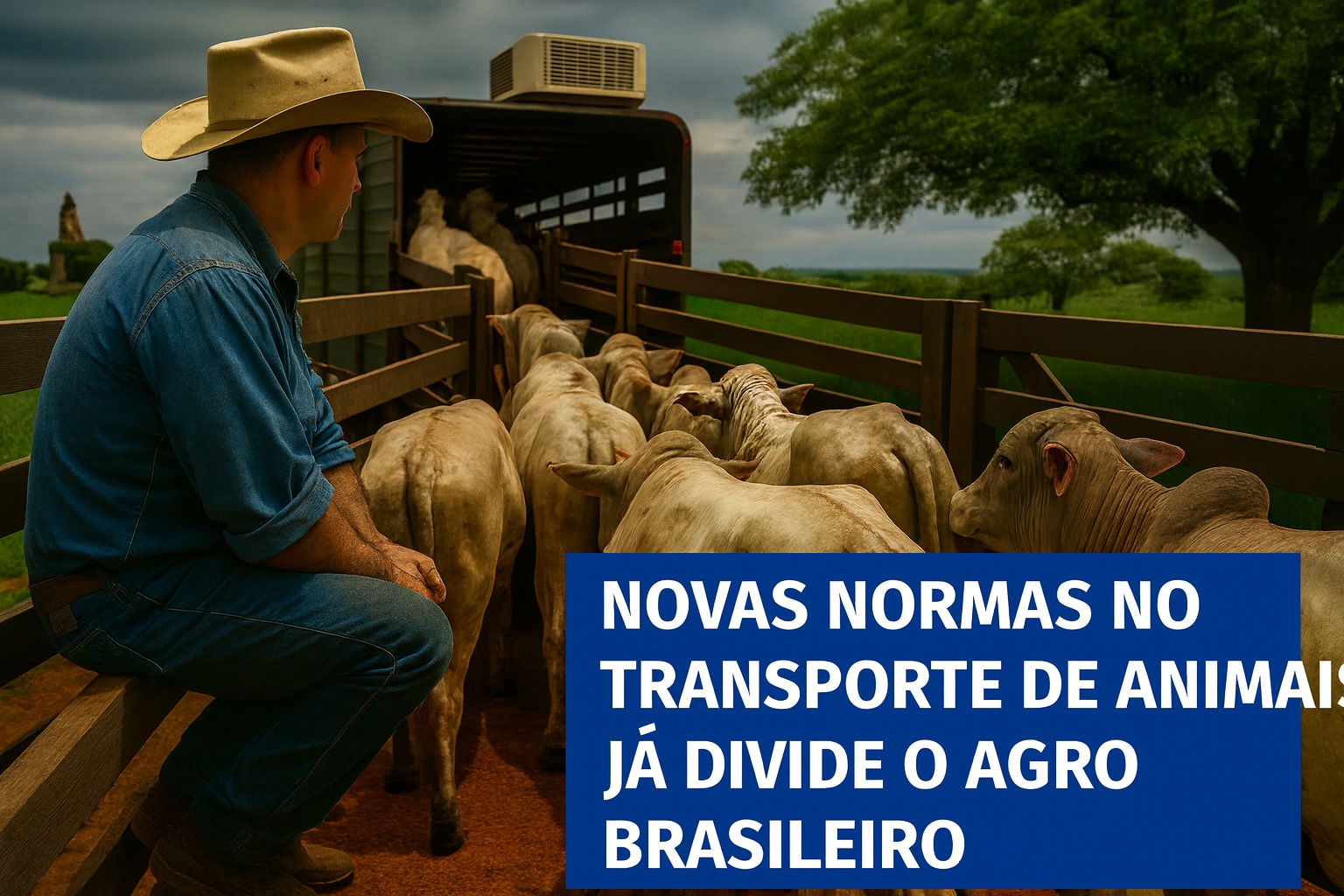
New MAP Regulation Changes Rules For Cattle, Swine, Birds, And Equines, Requires Investments In Vehicles, Handling, And Freight, Divides Productive Sector And Reignites Debate Between Animal Welfare And Viability
The Ministry of Agriculture and Livestock published Ordinance SDA No. 1,295/2025, which sets new rules for the transportation of production animals in Brazil, expands welfare parameters, imposes logistical changes, and raises concerns in the sector about the economic and operational impact across the country.
The regulation establishes technical guidelines for transporting cattle, swine, birds, equines, and other species, covering road, rail, river, maritime, and air modalities, with requirements affecting everything from pre-boarding to unloading.
According to MAPA, the initiative aims to align Brazilian livestock with international standards and strengthen the country’s image as an exporter of animal protein, but representatives of the productive sector warn of high costs and practical implementation difficulties.
-
Irrigation pond breaks on a farm in southern Piauí, leaving the reservoir empty and a trail of damage; nearly 1 billion liters flood a soybean field, causing losses, with no injuries reported, and the causes still officially unknown.

-
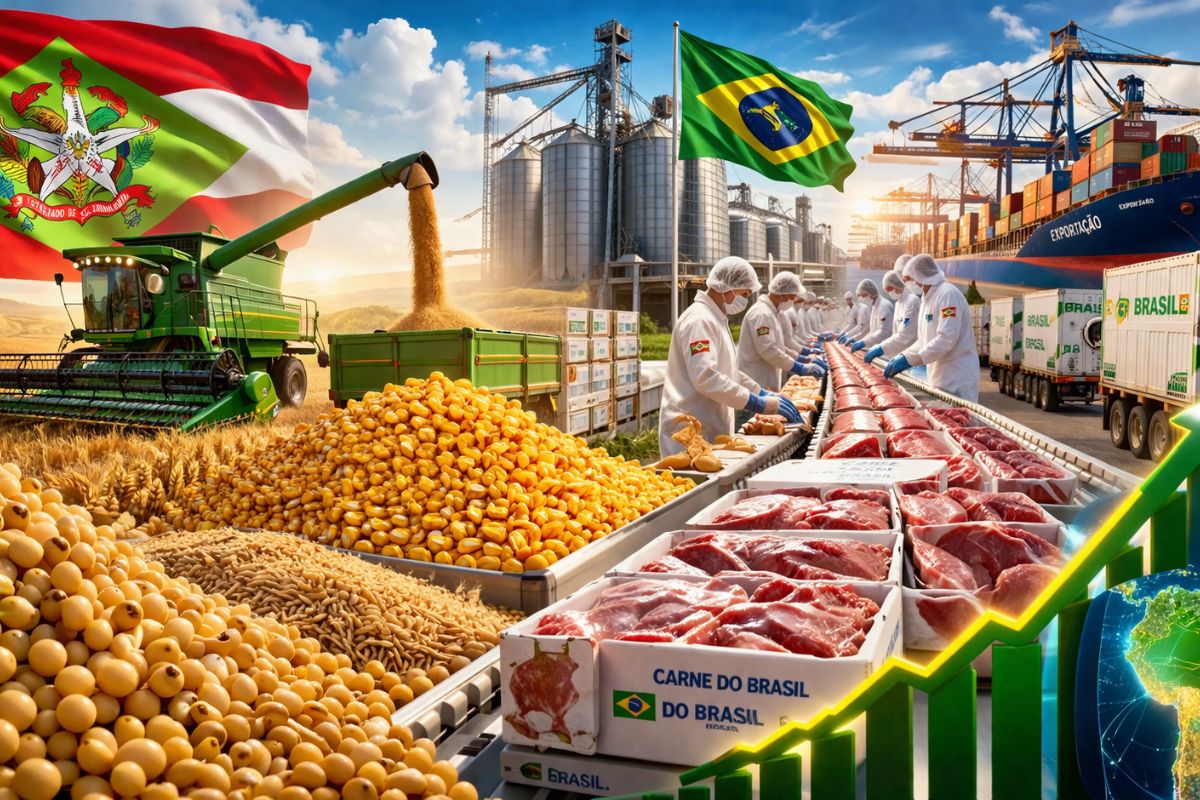
Santa Catarina harvested 7.85 million tons of grains and exported 2 million tons of meat in 2025: a growth of almost 6% in the food industry, which is four times higher than the national average and drives the entire Brazil.
-
The expansion of greenhouses in southern Canada has become so intense that it has changed the appearance of the soil and even the nighttime glow of the region, transforming Ontario into one of the most visible agricultural hubs in North America from space.

-
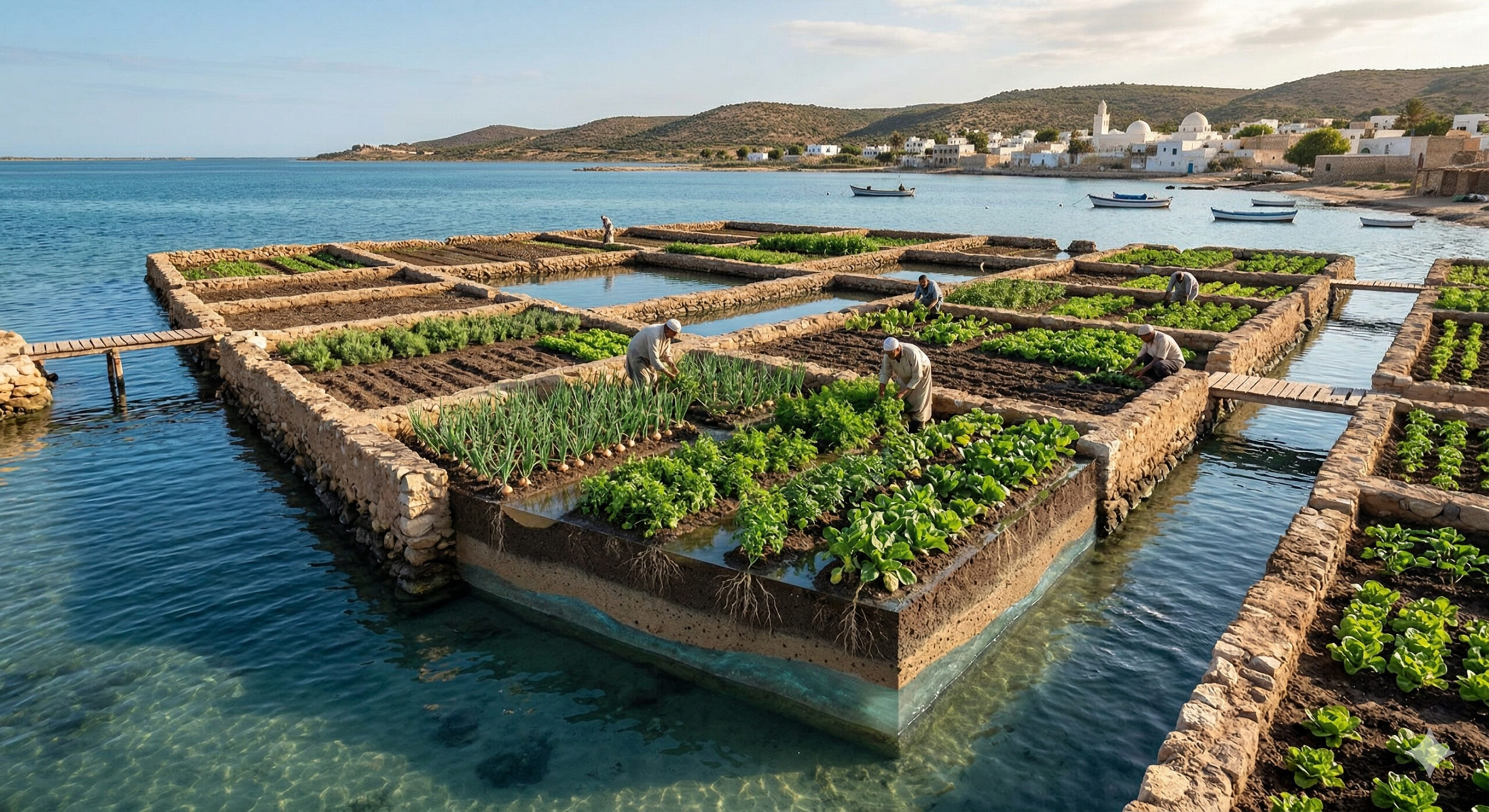
Almost nobody imagines it, but farmers in Tunisia grow food in the sand and make the roots drink fresh water that floats on top of seawater in an agricultural system considered unique in the world.
Producers, transporters, farms, and slaughterhouses claim that adaptation will require investments in vehicles, changes in handling, revision of freight contracts, and logistical reorganization, especially for long trips, which are common in a country of continental dimensions.
Air Conditioning In Trucks? What Changes In Practice:
The ordinance contains more than 100 articles distributed across 11 chapters and details technical criteria for all stages of transportation, with specific parameters for space, feeding, water, ventilation, monitoring, and mandatory records for each operation.
Among the main requirements are reducing stocking density, the mandatory provision of water and food on long trips, scheduled breaks, and the requirement for suitable infrastructure in transport vehicles.
The text also provides for the hiring of an Animal Welfare Assistant, a qualified veterinary or animal scientist professional, to accompany certain trips and ensure compliance with the established regulations.
For certain species, such as equines, the ordinance mandates the creation of individual stalls, while all operations must adopt a Self-Control Plan and Travel Diary with detailed records of handling, schedules, and cleaning.
Pressure On The Pocket: Increase In Freight Costs For Animal Transportation
The main criticism from the sector is the direct financial impact, as reducing the number of animals per trip decreases freight efficiency and raises the unit cost of transportation.
In addition, transporters will need to invest in structural adaptations, such as movable dividers, light-colored roofs, ventilation systems, water and feeding equipment, and mandatory training.
The ordinance itself requires water tanks with a minimum capacity equivalent to 1.5% of the vehicle’s payload, the use of bedding with absorbent material, and systems to monitor air quality and temperature throughout the journey.
Non-compliance with the regulations may result in warnings, fines, and even the interdiction of vehicles or cargo, according to the current health legislation applied to the transportation of production animals.
The Sector’s Criticism: Regulations Made In The Office
Parliamentarians linked to agribusiness assert that the intention to improve animal welfare is legitimate but criticize the way the rules were constructed, pointing to a lack of dialogue and disconnection from the reality of the field.
Deputy Lúcio Mosquini (RO) questions the practical viability of the requirements, citing the need for onboard professionals and complex structural adaptations in trucks used daily in the countryside.
Deputy Pedro Lupion, president of the Parliamentary Front for Agriculture, states that generic concepts and broad interpretations could generate legal insecurity, more bureaucracy, and increased costs for producers.
Public Consultation And Staggered Enforcement
Before the final publication, Ordinance No. 1,280/2025 was subject to public consultation for 90 days, with open participation through SISMAN, according to the Ministry of Agriculture and Livestock.
After consolidating the text, the regulation outlines staggered adaptation timelines, with differentiated entry into force based on the theme and the mode of transportation involved.
Chapter IX, which addresses air transportation, will take effect 12 months after publication, while chapters on responsibilities, self-control, river transport, and long trips will have a 24-month period.
The other requirements will take effect six months after the official publication, allowing for a gradual adaptation by operators in the livestock chain.
Animal Welfare Versus Economic Viability
MAPA maintains that the rules comply with international standards and bring reputational gains to Brazil in the global animal protein trade, reinforcing commitments to sustainability and welfare.
The productive sector, however, calls for caution and technical debate, highlighting operational challenges, intense climate variations, long distances, and infrastructure limitations that impact the uniform application of the regulations.
The balance between regulatory advances and economic viability has become the center of the discussion, with calls for adjustments that consider the regional and productive diversity of the country.
Summary Of The Proposal: What Changes In The Rules For Animal Transportation
The ordinance defines minimum height for compartments, using specific formulas for cattle, sheep, equines, birds, and rabbits, ensuring free space above the withers or adequate movement.
It also establishes minimum density per species and weight, with the formula S = kP^(2/3), setting, for example, 1.52 m² for cattle weighing 300 kg and 0.58 m² for pigs weighing 100 kg.
On long trips, there is a requirement for daily minimum provision of forage, feed, and water, with percentages defined according to species, as well as technical criteria for the physicochemical quality of the water.
Economic And Legal Impacts
Non-compliance with the rules may lead to infraction notices, fines, warnings, and interdicts, based on Law No. 1,283/1950, Decree No. 5,741/2006, and RIISPOA, according to MAPA.
In addition to sanctions, reduced stocking, the requirement for individual stalls, and new equipment are expected to increase freight contracts and demand legal and economic planning from companies.
What Is Not True About The New Rules For Animal Transport: Air Conditioning In Trucks
There were reports that trucks would be required to have air conditioning and heating, but this requirement was neither approved nor included in the current ordinance.
The proposal was debated, attracted criticism, and was considered unfeasible, not being implemented by MAPA, which maintained only technical criteria for ventilation and environmental monitoring.
With information from Compre Rural.







-

-

2 pessoas reagiram a isso.