





 English
  Francês
  Alemão
  Italiano
  Japonês
  Norueguês
  Portuguese
  Spanish
  2 min of reading


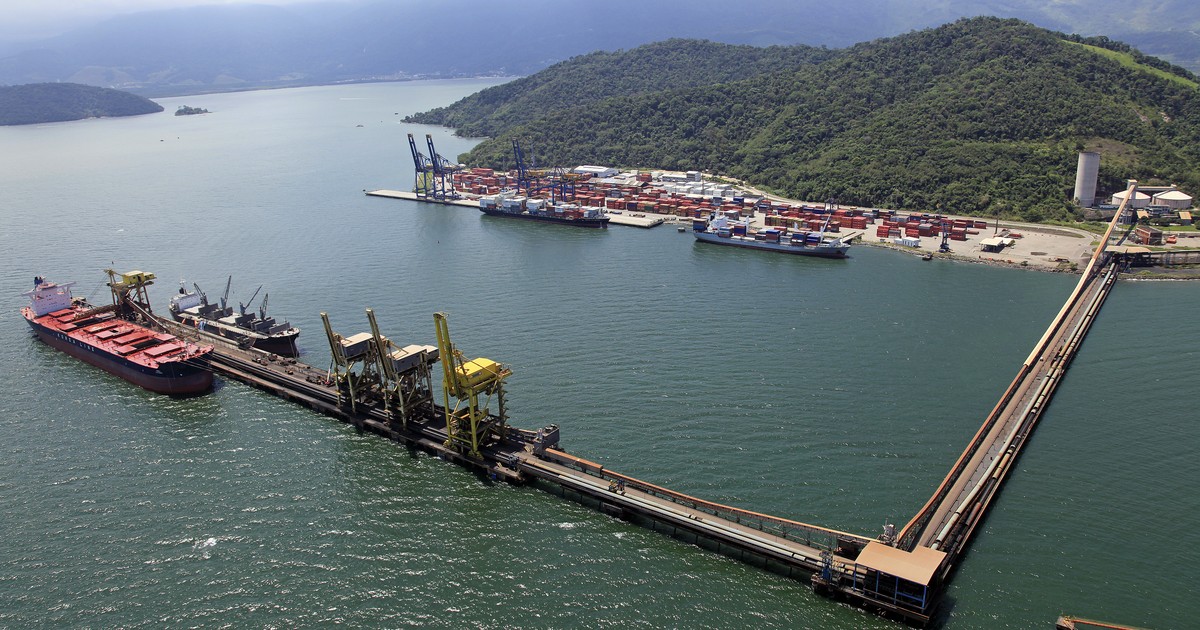
With the Purpose of Increasing Safety, the Port Authority of Rio de Janeiro – CDRJ, Plans to Implement Dynamic Draft at the Port of Itaguaí.
The Port Authority of Rio de Janeiro (CDRJ) estimates that with the implementation of the new dynamic draft, there will be an average gain of up to 1 meter over the current maximum draft of 17.80 meters, in addition to more agility in the use of the navigation channel in Sepetiba Bay.
Interested in implementing the demonstration of the system known as DUKC (acronym for Dynamic Underkeel Clearance), the Australian multinational OMC International started on the 3rd of this month, measuring the maneuvers at the port and the feasibility studies for adopting the system, which should be completed by July 20.
-
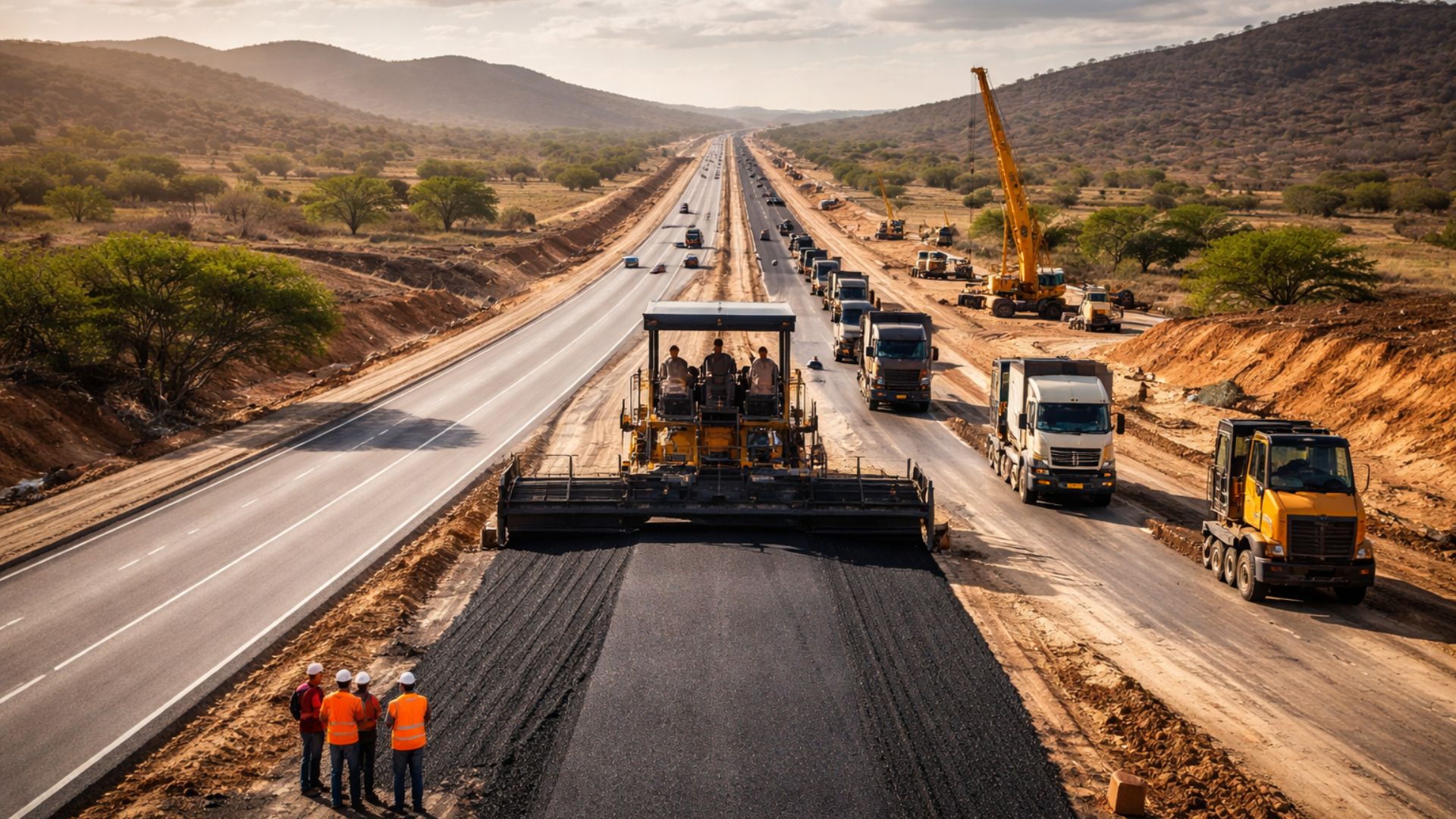
Government unlocks R$ 554 million for a highway that has been requested for decades and accelerates the duplication of BR.
-
Without bricks, without cement, and without endless construction: the cardboard house that is assembled in modules and can be moved.

-
Billions of barrels on the equatorial margin could lead Amapá to double its oil production in Brazil — the state aims to enter the route of companies in the Campos Basin, attract investments, and boost jobs and businesses in the oil and gas sector.

-
Without bricks, without cement, and without endless construction: the cardboard house that is assembled in modules and can be moved.
The DUKC is a monitoring system that analyzes how various environmental factors affect the behavior of each vessel to calculate the maximum operational draft for each maneuver. The system’s implementation ensures that vessels, even under adverse meteorological and oceanographic conditions, will maintain a safe depth between the keel and the navigation channel.
A series of variables are considered such as: type of ship, speed, tides, winds, currents, waves, salinity, draft due to speed, and the vessel’s path in the channel.
All this information along with bathymetric data and channel characteristics is processed in real time, generating a model that allows for the maximum draft to be presented in each situation, considering the vertical displacement of the moving ship, without compromising navigation safety. This monitoring facilitates decision-making regarding the entry and exit of ships.
The use of this technology also brings economic benefits, as it allows for optimizing the loading capacity on vessels, reduces the waiting time of ships at the port, and maximizes operations in the channel by increasing the windows for entry and exit.






Seja o primeiro a reagir!