






 Portuguese
  Spanish


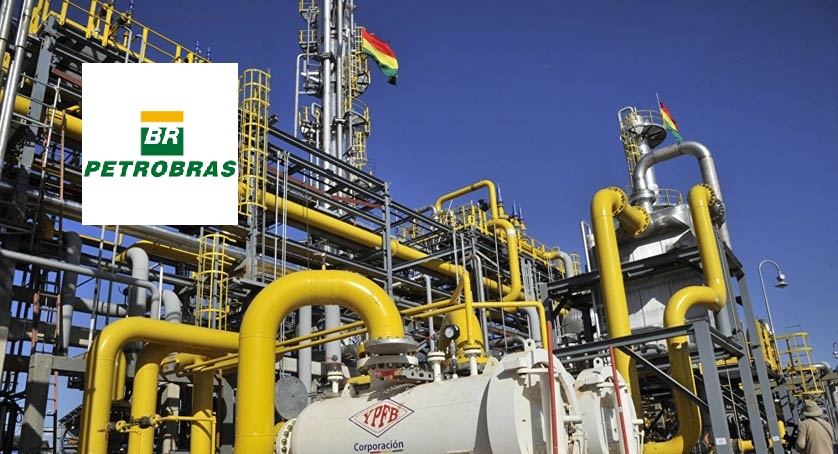

YPFB – Bolivian State Oil Company, Announced on Tuesday, 09, Its Interest in Launching a Purchase Offer for Petrobras Pipeline, Which Brings Gas from Bolivia to Brazil.
Bolivian oil company YPFB expressed its interest on Tuesday, July 09, in launching an offer for a stake in the pipeline that brings gas from Bolivia to Brazil. The state-owned company states that the objective would be to secure better terms for its commercialization.
The Bolivian company intends to make the bid for an undisclosed portion of the 51% stake owned by Petrobras in the Brazilian Transporter Bolivia-Brazil Gas Pipeline (TBG), which transports Bolivian natural gas from the border between the countries to São Paulo, the company stated in a release.
-
Lenovo Unveils Legion Y700 Tablet with RGB Backlighting, 5G, and SIM Card Support
-
Lenovo Unveils Legion Y700 Tablet with RGB Backlighting, 5G, and SIM Card Support
-
Northern Brazilian City Prepares Task Force to Mitigate El Niño Impacts with Stockpiled Fish, Drone Monitoring, Firefighting, and Water Supply Reinforcement in Remote Areas

-
Brazil to Issue “Panda Bonds” in China, Aiming to Raise Up to 5 Billion Yuan at Lower Interest Rates Than Dollar Debt

According to YPFB, increasing its current 12% stake in the pipeline would allow it to negotiate directly with natural gas distribution companies and private sector industries.
Petrobras Is Forced to Exit the Brazil-Bolivia Pipeline
On Monday, July 8, Petrobras stated that it would sell its stake in TBG as part of an agreement with Cade (Administrative Council for Economic Defense), which foresees a series of divestments from the oil company.
The agreement between the oil company and Cade is the reason for the opening process of the gas market. The government estimates that this deal will attract investments of up to R$ 32.8 billion in new pipelines and terminals by 2032 and reduce prices by up to 40% to stimulate industry and boost economic growth.
The Brazil-Bolivia pipeline is the main transport channel for gas in the country. It crosses Mato Grosso do Sul, São Paulo, Paraná, Santa Catarina, and Rio Grande do Sul, passing through 136 cities.
Through it, 30 million m3 of gas are delivered daily to seven local distributors. The pipeline also directly supplies thermoelectric plants and refineries along its route.







