





 Portuguese
  English
  Spanish
 3 min of reading


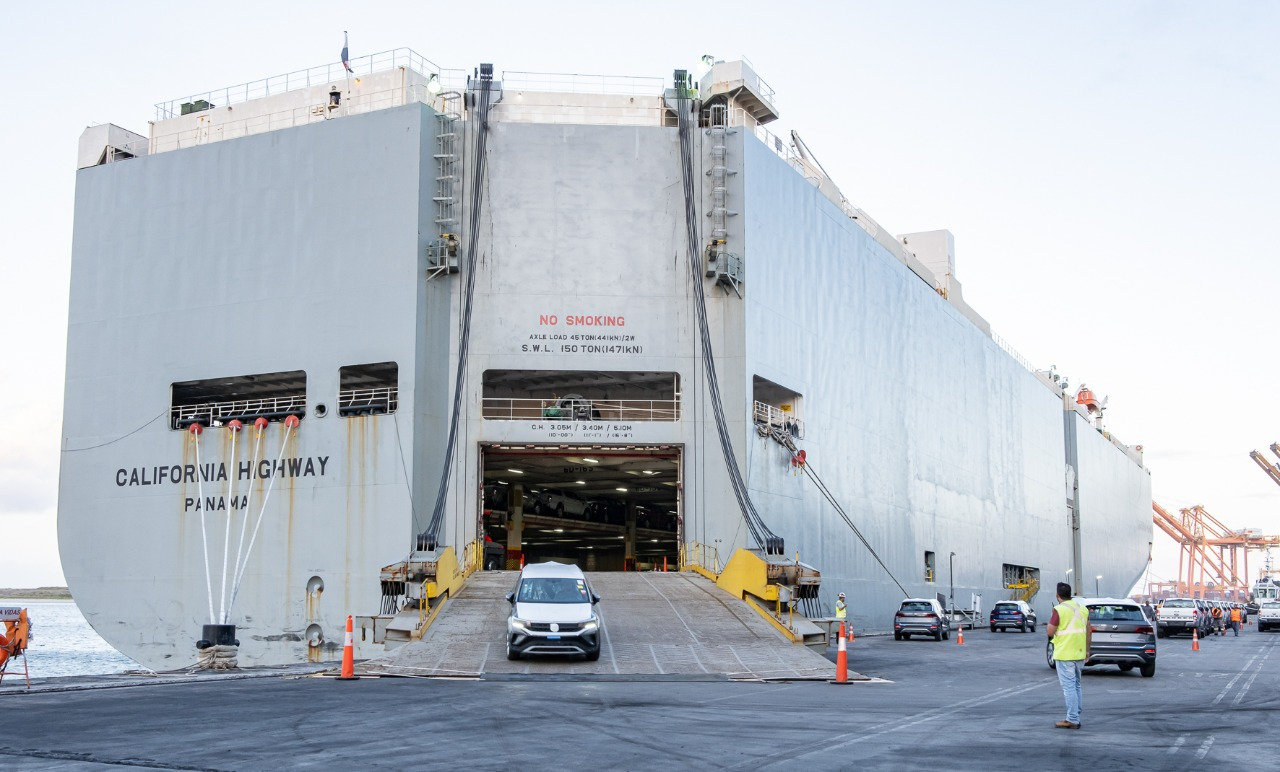
Aiming For A Logistics Optimization Plan In The Brazilian Northeast, Volkswagen Brazil Uses The Port Of Suape For Operations. The Company Seeks More Optimization And Quality For Its Actions And Creates Expectations At The Port Terminal.
On Wednesday (07/20), Volkswagen Brazil announced that it has resumed using the Port Of Suape for logistics optimization in the Northeast of the country. The resumption of the partnership aims to bring more agility in the distribution of vehicles from the brand to customers in the Northeast region.
Greater Agility And Optimization In Operations Is The Company’s Focus By Using The Port Of Suape As Its Ally
In this sense, Volkswagen creates great expectations with the Port Of Suape and seeks, through the partnership, greater optimization of vehicle distribution operations and logistics in the Brazilian Northeast. Thus, the Pernambuco port terminal has already received the first batch of vehicles, around 60 units of the Taos model, coming from Argentina.
“Suape is strategic and very advantageous for the brand and customers, as we will be able to distribute our vehicles with more agility in the Northeast. It is located within 800 kilometers of the main consumer centers in the region, which allows for reductions in logistics costs and CO2 emissions; and faster service for the dealership network,” says Ciro Possobom, CEO of Volkswagen Brazil.
-
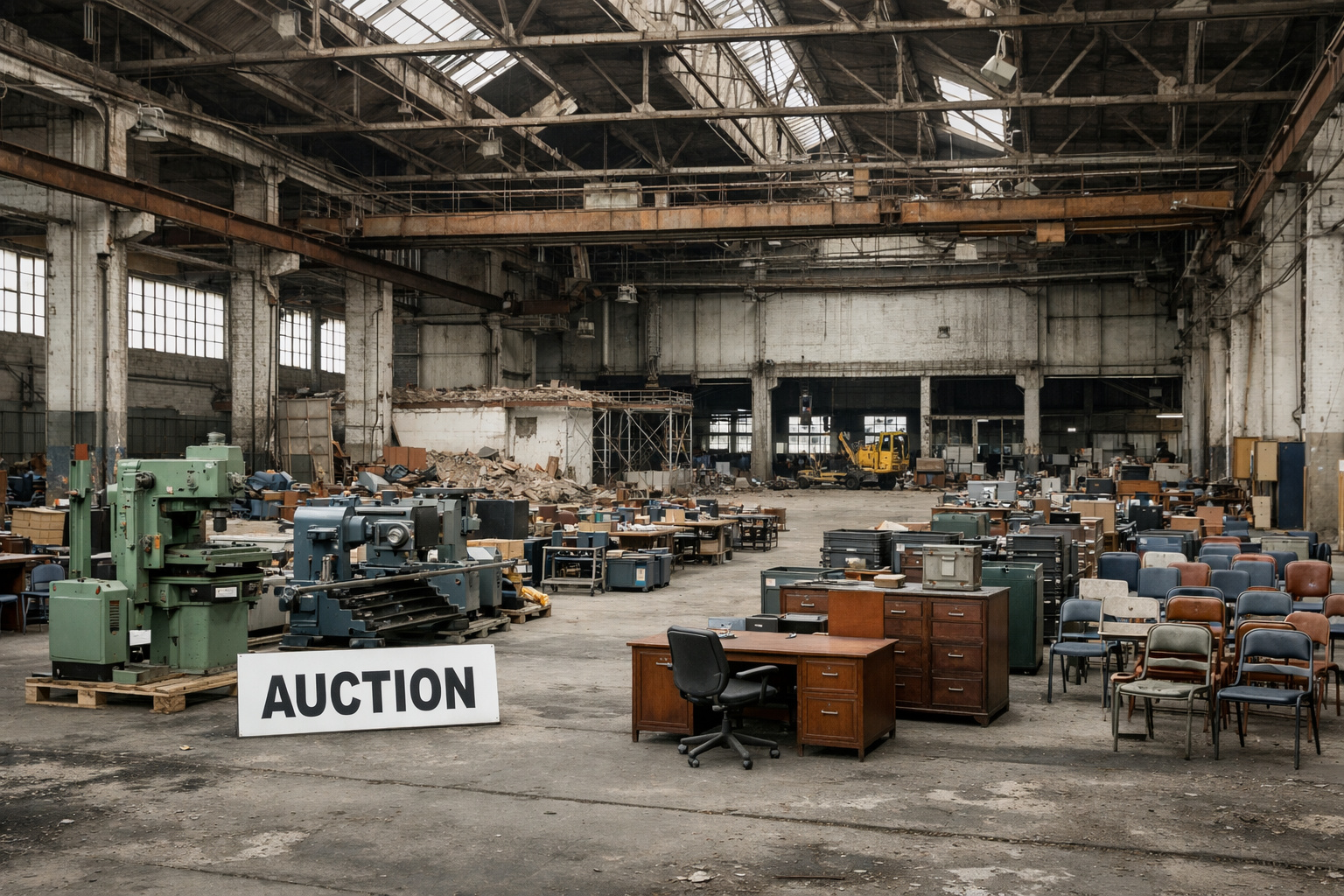
Historic bankruptcy of Centauro shocks the market, and the century-old company puts more than 500,000 products, machines, and complete infrastructure up for online auction.
-
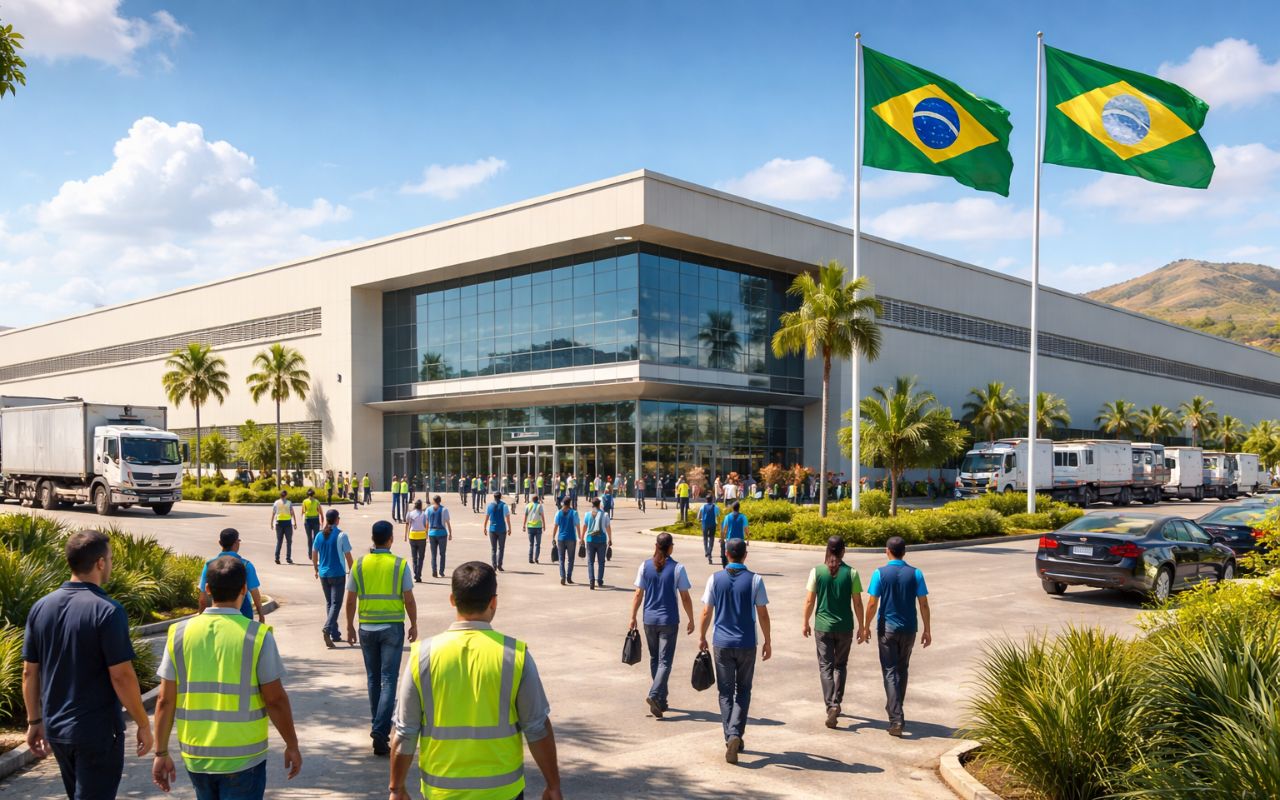
New shoe factory in Ceará is expected to create 400 jobs and strengthen the local economy.
-
No one imagined it, but a mixture of sawdust with a mineral that fights fires surprises scientists with a result that changes the course of fire-resistant construction.

-
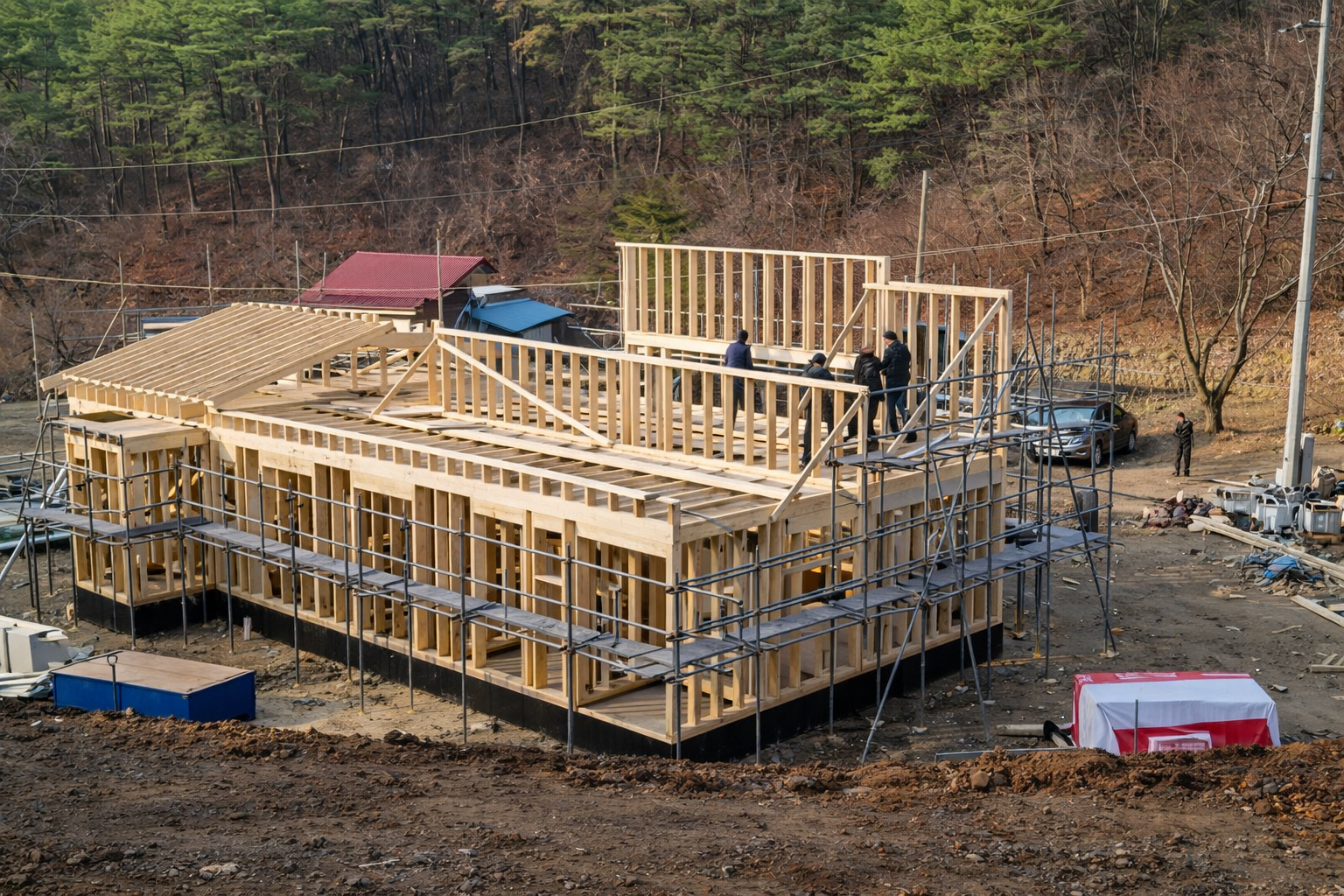
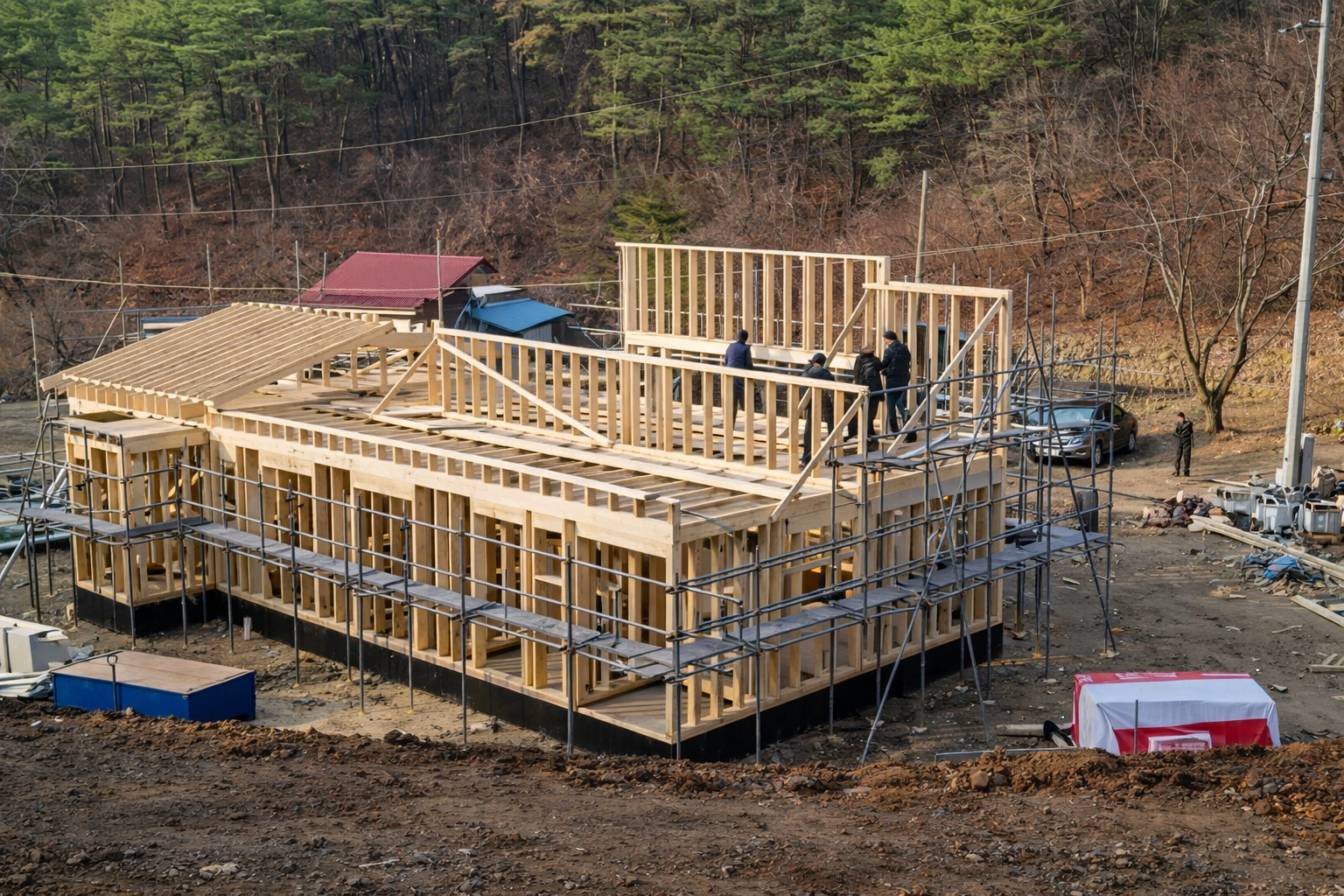
From empty land to a high-end house, wooden construction uses a lightweight system, metal structure for the foundation, ventilated ceramic cladding, and special windows to create an efficient and comfortable living space throughout the year.

It is worth noting that vehicle movement at the Port Of Suape was one of the great highlights of the terminal in 2021. According to the state-owned company, the number of imported and exported automobiles was 20% higher than in 2020. This percentage totalled 47,841 units in 2021 compared to 39,922 in the previous year. As of June 2022, there have already been 26,542 automobiles compared to 24,111 the previous year, an increase of 10%.
Logistics Of Volkswagen
Thus, Volkswagen’s operations at the complex aim to move around 2,000 vehicles from the brand per year and involve about 30 professionals, including stevedores, riggers, drivers, coordinators, and also shipping and ground agents. As soon as they are unloaded, the vehicles are inspected and transferred to a distribution center located 15 km from the wharf.
At this distribution center to which the vehicles are transferred, there will be a branch of Volkswagen Brazil, where they will be prepared for marketing and distribution to markets in the region. Only in the Northeast, the company has points of sale in 55 cities and provides quality service in each of them.
The logistics and optimization process ensures that all points of sale receive their percentage of vehicles that can meet their own demands, which is why the company has invested significantly.
“Suape is the gateway and exit for vehicles from various important groups and companies that leave for other countries and other states in Brazil. The arrival of VW only strengthens our position as the main hub for vehicle operations in the North and Northeast of the country,” emphasizes Luiz Alberto Barros, director of Business Development at Suape.
This is because the port terminal is located on the southern coast of the state, between two municipalities, Cabo de Santo Agostinho and Ipojuca. Being just 40 miles (approximately 64 km) from Recife, the Port Of Suape is interconnected to more than 160 ports on all continents and is the most strategic public port in the Northeast, as it accounts for 90% of the region’s GDP.






Seja o primeiro a reagir!