





 Portuguese
  English
  Spanish
  5 min of reading


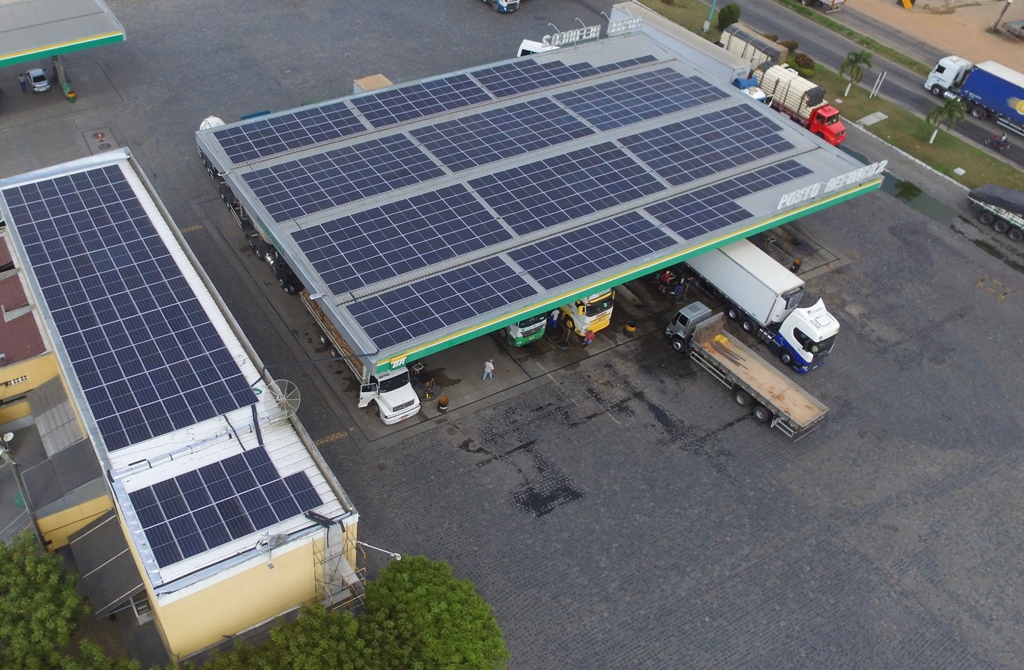
With Units in Alagoas, Bahia, and Sergipe, the Reforço Group’s Network Reports a Reduction of Over 80% in Electricity Expenses
Reducing operational costs is a constant challenge for gas stations and roadside service establishments that need to keep their facades lit and their facilities, such as restaurants, showers, and car washes running 24 hours a day, seven days a week. With the constant rise in electricity rates over the past few years, solar energy has become an alternative for these establishments to control their expenses and increase profitability.
“Most establishments in the sector that invest in solar energy have a monthly consumption of up to 20,000 kWh,” says Tassio Barboza, technical director of Enersol Brasil, a company specializing in the development of projects, installation, and maintenance of solar energy systems in the Northeast region and one of the main local partners of Fronius do Brasil, the leading manufacturer of inverters for photovoltaic energy.
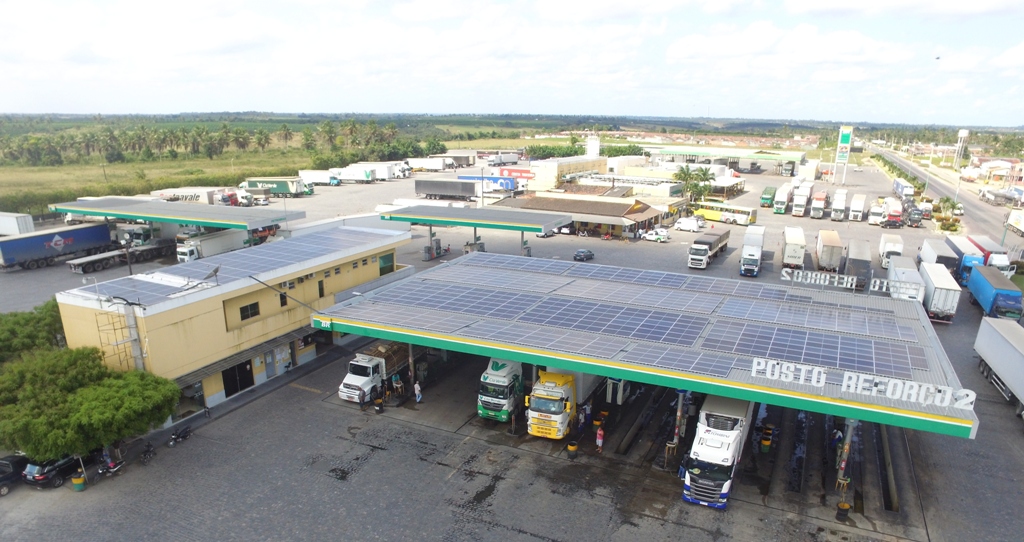
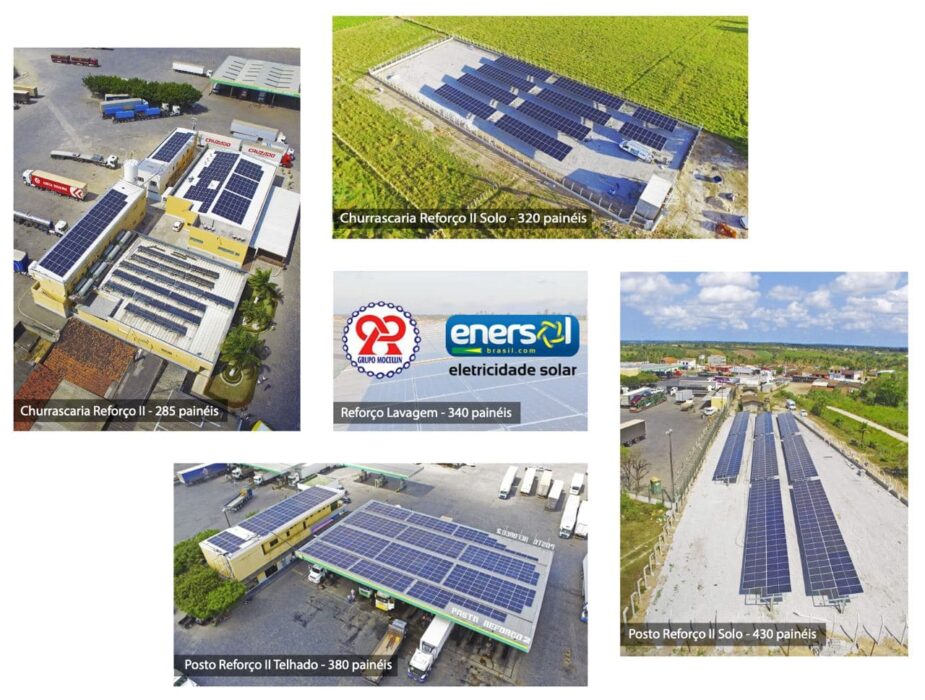
This is the case of Autoposto Reforço, a network with 38 years of tradition on Northeastern roads, which invested in solar energy to maintain the quality of service at its four locations. With two stations in Bahia, one in Sergipe, and one in Alagoas, the group receives an average of over 1,300 travelers and 1,200 trucks per day that refuel their vehicles and use their facilities, such as a steakhouse, car wash, restrooms, parking, among others.
-
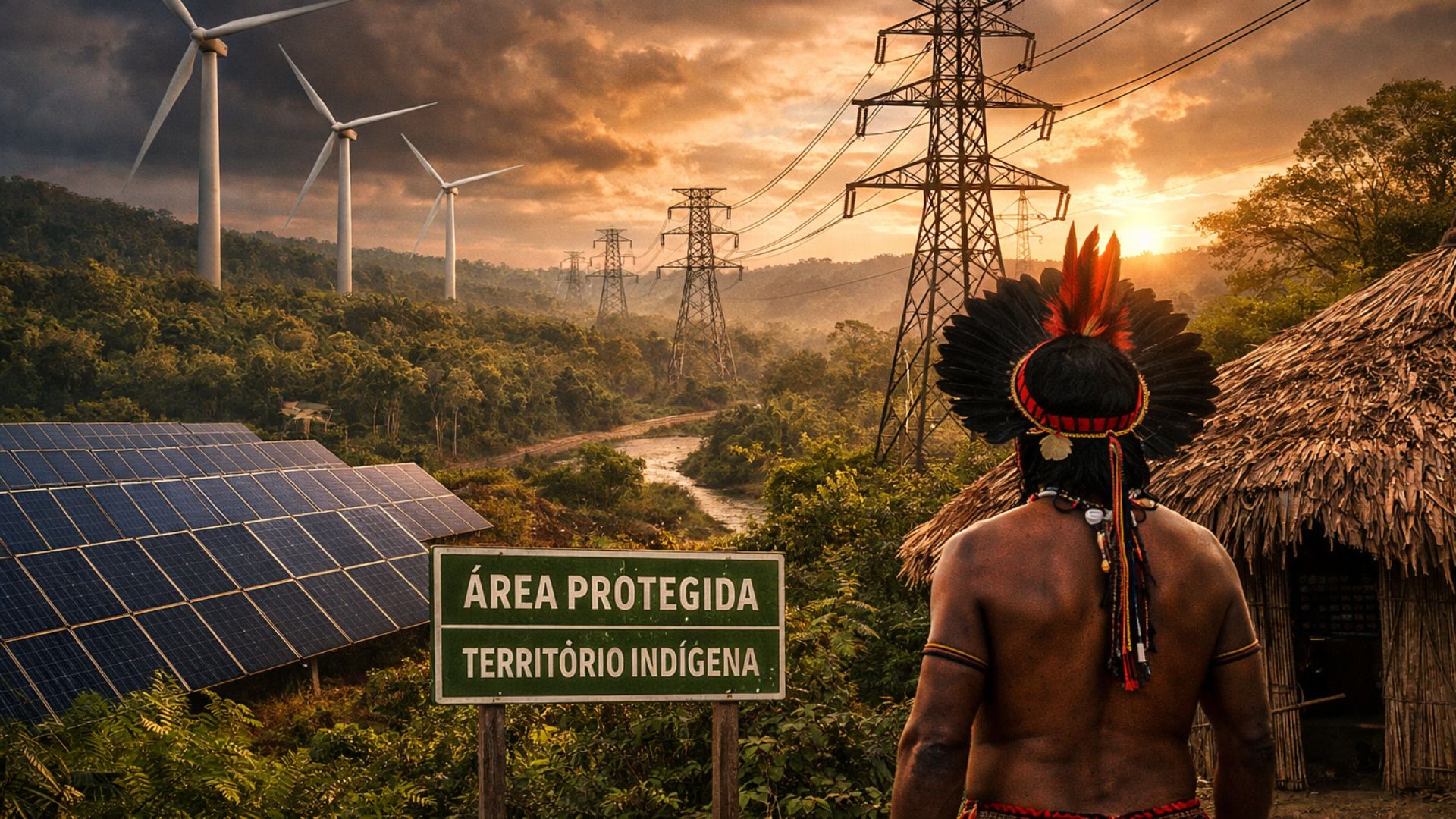
Renewable energy advances over protected areas in Brazil, and a survey by the Energy Transition Observatory reveals silent impacts that challenge environmental conservation and pressure sensitive traditional territories.
-
Rio Grande do Sul accelerates energy transition: State invests in renewable technologies and consolidates decarbonization strategies and pathways to attract billions in new industrial investments.

-
With 160,000 m² of collectors, an area larger than 20 football fields, Silkeborg, in Denmark, hosts a solar thermal plant that heats 19,500 homes and could become the largest solar heating plant in the world.

-
A study reveals the expansion of renewable energy procurement in Brazil and shows how companies are taking advantage of opportunities to reduce expenses, ensure energy efficiency, and strengthen strategic environmental commitments.


All this activity resulted in a monthly expenditure of 145,000 reais on the electricity bill, with the yellow flag tariff. “We decided to invest in solar energy to try to ‘zero out’ or reduce this bill as much as possible,” says Joemir Mocellin, administrative director of Reforço.
Developed by Enersol in partnership with Fronius, the solar energy project of the Reforço Network represented an investment of over 5.35 million reais. To produce enough electricity to meet 100% of the stations’ consumption, 40 inverters, including Fronius Eco and Eco Light and Fronius Symo, were installed in the steakhouses and refueling areas, connected to 3,844 solar panels.
Gas Stations with Almost ‘Zeroed’ Electricity Bills
In one year, the solution already produces enough electricity to lower the electricity expense of the entire network from 145,000 reais to less than 30,000 reais per month, a reduction of over 80%. The savings margin varies depending on the gas station and the region. The best results were observed in Bahia and Alagoas, where there is an exemption from ICMS on the distribution system usage tariff (TUSD). The return on investment was calculated at approximately 4 years.
Frequented by about 700 to 900 people per day and receiving around 600 trucks, the Reforço 1 station in Poções-BA, which previously spent about 27,000 reais on the electricity bill, now does not need to pay more than 300 reais monthly for electricity. For the approximately 200 people and 100 trucks serviced daily, the Reforço 4 station in Itatim used to spend up to 24,000 reais on electricity consumed, and now also pays a minimum tariff (around 100 reais, approximately). At Reforço in Rio Largo, Alagoas, which receives about 120 people a day, the electricity bill fell from 32,000 reais monthly to around 7,000 to 8,000 reais per month.
Even with the ICMS charged on the TUSD for compensated energy, the station in Umbaúba, Sergipe, saw a significant reduction in its electricity bill. With only part of the project completed, Reforço in Umbaúba reduced its monthly electricity bill from 50,000 reais to around 10,000 reais in one year, maintaining a footfall of 300 people per day and about 500 truck drivers.
What to Consider Before Investing in Solar Energy
Barboza, from Enersol, emphasizes that before deciding to implement a photovoltaic system, it is important to evaluate the establishment’s consumption profile and analyze whether the monthly electrical expenses justify the investment.
He explains that the investment cost for equipment is practically proportional to the necessary consumption. For example, for a consumption of 12,000 kWh per month (billing of approximately 12,500 reais), with generators, Fronius inverters, and solar panels, it would be necessary to invest 400,000 reais, about 4.2 reais per Wp.
“In addition to the savings, the photovoltaic system has a strong ecological appeal, which further enhances the image of a sustainable service station concerned with the environment,” says Ariel Martins, technical specialist at Fronius.
About Fronius
Recognized as a leader in innovation and technology, Fronius was founded in Austria in 1945 and is now present in over 30 countries through subsidiaries and in more than 60 countries through distributors and representatives. Operating in the Brazilian market for over 20 years, Fronius do Brasil consists of three business units: Solar Energy; Welding Technology; and Battery Chargers for all types of vehicles and distribution centers. In Brazil, the company’s headquarters is located in São Bernardo do Campo (SP), where it has a team of over 100 professionals, in addition to more than 30 sales representatives and distributors throughout the country.
Solar Energy
Operating for 10 years in Brazil, the third and youngest of the three business units of Fronius is dedicated to innovative solutions for the photovoltaic market, with products and services focused on generation, storage, distribution, and consumption of solar energy, which, combined into a holistic system, open new opportunities to embrace the energy transition. Through the power of the sun, Fronius’s Solar Energy unit works towards a sustainable and emission-free future, making the environment more habitable for future generations. “We are 24 hours of sunshine.”
Via Lilás Comunicação









Seja o primeiro a reagir!