





 Portuguese
  English
  Spanish
  4 min of reading
  0 comments


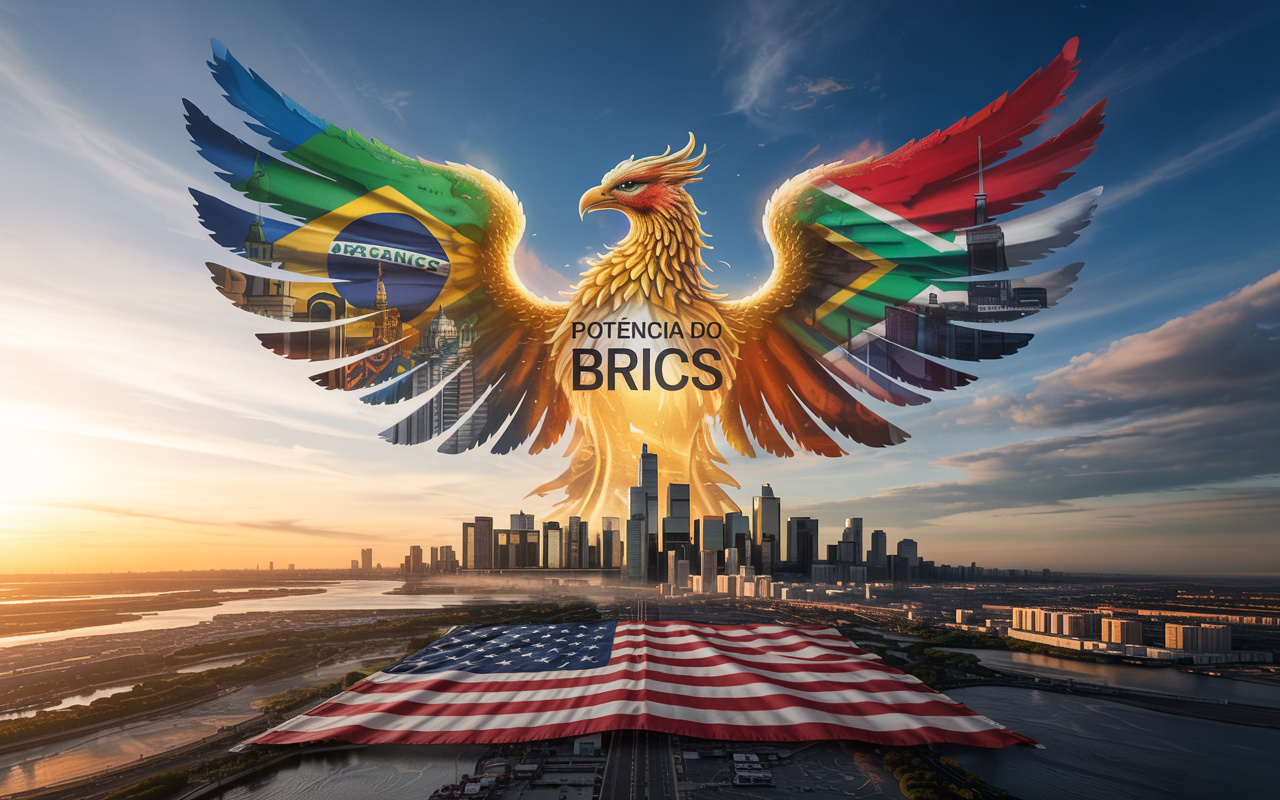
Report Indicates That India Is Likely to Surpass the U.S. by 2030, Making BRICS the 2nd Largest Economy in the World, Behind Only China.
The latest report from Economy Watch introduced a forecast that could redefine the international economic landscape in the coming decades: the BRICS economy is expected to surpass the United States and take the position of 2nd largest global economy by 2030. This movement is primarily driven by the economic expansion of BRICS, led by India and China, and represents a historic shift in the balance of power between emerging countries and traditional powers.
BRICS Growth and Projections for 2030
Consulting firm EY estimates that India’s GDP will reach US$ 20.7 trillion by 2030, reaching US$ 34.2 trillion by 2038 in purchasing power parity (PPP). This would position the country ahead of the United States, solidifying it as the 2nd largest economy in the world, behind only China. Currently, the IMF estimates India’s GDP at US$ 14.2 trillion (PPP) in 2025, a figure three times higher than that recorded at market exchange rates.

This performance reinforces India’s role as the engine of the BRICS economic expansion, a bloc that already represents more than 30% of global GDP. In terms of PPP, India already occupies the third position, expected to surpass Germany in 2028 by market criteria as well.
-
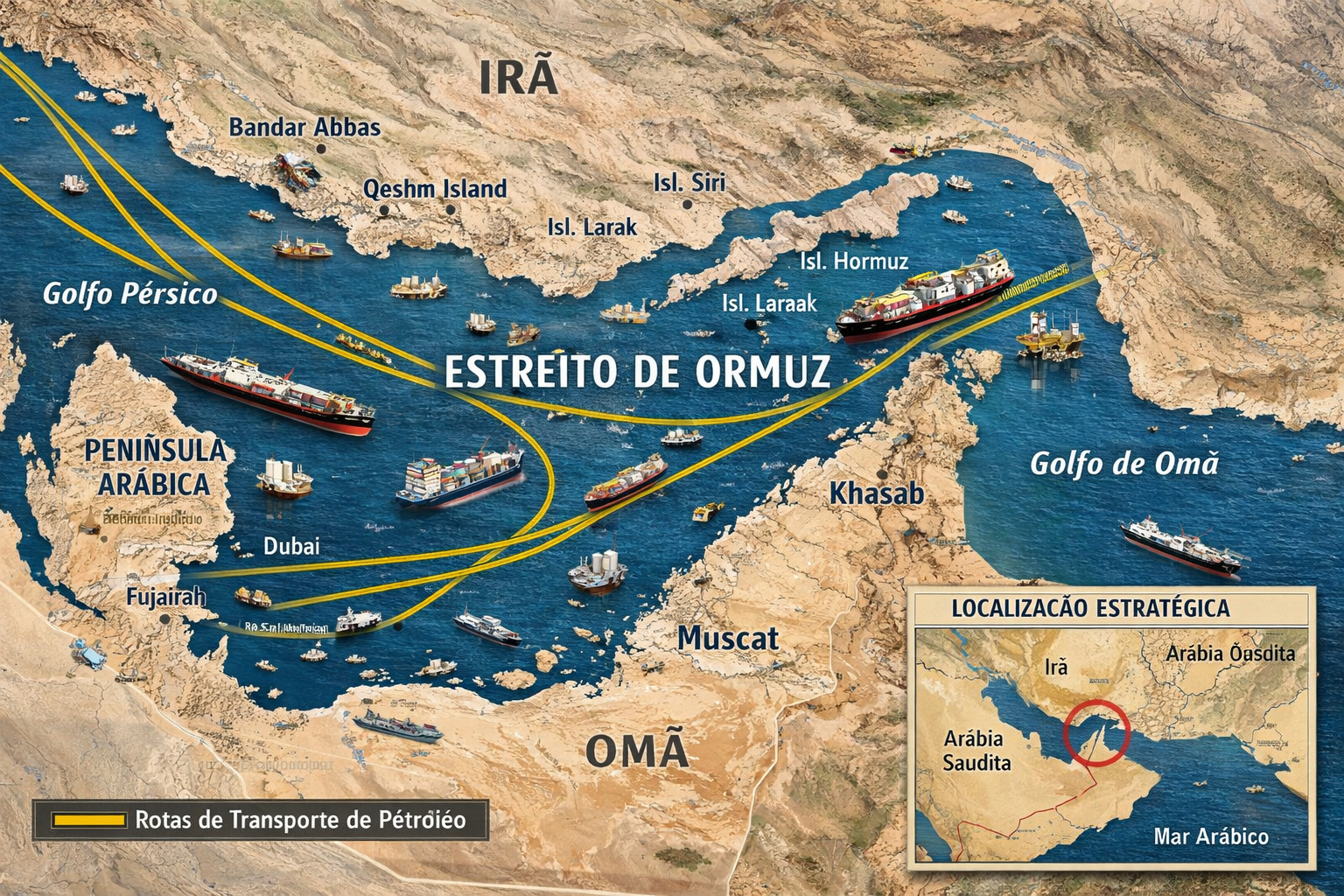
Global summit with over 40 countries pressures Iran for a blockade in the Strait of Hormuz and warns of direct impact on oil, food, and the global economy.
-
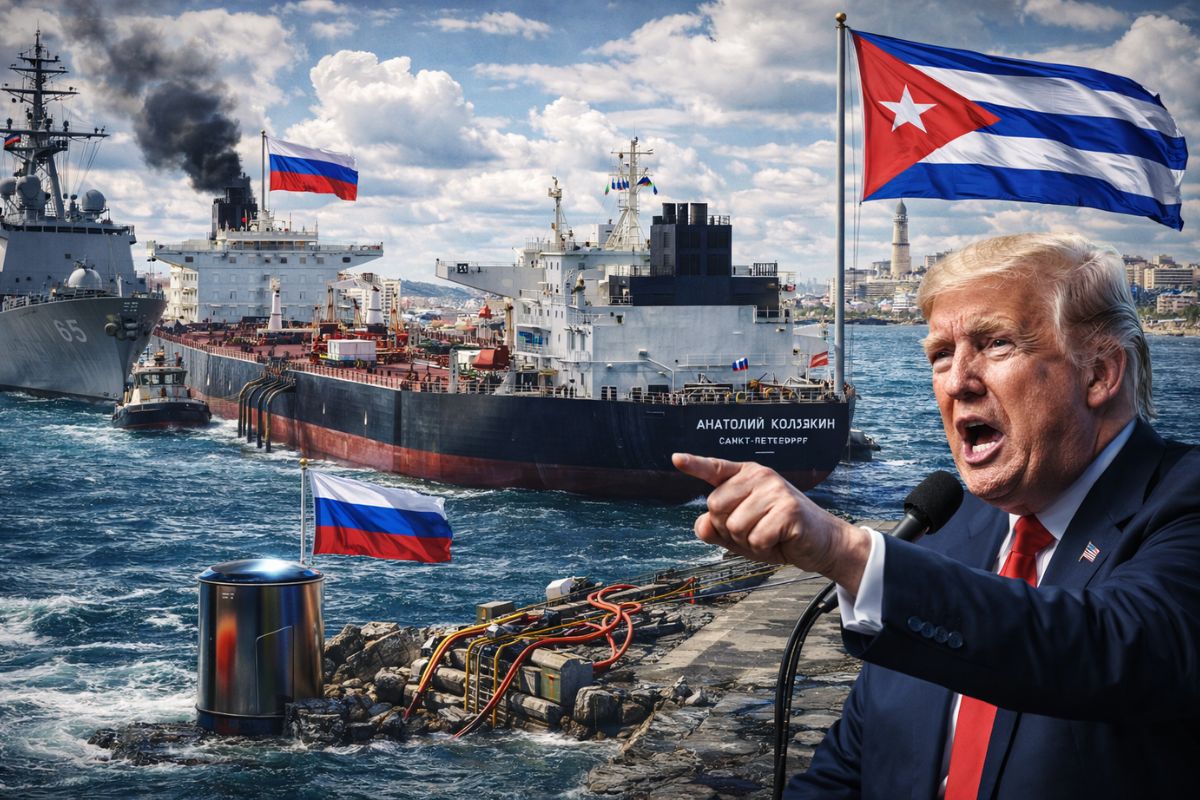
Russia has broken the U.S. maritime blockade to send oil to Cuba and is now loading a second ship while Trump says that “Cuba is next” in a possible military action against the island.
-
Spain challenges the USA and closes its airspace for operations against Iran, raising global tension and provoking the threat of a trade rupture.
-
While no other country manufactures tanks in Latin America, Argentina activates the TAM 2C-A2 and raises a curiosity about the technological lag in the region.

China and the Historical Advance Over American Hegemony
While India projects accelerated growth, China has already consolidated its position as the largest economy in the world in PPP.
The country’s dynamism pressures American hegemony, which sees its relative share of global GDP decreasing. Analysts argue that the Chinese advance combined with Indian prominence turns emerging countries into key players in the global economy by 2030.
The integration of infrastructure, technology, and trade among the members of the BRICS economic bloc strengthens this movement. Furthermore, the expansion to new members, such as Saudi Arabia and the United Arab Emirates, enhances the group’s energy and financial base, ensuring greater resilience against external shocks.
American Tariffs and Challenges for India
The report also points out obstacles. The tariffs imposed by Washington since August may impact part of Indian exports, estimated at over US$ 48 billion.
Industries such as textiles, precious stones, jewelry, leather, and shrimp are among the most affected, while pharmaceuticals and electronics were excluded from the measures.
The estimated impact is up to 0.9% of India’s GDP, but it could be reduced to 0.3% or even 0.1% if the government manages to redirect exports and stimulate internal consumption. This would mean minimal reduction in the growth pace, from 6.5% to 6.4%, maintaining a positive trajectory.
Fundamentals Supporting BRICS Growth
The report highlights that, despite trade tensions, India maintains solid fundamentals that ensure its progress:
- Young and Skilled Population;
- High Savings and Investment Rates;
- Sustainable Debt Levels;
- Focus on Technology and Innovation.
These structural factors are seen as determinants for India and other BRICS members to maintain high growth rates. The strength of internal demand and trade diversification are central elements to shield the country from external shocks.
Bilateral Trade and Dependence on the U.S.
In 2024-25, the United States was the destination for 20% of Indian exports, totaling US$ 86.5 billion in sales.
Bilateral trade amounted to US$ 131.8 billion, including US$ 45.3 billion in imports. This dependence shows how tariffs can impact the economy, but also highlights India’s urgency to diversify markets.
The expectation is that, with the strengthening of the BRICS economic bloc and the rapprochement with ASEAN and the Middle East, India can reduce its vulnerability to American protectionist measures.
The New Global Landscape by 2030
With India’s advance and the consolidation of China as a dominant power, emerging countries are taking center stage in a new global landscape. The rise of the BRICS economy challenges the traditional power structure led by the United States and Europe, paving the way for a more multipolar order.
However, the competition won’t be solely economic. Issues such as energy security, technological advancements, supply chains, and foreign policy will be at the center of the rivalry between BRICS and Western powers.
The fact is that if projections hold true, by 2030 India is expected to solidify its position as the 2nd largest global economy, behind only China, irreversibly altering the global economic and geopolitical dynamics.
What do you think, does the advance of India and China within BRICS signal the beginning of the end of American hegemony, or will there be room for a strategic coexistence among the world’s largest economies?









-

-

2 pessoas reagiram a isso.